
The Latest Debt Consolidation Loan Rates: How to Secure a 7% APR in Early 2026
Are you burdened by multiple high-interest debts, juggling various monthly payments, and feeling the strain on your financial well-being? You’re not alone. Millions of individuals seek effective strategies to streamline their finances and reduce their overall interest burden. One of the most powerful tools in this arsenal is a debt consolidation loan. But with interest rates constantly fluctuating, how can you navigate the market to secure an advantageous rate, specifically aiming for a 7% APR in early 2026?
This comprehensive guide will delve deep into the world of debt consolidation, providing you with actionable insights, expert tips, and a clear roadmap to achieving your financial goals. We’ll explore what influences debt consolidation rates, how to prepare yourself for the best possible offers, and what to expect as we move closer to early 2026. Our aim is to empower you with the knowledge to make informed decisions and take control of your financial future.
Understanding Debt Consolidation: A Powerful Financial Tool
Before we dive into securing a specific APR, let’s establish a clear understanding of what debt consolidation entails. In essence, debt consolidation involves taking out a new, larger loan to pay off several smaller debts. The primary goal is to simplify your financial obligations by combining multiple payments into a single, more manageable one, often with a lower interest rate. This can apply to various types of unsecured debt, such as credit card balances, personal loans, medical bills, and even some payday loans.
The Benefits of Consolidating Your Debt
- Simplified Payments: Instead of tracking multiple due dates and minimum payments, you’ll have just one. This significantly reduces the risk of missed payments and late fees.
- Lower Interest Rates: If you qualify for a loan with a lower APR than your current average interest rate, you’ll pay less interest over the life of the loan, saving you money.
- Reduced Monthly Payments: A lower interest rate and a longer repayment term can lead to a more affordable monthly payment, freeing up cash flow for other essential expenses or savings.
- Improved Credit Score Potential: By consistently making on-time payments on your consolidated loan, and reducing your credit utilization ratio, you can positively impact your credit score over time.
- Clear Path to Debt Freedom: Having a single, structured repayment plan can provide a clearer psychological path to becoming debt-free, offering motivation and a sense of control.
While the benefits are substantial, it’s crucial to approach debt consolidation strategically. It’s not a magic bullet that eliminates debt; rather, it’s a tool that, when used wisely, can significantly aid your debt repayment journey. Understanding the factors that influence debt consolidation rates is the first step towards securing a favorable offer.
Factors Influencing Debt Consolidation Loan Rates
The interest rate you qualify for on a debt consolidation loan is not arbitrary. It’s determined by a complex interplay of personal financial factors, economic conditions, and lender policies. To aim for that coveted 7% APR in early 2026, you need to understand these variables.
Your Credit Score: The Cornerstone of Loan Approval
Your credit score is arguably the most critical factor lenders consider. It’s a numerical representation of your creditworthiness, reflecting your payment history, credit utilization, length of credit history, types of credit used, and new credit inquiries. A higher credit score signals to lenders that you are a responsible borrower and less of a risk, thus qualifying you for lower debt consolidation rates.
- Excellent Credit (780-850): Borrowers in this range typically qualify for the best rates.
- Very Good Credit (740-779): Still considered highly creditworthy, often receiving competitive rates.
- Good Credit (670-739): May qualify for reasonable rates, but perhaps not the absolute lowest.
- Fair Credit (580-669): Rates will generally be higher, and approval might be more challenging.
- Poor Credit (300-579): Securing a debt consolidation loan can be difficult, and rates will be very high, if approved at all.
To target a 7% APR, especially in a competitive market, aiming for a credit score in the ‘Good’ to ‘Excellent’ range is paramount. We’ll discuss how to improve your credit score later in this article.
Debt-to-Income Ratio (DTI)
Your DTI ratio compares your total monthly debt payments to your gross monthly income. Lenders use this to assess your ability to take on additional debt and make timely payments. A lower DTI indicates you have more disposable income to cover new loan payments, making you a more attractive borrower. Generally, lenders prefer a DTI below 36%, though some may accept up to 43%.
Loan Term and Amount
The length of your repayment period (loan term) and the total amount you wish to borrow also influence the interest rate. Shorter loan terms often come with lower interest rates because the lender’s risk is spread over a shorter period. However, shorter terms mean higher monthly payments. Conversely, longer terms might have slightly higher rates but offer lower monthly payments. The loan amount can also play a role, as very small or very large loans might have different risk profiles for lenders.
Economic Conditions and Federal Reserve Rates
Beyond your personal finances, broader economic conditions significantly impact debt consolidation rates. The Federal Reserve’s monetary policy, specifically the federal funds rate, directly influences the prime rate, which in turn affects consumer loan rates. If the Fed raises rates, borrowing costs generally increase across the board. If they lower rates, borrowing becomes cheaper. Keeping an eye on economic forecasts and central bank announcements can give you an edge in timing your loan application.
Lender-Specific Policies and Competition
Different lenders have varying risk appetites, overhead costs, and target customer bases. A credit union, for instance, might offer slightly lower rates than a large commercial bank due to its non-profit structure. Online lenders often have lower overheads and can pass those savings on to borrowers in the form of competitive rates. The competitive landscape among lenders also drives down rates as they vie for customers.
Preparing for a 7% APR: Your Action Plan for Early 2026
Securing a 7% APR on a debt consolidation loan in early 2026 requires meticulous preparation and strategic execution. Here’s a detailed action plan:
Step 1: Assess Your Current Financial Situation
Start by getting a clear picture of your existing debts. List every debt, including the lender, outstanding balance, interest rate, minimum monthly payment, and due date. This inventory will help you determine how much you need to borrow and which debts to prioritize for consolidation.
Step 2: Check and Improve Your Credit Score
This is perhaps the most crucial step. Obtain your credit reports from all three major bureaus (Equifax, Experian, and TransUnion) via AnnualCreditReport.com. Review them for errors and dispute any inaccuracies immediately, as these can negatively impact your score. Then, focus on improving your score:
- Pay Bills on Time: Payment history is the biggest factor. Set up automatic payments or reminders.
- Reduce Credit Utilization: Aim to keep your credit utilization ratio (the amount of credit you’re using compared to your total available credit) below 30%, ideally below 10%. Pay down high-balance credit cards.
- Avoid New Credit: Don’t open new credit accounts or apply for multiple loans in the months leading up to your debt consolidation application, as this can temporarily lower your score.
- Address Collections/Charge-offs: If you have any, try to resolve them, as they severely impact your score.
- Keep Old Accounts Open: The length of your credit history contributes to your score, so don’t close old, unused accounts unless they have annual fees.
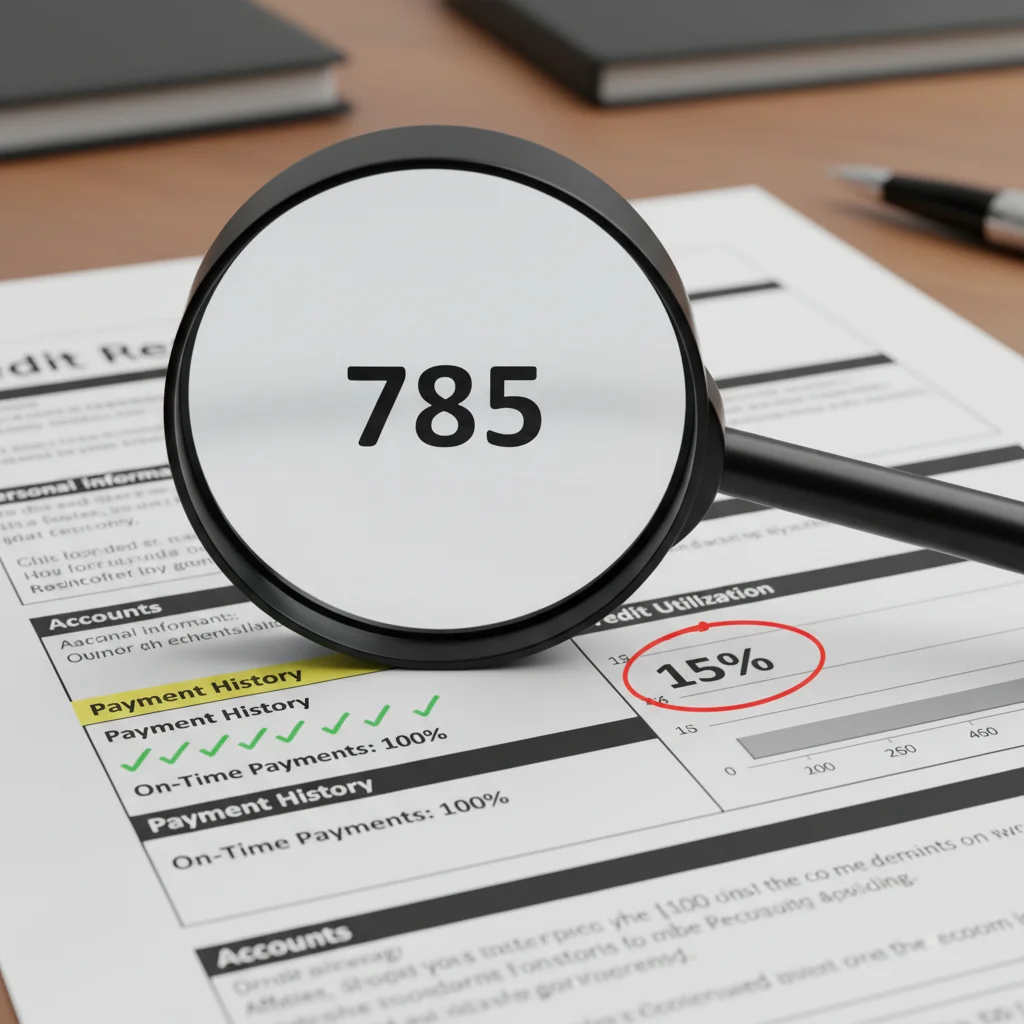
Consistent effort in improving your credit score over the next year will significantly increase your chances of securing favorable debt consolidation rates.
Step 3: Lower Your Debt-to-Income Ratio
If your DTI is high, work on reducing it. This can involve two main strategies:
- Increase Income: Explore options for a side hustle, overtime, or a raise.
- Decrease Debt: Aggressively pay down smaller debts using strategies like the debt snowball or avalanche method.
A lower DTI makes you a less risky borrower in the eyes of lenders.
Step 4: Create a Realistic Budget
Before taking on a new loan, understand your monthly cash flow. Create a detailed budget that tracks all your income and expenses. This will help you determine how much you can comfortably afford to pay each month towards a new consolidated loan and ensure you don’t overextend yourself. A well-structured budget is key to long-term financial stability after consolidation.
Step 5: Research Lenders and Loan Types
Not all debt consolidation loans are created equal. Different lenders specialize in different types of borrowers and offer various products. Explore options from:
- Banks and Credit Unions: Often offer competitive rates to their existing customers and members. Credit unions, in particular, may have more flexible lending criteria.
- Online Lenders: Known for their quick application processes, competitive rates, and often more lenient credit requirements than traditional banks.
- Balance Transfer Credit Cards: If you have excellent credit, a balance transfer card with a 0% introductory APR can be a great option, but be mindful of the transfer fees and the promotional period expiration.
- Home Equity Loans/Lines of Credit (HELOCs): These are secured loans, meaning your home acts as collateral. They typically offer lower interest rates but come with the risk of foreclosure if you default. Use with extreme caution.
For most seeking a 7% APR, an unsecured personal loan from an online lender or a credit union will likely be the primary focus. Start researching these options well in advance of early 2026 to understand their specific requirements and offerings.
The Economic Landscape and 7% APR in Early 2026
Predicting interest rates a year or more in advance is challenging, as it depends heavily on economic indicators, inflation, and central bank policies. However, we can make some educated guesses and prepare for various scenarios.
Current Trends and Future Projections
As of late 2024, interest rates have seen significant increases due to efforts to combat inflation. While inflation may moderate, the Federal Reserve might maintain a higher-for-longer stance on interest rates, or begin to gradually decrease them depending on economic data. A 7% APR for a personal loan, while competitive, might be achievable for borrowers with excellent credit if the overall rate environment stabilizes or slightly declines from its peak.
What Needs to Happen for a 7% APR to be Realistic?
- Stable or Declining Inflation: If inflation continues to cool, the Fed will have less pressure to keep rates high, potentially leading to rate cuts.
- Economic Stability: A strong, stable economy without major shocks allows lenders to offer more competitive rates.
- Your Excellent Credit Profile: Regardless of the economic climate, a top-tier credit score and low DTI will always put you in the best position to secure the lowest available rates, including a 7% APR if the market allows.
It’s important to monitor economic news and financial forecasts from reputable sources as early 2026 approaches. This will help you gauge the likelihood of achieving your target debt consolidation rates and adjust your strategy if needed.
Applying for Your Debt Consolidation Loan
Once you’ve done your homework and improved your financial standing, it’s time to apply. Here’s how to maximize your chances of approval and secure the best possible debt consolidation rates.
Gather Necessary Documentation
Lenders will typically require:
- Proof of identity (driver’s license, passport)
- Proof of address (utility bill, lease agreement)
- Proof of income (pay stubs, tax returns, bank statements)
- Details of debts you wish to consolidate (account numbers, balances, creditor names)
Having these documents ready will expedite the application process.
Get Pre-Qualified (Soft Inquiry)
Many lenders offer pre-qualification, which involves a soft credit inquiry that doesn’t affect your credit score. This allows you to see potential rates and terms you might qualify for without commitment. Get pre-qualified with several lenders to compare offers and find the most competitive debt consolidation rates. This step is crucial for rate shopping.
Compare Loan Offers Meticulously
When comparing offers, look beyond just the APR. Consider:
- Origination Fees: Some lenders charge an upfront fee (typically 1-8% of the loan amount) that’s deducted from your loan proceeds. Factor this into the true cost.
- Repayment Terms: Ensure the monthly payment is affordable within your budget.
- Prepayment Penalties: Confirm there are no penalties for paying off the loan early.
- Customer Service and Reputation: Read reviews and choose a lender with a good track record.
Submit Your Application (Hard Inquiry)
Once you’ve chosen the best offer, submit a formal application. This will trigger a hard credit inquiry, which might temporarily ding your credit score by a few points. However, if you apply for multiple loans of the same type within a short period (typically 14-45 days, depending on the scoring model), credit bureaus often count them as a single inquiry, recognizing you’re rate shopping.
What if You Don’t Qualify for 7% APR?
Even with preparation, the market or your individual circumstances might mean you don’t hit the 7% target. Don’t be discouraged. Consider these alternatives:
- Accept a Slightly Higher Rate: If the offered rate is still significantly lower than your current average, it might be worth taking.
- Secured Debt Consolidation: If you own a home, a home equity loan or HELOC could offer lower rates, but remember the increased risk.
- Debt Management Plan (DMP): Non-profit credit counseling agencies can negotiate with your creditors for lower interest rates and a consolidated monthly payment, often without taking out a new loan. This doesn’t involve a new loan, but can help reduce interest and simplify payments.
- Focus on Credit Repair: If your credit score is the primary barrier, focus intensely on improving it for another 6-12 months before reapplying.
- Snowball or Avalanche Method: Continue paying down your highest-interest debts aggressively using these self-managed strategies.
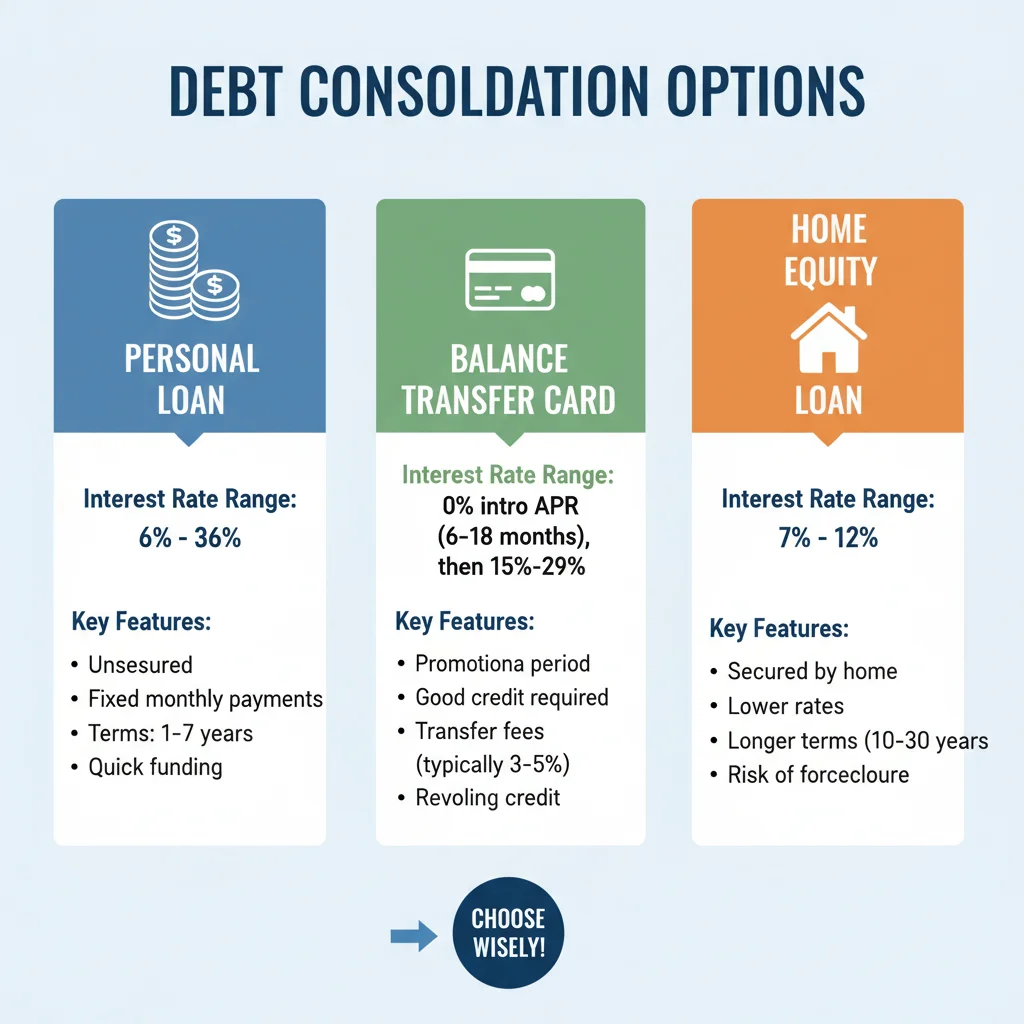
The goal is always to reduce your overall cost of debt, and there are multiple paths to achieve that.
Life After Debt Consolidation: Maintaining Financial Health
Securing a debt consolidation loan with a favorable APR is a significant achievement, but it’s not the end of the journey. To truly benefit from this financial maneuver, you must adopt responsible spending habits and maintain financial discipline.
Avoid Accumulating New Debt
The biggest pitfall after debt consolidation is falling back into old spending habits and accumulating new debt. This defeats the purpose of consolidation and can leave you in a worse financial position than before. Commit to living within your means and only using credit for emergencies or planned, affordable purchases.
Stick to Your Budget
Your budget isn’t just for getting approved for the loan; it’s your ongoing financial roadmap. Regularly review and adjust your budget to ensure you can comfortably make your monthly loan payments and save for future goals.
Build an Emergency Fund
Unexpected expenses are a primary reason people resort to credit card debt. Having an emergency fund of 3-6 months’ worth of living expenses can act as a buffer, preventing you from relying on high-interest credit cards when unforeseen costs arise.
Monitor Your Credit
Periodically check your credit score and reports to ensure accuracy and track your progress. A higher credit score opens doors to better financial products and opportunities in the future.
Consider Additional Financial Goals
Once your debt is under control, redirect the money you were using for high-interest payments towards other financial goals, such as saving for retirement, a down payment on a home, or investing. Debt consolidation is a stepping stone to broader financial freedom.
Conclusion: Your Path to Lower Debt Consolidation Rates
Securing a 7% APR on a debt consolidation loan in early 2026 is an ambitious yet achievable goal for many. It requires a proactive approach, a deep understanding of your financial health, and strategic engagement with the lending market. By focusing on improving your credit score, reducing your debt-to-income ratio, thoroughly researching lenders, and understanding the broader economic landscape, you significantly increase your chances of obtaining highly competitive debt consolidation rates.
Remember, debt consolidation is a tool for financial restructuring, not a solution to overspending. Used responsibly, it can be a powerful catalyst for simplifying your finances, saving money on interest, and setting you on a clear path to debt freedom and long-term financial stability. Start your preparation today, stay informed, and take control of your financial future.