Budgeting for Unexpected 2026: Building a 3-Month Emergency Fund with Precision
Budgeting for Unexpected 2026: Building a 3-Month Emergency Fund with Precision
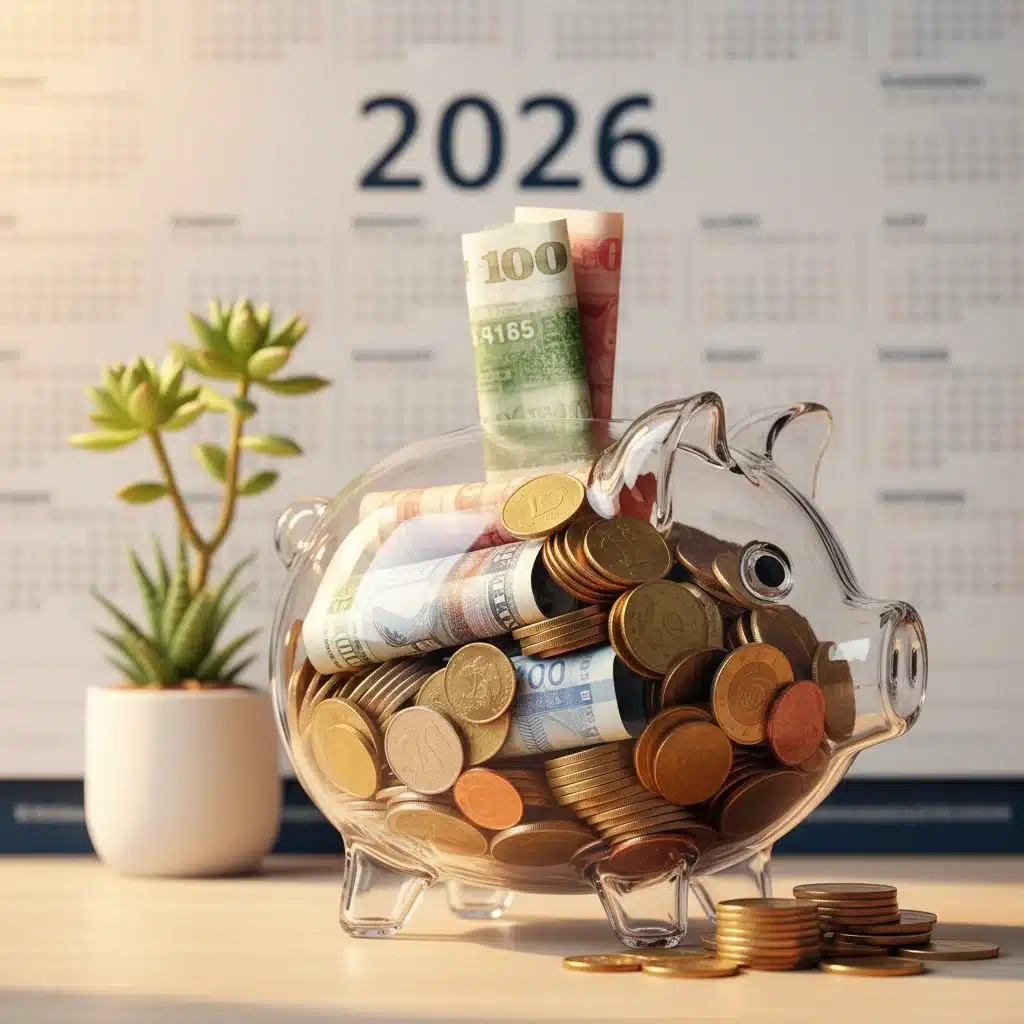
As we inch closer to 2026, the global financial landscape continues to evolve, bringing with it both opportunities and uncertainties. For many, the thought of unexpected expenses can be a source of significant stress. Whether it’s a sudden job loss, an unforeseen medical emergency, or a major car repair, these events can derail even the most carefully laid financial plans. This is precisely why building a robust emergency fund 2026 is not just a good idea, but an absolute necessity. This comprehensive guide will walk you through the essential steps to create a 3-month emergency fund with precision, ensuring your financial stability and peace of mind as we navigate the future.
The concept of an emergency fund isn’t new, but its importance is often underestimated until a crisis hits. An emergency fund acts as a financial safety net, providing a buffer against life’s unpredictable moments. Without one, individuals and families often resort to high-interest credit cards or loans, digging themselves deeper into debt during already challenging times. Our focus here is on the specific target of a 3-month emergency fund, a widely recommended benchmark that offers a significant level of protection without being overwhelming to achieve initially. We’ll delve into why 3 months is a practical starting point and how to scale up your fund as your financial situation improves.
Understanding the ‘Why’ Behind an Emergency Fund 2026
Before we dive into the ‘how,’ it’s crucial to solidify the ‘why.’ The year 2026, like any other, will present its own set of economic challenges and personal surprises. Global economic shifts, inflation, and even personal circumstances can impact your financial health. A well-stocked emergency fund 2026 allows you to:
- Avoid Debt: Prevent the accumulation of high-interest debt when unexpected costs arise.
- Maintain Stability: Keep your financial life on track, even when income is temporarily disrupted.
- Reduce Stress: Gain peace of mind knowing you have a financial cushion to fall back on.
- Seize Opportunities: Sometimes, an emergency fund can even allow you to take advantage of unexpected opportunities, knowing your basic needs are covered.
Consider the potential impact of a sudden job loss. Without an emergency fund, finding a new job could become a desperate race, forcing you to accept less-than-ideal positions. With a 3-month emergency fund, you have the luxury of time to find the right opportunity, negotiate better terms, and maintain your standard of living during the transition. This is the power of proactive financial planning and building a strong emergency fund 2026.
Defining Your 3-Month Emergency Fund Goal
The first step in building your emergency fund 2026 is to clearly define your target amount. A 3-month emergency fund means having enough liquid cash to cover three months’ worth of essential living expenses. This is not about covering every single discretionary expense, but rather focusing on the non-negotiables. To calculate this, you’ll need to meticulously track your spending.
Step 1: Calculate Your Essential Monthly Expenses
This is where precision budgeting comes into play. For one month, track every penny you spend. Categorize your expenses into ‘essential’ and ‘discretionary.’ Essential expenses are those you absolutely cannot live without:
- Housing (rent/mortgage)
- Utilities (electricity, water, gas, internet)
- Groceries
- Transportation (car payments, fuel, public transport)
- Insurance (health, car, home)
- Minimum debt payments (though ideally, you’d pause extra payments to build your fund)
- Basic communication (phone bill)
- Essential medical costs (prescriptions)
Discretionary expenses, which you would cut or significantly reduce in an emergency, include:
- Dining out
- Entertainment (movies, concerts, streaming services)
- Vacations
- New clothes (beyond necessity)
- Subscriptions you could live without
Once you have a clear picture of your essential monthly expenses, multiply that number by three. This is your initial target for your 3-month emergency fund 2026.
Step 2: Re-evaluate and Refine
After your initial calculation, take a critical look. Are there any ‘essential’ expenses that could be temporarily reduced or eliminated in a true emergency? For instance, perhaps you have a gym membership you could pause, or a premium streaming service you could downgrade. The goal is to be realistic yet conservative. This refined number will be your precise target for your emergency fund 2026.
Strategies for Building Your Emergency Fund 2026
Now that you know your target, it’s time to put a plan into action. Building an emergency fund requires discipline and consistent effort. Here are several effective strategies:
Automate Your Savings
One of the most powerful tools for saving is automation. Set up an automatic transfer from your checking account to a dedicated savings account each payday. Treat this transfer like any other bill – a non-negotiable expense. Even small, consistent contributions add up significantly over time. For your emergency fund 2026, consistency is key.
Cut Unnecessary Expenses
Review your discretionary spending and identify areas where you can cut back. Even small changes can free up cash. Consider:
- Bringing lunch from home instead of buying it.
- Canceling unused subscriptions.
- Reducing impulse purchases.
- Finding cheaper alternatives for entertainment.
Every dollar saved from these cuts can be directly channeled into your emergency fund 2026.
Increase Your Income
If cutting expenses isn’t enough, explore ways to increase your income. This could include:
- Taking on a side hustle (freelancing, gig work, selling items).
- Asking for a raise at your current job.
- Selling unused items around your home.
- Working overtime if available.
Any additional income you generate should be prioritized for your emergency fund until your goal is met.
Utilize Windfalls Wisely
Unexpected money, such as a tax refund, work bonus, or inheritance, should be primarily directed towards your emergency fund 2026. It can provide a significant boost and accelerate your progress towards your goal.
The ‘Snowball’ Method for Savings
Similar to the debt snowball method, you can apply a ‘savings snowball.’ Start by setting a small, achievable weekly or bi-weekly savings goal. Once you consistently hit that, slightly increase the amount. This builds momentum and confidence, making it easier to save larger sums for your emergency fund 2026 over time.

Where to Keep Your Emergency Fund 2026
The location of your emergency fund is almost as important as its existence. The key characteristics are liquidity, safety, and accessibility. You want your money to be readily available but not so accessible that you’re tempted to dip into it for non-emergencies.
High-Yield Savings Account (HYSA)
A high-yield savings account is often the best choice for your emergency fund 2026. These accounts typically offer higher interest rates than traditional savings accounts, allowing your money to grow, albeit slowly, while remaining liquid. Look for online banks that often provide the best rates and have no monthly fees or minimum balance requirements.
Money Market Accounts
Money market accounts offer a balance between interest rates and accessibility, often providing check-writing privileges and ATM cards. They usually require a higher minimum balance than HYSAs but can be a good option for a portion of your emergency fund.
Avoid Investing Your Emergency Fund
It’s crucial to avoid investing your emergency fund in volatile assets like stocks or cryptocurrency. While these can offer higher returns, they also carry significant risk. The primary purpose of your emergency fund 2026 is safety and immediate availability, not growth. You don’t want to find yourself in an emergency only to discover your fund has significantly decreased in value due to market fluctuations.
Maintaining and Replenishing Your Emergency Fund
Building your emergency fund 2026 is a significant achievement, but the work doesn’t stop there. Maintaining and, if necessary, replenishing your fund is equally important.
Hands Off Unless It’s a True Emergency
Be disciplined about using your emergency fund only for legitimate emergencies. Define what constitutes an emergency for you (e.g., job loss, medical crisis, major home repair) and stick to it. Resist the urge to use it for a vacation, a new gadget, or other non-essential purchases.
Replenish Promptly
If you do have to dip into your emergency fund 2026, make it your top financial priority to replenish it as quickly as possible. Treat it like a debt you need to pay back to yourself. Re-implement your savings strategies until your fund is back to its target level.
Regular Review and Adjustment
Your essential expenses might change over time. Review your budget and your emergency fund target annually or whenever there’s a significant life event (e.g., marriage, new baby, moving, change in income). Ensure your 3-month emergency fund 2026 still accurately reflects your current financial needs.
Common Pitfalls to Avoid
Even with the best intentions, people can encounter obstacles when building an emergency fund. Being aware of these common pitfalls can help you avoid them:
Underestimating Expenses
Be honest and thorough when calculating your essential expenses. Many people forget to include less frequent but necessary costs like annual insurance premiums or car registration fees. Factor these into your monthly average to get a more accurate target for your emergency fund 2026.
Lack of a Dedicated Account
Keeping your emergency fund in the same account as your everyday spending makes it too easy to accidentally spend it. A separate, dedicated account provides a psychological barrier and helps you clearly distinguish your emergency savings from your regular finances.
Giving Up Too Soon
Building an emergency fund takes time, especially if you’re starting from scratch. Don’t get discouraged if progress feels slow. Celebrate small milestones and stay focused on your long-term goal for your emergency fund 2026.
Ignoring Inflation
While not a major concern for a 3-month fund, it’s worth noting that the purchasing power of money can decrease over time. Regularly reviewing and potentially increasing your fund slightly can help counteract the effects of inflation on your emergency fund 2026.

Beyond 3 Months: Scaling Your Financial Resilience
While a 3-month emergency fund 2026 is an excellent starting point, many financial experts recommend aiming for 6 to 12 months’ worth of essential expenses, particularly for those with less stable incomes, dependents, or specialized professions. Once you’ve achieved your initial 3-month goal, consider continuing your savings momentum to build an even more robust safety net.
Benefits of a Larger Fund:
- Greater Security: Provides a longer runway during extended periods of unemployment or illness.
- Flexibility: Offers more options and less pressure during significant life transitions.
- Opportunity: Can sometimes allow you to take advantage of market dips or investment opportunities if your core emergency fund is well-established and separate.
The journey to financial security is ongoing. Achieving your 3-month emergency fund 2026 goal is a monumental step, but it’s part of a larger strategy for lifelong financial well-being. Continue to educate yourself, adjust your plans as life changes, and always prioritize your financial health.
Final Thoughts on Your Emergency Fund 2026
The year 2026 holds promise and potential, but it also carries the inherent unpredictability of life. By proactively building and maintaining a 3-month emergency fund 2026, you are not just saving money; you are investing in your peace of mind, your stability, and your ability to weather any storm that comes your way. Start today, be consistent, and watch your financial resilience grow. Your future self will thank you for the foresight and discipline you apply now.
Remember, precision in budgeting, discipline in saving, and strategic placement of your funds are the cornerstones of a successful emergency fund. Take control of your financial narrative for 2026 and beyond, ensuring that unexpected expenses become manageable bumps in the road rather than insurmountable obstacles. This is your year to build financial fortress.