The Power of Payment History: How One Missed Payment Can Impact Your Credit Score
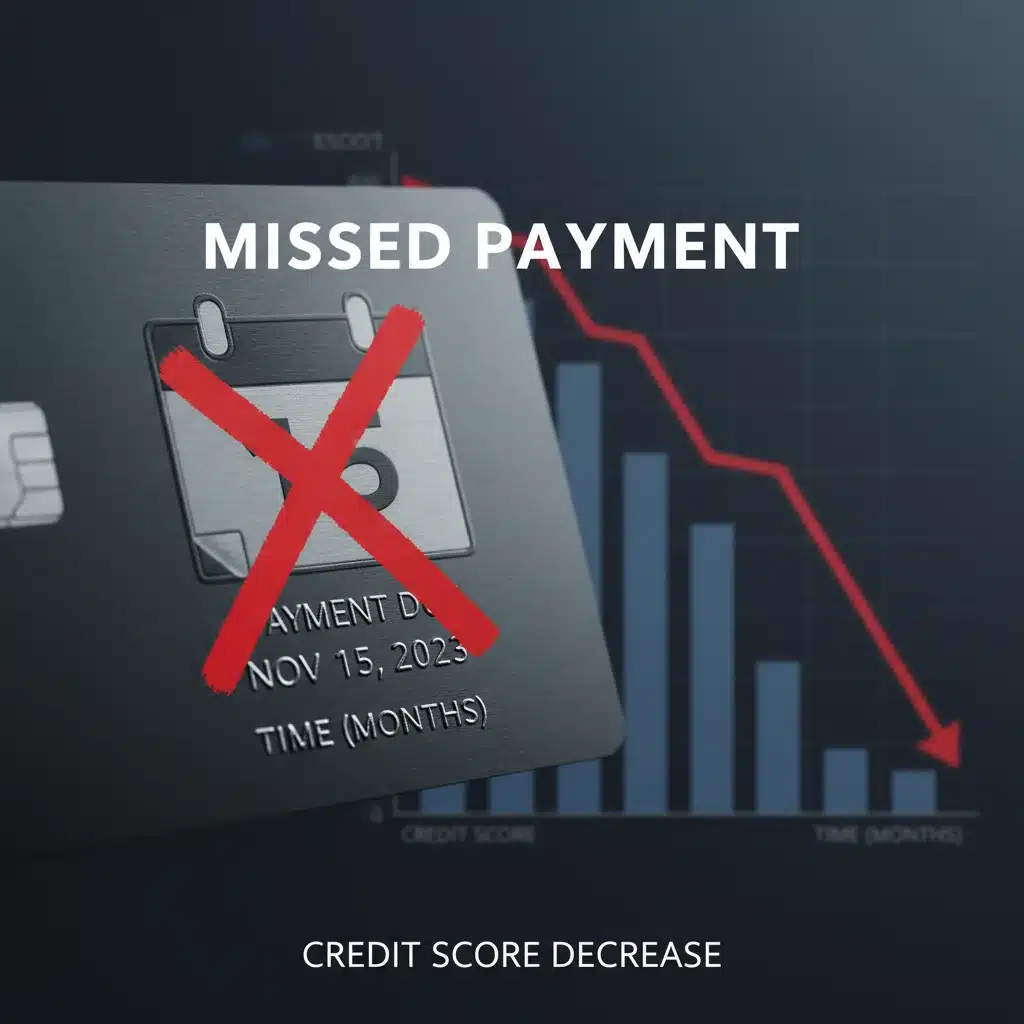
The Power of Payment History: Why One Missed Payment Can Drop Your Score by 60 Points
In the intricate world of personal finance, few factors hold as much sway as your credit score. This three-digit number is a powerful gatekeeper, dictating your access to loans, mortgages, credit cards, and even influencing insurance premiums and rental applications. While many elements contribute to its calculation, one stands head and shoulders above the rest in terms of impact: your payment history. It’s the cornerstone of your financial reputation, and a single misstep – a solitary missed payment – can send your credit score plummeting by 60 points or more, creating ripples that can affect your financial life for years to come. Understanding this critical dynamic is not just beneficial; it’s essential for anyone looking to build and maintain a robust financial future.
This article delves deep into the profound influence of payment history on your credit score, unraveling why a seemingly minor oversight can have such a devastating effect. We’ll explore the mechanics behind credit scoring models, illustrate the typical impact of a missed payment, and provide actionable strategies to prevent such occurrences and mitigate their fallout. By the end, you’ll have a clear understanding of the power of consistent, on-time payments and the vigilance required to protect your most valuable financial asset.
Understanding the Cornerstone: What is Payment History?
At its core, payment history is a detailed record of how you’ve repaid your debts over time. It’s the first and most critical component that credit reporting agencies (like Experian, Equifax, and TransUnion) and credit scoring models (like FICO and VantageScore) scrutinize when assessing your creditworthiness. Think of it as your financial report card – every loan, every credit card, every bill you’ve ever paid (or not paid) on time contributes to this history.
The Weight of Payment History in Credit Scoring Models
Why is payment history so crucial? Because it directly reflects your reliability as a borrower. Lenders want to know if you’ll pay them back as agreed. Your past behavior is the strongest predictor of your future behavior. This fundamental principle is why payment history accounts for a staggering 35% of your FICO score, the most widely used credit scoring model. No other factor even comes close to this level of influence.
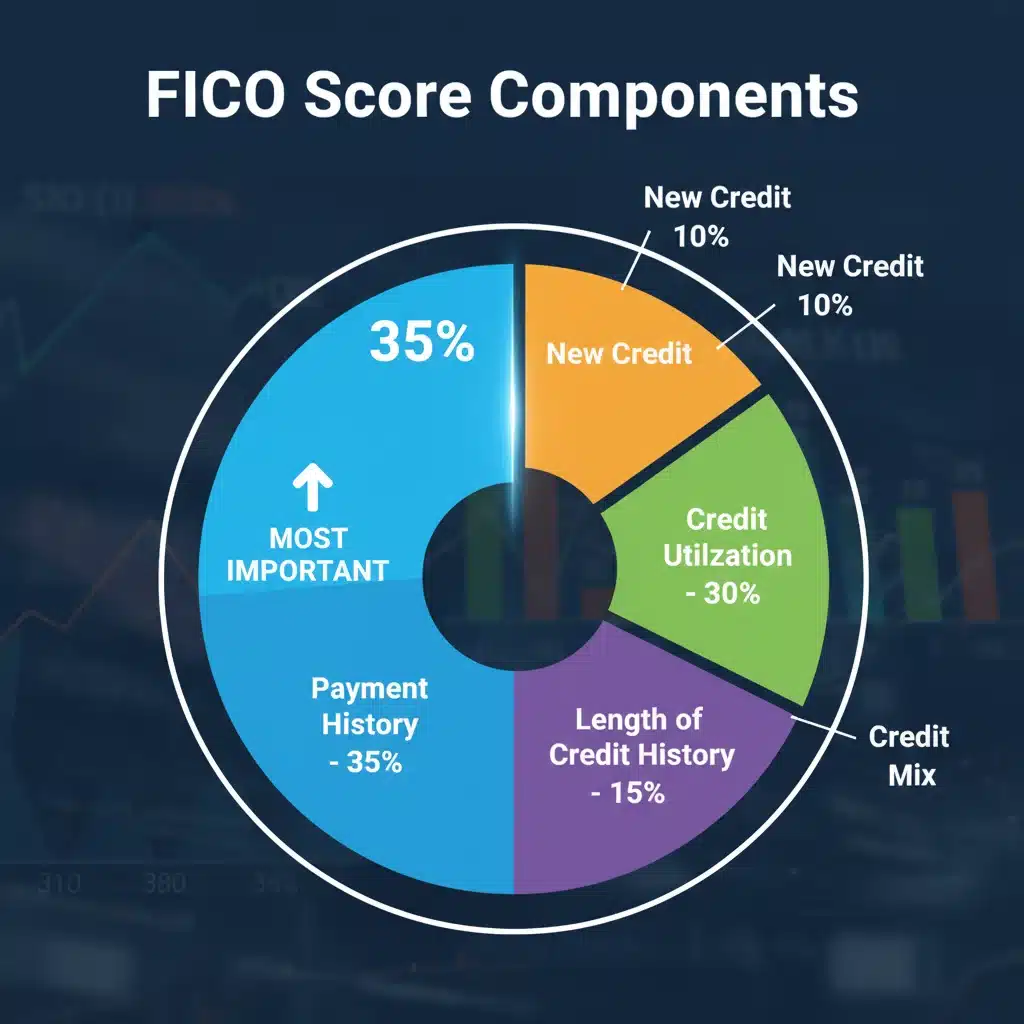
Let’s break down the FICO score components:
- Payment History (35%): This is the big one. It looks at whether you’ve paid your bills on time, if you have any late payments, collections, bankruptcies, or foreclosures.
- Amounts Owed (30%): This refers to your credit utilization – how much credit you’re using compared to your total available credit. Keeping this low (ideally below 30%) is key.
- Length of Credit History (15%): The older your accounts, the better. It shows a long track record of responsible borrowing.
- New Credit (10%): Opening too many new accounts in a short period can be seen as risky.
- Credit Mix (10%): Having a healthy mix of different types of credit (e.g., credit cards, installment loans, mortgages) can be beneficial.
As you can see, a significant portion of your credit score is directly tied to your ability to make payments on time. This isn’t just about major loans; it includes credit cards, car loans, mortgages, student loans, and sometimes even utility bills or rent if reported to credit bureaus.
The Avalanche Effect: How One Missed Payment Can Drop Your Score by 60 Points
Now, let’s get to the crux of the matter: the dramatic impact of a single missed payment. It’s not an exaggeration to say that one late payment can cause your credit score to tumble by 60 points or even more. The exact drop depends on several factors, primarily your starting credit score and the severity of the late payment.
Factors Influencing the Score Drop:
- Your Starting Credit Score: Paradoxically, the higher your credit score, the more it has to lose. If you have an excellent credit score (760+), a single 30-day late payment could easily knock off 60-100 points. If your score is already lower (e.g., in the 600s), the drop might be less dramatic in terms of raw points, but still significant in percentage terms and its impact on your ability to secure credit.
- Severity of Lateness: Credit reporting typically occurs in tiers: 30 days late, 60 days late, 90 days late, and so on. A 30-day late payment is bad, but a 60-day or 90-day late payment is progressively worse and will inflict even greater damage. Once a payment is 90 days late, it might move into collections, which is a major red flag.
- Frequency of Lateness: Is this your first late payment ever, or are you habitually late? A solitary, isolated late payment might be forgiven more easily over time than a pattern of missed payments. However, even the first one leaves a mark.
- Age of the Late Payment: The impact of a late payment diminishes over time, but it remains on your credit report for seven years. Its severity is highest in the first year or two after it occurs.
- Number of Accounts Affected: If you miss payments on multiple accounts simultaneously, the damage is compounded.
An Illustrative Scenario:
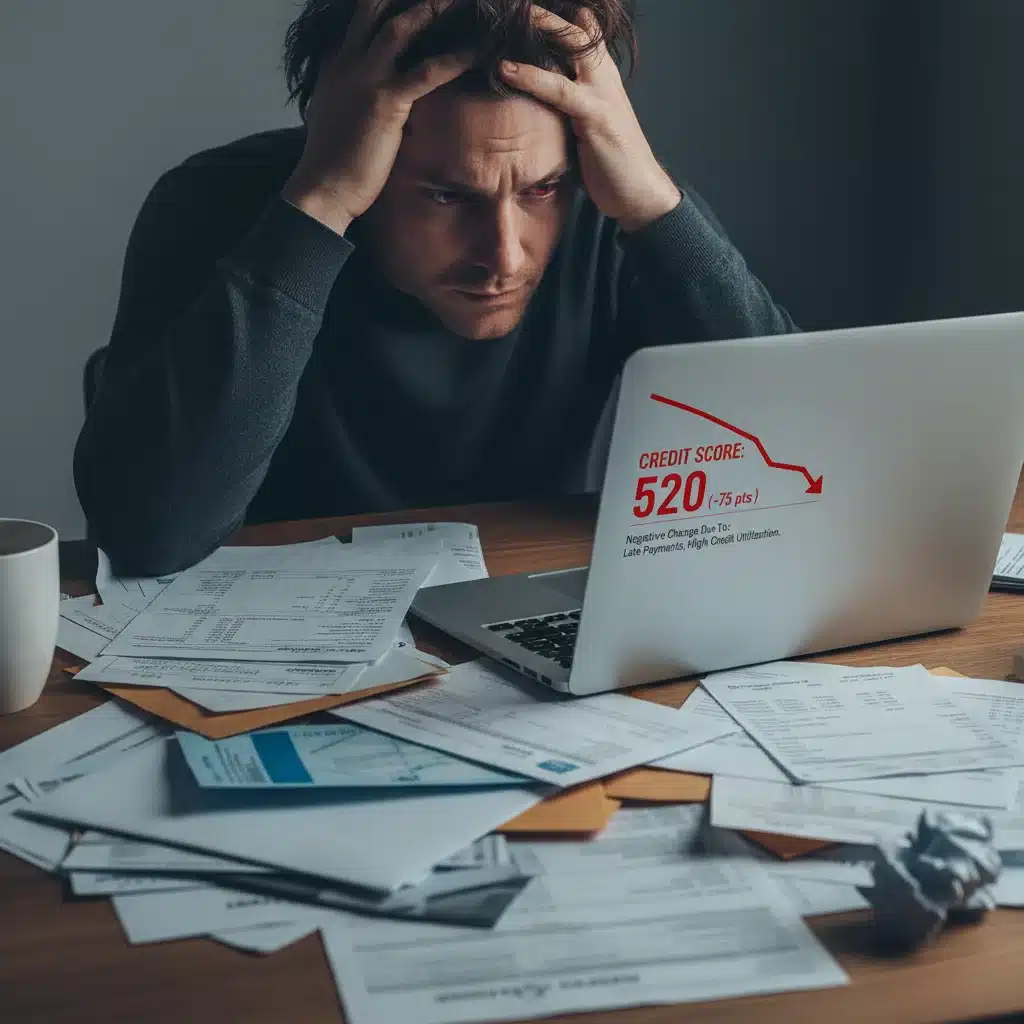
Imagine you have an excellent credit score of 780. You forget to pay your credit card bill, and it goes 30 days past due before you catch it. That single oversight could easily reduce your score to the 700-720 range. While still considered a good score, it’s a significant downgrade that could affect interest rates on future loans or even eligibility for certain premium credit products. For someone with a good score of 720, a similar missed payment could push them into the fair credit category (below 670), making credit significantly more expensive or harder to obtain.
The Ripple Effect: Beyond Just the Score
The consequences of a missed payment extend far beyond the immediate drop in your credit score. This single negative mark can trigger a series of unfortunate events that impact various aspects of your financial life.
Increased Interest Rates
Lenders view missed payments as a sign of increased risk. Even if your score doesn’t plummet to a ‘bad’ category, the presence of a late payment on your report can lead to higher interest rates on new loans and credit cards. Existing credit card accounts might even trigger a ‘penalty APR,’ where your interest rate skyrockets, making it much harder to pay down your debt.
Difficulty Obtaining New Credit
Applying for a mortgage, car loan, or even a new credit card becomes significantly harder with a recent missed payment on your record. Lenders will see this and may deny your application or offer less favorable terms. This can delay major life milestones, such as buying a home or a new car.
Higher Insurance Premiums
In many states, insurance companies use credit-based insurance scores to help determine your premiums for auto and home insurance. A lower credit score due to a missed payment could result in you paying more for essential insurance coverage.
Rental Applications and Utilities
Landlords often check credit reports as part of their tenant screening process. A poor payment history can make it difficult to secure a rental property. Similarly, utility companies (electricity, gas, water, internet) may require a larger security deposit or even deny service if your credit history indicates a high risk of non-payment.
Employment Opportunities
While less common, some employers, particularly those in financial roles or positions requiring security clearance, may conduct credit checks. While they cannot see your actual credit score, they can see your credit report, and a history of missed payments could be a red flag regarding your responsibility and reliability.
Preventing Missed Payments: Proactive Strategies
Given the severe repercussions, the best defense against a missed payment is a strong offense. Implementing proactive strategies can significantly reduce your risk.
1. Automate Your Payments
This is arguably the most effective strategy. Set up automatic payments for all your recurring bills, especially those that report to credit bureaus (credit cards, loans, mortgages). Most banks and creditors offer this service. You can set it to pay the minimum due or the full statement balance, ensuring you never miss a deadline.
2. Set Up Reminders and Alerts
Even with automation, it’s wise to have backup reminders. Many financial institutions offer email or text alerts when a payment is due or if an automatic payment fails. You can also use calendar apps or third-party budgeting tools to send you reminders a few days before each due date.
3. Consolidate Your Bills
If you have multiple credit cards or loans with different due dates, it can be challenging to keep track. Consider consolidating high-interest credit card debt into a personal loan with a single monthly payment, or explore balance transfer options to simplify your payment schedule.
4. Create a Budget and Stick to It
A well-structured budget helps you understand your income and expenses, ensuring you have enough funds available to cover all your payments. When you know exactly where your money is going, you’re less likely to be caught off guard by an unexpected bill.
5. Maintain an Emergency Fund
Life happens. Unexpected expenses – a car repair, a medical bill, a job loss – can derail even the best financial plans. An emergency fund provides a buffer, allowing you to cover these costs without having to choose between paying a bill and covering an essential expense, thus preventing late payments.
6. Understand Your Due Dates
Know exactly when each of your bills is due. If possible, adjust due dates to align with your paychecks to make budgeting easier. Many creditors allow you to change your payment due date.
Mitigating the Damage: What to Do After a Missed Payment
If, despite your best efforts, you do miss a payment, it’s not the end of the world. Immediate action can help mitigate the damage.
1. Pay Immediately
As soon as you realize you’ve missed a payment, pay it in full. The sooner you pay, the less severe the impact. If you pay before it’s reported as 30 days late, it might not even appear on your credit report.
2. Contact Your Creditor
Call your creditor immediately and explain the situation. If this is your first late payment, and you have a good payment history with them, they might be willing to waive the late fee and, more importantly, refrain from reporting the late payment to the credit bureaus. Be polite, explain why you missed it, and ask if they can make an exception.
3. Request a “Goodwill Deletion”
If the late payment has already been reported, you can write a “goodwill letter” to your creditor. In this letter, you explain the circumstances of the late payment, emphasize your otherwise excellent payment history, and politely request that they remove the negative mark from your credit report as a gesture of goodwill. This is more likely to succeed if it’s an isolated incident and you’ve been a long-standing, responsible customer.
4. Monitor Your Credit Report
Regularly check your credit reports from all three major bureaus (Experian, Equifax, TransUnion) to ensure the information is accurate. You can get a free copy of your credit report from each bureau once a year at AnnualCreditReport.com. Look for the missed payment and verify the reporting date and severity. If there’s an error, dispute it immediately.
5. Rebuild Your Payment History
The best way to overcome a missed payment is to establish a consistent pattern of on-time payments going forward. Every month you pay on time helps to dilute the impact of the past negative mark. Over time, as the late payment ages, its influence on your score will diminish, especially if it’s surrounded by years of perfect payments.
Long-Term Strategies for Excellent Payment History
Building and maintaining an excellent payment history is a marathon, not a sprint. It requires consistent effort and smart financial habits. Here are some long-term strategies:
1. Diversify Your Credit Mix Responsibly
While not as impactful as payment history, a healthy mix of credit accounts (e.g., a credit card and an installment loan) can contribute positively. However, only take on new credit you genuinely need and can afford to manage. Don’t open accounts just for the sake of diversification.
2. Keep Credit Utilization Low
Aim to keep your credit card balances below 30% of your available credit, ideally even lower (10% or less is excellent). High utilization can signal to lenders that you’re over-reliant on credit, even if you make payments on time.
3. Be Mindful of New Credit Applications
Each time you apply for new credit, a hard inquiry is placed on your report, which can temporarily ding your score. Space out your applications and only apply for credit when necessary.
4. Review Your Credit Report Regularly
Make it a habit to check your credit reports annually from each bureau. This helps you spot errors that could be dragging down your score and allows you to monitor the impact of your payment behavior. Many credit card companies and banks now offer free access to your FICO or VantageScore, which is a great way to track your progress.
5. Seek Professional Help if Needed
If you find yourself overwhelmed by debt and struggling to make payments, consider reaching out to a non-profit credit counseling agency. They can help you create a budget, negotiate with creditors, and develop a debt management plan to get you back on track.
Conclusion: Your Payment History, Your Financial Future
The message is clear: your payment history is the single most important determinant of your creditworthiness. A single missed payment is not just a minor oversight; it’s a significant financial event that can drop your credit score by 60 points or more, triggering a cascade of negative consequences that can impact your ability to borrow, your interest rates, and even your daily life. The power of consistent, on-time payments cannot be overstated.
By understanding the profound impact of this factor and implementing proactive strategies to ensure timely payments, you are not just protecting a number; you are safeguarding your financial future. Vigilance, automation, budgeting, and quick action in case of a slip-up are your best allies in maintaining a strong credit profile. Cultivate excellent payment habits, and you’ll unlock better financial opportunities, lower costs, and greater peace of mind for years to come.