Navigating Interest Rate Hikes: Impact on Credit Utilization in 2026

Navigating Interest Rate Hikes: Impact on Credit Utilization in 2026
As we move further into the 2020s, the economic landscape continues to evolve, presenting both opportunities and challenges for consumers. One of the most significant factors influencing personal finance in recent years has been the series of interest rate hikes implemented by central banks globally. These adjustments, initially aimed at curbing inflation, have far-reaching implications that extend beyond just loan repayments, profoundly affecting various aspects of our financial lives, including our credit utilization ratio. Understanding how these rate increases will continue to shape our financial realities in 2026 is crucial for maintaining a healthy credit profile and overall financial well-being.
The term ‘credit utilization’ might sound technical, but its impact is very real and tangible. It’s a critical component of your credit score, representing the amount of credit you’re currently using compared to the total credit available to you. A lower utilization ratio generally indicates better financial health and responsibility, leading to a higher credit score. Conversely, a high ratio can signal financial distress to lenders, potentially lowering your score and making it harder to access credit in the future. In the context of rising interest rates, managing your credit utilization 2026 becomes an even more intricate dance, requiring careful planning and proactive strategies.
This comprehensive guide will delve into the mechanisms through which interest rate hikes influence your credit utilization, explore the broader economic outlook for 2026, and provide actionable strategies to not only mitigate potential negative impacts but also to optimize your credit health. By the end of this article, you will have a clearer understanding of how to navigate these financial waters successfully, ensuring your credit remains strong even in a shifting economic climate.
The Basics of Credit Utilization: A Refresher
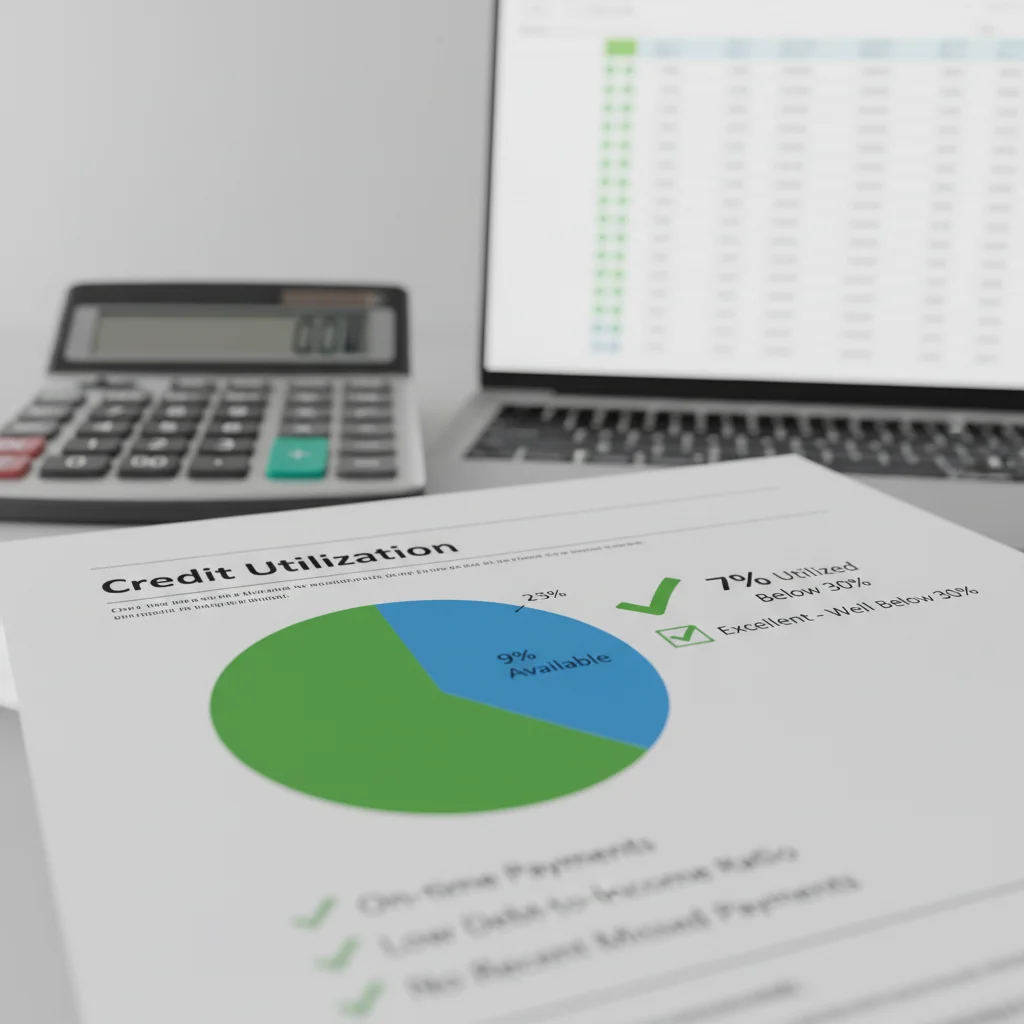
Before we explore the intricate connection between interest rates and your credit utilization, let’s establish a solid understanding of what credit utilization truly entails. Your credit utilization ratio, often referred to as the credit utilization rate, is a percentage calculated by dividing your total outstanding credit card balances by your total available credit limit across all your credit cards and lines of credit. For instance, if you have a combined credit limit of $10,000 and you currently owe $3,000, your credit utilization ratio is 30% ($3,000 / $10,000 = 0.30 or 30%).
Why is Credit Utilization So Important?
Credit utilization is a major factor in most credit scoring models, including FICO and VantageScore. It typically accounts for around 30% of your overall credit score, making it the second most influential factor after payment history. Lenders view a high utilization ratio as a red flag, indicating that you might be over-reliant on credit or struggling to manage your debts. This perception can lead to:
- Lower Credit Scores: A higher ratio can significantly drop your credit score, making it harder to qualify for new loans or credit cards.
- Higher Interest Rates: If you do qualify for credit with a high utilization, lenders are likely to offer you less favorable terms, including higher interest rates, because you’re perceived as a greater risk.
- Reduced Access to Credit: Lenders might be hesitant to extend additional credit to you if they see you’re already maxing out your existing lines.
Financial experts generally recommend keeping your credit utilization ratio below 30% to maintain a good credit score. For excellent scores, aiming for under 10% is often advised. This benchmark remains a cornerstone of sound financial management, and its importance is amplified when considering the economic shifts projected for 2026.
The Ripple Effect: How Interest Rate Hikes Influence Credit Utilization
Now, let’s connect the dots. How do rising interest rates, which seem to primarily affect borrowing costs, ultimately impact your credit utilization ratio? The relationship is multifaceted and often indirect, but profoundly significant.
Increased Cost of Debt
The most direct impact of interest rate hikes is on the cost of carrying debt. When the prime rate increases, variable-rate credit products, such as credit cards and some lines of credit, see their Annual Percentage Rates (APRs) rise. This means that for the same outstanding balance, you’ll be paying more in interest each month. If you’re only making minimum payments, a larger portion of your payment will go towards interest, and less towards reducing the principal balance. This slower principal reduction means your outstanding balance stays higher for longer, directly impacting your credit utilization ratio.
Reduced Purchasing Power and Increased Reliance on Credit
Higher interest rates are often a tool to combat inflation. While they can be effective, they also tend to slow down economic growth and can lead to higher prices for goods and services. This erosion of purchasing power can force consumers to rely more heavily on credit cards to cover everyday expenses or unexpected costs. If your income isn’t keeping pace with inflation and the rising cost of living, you might find yourself increasing your credit card balances, thereby pushing up your utilization ratio.
Stagnant or Reduced Credit Limits
In an environment of rising interest rates and potential economic slowdown, lenders tend to become more cautious. They might be less inclined to increase credit limits for existing customers or might even reduce limits for those perceived as higher risk. If your credit limit is reduced while your outstanding balance remains the same or increases, your credit utilization ratio will automatically go up, even if you haven’t spent more. This is a critical factor to monitor as we approach 2026, as credit providers may adjust their risk assessment models.
Impact on Other Debts
While credit utilization primarily focuses on revolving credit, the overall burden of debt can indirectly affect it. Higher interest rates on other loans, such as mortgages or auto loans, mean higher monthly payments. This can squeeze your budget, leaving less disposable income to pay down credit card debt. The inability to aggressively pay down credit card balances will contribute to a higher utilization ratio.
The Economic Outlook for 2026 and Your Credit
Projecting the economic landscape for 2026 involves considering various global and domestic factors. While no one has a crystal ball, current trends suggest a continued period of adjustment following the significant interest rate changes of the preceding years. Understanding these broader economic forces is essential for personal financial planning, particularly concerning your credit utilization 2026.
Inflation and Monetary Policy
Central banks’ primary goal in raising rates has been to bring inflation back to target levels. By 2026, we might see inflation stabilizing, but the cumulative effect of past rate hikes will still be felt. This could mean a period of slower economic growth, potentially affecting job markets and wage increases. If inflation remains stubbornly high or if economic growth is weaker than expected, there could be further pressure on household budgets, making it harder to avoid increasing credit card balances.
Lending Standards and Consumer Credit
As mentioned, lenders generally tighten their standards during periods of economic uncertainty or higher interest rates. This could manifest as more stringent eligibility requirements for new credit, lower credit limits, and fewer promotional offers. For consumers, this means that maintaining a pristine credit profile, with a low credit utilization ratio, will be even more critical to access favorable credit terms in 2026.
Technological Advancements and Financial Tools
On a more positive note, 2026 will likely see further advancements in financial technology. Budgeting apps, credit monitoring services, and AI-powered financial advisors will become even more sophisticated, offering consumers better tools to manage their finances proactively. Leveraging these technologies can be a significant advantage in monitoring and optimizing your credit utilization.
Strategies to Optimize Your Credit Utilization in 2026
Given the potential challenges posed by ongoing interest rate shifts, proactive management of your credit utilization is paramount. Here are actionable strategies you can implement to maintain a healthy credit profile in 2026 and beyond:
1. Pay Down Balances Aggressively
This is the most direct and effective way to lower your credit utilization. Focus on paying more than the minimum payment, especially on cards with high balances and high interest rates. Consider the “debt avalanche” method (paying off highest interest debt first) or the “debt snowball” method (paying off smallest debt first) to gain momentum.
2. Make Multiple Payments Per Month
Your credit utilization is often reported to credit bureaus based on your statement closing date. If you make a payment mid-cycle, your reported balance will be lower. Making several smaller payments throughout the month can help keep your reported balance low, even if you use your card frequently. This strategy is particularly effective for those who use their credit cards for everyday spending but pay them off quickly.
3. Request a Credit Limit Increase (Cautiously)
A higher credit limit, with the same outstanding balance, will automatically lower your utilization ratio. However, this strategy comes with a caveat: only request an increase if you trust yourself not to spend more. A credit limit increase might involve a ‘hard inquiry’ on your credit report, which can temporarily ding your score. Ensure your payment history is excellent before making such a request.
4. Open a New Credit Card (Strategically)
Adding a new credit card can increase your total available credit, thereby lowering your utilization ratio. This strategy, however, should be approached with extreme caution. Opening a new account also involves a hard inquiry, and if you’re not disciplined, it can lead to more debt. Only consider this if you have excellent credit, a solid financial plan, and the ability to manage new credit responsibly without increasing spending.
5. Monitor Your Credit Report Regularly
Regularly checking your credit report (you’re entitled to a free report from each of the three major bureaus annually) allows you to identify any errors that might be inflating your reported balances or reducing your available credit. It also helps you stay aware of your current utilization and track your progress. Many credit card companies and financial apps now offer free credit score and utilization monitoring.
6. Understand Your Statement Closing Dates
As mentioned, the balance reported to credit bureaus is typically the one on your statement closing date. If you can, try to pay down your balance significantly a few days before this date to ensure a lower reported utilization. This small timing adjustment can have a disproportionately positive effect on your score.
7. Consolidate High-Interest Debt
If you have multiple credit card balances with high interest rates, consider consolidating them into a lower-interest personal loan or a balance transfer credit card with a 0% introductory APR. While this doesn’t directly reduce your utilization on the original cards (it just shifts the debt), it can make your debt more manageable, freeing up cash flow to pay down the principal faster and ultimately improve your overall debt-to-income ratio and utilization.
The Broader Impact: Beyond Your Credit Score
While a healthy credit utilization ratio is crucial for your credit score, the implications of managing it effectively in a high-interest environment extend beyond just a number. It influences your overall financial health and future opportunities.
Access to Favorable Loans and Mortgages
A strong credit score, buoyed by a low utilization ratio, will be your gateway to more favorable interest rates on mortgages, auto loans, and personal loans in 2026. Even a fraction of a percentage point difference in interest can save you thousands over the life of a loan.
Insurance Premiums
In many regions, insurance companies use credit-based insurance scores to determine premiums for auto and home insurance. A higher credit score, positively impacted by good utilization, can lead to lower insurance costs.
Rental Applications and Employment Screening
Landlords and even some employers may check your credit history. A responsible credit profile, reflecting low utilization, can be a significant advantage when applying for housing or certain jobs, demonstrating your reliability and financial responsibility.
Financial Peace of Mind
Perhaps the most invaluable benefit is the peace of mind that comes with knowing you are in control of your finances. Reducing reliance on credit and managing your utilization effectively means less stress, more financial flexibility, and a stronger foundation for future financial goals.
Common Misconceptions About Credit Utilization
To effectively manage your credit utilization 2026, it’s important to dispel some common myths:
- Myth: Closing Old Credit Cards Helps Your Utilization. While it might seem intuitive, closing an old credit card can actually harm your utilization ratio because it reduces your total available credit. Unless there’s a compelling reason (like a card with an annual fee you no longer want), it’s often better to keep old accounts open, especially if they have a long history and high credit limits.
- Myth: Carrying a Small Balance is Good for Your Score. Some believe that carrying a small balance month-to-month shows active credit use and helps your score. This is false. Paying your balance in full each month is always the best strategy. It avoids interest charges and ensures your reported utilization is as low as possible.
- Myth: All Revolving Accounts Affect Utilization Equally. While credit cards are the primary focus, other revolving accounts like lines of credit also contribute. However, installment loans (like mortgages or auto loans) do not directly factor into your credit utilization ratio.
Preparing for 2026 and Beyond
The financial landscape is dynamic, and while we can anticipate certain trends, unforeseen economic shifts are always possible. Therefore, building resilient financial habits is key. Focus on creating a robust budget that accounts for potential increases in living costs and interest payments. Build an emergency fund to cover unexpected expenses, reducing the need to rely on credit cards during tough times. Continuously educate yourself on personal finance and market trends to make informed decisions.
As interest rates continue to play a significant role in the economy leading up to and through 2026, understanding and actively managing your credit utilization ratio will be more important than ever. It’s not just about avoiding penalties; it’s about leveraging your financial knowledge to build a stronger, more secure future. By implementing the strategies outlined in this guide, you can ensure your credit remains a powerful asset, helping you achieve your financial goals in the evolving economic climate.
Conclusion: Mastering Your Credit Utilization in a High-Interest Era
The journey through 2026 will undoubtedly present its own set of economic challenges, particularly concerning the lingering effects of interest rate hikes. However, with a clear understanding of how these macro-economic forces translate into personal financial impacts, especially on your credit utilization ratio, you are well-equipped to navigate these waters successfully. The key lies in proactive management, consistent monitoring, and disciplined financial habits.
Remember, your credit utilization is a powerful indicator of your financial health, influencing not just your credit score but also your access to future credit, loan terms, and even insurance premiums. By prioritizing aggressive debt reduction, strategic use of available credit, and regular credit report reviews, you can maintain an optimal utilization ratio. This, in turn, will safeguard your credit score and ensure you remain in a strong financial position, regardless of the broader economic climate.
Embrace the tools and strategies available to you, stay informed about market conditions, and make conscious decisions about your spending and debt repayment. Doing so will not only mitigate the risks associated with rising interest rates but will also empower you to build a resilient financial future, making your credit an asset that works for you in 2026 and for many years to come. Your financial well-being is an ongoing journey, and mastering your credit utilization is a crucial step on that path.