Budgeting for Inflation 2026: Mastering a 4% Cost of Living Increase

The economic landscape is in constant flux, and as we look ahead to 2026, the specter of inflation continues to loom large. For many, the idea of a 4% cost of living increase can seem daunting, threatening to erode purchasing power and strain household budgets. However, with proactive planning and strategic adjustments, it is entirely possible to not only absorb such an increase but also maintain, and even improve, your financial well-being. This comprehensive guide will delve into the intricacies of budgeting for inflation in 2026, offering actionable insights and practical strategies to help you navigate these economic shifts.
Understanding the Nature of Inflation in 2026
Before we can effectively budget, it’s crucial to understand what inflation means for you specifically in the context of 2026. Inflation, broadly defined, is the rate at which the general level of prices for goods and services is rising, and consequently, the purchasing power of currency is falling. A 4% cost of living increase means that, on average, the goods and services you regularly consume will cost 4% more than they did the previous year. This isn’t a uniform increase across all sectors; some areas, like housing, energy, or specific consumer goods, might see higher jumps, while others remain relatively stable.
Several factors could contribute to a 4% inflation rate in 2026. These might include:
- Supply Chain Disruptions: Ongoing global events or new geopolitical tensions could continue to impact supply chains, leading to higher production and transportation costs that are passed on to consumers.
- Wage Growth: A tight labor market and increased demand for workers could lead to higher wages, which, while beneficial for employees, can also contribute to inflationary pressures as businesses pass on these increased labor costs.
- Monetary Policy: Central bank decisions regarding interest rates and money supply significantly influence inflation. Expansionary policies can fuel inflation, while contractionary measures aim to curb it. Predicting these moves accurately for 2026 is challenging but essential for context.
- Geopolitical Events: Conflicts, trade wars, or political instability in key regions can disrupt global markets, affecting commodity prices (like oil and food) and contributing to inflation.
- Consumer Demand: Strong consumer demand, potentially fueled by accumulated savings or government stimulus, can outpace supply, driving up prices.
Understanding these potential drivers helps in anticipating which categories of your budget might be most affected when budgeting for inflation.
The Core Principles of Budgeting for Inflation
Effective budgeting for inflation isn’t just about cutting expenses; it’s about optimizing your financial resources to maintain your lifestyle and financial goals despite rising costs. Here are the core principles:
1. Accurate Tracking of Income and Expenses
The foundation of any good budget is a clear understanding of where your money comes from and where it goes. This becomes even more critical when facing inflation. Use budgeting apps, spreadsheets, or even pen and paper to meticulously track every dollar. Categorize your expenses to identify areas where costs are rising the fastest and where you might have room for adjustment. Don’t just look at monthly averages; analyze spending patterns over several months to spot trends.
2. Differentiating Between Needs and Wants
In an inflationary environment, the distinction between needs and wants becomes sharper. Needs are essential for survival and basic living (housing, food, utilities, transportation to work, healthcare). Wants are discretionary items that improve your quality of life but are not strictly necessary (dining out, entertainment, luxury purchases, subscriptions you rarely use). Identifying these allows you to prioritize spending and make informed cuts if necessary.
3. Proactive Adjustment and Flexibility
A budget isn’t a static document; it’s a living tool. When budgeting for inflation, you must be prepared to adjust it regularly. Review your budget monthly, or even weekly, to account for rising prices. Be flexible and willing to adapt your spending habits as economic conditions evolve. This might mean switching brands, finding alternative services, or delaying certain purchases.
4. Focusing on Increasing Income and Savings
While cutting expenses is important, increasing your income and savings provides a more robust defense against inflation. Explore opportunities for salary raises, side hustles, or investment income. Simultaneously, prioritize building an emergency fund that can cover at least 6-12 months of essential expenses, as this provides a critical buffer against unexpected cost increases.
Practical Strategies for Absorbing a 4% Cost of Living Increase
Re-evaluating Your Current Budget Categories
Let’s break down how a 4% increase might impact different areas of your budget and what you can do about it.
Housing (Rent/Mortgage, Utilities, Maintenance)
Housing costs are often the largest portion of a budget. While mortgages are typically fixed, property taxes, insurance, and maintenance costs can rise. Rent can also increase significantly. Utilities (electricity, gas, water) are almost guaranteed to see price hikes during inflationary periods.
- Actionable Steps:
- Energy Efficiency: Invest in energy-efficient appliances, seal drafts, and optimize heating/cooling to reduce utility bills.
- Negotiate Insurance: Shop around for better home insurance rates annually.
- Refinance (if applicable): If interest rates are favorable, consider refinancing your mortgage, though this is less likely to be a primary inflation strategy.
- Consider Downsizing/Roommates: For renters, if increases are unsustainable, exploring cheaper housing options or taking on a roommate might be necessary.
Food and Groceries
Food prices are highly susceptible to inflation due to factors like fuel costs, weather, and supply chain issues. A 4% increase here can quickly add up.
- Actionable Steps:
- Meal Planning: Plan your meals in advance to reduce impulse buys and food waste.
- Shop Sales and Use Coupons: Be diligent about checking weekly flyers and using digital coupons.
- Buy in Bulk (Wisely): Purchase non-perishable items and staples in bulk when prices are good, but avoid buying too much of items that might spoil.
- Cook at Home: Significantly reduce dining out and takeout, which are often marked up considerably.
- Grow Your Own: Even a small herb garden can save money and provide fresh produce.
- Generic Brands: Opt for store-brand or generic products, which often offer similar quality at a lower price.
Transportation
Fuel costs, vehicle maintenance, and public transport fares can all increase. This is a significant area for many households.
- Actionable Steps:
- Optimize Driving: Combine errands, carpool, and use public transportation or cycling where possible.
- Fuel Efficiency: Maintain your vehicle regularly to ensure optimal fuel efficiency.
- Shop for Insurance: Regularly compare car insurance quotes.
- Consider Alternatives: If feasible, explore walking, biking, or remote work options to reduce commuting costs.
Healthcare
Healthcare costs consistently outpace general inflation. Premiums, deductibles, and prescription costs can all rise.
- Actionable Steps:
- Review Plans Annually: During open enrollment, thoroughly review your health insurance options to ensure you have the most cost-effective plan for your needs.
- Preventive Care: Stay on top of preventive care to avoid more costly health issues down the line.
- Generic Prescriptions: Always ask your doctor about generic alternatives for medications.
- HSA/FSA Utilization: Maximize contributions to Health Savings Accounts (HSAs) or Flexible Spending Accounts (FSAs) for tax advantages on healthcare expenses.
Discretionary Spending (Entertainment, Hobbies, Dining Out)
This is often the first place to look for cuts when budgeting for inflation.
- Actionable Steps:
- Prioritize: Decide which discretionary activities bring you the most value and cut back on others.
- Free/Low-Cost Entertainment: Explore parks, libraries, free community events, and home-based entertainment.
- Subscription Audit: Cancel unused subscriptions (streaming services, gym memberships you don’t use, apps).
- DIY: Take on DIY projects instead of hiring professionals for minor home repairs or personal care.
Leveraging Technology for Inflation Budgeting
Modern technology offers powerful tools to assist with budgeting for inflation:
- Budgeting Apps: Apps like Mint, YNAB (You Need A Budget), Personal Capital, or Simplifi can link to your bank accounts, categorize transactions automatically, and provide real-time insights into your spending.
- Price Comparison Tools: Use browser extensions or apps that compare prices across different retailers, especially for groceries and larger purchases.
- Cashback and Rewards Programs: Maximize the use of credit card rewards, cashback apps, and loyalty programs to offset some costs.
- Investment Platforms: Utilize online platforms to manage and monitor your investments, ensuring they are positioned to outpace inflation.
Advanced Strategies: Protecting Your Wealth Against Inflation
Investing Wisely to Outpace Inflation
Simply saving money in a traditional savings account is unlikely to keep pace with a 4% inflation rate, as the interest earned will likely be lower than the rate of price increases. To truly absorb a cost of living increase, you need to make your money work harder.
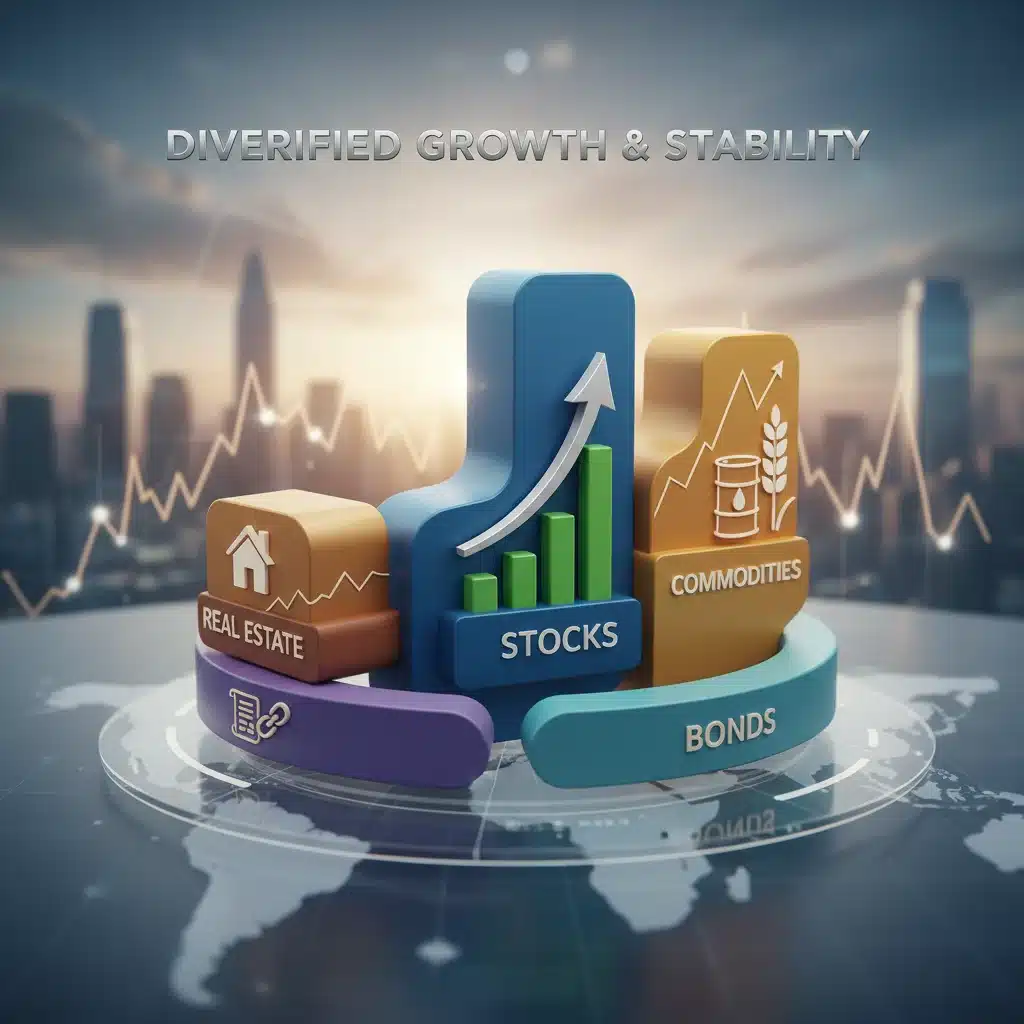
- Inflation-Indexed Securities: Consider Treasury Inflation-Protected Securities (TIPS), which are government bonds that adjust in value with inflation, protecting your principal.
- Stocks: Historically, the stock market has outperformed inflation over the long term. Focus on companies with strong pricing power that can pass on increased costs to consumers without significant loss of demand. Diversify your portfolio across various sectors.
- Real Estate: Real estate can be a good hedge against inflation as property values and rental income tend to rise with inflation. However, this also comes with significant investment and risks.
- Commodities: Gold, silver, and other commodities are often seen as inflation hedges, though their prices can be volatile.
- Dividend Stocks: Companies that consistently pay and grow their dividends can provide a regular income stream that can help offset rising costs.
- Review Your Portfolio: Regularly review your investment portfolio with a financial advisor to ensure it aligns with your risk tolerance and inflation protection goals.
Increasing Your Income Streams
Beyond cutting expenses, increasing your income is arguably the most powerful tool against inflation.
- Negotiate Salary: If you’re employed, prepare to negotiate for regular raises that at least match, if not exceed, the rate of inflation. Highlight your contributions and market value.
- Side Hustles: Explore opportunities for freelance work, consulting, or starting a small business. Leverage your skills to create additional income streams.
- Skill Development: Invest in new skills or certifications that can increase your earning potential in your current role or open doors to higher-paying opportunities.
- Passive Income: Look into creating passive income streams through investments, rental properties, or digital products, though these often require initial capital or significant effort.
Debt Management in an Inflationary Environment
Inflation can impact debt in complex ways. While the real value of fixed-rate debt decreases over time with inflation, variable-rate debt can become more expensive as interest rates rise to combat inflation.
- Prioritize High-Interest Debt: Focus on paying off high-interest consumer debt (credit cards, personal loans) first, as their variable rates can quickly erode your budget.
- Refinance (if possible): If you have variable-rate debt, consider refinancing to a fixed-rate loan if interest rates are still favorable.
- Avoid New Debt: Be extremely cautious about taking on new debt, especially high-interest debt, during periods of high inflation.
Creating Your Personalized 2026 Inflation Budget Plan
Now, let’s put it all together into a concrete plan for budgeting for inflation in 2026.
Step 1: Baseline Your Current Spending
Gather all your financial statements (bank accounts, credit cards) for the past 3-6 months. Categorize every expense. This will give you a realistic picture of your current spending habits. Calculate your total monthly income and expenses.
Step 2: Project the 4% Increase Across Categories
Apply the projected 4% inflation rate to your current expenses. Remember that some categories might see higher or lower increases. For instance, you might estimate a 6-8% increase for groceries and energy, but only 2% for fixed subscriptions you’ve locked in.
Example:
- Current Monthly Groceries: $600
- Projected 4% Increase: $600 * 1.04 = $624
- New Projected Cost: $624
Do this for all variable expense categories.
Step 3: Identify Areas for Adjustment
Compare your new projected expenses with your current income. If your income hasn’t increased by at least 4% (or more, depending on your individual inflation rate), you’ll likely face a deficit. This is where you identify areas to cut or optimize.
- Start with discretionary spending.
- Look for opportunities to reduce fixed costs (e.g., negotiating insurance, canceling unused subscriptions).
- Consider larger changes if necessary (e.g., housing or transportation adjustments).
Step 4: Implement Cost-Saving Measures
Based on your identified areas, put specific cost-saving measures into practice. This might involve:
- Switching to generic brands.
- Cooking more at home.
- Reducing utility consumption.
- Finding cheaper entertainment options.
Step 5: Explore Income-Boosting Strategies
Simultaneously, actively pursue ways to increase your income. This could be negotiating a raise, taking on a side gig, or selling unused items.
Step 6: Automate Savings and Investments
Set up automatic transfers to your savings accounts and investment portfolios. This ‘pay yourself first’ approach ensures that you’re consistently building wealth, which is critical for long-term inflation protection.
Step 7: Regular Review and Adjustment
Your 2026 inflation budget should be reviewed at least quarterly, if not monthly. Prices and your income may change, requiring further adjustments. Stay informed about economic forecasts and adapt your plan accordingly.

The Psychological Impact of Inflation and How to Counter It
Beyond the financial numbers, inflation can have a significant psychological impact. The feeling of constantly paying more for the same goods can lead to stress, anxiety, and a sense of losing control. When budgeting for inflation, it’s important to also address these mental aspects.
- Focus on What You Can Control: While you can’t control the overall inflation rate, you can control your spending habits, saving rate, and income-generating efforts. Empower yourself by focusing on these controllable factors.
- Celebrate Small Wins: Acknowledge and celebrate every successful cost-saving measure or income boost, no matter how small. This positive reinforcement can help maintain motivation.
- Educate Yourself: The more you understand about inflation and economic cycles, the less intimidating they become. Knowledge is power.
- Seek Support: Discuss your financial concerns with trusted friends, family, or a financial advisor. Sharing your challenges can alleviate stress and provide new perspectives.
- Practice Gratitude: In times of financial pressure, it’s easy to focus on what you lack. Practicing gratitude for what you have can improve your overall well-being and resilience.
Long-Term Financial Planning Beyond 2026
While this guide focuses on budgeting for inflation in 2026, it’s crucial to integrate these strategies into a broader long-term financial plan. Inflation is a persistent economic force, and continuously adapting your budget and investments is key to sustained financial health.
- Retirement Planning: Ensure your retirement savings are invested in a way that can outpace inflation, protecting your future purchasing power.
- Education Savings: If you’re saving for education, consider inflation’s impact on tuition fees and adjust your savings goals accordingly.
- Emergency Fund: Regularly review and adjust your emergency fund to ensure it can cover 6-12 months of inflated expenses.
- Estate Planning: While not directly tied to inflation, reviewing your estate plan ensures your assets are protected and distributed according to your wishes, especially as their values change.
Conclusion: Mastering Your Money in an Inflated World
A 4% cost of living increase in 2026 presents a challenge, but it is by no means an insurmountable one. By understanding the forces driving inflation, diligently tracking your finances, making strategic adjustments to your spending, and intelligently investing your money, you can effectively absorb these rising costs. The key to successful budgeting for inflation lies in proactive planning, continuous monitoring, and a flexible mindset. Embrace these strategies, and you won’t just weather the economic changes of 2026; you’ll emerge stronger and more financially resilient.
Start today by reviewing your current financial situation, identifying potential areas of impact, and implementing the steps outlined in this guide. Your financial future in 2026 and beyond depends on the actions you take now.