Automating Your 2026 Budget: Insider Tips for Setting Up 3 Essential Financial Flows
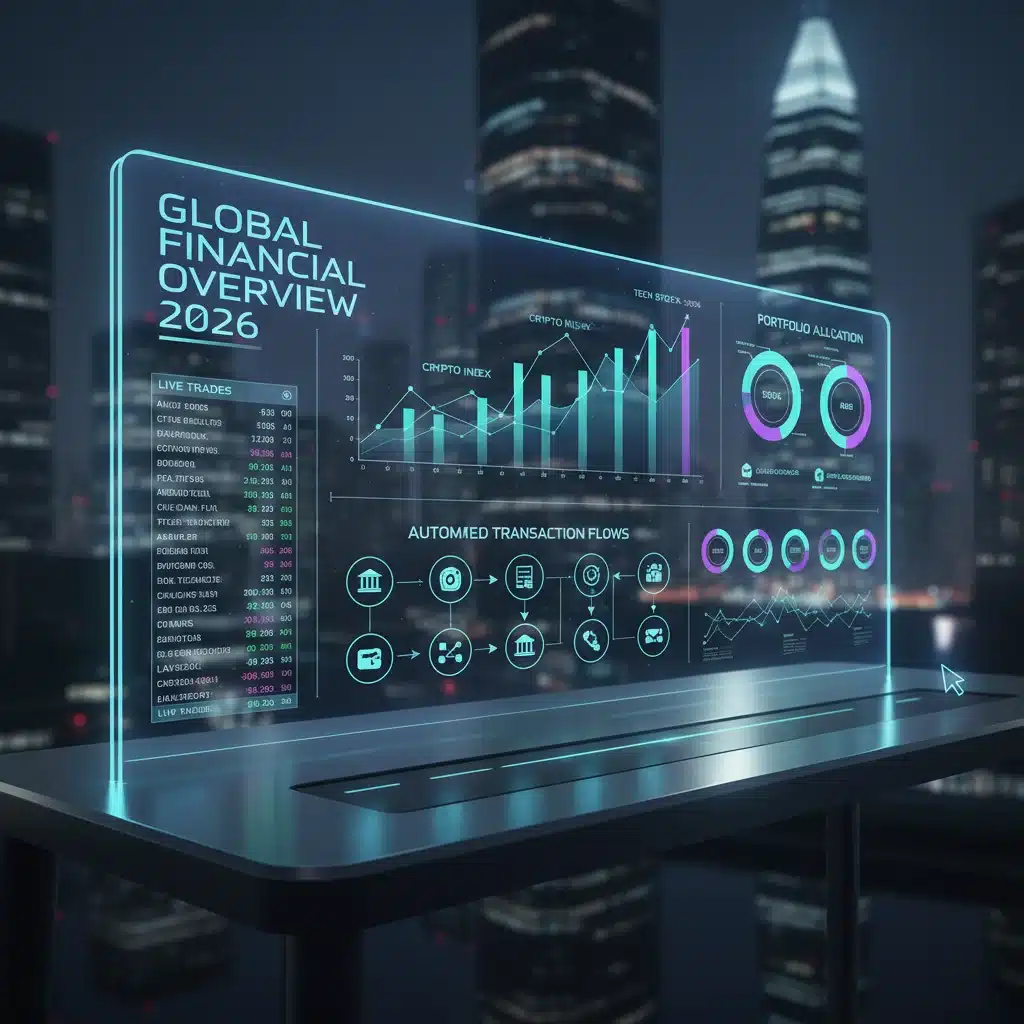
In the rapidly evolving financial landscape, staying ahead means embracing efficiency. For 2026, the key to financial mastery isn’t just about meticulous tracking; it’s about intelligent automation. Imagine a world where your money moves precisely where it needs to go, without you lifting a finger. This isn’t a futuristic fantasy; it’s a tangible reality achievable through strategic planning and the right tools. This comprehensive guide will provide you with insider tips to automate 2026 budget, focusing on setting up three essential financial flows: income, expenses, and savings. By the end of this article, you’ll have a clear roadmap to transform your financial management from a chore into a seamless, automatic process.
The concept of financial automation has gained significant traction, and for good reason. In our busy lives, the mental load of constantly monitoring every dollar can be overwhelming. Manual budgeting often leads to burnout, inconsistencies, and ultimately, a failure to stick to financial goals. By automating your budget, you’re not just delegating tasks; you’re building a resilient financial ecosystem that works for you 24/7. This proactive approach ensures that your financial health is consistently prioritized, allowing you to focus on other aspects of your life while your money grows and is managed effectively.
Many people shy away from automation, fearing a loss of control or the complexity of setting it up. However, modern financial tools and a clear understanding of your financial flows make this process surprisingly straightforward. Our goal here is to demystify budget automation and equip you with practical, actionable steps to implement these strategies for your 2026 budget. Whether you’re a seasoned financial planner or just starting your journey towards financial independence, these insider tips will provide immense value. Let’s dive deep into how you can automate 2026 budget and pave the way for a financially secure future.
Why Automation is Your 2026 Financial Superpower
Before we delve into the ‘how,’ it’s crucial to understand the ‘why.’ Why should you prioritize automation for your 2026 budget? The benefits extend far beyond mere convenience. Automation is a powerful tool that can significantly enhance your financial well-being and accelerate your progress towards financial goals. One of the primary advantages is the elimination of human error. Manual data entry, calculations, and transfers are prone to mistakes that can throw your budget off track. Automated systems, once correctly configured, perform these tasks with precision and consistency, ensuring accuracy in your financial records.
Another significant benefit is the time saved. Think about the hours spent each month categorizing transactions, balancing accounts, and manually transferring funds. By automating these processes, you free up valuable time that can be redirected towards more productive activities, whether it’s learning a new skill, spending time with loved ones, or simply relaxing. This reclaimed time contributes directly to a better work-life balance and reduced financial stress.
Furthermore, automation fosters discipline. It removes the temptation to deviate from your financial plan. When savings transfers happen automatically on payday, you’re less likely to spend that money on impulse purchases. When bills are paid automatically, you avoid late fees and maintain a good credit score. This inherent discipline is a cornerstone of long-term financial success. It builds positive financial habits without requiring constant conscious effort, making it easier to stick to your budget and achieve your goals.
For your 2026 budget, automation also offers enhanced visibility and control. While the processes are automated, you still have oversight. Most automated systems provide dashboards and reports that give you a clear, real-time picture of your financial health. This allows you to quickly identify trends, make informed decisions, and adjust your strategy as needed. It’s about smart control, not relinquishing it. By setting up automated systems, you are essentially building a robust financial fortress around your money, protecting it from common pitfalls and guiding it towards growth.
Finally, and perhaps most importantly, automation helps you achieve financial goals faster. Whether you’re saving for a down payment, retirement, or a child’s education, consistent and automated contributions are far more effective than sporadic manual efforts. The power of compounding interest works best with regular, uninterrupted contributions. By setting up automated savings flows, you ensure that your money is always working for you, steadily growing your wealth over time. This proactive approach to saving and investing is a game-changer for anyone serious about building a strong financial future. To truly automate 2026 budget means embracing these benefits and integrating them into your financial strategy.
Establishing Financial Flow 1: Automated Income Distribution
The first and arguably most critical step to automate 2026 budget is to establish an automated income distribution system. This involves setting up your paycheck or other income sources to automatically flow into different accounts according to your budget. The goal is to ensure that your money is allocated to savings, investments, and necessary expenses before it even hits your primary checking account, thus preventing accidental overspending.
Direct Deposit Allocation
The simplest and most effective way to start is by utilizing direct deposit allocation. Many employers allow you to split your direct deposit into multiple bank accounts. This is a powerful feature often underutilized. Instead of having your entire paycheck go into one checking account, you can direct a portion to your savings account, another to an investment account, and the remainder to your primary checking account for daily expenses. This is the foundation of the ‘pay yourself first’ principle, ensuring that your financial goals are met automatically.
For example, if your monthly income is $4,000 and your goal is to save $800, you can instruct your employer to deposit $800 directly into your high-yield savings account and the remaining $3,200 into your checking account. This way, the savings happen automatically, and you budget with the money that’s left over for expenses. This simple step can dramatically improve your saving habits and accelerate your progress towards financial freedom. Make sure to review your employer’s direct deposit options and set this up as soon as possible for your 2026 financial planning.
Automated Transfers from Checking to Sub-Accounts
If your employer doesn’t offer multiple direct deposit options, or if you have multiple income streams (e.g., freelance work, rental income), you can set up automated transfers from your primary checking account to various sub-accounts. Many banks allow you to schedule recurring transfers on specific dates. You can create sub-accounts for different savings goals (e.g., emergency fund, vacation fund, down payment fund) and even for specific expense categories if you use a ‘envelope’ system digitally.
For instance, once your full paycheck lands in your checking account, you can have your bank automatically transfer a set amount to your emergency fund on the 1st of the month, another amount to your investment account on the 5th, and so on. This method requires a bit more initial setup but offers immense flexibility. It ensures that your money is intentionally distributed and working towards your goals, rather than sitting idly in a single account where it might be easily spent. Regularly reviewing these automated transfers will be key to adapting your 2026 budget to changing financial circumstances.
Utilizing Budgeting Apps for Income Flow Management
Modern budgeting apps and financial management platforms have revolutionized how we manage our money. Many of these tools integrate with your bank accounts and can help you visualize and even automate aspects of your income flow. While they might not directly control direct deposits, they can provide powerful insights and reminders for manual transfers, or even execute transfers themselves if linked properly.
Some advanced apps allow you to create rules for income allocation. For example, if your income fluctuates, you can set a rule that automatically transfers a certain percentage of any incoming funds above a baseline amount to your savings or investment accounts. This is particularly useful for freelancers or those with variable income. The goal is to make the process of income allocation as hands-free as possible, allowing you to focus on earning more rather than constantly managing what you’ve earned. Integrating these tools into your plan to automate 2026 budget can provide a significant edge.
Establishing Financial Flow 2: Automated Expense Management
Once your income is flowing correctly, the next crucial step in your journey to automate 2026 budget is to automate your expense management. This involves setting up systems to pay your bills and manage your spending without constant manual intervention. The objective here is to eliminate late fees, reduce stress, and ensure that your essential obligations are always met on time.
Automating Fixed Bills
Fixed bills are the easiest to automate because they are predictable. This includes rent/mortgage payments, utility bills, loan repayments (car, student, personal), insurance premiums, and subscription services. Most service providers offer an option to set up automatic payments directly from your bank account or credit card. It’s highly recommended to use your bank account for fixed bills to avoid accumulating credit card debt, unless you’re diligent about paying off your credit card in full every month.
When setting up automatic payments, ensure you choose a payment date that aligns with your income schedule. For instance, if you get paid on the 1st and 15th, schedule your rent payment for the 2nd and your car payment for the 16th. This ensures sufficient funds are always available. Keep a master list of all your automated fixed bills, including the amount, due date, and payment method. This list will be invaluable for periodic reviews and adjustments to your 2026 budget. Automating these payments not only saves time but also protects your credit score by preventing missed payments.
Managing Variable Expenses with Automated Transfers and Digital Envelopes
Variable expenses, such as groceries, dining out, entertainment, and transportation, are often the trickiest to budget for and automate. However, there are effective strategies to manage these as part of your automated budget. One popular method is the digital envelope system.
This involves transferring a set amount of money for each variable category into a separate sub-account or using a budgeting app that simulates this system. For example, you might transfer $500 for groceries into a dedicated ‘Groceries’ sub-account at the beginning of the month. Once that money is spent, you stop spending in that category until the next month. Some banks offer features like ‘jars’ or ‘pots’ within a single account, allowing you to mentally (or digitally) separate funds for different spending categories.
Alternatively, you can use a dedicated debit card for specific variable categories. For instance, load a prepaid debit card with your monthly grocery budget and only use that card for grocery purchases. This physical separation helps enforce spending limits. While not fully automated in the sense of direct payments, these methods automate the ‘decision-making’ process by setting clear boundaries and making it harder to overspend. Reviewing your variable spending patterns regularly will be key to optimizing this aspect of your 2026 budget automation.
Utilizing Budgeting Software for Expense Tracking and Alerts
Even with automated payments and transfers, it’s essential to track your expenses to ensure you’re staying within your budget. Budgeting software and apps are excellent for this. They connect to your bank accounts and credit cards, automatically categorizing your transactions. While they don’t always automate the payment itself, they automate the tracking and reporting, giving you a clear picture of where your money is going.
Many apps offer customizable alerts. You can set up notifications for when a particular spending category approaches its limit, when a large transaction occurs, or when a bill is due. This proactive alerting system acts as an automated watchdog for your finances, allowing you to intervene only when necessary. By leveraging these tools, you can maintain a high level of control over your expenses without the tedious manual labor, making it easier to automate 2026 budget and stick to your financial plan. This blend of automation and intelligent monitoring is ideal for modern financial management.
Establishing Financial Flow 3: Automated Savings and Investments
The third and equally vital financial flow to automate 2026 budget is your savings and investments. This is where your money truly starts working for you, building wealth and securing your future. The principle here is simple: make saving and investing as automatic and effortless as paying your bills.
Automated Savings Contributions
As discussed in the income distribution section, the ‘pay yourself first’ approach is paramount. This means setting up automatic transfers from your checking account to your savings accounts immediately after you get paid. Have dedicated savings accounts for different goals:
- Emergency Fund: This should be a high-yield savings account, easily accessible but separate from your daily spending. Automate a fixed contribution every payday until you reach your target (typically 3-6 months of living expenses).
- Short-Term Goals: Accounts for vacations, a new car, or a large purchase. Set up recurring transfers that align with your timeline for these goals.
- Long-Term Goals: While often involving investments, these funds might initially accrue in a savings account before being transferred to an investment vehicle.
The key is consistency. Even small, regular contributions add up significantly over time due to the power of compounding. By automating these savings, you remove the psychological barrier of ‘deciding’ to save each month, transforming it into a non-negotiable part of your financial routine. This is a cornerstone of successfully automating your 2026 budget.
Automated Investment Contributions
Beyond traditional savings, automating your investments is where true wealth building happens. This applies to retirement accounts (401k, IRA), taxable brokerage accounts, and even college savings plans (529 plans).
- Employer-Sponsored Retirement Plans (401k, 403b, etc.): If your employer offers a retirement plan, your contributions are typically deducted directly from your paycheck before taxes. This is the ultimate form of automated investing. Make sure you’re contributing at least enough to get any employer match, as this is essentially free money. Consider increasing your contribution percentage annually, or whenever you get a raise, to accelerate your retirement savings.
- Individual Retirement Accounts (IRAs – Roth or Traditional): You can set up automatic monthly or bi-weekly transfers from your bank account to your IRA custodian (e.g., Vanguard, Fidelity, Schwab). This ensures you’re consistently contributing towards your retirement goals. Many platforms allow you to schedule these contributions directly within their interface.
- Taxable Brokerage Accounts: For investments beyond retirement accounts, automated transfers to a taxable brokerage account work similarly to IRA contributions. Set up recurring deposits to invest in index funds, ETFs, or individual stocks. This consistent investing strategy, known as dollar-cost averaging, can mitigate risk by averaging out your purchase price over time.
- Robo-Advisors: For those new to investing or who prefer a hands-off approach, robo-advisors (e.g., Betterment, Wealthfront) are an excellent option. They automatically manage your investments based on your risk tolerance and financial goals, and you can easily set up recurring contributions directly within their platforms.
The beauty of automated investing is that it takes the emotion out of the process. You’re less likely to try to time the market or make impulsive decisions when your contributions are pre-set. This disciplined approach is crucial for long-term investment success and a key component of how you can effectively automate 2026 budget for future wealth.

Tools and Technologies to Automate Your 2026 Budget
To effectively automate 2026 budget, you’ll need the right tools and technologies. Fortunately, the market is flooded with options, from basic banking features to sophisticated budgeting software. Choosing the right combination will depend on your personal preferences, financial complexity, and budget.
Banking Features
- Multiple Accounts: Open separate checking and savings accounts for different purposes (e.g., primary checking, bills checking, emergency savings, short-term goals savings). Many online banks offer high-yield savings accounts with competitive interest rates and easy sub-account creation.
- Automated Transfers: Virtually all banks offer the ability to set up recurring transfers between your accounts. This is fundamental for income distribution and automated savings.
- Bill Pay: Most banks have an online bill pay service that allows you to schedule payments to various companies.
Budgeting Software and Apps
These tools connect to your financial accounts and provide a centralized view of your money. They can automate tracking, categorize transactions, and offer insights.
- Mint: A popular free app for tracking spending, creating budgets, and setting financial goals. It offers a comprehensive overview of your financial health.
- You Need A Budget (YNAB): A paid app that emphasizes giving every dollar a job. It’s excellent for proactive budgeting and can help automate the mental allocation of funds.
- Personal Capital: Great for net worth tracking, investment analysis, and basic budgeting. It’s particularly useful if you have multiple investment accounts.
- Simplifi by Quicken: Offers robust budgeting, spending tracking, and financial planning features, often with a more modern interface than traditional Quicken.
- Rocket Money (formerly Truebill): Focuses on tracking subscriptions, negotiating bills, and identifying opportunities to save, adding another layer of expense automation.
Investment Platforms
- Brokerage Firms: Major players like Vanguard, Fidelity, Charles Schwab, and E*TRADE offer easy ways to set up automated investments into IRAs, taxable accounts, and other investment vehicles.
- Robo-Advisors: Betterment and Wealthfront are leading robo-advisors that provide automated, diversified portfolios tailored to your goals and risk tolerance, with seamless recurring contributions.
When selecting tools, consider their integration capabilities, security features, user interface, and cost. The best tools are those you will actually use consistently. The goal is to create a cohesive system that works together to help you automate 2026 budget without excessive manual input.
Insider Tips for Optimizing Your Automated Budget
Setting up the initial automation is just the beginning. To truly master your 2026 budget, you’ll need to optimize and maintain your automated systems. Here are some insider tips to ensure long-term success:
1. Review and Adjust Regularly
Automation doesn’t mean ‘set it and forget it’ entirely. Life changes, and so do your financial circumstances and goals. Schedule a monthly or quarterly review of your automated budget. Check your bank statements, review your spending categories, and assess your progress towards savings and investment goals. Are your automated transfers still appropriate? Do you need to increase savings contributions? Has an expense changed? Regular adjustments ensure your automated system remains aligned with your current reality.
2. Build in a Buffer
Always maintain a buffer in your primary checking account. This extra cushion (e.g., $500-$1000) can prevent overdrafts if an unexpected expense arises or if a payment date shifts slightly. While automation reduces surprises, a buffer provides an additional layer of security and peace of mind. This is a crucial, often overlooked, aspect of a truly resilient automated budget.
3. Leverage Round-Up Features
Many banks and fintech apps offer ’round-up’ features. Every time you make a purchase, the transaction is rounded up to the nearest dollar, and the difference is transferred to a savings or investment account. While individual round-ups are small, they can accumulate significantly over time, becoming an effortless way to boost your savings without feeling the pinch. This ‘micro-saving’ approach is an excellent complement to your larger automated contributions to automate 2026 budget.
4. Automate Debt Repayment Above the Minimum
If you have high-interest debt (like credit card debt), automate payments above the minimum. Even an extra $20-$50 per month can significantly reduce the total interest paid and accelerate your debt-free journey. Prioritize paying off the highest interest debt first (the ‘debt avalanche‘ method) or the smallest balance first for motivational wins (the ‘debt snowball‘ method), but always automate the extra payment. This proactive approach to debt management is a powerful component of an automated financial strategy.
5. Automate ‘Fun Money’
Budgeting isn’t just about restriction; it’s also about intentional spending. Automate a transfer of ‘fun money’ or ‘discretionary spending’ into a separate account or digital envelope. This allows you to enjoy guilt-free spending on things you love, knowing that all your other financial obligations and goals are already taken care of. This prevents burnout and makes your automated budget sustainable and enjoyable.
6. Utilize Credit Card Rewards Strategically
If you use credit cards for automated bill payments, ensure you’re paying off the full statement balance every month to avoid interest. Additionally, strategically choose credit cards that offer rewards (cash back, points, miles) on your most common automated expenses. The rewards can be an additional, passive source of income or savings, further enhancing your automated financial system. Just remember, the golden rule is to never carry a balance.
7. Educate Yourself Continuously
The financial world is constantly evolving. New tools, strategies, and regulations emerge regularly. Stay informed by reading financial blogs, listening to podcasts, and attending webinars. The more knowledgeable you are, the better equipped you’ll be to optimize your automated budget and adapt it to future changes. Continuous learning is an insider tip that applies to all aspects of personal finance, especially when striving to automate 2026 budget effectively.
Overcoming Challenges in Budget Automation
While the benefits of an automated budget are immense, you might encounter a few challenges. Understanding and preparing for these can ensure a smoother transition and long-term success.
Initial Setup Complexity
The biggest hurdle for many is the initial setup. It can feel daunting to link all your accounts, set up transfers, and configure budgeting apps. Break it down into smaller, manageable steps. Dedicate an hour or two each week to tackle one aspect (e.g., automate income distribution one week, fixed expenses the next). Don’t aim for perfection immediately; aim for progress. The effort invested upfront will pay dividends for years to come.
Dealing with Variable Income
If your income fluctuates significantly, full automation can be trickier. In such cases, focus on automating a baseline amount for savings and fixed expenses. For the remaining variable income, use a ‘zero-based budgeting’ approach where you allocate every dollar as it comes in, or use a budgeting app that allows for flexible spending targets. Consider setting up a ‘buffer’ income account to smooth out fluctuations, transferring a consistent amount from it to your main checking account each month, even if your actual income varies.
Unexpected Expenses
Even with a perfectly automated budget, unexpected expenses can arise. This is precisely why an automated emergency fund is critical. If you have a robust emergency fund, these surprises won’t derail your entire financial plan. For smaller, less critical unexpected costs, you might need to temporarily pause or reduce discretionary spending until your budget rebalances. The automated system provides a clear picture, allowing for quick, informed adjustments.
Security Concerns
Linking bank accounts and financial information to apps can raise security concerns. Always use reputable apps and platforms with strong encryption and security protocols. Enable two-factor authentication wherever possible. While no system is 100% foolproof, the benefits of automation often outweigh the minimal risks, provided you exercise due diligence in choosing your tools. Regularly monitor your accounts for any suspicious activity.
Staying Motivated
Once your budget is automated, it might feel less engaging. To stay motivated, regularly review your progress. Celebrate milestones – whether it’s reaching a savings goal, paying off a debt, or seeing your investment portfolio grow. Visualization tools within budgeting apps can be powerful motivators. Remind yourself that the automation is freeing you up to achieve bigger financial dreams, making the journey to automate 2026 budget a truly empowering one.
The Future of Your Finances: A Fully Automated 2026 Budget
As we look towards 2026 and beyond, the trend towards greater financial automation is undeniable. The tools are becoming more sophisticated, intuitive, and integrated. By embracing these insider tips and strategies now, you’re not just preparing for the next year; you’re building a foundation for lifelong financial stability and freedom. Imagine the peace of mind that comes from knowing your bills are paid, your savings are growing, and your investments are compounding, all without constant manual intervention.
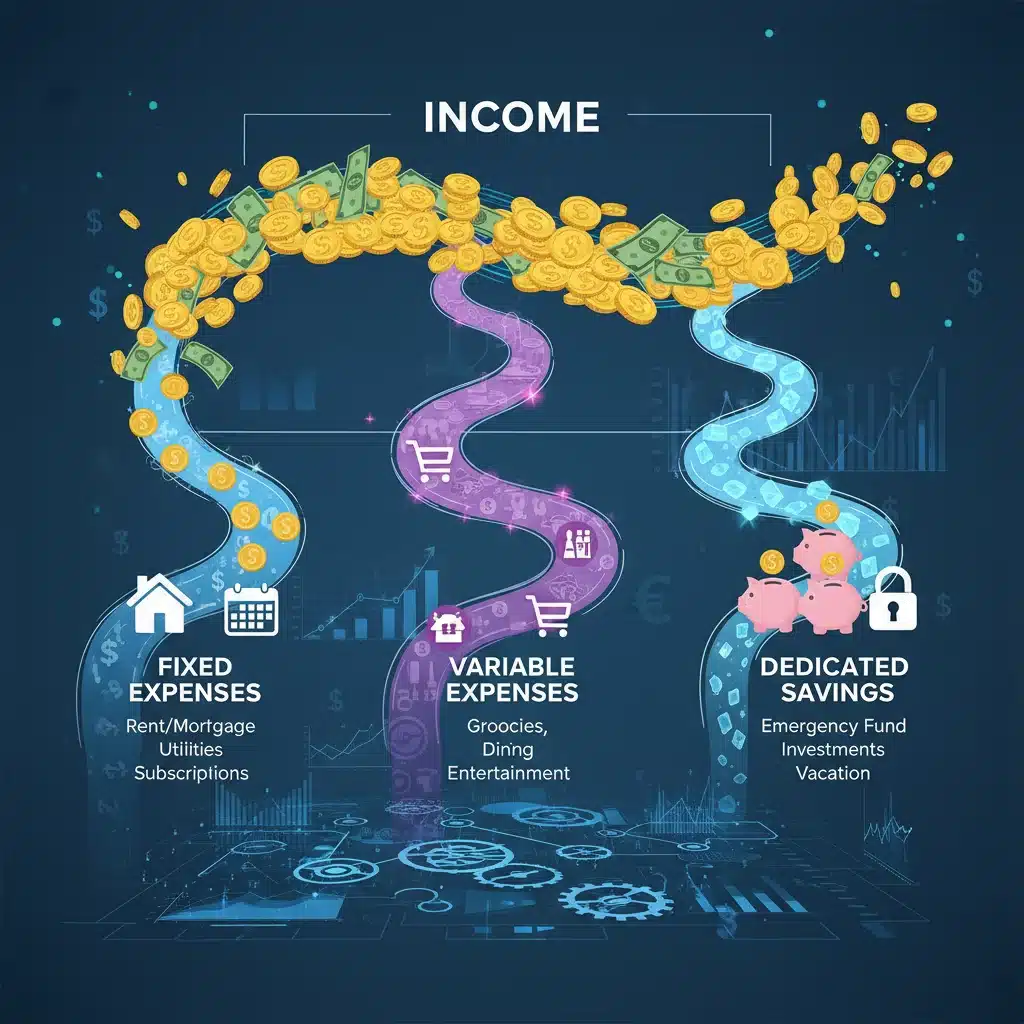
To recap, the journey to automate 2026 budget involves three core financial flows:
- Automated Income Distribution: Directing your earnings to savings, investments, and spending accounts before it even hits your main checking account.
- Automated Expense Management: Setting up recurring payments for fixed bills and using digital envelopes or dedicated accounts for variable spending.
- Automated Savings and Investments: Consistently contributing to emergency funds, short-term goals, retirement accounts, and brokerage accounts.
Coupled with regular reviews, building in buffers, leveraging smart tools, and continuous learning, these strategies will transform your financial life. You’ll move from reactive money management to proactive wealth building. The time and mental energy you save can be channeled into personal growth, career advancement, or simply enjoying life more fully.
Don’t wait until 2026 to start. Begin implementing these changes today. Take small steps, be consistent, and watch as your financial picture becomes clearer, more stable, and more aligned with your long-term aspirations. Your future self will thank you for taking the initiative to automate 2026 budget and take control of your financial destiny.
The path to financial freedom is often paved with consistent, disciplined actions. Automation provides the framework for these actions to happen effortlessly. So, arm yourself with these insider tips, choose your tools wisely, and embark on a journey towards a financially empowered 2026 and beyond. Your money can work smarter, allowing you to live better.