Mastering the 15% Rule: Boost Your Credit Score by 2026
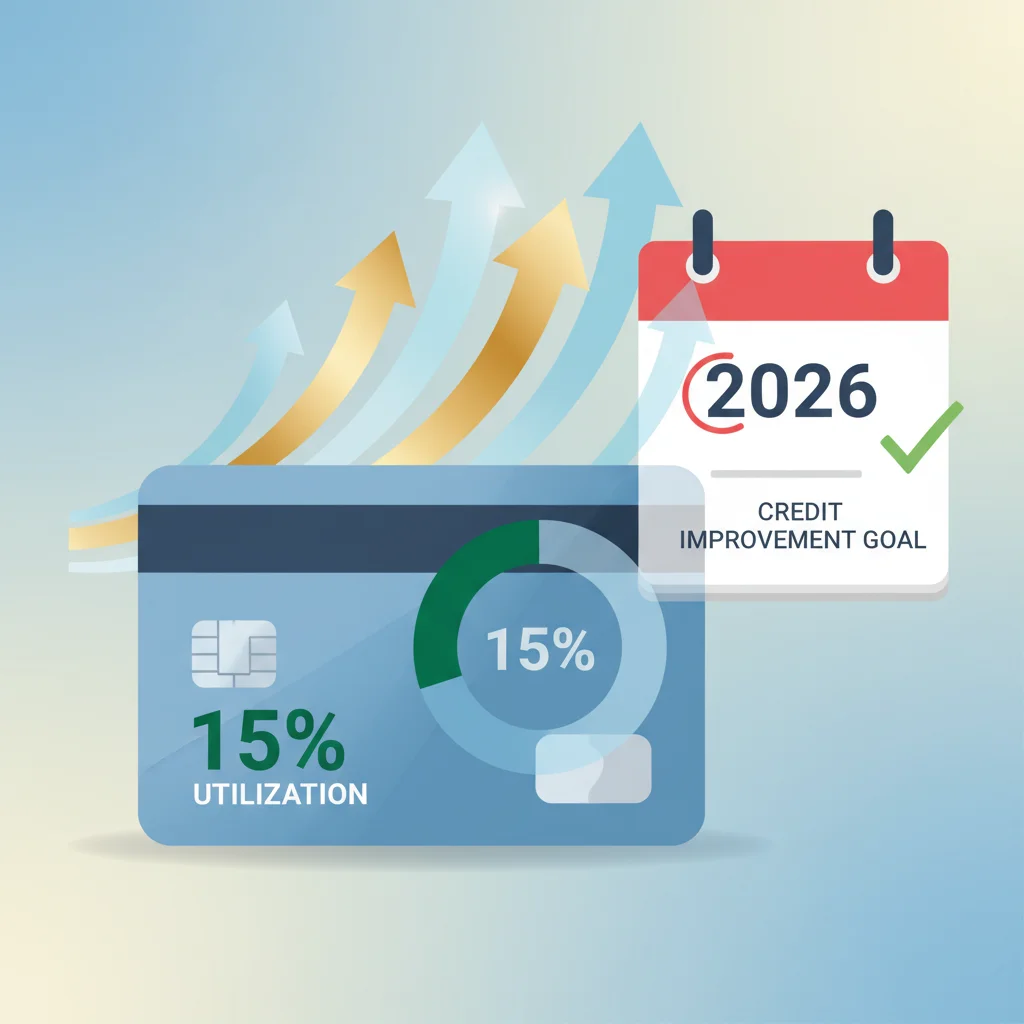
In the intricate world of personal finance, few metrics hold as much sway over your financial future as your credit score. It’s not just a number; it’s a gateway to lower interest rates, better loan terms, and greater financial opportunities. As we look towards 2026, understanding and optimizing key credit factors becomes paramount. One of the most impactful, yet often misunderstood, elements is credit utilization, particularly the ‘15% credit utilization’ rule.
This comprehensive guide will delve deep into the 15% credit utilization rule, explaining what it is, why it matters, and how you can leverage it to significantly boost your credit score by 2026. We’ll explore practical strategies, common pitfalls, and advanced tips to help you master this crucial aspect of credit management and pave the way for a stronger financial tomorrow.
What is Credit Utilization and Why is 15% the Magic Number?
At its core, credit utilization, also known as your credit utilization ratio, is the amount of credit you’re currently using compared to the total amount of credit available to you. It’s expressed as a percentage. For example, if you have a credit card with a $10,000 limit and you’ve spent $2,000 on it, your credit utilization for that card is 20% ($2,000 / $10,000).
Why is this ratio so important? Because it accounts for a significant portion of your FICO score – typically around 30%. Lenders view high credit utilization as a sign of financial distress or over-reliance on credit, which can make you appear riskier. Conversely, a low credit utilization ratio suggests responsible credit management and a lower risk profile.
While many experts advocate keeping your credit utilization below 30%, the ‘15% credit utilization’ rule takes a more aggressive, and often more effective, approach. Studies and anecdotal evidence suggest that maintaining a ratio of 15% or lower across all your revolving credit accounts can lead to a more substantial and quicker improvement in your credit score. It signals to credit bureaus that you are using your available credit responsibly, but not excessively, demonstrating a strong capacity to manage your debts.
Think of it this way: if a store is running low on inventory, it might seem like they’re struggling to keep up with demand. Similarly, if your credit lines are consistently maxed out or near their limits, it looks like you’re stretched thin financially. By keeping your 15% credit utilization, you’re essentially showing that you have plenty of ‘inventory’ (available credit) and are managing your resources wisely.
The Impact of Credit Utilization on Your FICO Score
Your FICO score, the most widely used credit scoring model, is a three-digit number that summarizes your credit risk. It’s composed of five main categories, each with a different weighting:
- Payment History (35%): Your track record of paying bills on time.
- Amounts Owed (30%): This is where credit utilization primarily falls.
- Length of Credit History (15%): How long your credit accounts have been open.
- New Credit (10%): How many new credit accounts you’ve recently opened.
- Credit Mix (10%): The variety of credit you have (e.g., credit cards, mortgages, auto loans).
As you can see, ‘Amounts Owed’ is the second most important factor, directly impacting 30% of your FICO score. Within this category, your credit utilization ratio is a dominant force. A high ratio can drag down your score significantly, while a low ratio, especially adhering to the 15% credit utilization guideline, can elevate it considerably.
It’s also important to note that credit utilization is a dynamic factor. Unlike payment history, which is historical, your utilization ratio changes monthly. This means that if you’ve had high utilization in the past, you can improve your score relatively quickly by reducing your balances. This makes it one of the most actionable levers you have for short-term credit score improvement.
Calculating Your Credit Utilization Ratio
Before you can optimize your 15% credit utilization, you need to know how to calculate it. It’s a straightforward process:
- Individual Card Utilization: For each credit card, divide the current balance by the credit limit. Multiply by 100 to get a percentage.
Example: $1,500 balance / $10,000 limit = 0.15 = 15% - Overall Credit Utilization: Sum up the balances on all your revolving credit accounts (credit cards, lines of credit). Then, sum up the total credit limits across all those accounts. Divide the total balances by the total credit limits and multiply by 100.
Example: Total Balances = $3,000 (Card A: $1,500, Card B: $1,500)
Total Limits = $20,000 (Card A: $10,000, Card B: $10,000)
Overall Utilization = $3,000 / $20,000 = 0.15 = 15%
Credit bureaus typically look at both individual card utilization and your overall utilization. While keeping each card below 15% is ideal, focusing on your overall ratio is often more manageable and still highly effective. Aim for your overall 15% credit utilization to be at or below 15% to see the best results.
Strategies to Achieve and Maintain 15% Credit Utilization by 2026
Achieving a 15% credit utilization ratio requires discipline and strategic planning. Here are actionable steps you can take to reach this goal and maintain it for a better credit score by 2026:
1. Pay Down Balances Strategically
The most direct way to lower your utilization is to reduce your outstanding balances. Focus on paying down cards with the highest utilization first, even if they don’t have the highest interest rates. This can provide a quicker boost to your score because it immediately reduces the percentage of credit used on those specific accounts.
- Snowball Method (Debt Reduction): Pay minimums on all cards except the one with the smallest balance, which you attack aggressively. Once paid off, roll that payment into the next smallest balance.
- Avalanche Method (Interest Savings): Pay minimums on all cards except the one with the highest interest rate, which you attack aggressively. This saves more money on interest in the long run.
While the Avalanche method saves more money, the Snowball method can provide psychological wins that keep you motivated. Choose the method that best suits your personality and financial situation.
2. Make Multiple Payments Per Month
Credit card companies typically report your balance to credit bureaus once a month, usually on your statement closing date. If you wait until the due date to pay your bill, the reported balance might still be high, even if you pay it in full. To keep your reported utilization low, consider making payments throughout the month or paying a significant portion of your balance before the statement closing date. This ensures a lower balance is reported, helping you maintain your 15% credit utilization.
3. Request a Credit Limit Increase
This strategy can be a double-edged sword, but if used responsibly, it can significantly lower your utilization. If your credit limit increases but your spending remains the same, your utilization ratio automatically decreases. For example, if you have a $1,000 balance on a $5,000 limit (20% utilization) and your limit is increased to $10,000, your utilization drops to 10% ($1,000 / $10,000).
- When to Request: Only consider this if you have a strong payment history and are confident you won’t be tempted to spend more just because you have more available credit.
- Potential Impact: A hard inquiry may temporarily ding your score, but the long-term benefit of lower utilization often outweighs this.
4. Open a New Credit Card (Cautiously)
Similar to a credit limit increase, opening a new credit card can increase your total available credit, thereby lowering your overall utilization. However, this strategy comes with several caveats:
- Hard Inquiry: Applying for new credit results in a hard inquiry, which can temporarily lower your score.
- Average Age of Accounts: Opening a new account will lower the average age of your credit accounts, another factor in your FICO score.
- Increased Temptation: More available credit can lead to more spending if you’re not disciplined.
This strategy is best reserved for those with excellent credit habits who are looking to diversify their credit mix or need additional credit for specific purposes, rather than solely for utilization purposes.
5. Become an Authorized User
If a trusted family member or friend with excellent credit management (low utilization, on-time payments) adds you as an authorized user on one of their credit cards, that account’s history and credit limit can appear on your credit report. This can boost your total available credit and potentially lower your overall utilization, assuming their utilization is low.
- Choose Wisely: Ensure the primary cardholder is financially responsible. Their negative actions could impact your score.
- No Spending Obligation: As an authorized user, you’re not responsible for the debt, but the account activity still appears on your report.

Common Pitfalls to Avoid When Optimizing Credit Utilization
While the goal of 15% credit utilization is clear, there are several common mistakes that can derail your efforts:
1. Closing Old Credit Accounts
It might seem logical to close credit cards you no longer use, especially if you’re trying to simplify your finances. However, closing an old account can negatively impact your credit score in two ways:
- Reduces Available Credit: Closing an account removes its credit limit from your total available credit, which can instantly increase your utilization ratio on your remaining cards.
- Shortens Credit History: Older accounts contribute positively to your ‘length of credit history’ factor. Closing them can reduce the average age of your accounts.
Unless an account has a high annual fee that you can’t justify, it’s generally better to keep old accounts open, even if you rarely use them. Just ensure they remain in good standing.
2. Applying for Too Much New Credit
While opening a new card can increase total available credit, applying for multiple new credit lines in a short period triggers multiple hard inquiries. Each hard inquiry can cause a small, temporary dip in your score. Too many inquiries can make you appear desperate for credit, which lenders view as a higher risk.
3. Not Monitoring Your Credit Report
Regularly checking your credit report (you’re entitled to a free report from each of the three major bureaus annually at AnnualCreditReport.com) is crucial. This allows you to:
- Identify Errors: Incorrect balances or fraudulent accounts can skew your utilization.
- Track Progress: See how your efforts to achieve 15% credit utilization are impacting your score.
- Understand Reporting Dates: Learn when your creditors report to adjust your payment strategy.
4. Confusing Statement Balance with Current Balance
As mentioned, your credit card statement balance is what’s reported to credit bureaus. Your current balance might be lower if you’ve made payments since the statement closing date. Always aim to lower the balance that will be reported, which is typically the statement balance.
5. Ignoring Small Balances
Even small balances across multiple cards can add up and push your overall utilization above the 15% threshold. Don’t underestimate the cumulative effect of seemingly insignificant debts.
Advanced Tips for Optimizing Credit Utilization for 2026
Beyond the fundamental strategies, here are some advanced tactics to fine-tune your 15% credit utilization and ensure maximum credit score growth by 2026:
1. The ‘No-Spend’ Challenge on One Card
If you have multiple credit cards, consider designating one or two cards for a ‘no-spend’ challenge. Keep these cards with a zero balance to ensure their utilization is 0%. This significantly contributes to lowering your overall utilization, especially if these cards have high credit limits. You can then use other cards for your regular spending, focusing on keeping their individual utilization below 15% as well.
2. Leverage Balance Transfers (with Caution)
A balance transfer can consolidate high-interest debt from multiple cards onto one card, often with a 0% introductory APR. While this doesn’t directly change your overall utilization (the debt just moves), it can free up credit on other cards, allowing you to pay them down faster and focus on managing a single balance. Be mindful of balance transfer fees and ensure you can pay off the transferred amount before the introductory APR expires.
3. Understand Your Credit Reporting Cycle
Most credit card issuers report your account activity to the credit bureaus around your statement closing date, not your payment due date. If you consistently make large purchases early in your billing cycle and then pay them off by the due date, a high balance might still be reported. To combat this, try to pay down your balance *before* your statement closing date to ensure a lower balance is reported, helping you maintain that ideal 15% credit utilization.
4. Use Credit for Small, Manageable Expenses
Using your credit cards for small, everyday expenses like groceries or gas, and then paying them off in full immediately, can be a great way to show active and responsible credit use without increasing your utilization. This builds positive payment history without accumulating debt. The key is immediate repayment.
5. Diversify Your Credit Mix Over Time
While not directly related to utilization, having a healthy mix of credit (revolving accounts like credit cards and installment loans like mortgages or auto loans) positively impacts your credit score (10% of FICO). As you responsibly manage your 15% credit utilization on credit cards, consider how other types of credit could fit into your long-term financial plan, but only when you genuinely need them.

Monitoring Your Progress Towards 2026
Consistency is key when it comes to credit optimization. To ensure you’re on track to achieve your credit score goals by 2026, regular monitoring is essential. Utilize free credit monitoring services offered by many banks or third-party apps. These services often provide:
- Credit Score Updates: Track the changes in your score over time.
- Utilization Tracking: See your current credit utilization ratio at a glance.
- Alerts: Get notifications for new accounts, inquiries, or significant changes to your credit report.
By actively monitoring your credit, you can quickly identify any issues and adjust your strategies to maintain your 15% credit utilization. Set quarterly goals for balance reduction or utilization percentage to keep yourself accountable and motivated.
Beyond 15% Utilization: Other Factors for a Stellar Score by 2026
While 15% credit utilization is a powerful lever, remember it’s just one piece of the credit score puzzle. To truly maximize your score by 2026, ensure you’re also excelling in these areas:
1. On-Time Payments (The Golden Rule)
Never miss a payment. Payment history is the most significant factor (35%) in your FICO score. Set up automatic payments or calendar reminders to ensure all your bills are paid on time, every time.
2. Length of Credit History
Time is your friend here. The longer your accounts have been open and in good standing, the better. Avoid closing old accounts, even if they’re unused.
3. New Credit Applications
Be judicious about applying for new credit. Each application results in a hard inquiry that can temporarily lower your score. Only apply for credit when genuinely needed and after careful consideration.
4. Credit Mix
A diverse mix of credit, such as revolving accounts (credit cards) and installment loans (mortgage, auto loan, student loans), can positively impact your score. However, never take on debt you don’t need simply to improve your credit mix.
Conclusion: Your Path to a Stronger Credit Score by 2026
The journey to an excellent credit score is a marathon, not a sprint. However, by strategically focusing on the 15% credit utilization rule, you’re employing one of the most effective methods to significantly improve your financial standing. By understanding how credit utilization works, implementing smart payment strategies, and avoiding common pitfalls, you can set yourself on a clear path to a stronger credit score by 2026.
Remember, financial health is about consistency and informed decision-making. Make a commitment today to review your credit utilization, set realistic goals, and diligently work towards maintaining that optimal 15% ratio. Your future self, with access to better financial products and greater peace of mind, will thank you.
Start implementing these strategies now, monitor your progress, and watch your credit score flourish as you approach 2026 with confidence and a solid financial foundation.