Secured vs. Unsecured Debt: Essential Guide for 2026 Debt Management
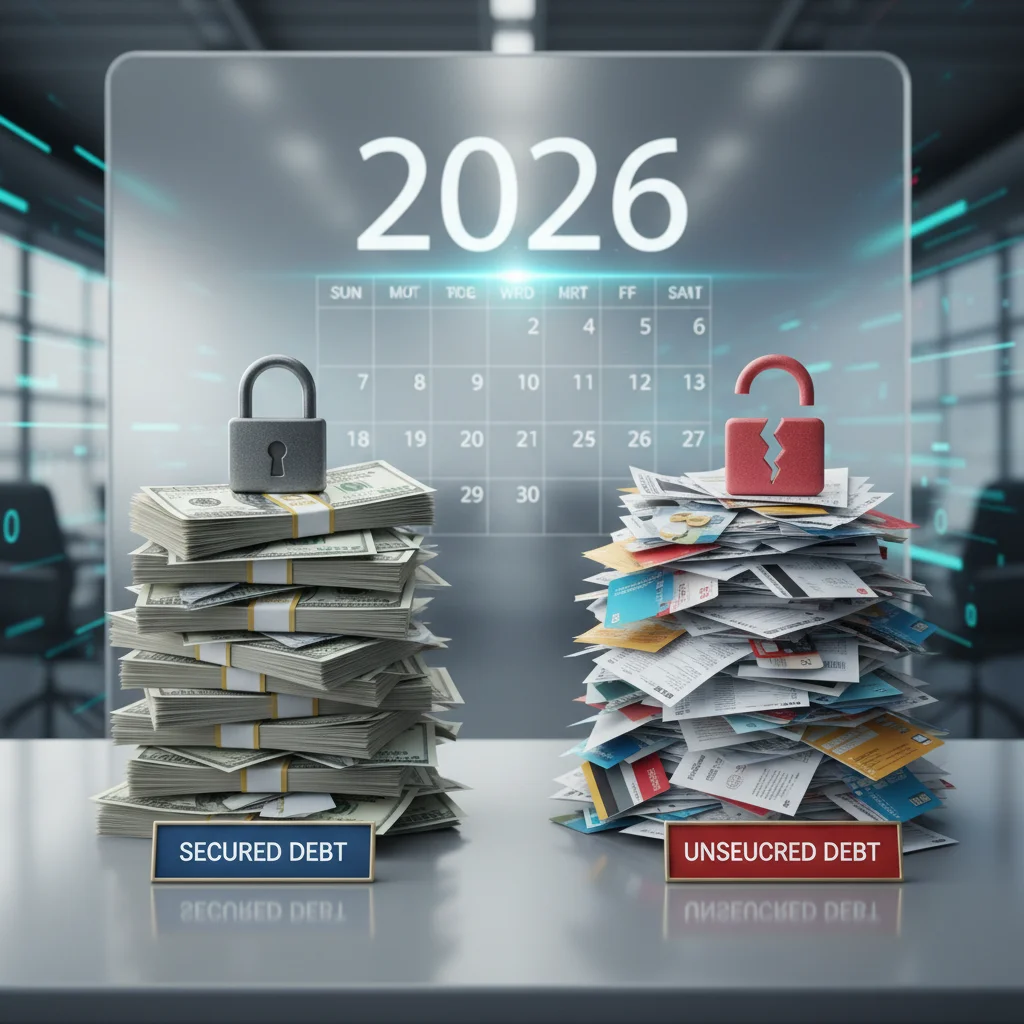
In the intricate world of personal finance, understanding the fundamental differences between secured and unsecured debt is not merely an academic exercise; it’s a critical component of effective financial management. As we look towards 2026, the economic landscape continues to evolve, making this distinction even more vital for both borrowers and lenders. Whether you’re planning to buy a home, finance a car, or simply manage your credit card balances, a clear grasp of secured unsecured debt will empower you to make informed decisions that safeguard your financial future.
This comprehensive guide delves deep into the definitions, characteristics, advantages, disadvantages, and strategic implications of secured and unsecured debt. We will explore how these debt types impact your credit score, interest rates, and overall financial health, offering practical advice for navigating your debt obligations in the coming years. By the end of this article, you will be equipped with the knowledge to approach debt with confidence, making choices that align with your long-term financial goals.
Understanding the Basics: What is Secured Debt?
Secured debt is a loan backed by an asset, known as collateral, which the lender can seize if the borrower defaults on the loan. This collateral serves as a security for the lender, reducing their risk. Because of this reduced risk, secured loans typically come with lower interest rates and more favorable terms compared to unsecured loans. The presence of collateral provides a tangible guarantee for the lender, making them more willing to extend credit, even to borrowers with less-than-perfect credit histories.
Common Examples of Secured Debt
To truly understand secured unsecured debt, let’s look at common examples of secured debt:
- Mortgages: One of the most prevalent forms of secured debt, a mortgage is used to purchase real estate. The property itself serves as the collateral. If the homeowner fails to make payments, the lender has the right to foreclose on the property and sell it to recover their losses.
- Auto Loans: When you finance a car, the vehicle you purchase acts as the collateral for the loan. If you stop making payments, the lender can repossess the car.
- Secured Personal Loans: Some personal loans can be secured by assets like savings accounts, certificates of deposit (CDs), or even valuable personal property. These are less common than mortgages or auto loans but offer a way to get a loan with potentially better terms if you have suitable collateral.
- Home Equity Loans and Lines of Credit (HELOCs): These loans use the equity in your home as collateral. While they can provide access to significant funds, they also carry the risk of losing your home if you default.
How Secured Debt Works
The mechanism of secured debt is straightforward. When you apply for a secured loan, you agree to pledge a specific asset as collateral. This agreement is formalized in the loan contract. Should you fail to meet your repayment obligations as outlined in the contract, the lender has the legal right to take possession of the collateral. The process for seizing collateral varies depending on the type of asset and local laws, but the underlying principle remains the same: the collateral mitigates the lender’s risk.
For borrowers, secured debt can be a double-edged sword. On one hand, it often provides access to larger sums of money at lower interest rates, making significant purchases like homes or cars more affordable. On the other hand, the risk of losing a valuable asset upon default is a serious consideration. This inherent risk makes it crucial for borrowers to carefully assess their ability to repay secured loans before committing.
Understanding the Basics: What is Unsecured Debt?
In contrast to secured debt, unsecured debt is not backed by any collateral. This means that if a borrower defaults on an unsecured loan, the lender cannot directly seize any specific asset to recover their losses. Because of the increased risk to lenders, unsecured loans typically come with higher interest rates and stricter eligibility requirements. Lenders rely primarily on the borrower’s creditworthiness, income, and financial history to assess the risk of repayment.
Common Examples of Unsecured Debt
Understanding secured unsecured debt also requires familiarity with common unsecured debt types:
- Credit Cards: Perhaps the most common form of unsecured debt, credit cards allow you to borrow money up to a certain limit without pledging any collateral. The interest rates on credit cards can be quite high, especially for those with lower credit scores.
- Personal Loans: Many personal loans are unsecured, meaning they are issued based on your creditworthiness alone. These can be used for a variety of purposes, such as consolidating other debts, covering unexpected expenses, or funding a vacation.
- Student Loans: Most student loans, particularly federal student loans, are unsecured. While they often have relatively low interest rates and flexible repayment options, they are not backed by collateral.
- Medical Bills: Unpaid medical bills are a form of unsecured debt. While they don’t typically accrue interest initially, they can be sent to collections and negatively impact your credit if left unpaid.
How Unsecured Debt Works
With unsecured debt, the lender’s primary recourse in case of default is to pursue legal action to collect the debt. This can include wage garnishment, bank account levies, or lawsuits. However, these processes can be lengthy and costly for the lender, which is why they often charge higher interest rates to compensate for this elevated risk. The absence of collateral also means that unsecured debt can be more difficult to obtain for individuals with poor credit, as lenders have less assurance of repayment.
For borrowers, unsecured debt offers flexibility and convenience, as no asset needs to be pledged. This can be beneficial for unforeseen expenses or when collateral is not available. However, the higher interest rates can lead to a more expensive borrowing experience over time, and the potential for a severely damaged credit score upon default can have long-lasting negative consequences.
Key Differences Between Secured and Unsecured Debt
The distinction between secured unsecured debt boils down to several critical factors:
Collateral
The most significant difference is the presence or absence of collateral. Secured debt requires an asset to be pledged, while unsecured debt does not. This single factor underpins many of the other differences.
Risk to Lender
Lenders face a lower risk with secured debt because they have an asset to fall back on if the borrower defaults. Conversely, unsecured debt poses a higher risk to lenders, as their ability to recover losses is less certain.
Interest Rates
Due to the lower risk, secured loans generally offer lower interest rates. Unsecured loans, given their higher risk profile, typically come with higher interest rates to compensate lenders for the increased chance of default.
Loan Amounts
Secured loans often allow borrowers to access larger sums of money, particularly for significant purchases like homes or cars, as the collateral provides substantial backing. Unsecured loans, especially for individuals with average credit, tend to have lower borrowing limits.
Credit Requirements
While a good credit score is always beneficial, secured loans can sometimes be obtained by individuals with less-than-perfect credit, thanks to the collateral. Unsecured loans, however, place a much greater emphasis on the borrower’s credit history and score, making them harder to acquire for those with poor credit.
Impact of Default
Defaulting on a secured loan can result in the loss of the pledged asset (e.g., foreclosure on a home, repossession of a car). Defaulting on an unsecured loan will severely damage your credit score, lead to collection efforts, and potentially legal action, but it won’t directly result in the loss of a specific asset.

Strategic Debt Management for 2026: Secured vs. Unsecured Debt
Effective debt management in 2026 requires a nuanced understanding of how secured unsecured debt impacts your financial strategy. Here’s how to approach it:
Prioritizing Debt Repayment
When you have both secured and unsecured debt, deciding which to prioritize can be challenging. A common strategy is the ‘debt avalanche’ method, where you focus on paying off the debt with the highest interest rate first, regardless of whether it’s secured or unsecured. This approach can save you the most money in interest over time. However, some financial advisors suggest prioritizing secured debt if the risk of losing a valuable asset (like your home) is high and you are struggling to make payments. This ensures you maintain ownership of essential assets.
Another perspective is to consider the ‘debt snowball’ method, where you pay off the smallest debt first to gain psychological momentum. While this may not save the most interest, it can be highly motivating. The best approach depends on your personal financial situation, risk tolerance, and psychological motivators.
Impact on Credit Score
Both types of debt, when managed responsibly, can positively impact your credit score by demonstrating a history of timely payments. Conversely, defaulting on either secured or unsecured debt will severely harm your credit score. Secured loans, particularly mortgages, often contribute to a diverse credit mix, which is a factor in credit scoring. Unsecured debt like credit cards, if used responsibly and kept at low utilization, also helps build credit. Understanding the credit implications of secured unsecured debt is crucial for maintaining a healthy credit profile.
Borrowing Considerations for 2026
As you plan your borrowing activities for 2026, consider the following:
- Assess Your Needs: Clearly define why you need to borrow money. Is it for a major asset (home, car) or for a more flexible purpose (personal expenses, debt consolidation)? This will guide you towards secured or unsecured options.
- Evaluate Your Collateral: If you have valuable assets, a secured loan might offer better terms. However, be fully aware of the risk of losing that asset.
- Credit Score Review: Before applying for any loan, check your credit score and report. A higher credit score will open doors to better interest rates and terms for both secured and unsecured loans.
- Interest Rate Comparison: Always compare interest rates and fees from multiple lenders for both secured and unsecured options. The difference can be substantial over the life of a loan.
- Repayment Capacity: Be realistic about your ability to make timely payments. Overextending yourself on either type of debt can lead to significant financial distress.
The Role of Collateral in Secured Debt
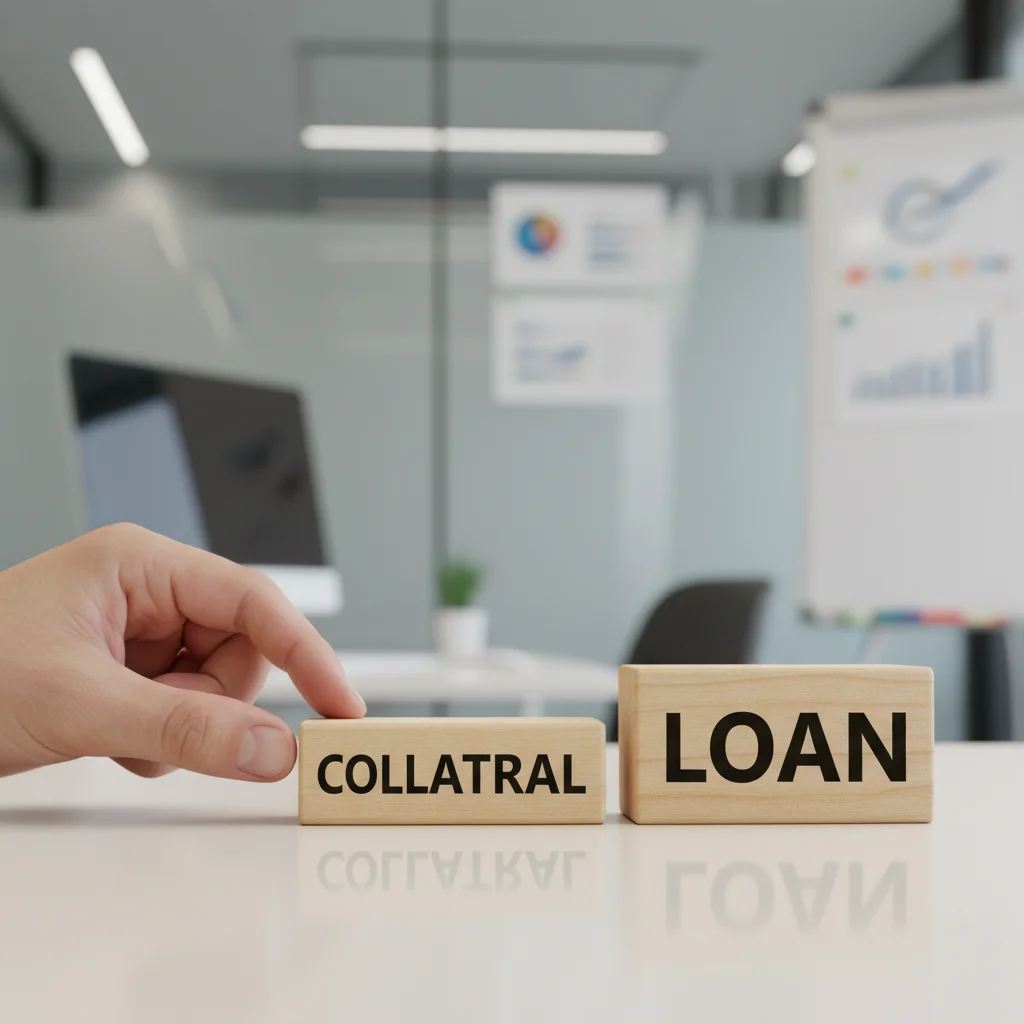
Collateral is the cornerstone of secured debt, fundamentally altering the risk profile for lenders and the terms offered to borrowers. It’s an asset that a borrower pledges to a lender as security for a loan. If the borrower defaults on the loan, the lender has the right to seize and sell the collateral to recoup their losses. This mechanism makes secured loans less risky for lenders, which often translates into more favorable terms for borrowers.
Types of Collateral
The type of asset that can serve as collateral varies widely:
- Real Estate: Homes, land, and commercial properties are common collateral for mortgages and home equity loans. Their value tends to be stable or appreciate over time, making them attractive to lenders.
- Vehicles: Cars, trucks, motorcycles, and even boats can serve as collateral for auto loans. Their value depreciates over time, which lenders account for when determining loan amounts and terms.
- Savings Accounts and CDs: Some banks offer secured personal loans using your own savings or certificates of deposit as collateral. This is a low-risk option for both parties, often resulting in very low interest rates.
- Investments: Certain investment accounts, like brokerage accounts, can be used as collateral for margin loans or securities-backed lines of credit.
- Valuables: Less commonly, high-value items like jewelry, art, or collectibles can be used as collateral, especially for pawn shop loans or specialized secured personal loans.
Valuation of Collateral
Lenders meticulously assess the value of collateral to ensure it adequately covers the loan amount. This often involves appraisals for real estate, market value guides for vehicles, or verifying account balances for financial assets. The loan-to-value (LTV) ratio is a critical metric, representing the loan amount as a percentage of the collateral’s value. A lower LTV ratio indicates less risk for the lender and can lead to better loan terms for the borrower.
Risks and Benefits of Collateral for Borrowers
For borrowers, pledging collateral comes with both significant benefits and risks. The primary benefit is access to credit that might otherwise be unavailable, or available only at much higher interest rates. This can be crucial for large purchases like a home or a business investment. However, the main risk is the potential loss of the collateral if financial difficulties arise. Losing your home or car due to loan default can have devastating consequences, highlighting the importance of responsible borrowing and careful financial planning when dealing with secured unsecured debt.
Navigating Default: What Happens with Secured vs. Unsecured Debt
Understanding the consequences of default is perhaps the most crucial aspect of differentiating secured unsecured debt. The repercussions vary significantly, impacting your assets, credit, and overall financial well-being.
Defaulting on Secured Debt
When you default on a secured loan, the lender’s first course of action is typically to seize the collateral. This process is known as foreclosure for real estate and repossession for vehicles. The lender then sells the asset to recover the outstanding loan amount. If the sale price is less than the amount owed, the borrower may still be responsible for the remaining balance, known as a deficiency balance. This can occur, for instance, if a repossessed car sells for less than the outstanding loan. The lender can then pursue legal action to collect this deficiency. The impact on your credit score from a secured debt default is severe and long-lasting, often remaining on your credit report for seven years.
Defaulting on Unsecured Debt
Defaulting on unsecured debt does not lead to the immediate loss of an asset, but the consequences are still serious. Lenders will typically begin with collection calls and letters. If these efforts are unsuccessful, the debt may be sold to a third-party collection agency. Collection agencies can be relentless in their pursuit of payment. If all else fails, the lender or collection agency may file a lawsuit against you to obtain a judgment. With a judgment, they can then pursue actions like wage garnishment (taking a portion of your paycheck), bank account levies (seizing funds from your bank account), or placing liens on your property (though this doesn’t automatically mean losing the property, it complicates selling it). Like secured debt defaults, an unsecured debt default will significantly damage your credit score, making it difficult to obtain new credit, housing, or even employment in the future.
Debt Consolidation and Refinancing: A Secured vs. Unsecured Perspective
Debt consolidation and refinancing are popular strategies for managing debt, and the distinction between secured unsecured debt plays a significant role in how these options are approached.
Consolidating Unsecured Debt
Many individuals use debt consolidation to manage multiple unsecured debts, such as credit card balances and personal loans. This often involves taking out a new, larger unsecured personal loan with a lower interest rate to pay off several smaller, higher-interest debts. The goal is to simplify payments and reduce overall interest costs. Another option is a balance transfer credit card, offering a promotional 0% APR for a period, allowing you to pay down principal without accruing interest.
Using Secured Debt for Consolidation
In some cases, people use secured loans, such as a home equity loan or HELOC, to consolidate unsecured debt. This can offer a significantly lower interest rate because your home serves as collateral. While this can reduce monthly payments and interest, it also converts unsecured debt into secured debt, meaning you’re now putting your home at risk if you default. This is a decision that requires careful consideration and a thorough understanding of the risks involved.
Refinancing Secured Debt
Refinancing typically applies to secured loans like mortgages and auto loans. Borrowers might refinance to secure a lower interest rate, reduce their monthly payments, or change the loan term. For example, refinancing a mortgage can save tens of thousands of dollars over the life of the loan if interest rates have dropped or your credit score has improved. However, refinancing also involves closing costs and fees, so it’s essential to weigh these against the potential savings.
The Future of Secured Unsecured Debt in 2026 and Beyond
As we advance into 2026, several trends could influence the landscape of secured and unsecured debt. Technological advancements, evolving regulatory environments, and shifts in economic conditions will undoubtedly shape how consumers access and manage credit.
Technological Innovations
Fintech companies are continuously innovating, offering new types of lending products and more streamlined application processes. AI and machine learning are being used to assess creditworthiness more accurately, potentially leading to more personalized loan offers for both secured and unsecured debt. Peer-to-peer lending platforms continue to grow, offering alternatives to traditional banks for various loan types.
Regulatory Changes
Governments and regulatory bodies may introduce new rules to protect consumers, particularly concerning high-interest unsecured loans or predatory lending practices. These changes could impact interest rate caps, disclosure requirements, and collection practices, influencing the availability and terms of both secured and unsecured debt.
Economic Factors
Interest rate fluctuations, inflation, and unemployment rates will always play a significant role. In periods of economic uncertainty, lenders may become more conservative, tightening credit standards for unsecured loans and potentially increasing reliance on collateral for secured loans. Conversely, a robust economy might see more competitive rates and broader access to credit.
Understanding these potential shifts is crucial for proactive financial planning. Staying informed about economic forecasts and regulatory updates will help you navigate the secured unsecured debt landscape effectively in 2026 and beyond.
Making Informed Decisions About Secured Unsecured Debt
The choice between secured and unsecured debt, or how to manage both, is a highly personal one, dependent on your individual financial situation, risk tolerance, and goals. There is no one-size-fits-all answer, but armed with knowledge, you can make choices that serve your best interests.
When Secured Debt Might Be Right For You
Secured debt is often the best option when:
- You need to finance a large asset, such as a home or car, and can benefit from lower interest rates.
- You have a lower credit score but can offer valuable collateral to secure a loan.
- You are confident in your ability to make consistent payments and understand the risk of losing the collateral.
When Unsecured Debt Might Be Right For You
Unsecured debt can be advantageous when:
- You need quick access to funds for smaller expenses or emergencies and don’t want to pledge an asset.
- You have an excellent credit score, which qualifies you for favorable interest rates on unsecured loans.
- You prefer not to risk any personal assets and are comfortable with potentially higher interest rates.
The Importance of a Balanced Approach
For most individuals, a balanced approach involving both types of debt is inevitable. A mortgage (secured) might be essential for homeownership, while a credit card (unsecured) offers convenience and helps build credit history. The key is to manage both responsibly, ensuring that your total debt burden remains manageable relative to your income. Regular budgeting, monitoring your credit score, and understanding the terms of all your loans are vital practices.
Conclusion: Mastering Secured Unsecured Debt for Financial Success in 2026
The distinction between secured unsecured debt is more than just a financial technicality; it’s a foundational concept that impacts every aspect of your borrowing and financial health. As we prepare for 2026, a solid understanding of these debt types empowers you to make strategic decisions that can lead to greater financial stability and growth.
From securing a mortgage to managing credit card balances, each financial choice you make has implications for your present and future. By carefully evaluating the risks and benefits of both secured and unsecured options, prioritizing your repayment strategies, and staying informed about market trends, you can navigate the complexities of debt with confidence. Remember, debt is a tool; used wisely, it can help you achieve significant life goals. Used unwisely, it can become a significant burden. Equip yourself with this knowledge, and take control of your financial destiny in 2026 and beyond.