Credit Mix Optimization: Strategically Adding New Credit for a Higher Score in 2026
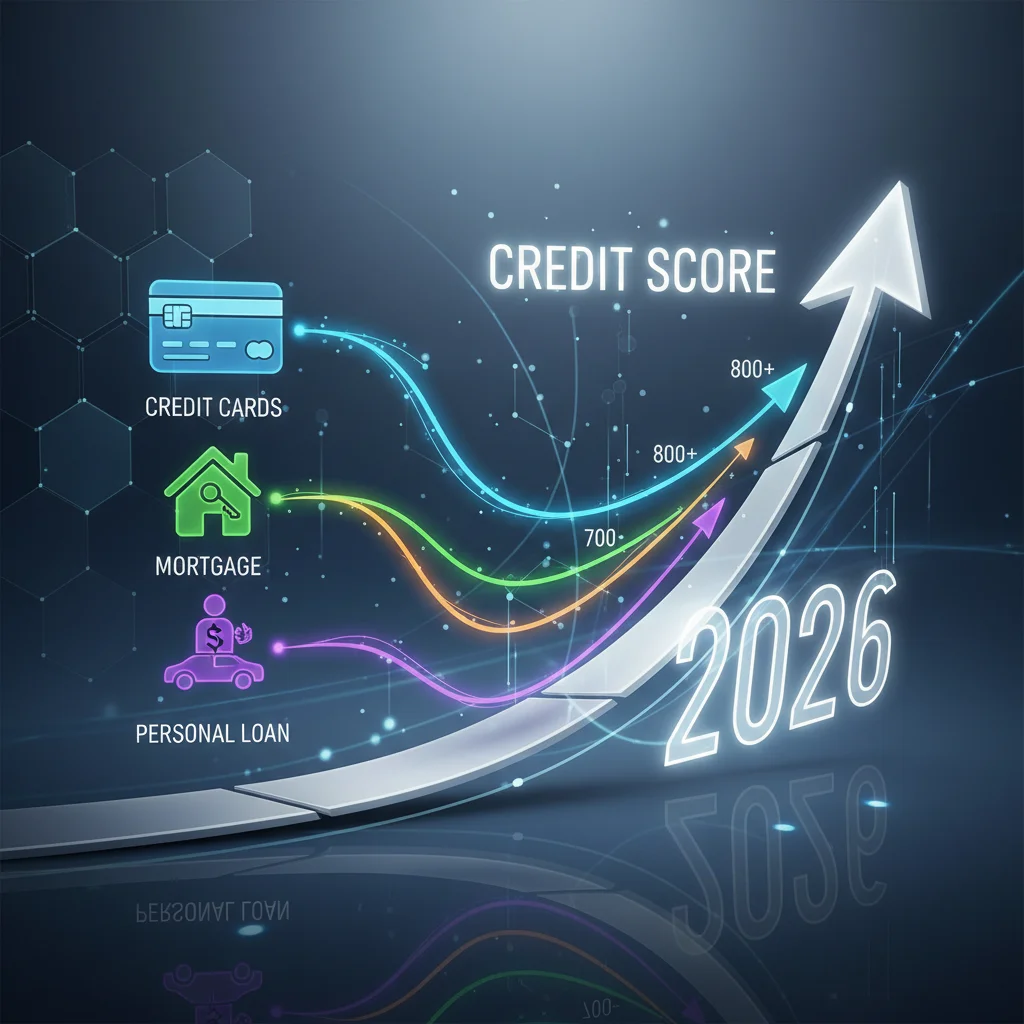
In the dynamic landscape of personal finance, your credit score stands as a pivotal indicator of your financial health and reliability. It’s not just a number; it’s a gateway to better interest rates, easier loan approvals, and sometimes, even a factor in housing and employment opportunities. While many factors influence this crucial score, one often overlooked yet profoundly impactful component is your credit mix optimization. As we approach 2026, understanding and strategically managing your credit mix will be more vital than ever.
This comprehensive guide delves deep into the nuances of credit mix, exploring why it matters, how credit scoring models evaluate it, and most importantly, how you can strategically add new credit to optimize your mix for a higher score. We’ll equip you with the knowledge and actionable insights to navigate the complexities of credit building, ensuring you’re well-positioned for financial success in the coming years.
Understanding Your Credit Mix: The Foundation of a Strong Score
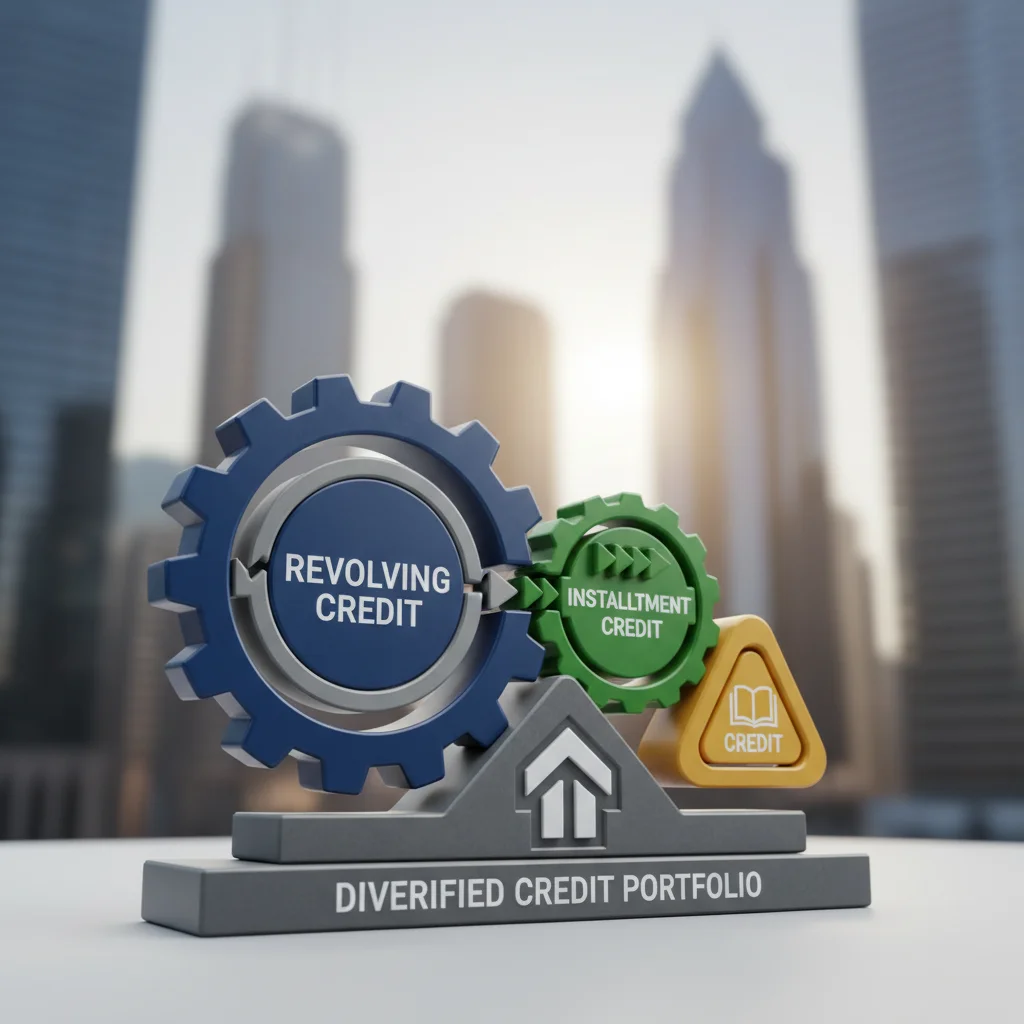
Your credit mix refers to the variety of credit accounts you have. Credit scoring models, such as FICO and VantageScore, consider this diversity as a testament to your ability to responsibly manage different types of debt. A healthy credit mix typically includes a combination of revolving credit (like credit cards and lines of credit) and installment credit (such as mortgages, auto loans, and student loans).
Why Does Credit Mix Matter?
While payment history and credit utilization often grab the spotlight as the most influential factors, credit mix plays a significant supporting role, usually accounting for about 10% of your FICO score. This might seem like a small percentage, but in the realm of credit scores, even a few points can make a substantial difference. Lenders view a diversified credit portfolio as a sign of financial maturity and lower risk. If you can manage both a credit card and a car loan responsibly, it suggests you’re adept at handling various financial commitments.
Moreover, having a good credit mix demonstrates that you aren’t overly reliant on one type of credit. For instance, someone with only credit cards might be seen as less stable than someone who also has a mortgage or an auto loan, as these typically represent larger, longer-term financial commitments. The ability to successfully manage both short-term, flexible credit and long-term, fixed-payment credit paints a picture of a well-rounded and responsible borrower.
Revolving vs. Installment Credit: A Closer Look
- Revolving Credit: This type of credit allows you to borrow money repeatedly up to a certain limit, pay it back, and then borrow again. Credit cards are the most common example. The key characteristic is that the amount you owe can fluctuate, and you have flexibility in how much you pay each month (as long as it’s above the minimum payment). While revolving credit is excellent for building a payment history and managing utilization, too many credit cards or excessively high balances can be detrimental.
- Installment Credit: With installment credit, you borrow a fixed amount of money and repay it over a set period through regular, equal payments. Examples include mortgages, auto loans, student loans, and personal loans. Once you pay off an installment loan, the account is closed. These loans demonstrate your ability to commit to and fulfill long-term financial obligations, which is highly valued by lenders.
The ideal credit mix optimization strategy involves having a healthy balance of both. For someone just starting, a credit card and a small personal loan might be a good beginning. As you progress financially, adding a car loan or eventually a mortgage can further strengthen your mix.
Credit Scoring Models and Credit Mix: What the Algorithms Look For
To truly master credit mix optimization, it’s essential to understand how credit scoring models interpret your credit accounts. While the exact algorithms are proprietary, we know the general principles they follow.
FICO Score and Credit Mix
FICO scores, used by approximately 90% of top lenders, allocate about 10% of your score to your credit mix. They look for evidence of responsible management across different credit types. Having only one type of credit, say just credit cards, might not necessarily hurt your score if managed perfectly, but it won’t give you the boost that a diversified portfolio would. FICO models reward borrowers who can handle the distinct responsibilities associated with both revolving and installment accounts.
For instance, managing a credit card requires vigilance against high utilization and timely minimum payments, while an installment loan demands consistent, fixed payments over a longer duration. Successfully juggling both signals a robust financial capability.
VantageScore and Credit Mix
VantageScore, another widely used model, also considers credit mix, though it integrates it into a broader category that includes the types of credit accounts you have and their age. While it doesn’t assign a specific percentage, the principle remains the same: a diverse and well-managed mix is favorable. VantageScore places a significant emphasis on recent credit activity, so strategically adding new accounts at appropriate times can positively influence this score as well.
Both models appreciate a history of managing various credit types without defaulting, missing payments, or accumulating excessive debt. The goal isn’t to open every type of credit account possible, but rather to demonstrate responsible borrowing across a sensible range of financial products.
Strategic Credit Addition in 2026: Planning Your Next Move
The phrase ‘strategically add new credit’ is key. Simply opening a new account without a plan can backfire, potentially lowering your score due to a hard inquiry, reduced average age of accounts, or increased debt. The year 2026 offers an opportune moment to refine your approach to credit building, particularly as economic landscapes evolve and lending practices adapt.
Assessing Your Current Credit Profile
Before considering any new credit, pull your credit reports from all three major bureaus (Equifax, Experian, TransUnion) via AnnualCreditReport.com. Review them for accuracy and understand your current credit mix. Do you primarily have revolving credit? Are your installment loans nearly paid off? This initial assessment is crucial for identifying gaps and opportunities for credit mix optimization.

Identifying the Right Type of Credit to Add
Based on your assessment, determine which type of credit would best enhance your mix:
- If you only have credit cards: Consider a small personal loan or a secured loan. These are installment loans that can introduce diversity without requiring a major purchase like a car or house. A credit-builder loan, specifically designed to help establish credit, is an excellent option here.
- If you primarily have installment loans (e.g., student loans): A responsible credit card can be beneficial. Start with a secured credit card if your credit history is limited, or an unsecured card with a low limit if your score is already decent. The key is to use it sparingly and pay the balance in full each month to avoid interest and maintain low utilization.
- If you have a mix but are missing a significant component: For instance, if you have credit cards and a personal loan but no auto loan or mortgage, and you’re planning a major purchase, timing that purchase to coincide with your credit building goals can be strategic. However, never take on debt you don’t need solely for credit mix purposes.
Timing Your Applications
New credit applications result in a hard inquiry on your credit report, which can temporarily drop your score by a few points. These inquiries typically stay on your report for two years but only impact your score for about one year. Therefore, it’s wise to space out your applications. Avoid applying for multiple new accounts within a short period, as this can signal desperation to lenders and further ding your score.
Consider applying for new credit when you’re not planning any other major credit applications (like a mortgage or car loan) in the near future. Give your score time to recover and reflect the positive impact of the new account.
The ‘Why’ Behind the ‘What’: Purpose-Driven Credit
Every new credit account should serve a purpose beyond just improving your credit mix. Are you saving for a down payment on a house? A personal loan might help consolidate high-interest debt, freeing up cash flow. Do you need a reliable way to manage daily expenses and earn rewards? A credit card could be the answer. The ‘why’ behind your credit decisions ensures you’re not just accumulating debt but leveraging credit as a tool for financial advancement.
Best Practices for Managing New Credit Accounts in 2026
Adding new credit is only half the battle; responsible management is where the real credit mix optimization happens. Here are essential best practices:
Pay On Time, Every Time
This cannot be stressed enough. Payment history is the most significant factor in your credit score (35% of FICO). One late payment can severely damage your score and negate any positive impact from a diversified mix. Set up automatic payments or calendar reminders to ensure you never miss a due date.
Keep Credit Utilization Low (for Revolving Accounts)
For credit cards, aim to keep your credit utilization ratio below 30%, ideally even lower (under 10%). This means if you have a credit card with a $1,000 limit, try not to carry a balance greater than $300. High utilization signals that you might be over-reliant on credit, which lenders view as risky. Paying off your credit card balance in full each month is the optimal strategy.
Don’t Close Old Accounts (Unless Necessary)
The length of your credit history (15% of FICO) is also important. Older accounts demonstrate a longer track record of responsible borrowing. Closing an old, unused credit card, especially one with a high limit, can reduce your overall available credit and increase your utilization ratio on other cards, potentially lowering your score. Keep old accounts open, even if you only use them for small, occasional purchases that you pay off immediately.
Monitor Your Credit Regularly
Regularly check your credit reports for errors and your credit score for changes. Many credit card companies and financial institutions offer free credit score monitoring services. This vigilance allows you to catch identity theft, correct inaccuracies, and track the impact of your credit mix optimization efforts.
Advanced Strategies for Credit Mix Optimization in 2026
For those with an already established credit history looking to fine-tune their mix, consider these advanced strategies:
Credit-Builder Loans: An Underutilized Tool
If you lack installment credit, a credit-builder loan can be an excellent way to introduce it. With these loans, the money you borrow is often held in a savings account or CD until you’ve made all your payments. Your payments are reported to credit bureaus, establishing a positive payment history and diversifying your credit mix. Once the loan is paid off, you receive the funds, plus any interest earned. It’s a low-risk way to build credit and save money simultaneously.
Secured Loans: Leveraging Your Assets
Similar to credit-builder loans, secured loans (like those secured by a savings account or CD) can provide installment credit. These are typically easier to qualify for as they involve collateral, reducing the lender’s risk. They serve the same purpose of reporting consistent payments to credit bureaus and adding an installment account to your mix.
Responsible Co-signing or Authorized User Status
While not directly ‘adding new credit’ in your name, becoming an authorized user on a well-managed credit card account or co-signing a loan for a trusted individual can indirectly benefit your credit mix. If the primary account holder or borrower manages the account responsibly, their positive payment history and credit type can reflect on your report. However, this comes with significant risk: if the other party defaults, it will negatively impact your credit as well. Exercise extreme caution and only do this with someone you trust implicitly.
Debt Consolidation Loans: A Double-Edged Sword
A debt consolidation loan is an installment loan used to pay off multiple credit card debts. While it can simplify payments and potentially reduce interest rates, its impact on your credit mix is nuanced. It replaces revolving debt with installment debt, which can be good for your mix. However, if you then run up balances on the now-empty credit cards, you could end up in a worse position. Use debt consolidation strategically and with discipline.
The Long-Term View: Beyond 2026
Credit mix optimization isn’t a one-time event; it’s an ongoing process. As your financial life evolves, so too should your credit strategy. The principles of responsible credit management – timely payments, low utilization, and a diverse mix – remain constant, but their application will change with your life stages.
Adapting to Life Changes
Are you planning to buy a house in a few years? Your focus might shift towards ensuring you have a solid history of managing a mortgage-like installment loan, perhaps through a personal loan first. Are you an entrepreneur needing business credit? Building a strong personal credit foundation with a diverse mix will be crucial for securing business financing.
The Role of Financial Education
Continuous learning about personal finance is paramount. Stay informed about changes in credit scoring models, new credit products, and economic trends that might impact lending. Resources from the Consumer Financial Protection Bureau (CFPB), reputable financial advisors, and educational blogs can provide invaluable insights.
Building a Legacy of Financial Health
Ultimately, credit mix optimization is part of a larger picture: building a robust and resilient financial life. A high credit score, supported by a healthy credit mix, opens doors, provides flexibility, and reduces the cost of borrowing throughout your life. It’s an investment in your future self, ensuring you have the financial leverage to achieve your goals, whether it’s buying a home, starting a business, or simply having peace of mind.
Common Pitfalls to Avoid in Your Credit Mix Optimization Journey
While the benefits of a well-optimized credit mix are clear, several common mistakes can derail your efforts. Being aware of these pitfalls can help you navigate your credit journey more smoothly.
Opening Too Many Accounts Too Quickly
As mentioned, each new credit application results in a hard inquiry. While one or two spaced out won’t do significant harm, a flurry of applications in a short period can be a red flag to lenders. It suggests you might be in financial distress or attempting to take on more credit than you can handle. This can lead to multiple hard inquiries, a lower average age of accounts, and a perception of higher risk, all of which negatively impact your score.
Taking on Unnecessary Debt
Never apply for credit you don’t need or can’t afford to manage responsibly, solely for the purpose of improving your credit mix. The interest costs and potential for missed payments far outweigh any marginal credit score benefit. For example, taking out a car loan when you don’t need a car is financially irresponsible and can lead to significant debt.
Ignoring Credit Utilization on New Cards
When you open a new credit card to diversify your mix, it’s easy to fall into the trap of using it heavily. Remember, low credit utilization is crucial. A new card might give you a higher overall credit limit, which can help lower your utilization if your spending remains constant. However, if you increase your spending to match the new limit, you negate this benefit. Use new cards sparingly and pay them off quickly.
Closing Old, Paid-Off Installment Loans
While installment loans automatically close once paid off, some people might be tempted to prematurely close accounts. This is generally not advisable. The positive payment history and the fact that you successfully managed that type of credit remain on your report for years, contributing to your score. Let the accounts age naturally and contribute to your credit history length.
Not Monitoring Your Credit Reports
Errors on your credit report are more common than you might think. A mistake, such as an incorrectly reported late payment or an account you never opened, can significantly harm your score and undermine your credit mix optimization efforts. Regularly reviewing your reports allows you to dispute inaccuracies promptly, ensuring your credit profile accurately reflects your financial behavior.
Conclusion: Empowering Your Financial Future with Credit Mix Optimization
As we look towards 2026 and beyond, the strategic management of your credit mix will remain a cornerstone of robust financial health. It’s about more than just having credit; it’s about having the *right types* of credit and demonstrating your ability to handle them responsibly. By understanding the components of your credit score, carefully planning your credit applications, and adhering to best practices for account management, you can unlock significant improvements in your credit standing.
Remember, building an excellent credit mix is a marathon, not a sprint. It requires patience, discipline, and a clear understanding of your financial goals. By following the strategies outlined in this guide, you’re not just chasing a higher number; you’re investing in a future of greater financial freedom, better opportunities, and enhanced peace of mind. Take control of your credit mix today, and pave the way for a more secure and prosperous tomorrow.