2026 Credit Score Changes: BNPL Impact Explained
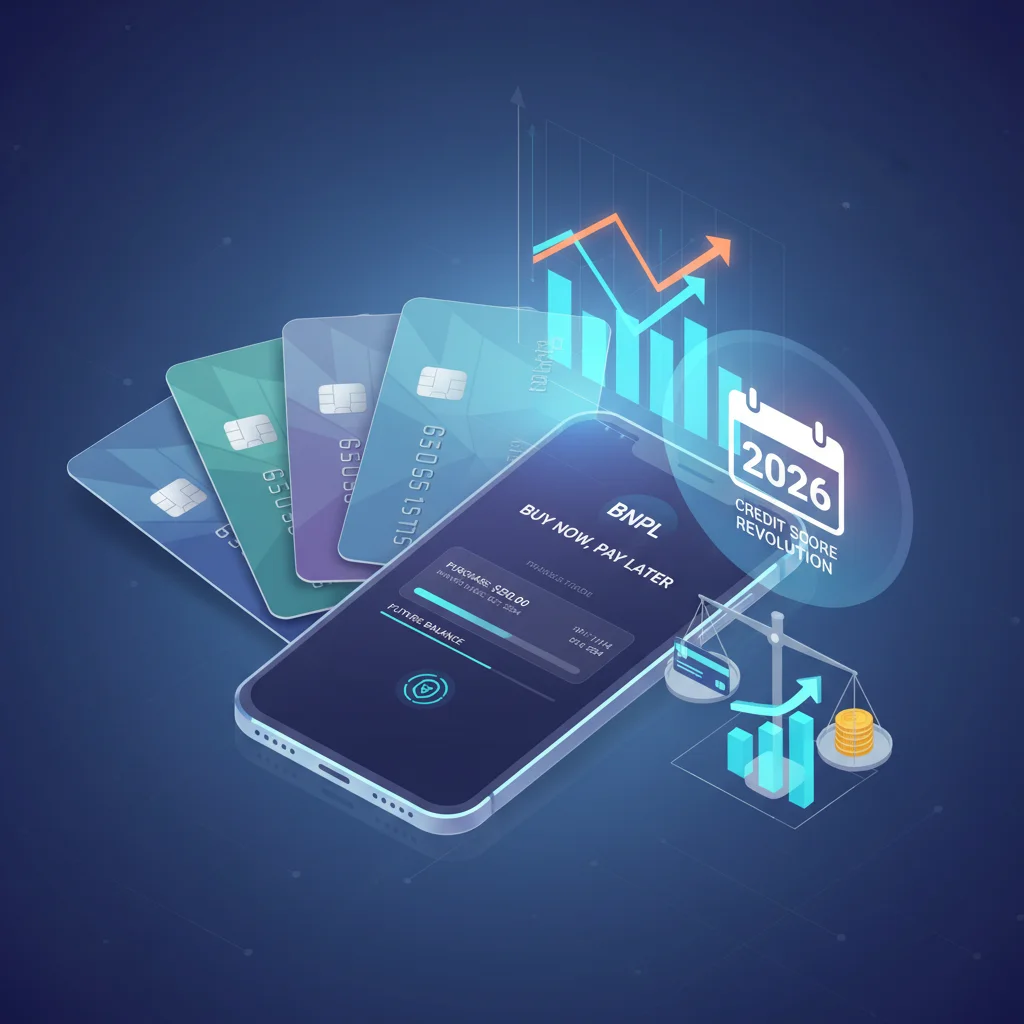
In the ever-evolving world of personal finance, keeping a pulse on changes that affect your credit score is paramount. One such significant shift on the horizon concerns Buy Now, Pay Later (BNPL) services and their interaction with credit reporting. As we approach 2026, the landscape is set to undergo substantial transformations, impacting how your use of BNPL influences your financial standing. This comprehensive guide will explore the upcoming changes, their implications, and provide actionable strategies to ensure your BNPL Credit Score 2026 remains strong.
Understanding the 2026 Credit Score Implications of Buy Now, Pay Later Services
The rise of Buy Now, Pay Later (BNPL) services has revolutionized consumer spending, offering a convenient way to break down purchases into smaller, manageable installments. While initially perceived as a flexible alternative to traditional credit, the financial industry is now catching up, and regulatory bodies, along with major credit bureaus, are refining how these transactions are reported and factored into your credit score. The year 2026 marks a pivotal moment for these changes, making it crucial for consumers to understand the nuances of BNPL Credit Score 2026.
The Evolution of BNPL and Credit Reporting
For years, BNPL transactions largely operated outside the traditional credit reporting ecosystem. Many smaller BNPL providers did not report payment activity to the major credit bureaus (Experian, TransUnion, and Equifax), meaning that while they offered a form of credit, they didn’t directly influence a consumer’s credit score in the same way a credit card or traditional loan would. This offered a dual-edged sword: consumers could use BNPL without immediate credit score implications, but responsible usage also wouldn’t build credit history, and missed payments might not directly harm it (though collections could).
However, as BNPL gained immense popularity, facilitating billions in transactions annually, credit bureaus recognized the need to integrate this data. The sheer volume and widespread adoption of these services made them too significant to ignore. The absence of BNPL data created an incomplete picture of a consumer’s financial obligations and payment behavior, potentially hindering lenders’ ability to accurately assess risk. This realization spurred discussions and initiatives to standardize BNPL reporting.
The move towards comprehensive BNPL reporting is driven by several factors:
- Consumer Protection: Better reporting helps prevent consumers from overextending themselves by taking on too many BNPL plans without a clear understanding of their cumulative impact.
- Lender Accuracy: Access to BNPL data allows lenders to make more informed decisions, offering credit to those who can responsibly manage it and identifying potential risks.
- Credit Building Opportunities: For consumers who use BNPL responsibly, reporting can offer a new avenue to build or improve their credit scores.
- Industry Standardization: Establishing clear guidelines for reporting ensures consistency across different BNPL providers and credit bureaus.
These efforts have culminated in the impending changes slated for 2026, which will significantly alter the landscape of BNPL Credit Score 2026. It’s no longer a question of if BNPL will affect your credit score, but how and to what extent.
Key Changes to Expect in 2026 for BNPL Credit Score
The year 2026 is poised to be a landmark year for how BNPL services interact with your credit report. While the exact implementation details can vary slightly between credit bureaus, the overarching theme is increased transparency and integration. Here’s what consumers need to know about the upcoming changes:
1. Increased Reporting to Major Credit Bureaus
A significant shift will be the more widespread reporting of BNPL payment data to Experian, TransUnion, and Equifax. While some larger BNPL providers have already started reporting, 2026 is expected to see a more comprehensive and standardized approach. This means that your BNPL payment history, including both on-time payments and missed installments, will likely appear on your credit reports.
2. Dedicated BNPL Tradelines
Credit bureaus are developing specific mechanisms to categorize BNPL accounts. For instance, Experian introduced its ‘Experian Boost’ feature to include positive BNPL payment history, and they, along with other bureaus, are establishing dedicated ‘tradelines’ for BNPL. These tradelines will distinguish BNPL activity from traditional installment loans or revolving credit, allowing for a more nuanced assessment. This distinction is crucial as it acknowledges the unique structure of BNPL, which often involves smaller, shorter-term loans.
3. Impact on Credit Scoring Models
Credit scoring models, such as FICO and VantageScore, will adapt to incorporate this new data. Initially, the impact might be subtle as the models are refined. However, over time, consistent positive payment history from BNPL accounts could contribute positively to your score, while missed payments or defaults will likely have a negative effect. The weighting of BNPL data within these models is still being optimized, but the general principle is that payment behavior, regardless of the credit product, is a key indicator of creditworthiness.
4. Potential for Both Positive and Negative Effects
This increased reporting brings both opportunities and risks. Responsible use of BNPL, characterized by on-time payments, could help consumers build a positive credit history, especially those with thin credit files. Conversely, missed payments, late fees, or defaults on BNPL agreements will likely be reported and could negatively impact your credit score, making it harder to secure other forms of credit in the future. The emphasis here is on ‘responsible use’ – treating BNPL obligations with the same seriousness as any other loan.
5. Data Standardization and Dispute Resolution
As BNPL reporting becomes more standardized, consumers can expect clearer processes for disputing inaccuracies on their credit reports related to BNPL accounts. This standardization is vital for ensuring fairness and accuracy in the credit reporting system. The ability to dispute incorrect information is a fundamental right for consumers, and the integration of BNPL data will necessitate robust dispute resolution mechanisms.
Understanding these changes is the first step in preparing for the future of BNPL Credit Score 2026. Consumers will need to be more diligent than ever in managing their BNPL obligations.
How BNPL Affects Credit Scores: The Mechanics
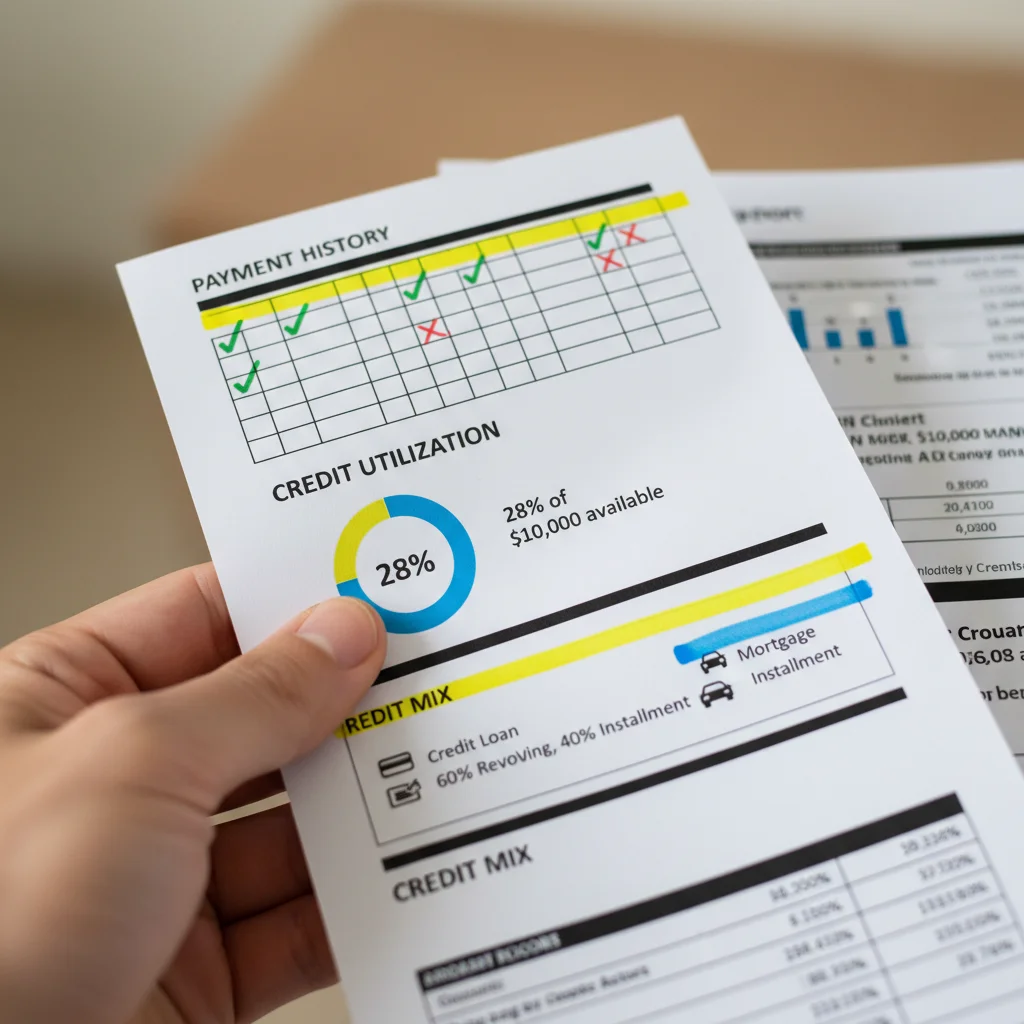
To fully grasp the implications of BNPL Credit Score 2026, it’s essential to understand the fundamental components of a credit score and how BNPL activity might influence each one:
1. Payment History (35% of FICO Score)
This is the most significant factor. On-time payments for your BNPL installments will contribute positively to your payment history, demonstrating reliability. Conversely, late or missed payments will be reported and can severely damage your score. Even a single late payment can have a ripple effect, especially if it’s reported to all three major bureaus.
2. Amounts Owed / Credit Utilization (30% of FICO Score)
While BNPL isn’t revolving credit, having multiple open BNPL accounts, especially if they are for significant amounts relative to your income, could be viewed as a higher debt burden. As credit bureaus develop dedicated BNPL tradelines, they will likely assess the total amount owed across all your BNPL plans. High utilization of available credit (or a high number of active BNPL agreements) can be a red flag for lenders, suggesting financial strain.
3. Length of Credit History (15% of FICO Score)
BNPL accounts, typically short-term, may not significantly contribute to the ‘length of credit history’ component in the same way a long-standing credit card would. However, consistent, responsible use of BNPL over an extended period could indirectly contribute to demonstrating a longer history of managing credit, particularly for those with limited credit files.
4. New Credit (10% of FICO Score)
Each time you apply for a BNPL service, it might result in a ‘soft inquiry’ or, in some cases, a ‘hard inquiry’ on your credit report. While soft inquiries don’t affect your score, multiple hard inquiries in a short period can. As BNPL reporting becomes more robust, the likelihood of hard inquiries for certain BNPL plans might increase, especially for larger purchases or less established consumers. It’s crucial to understand the type of inquiry associated with each BNPL application.
5. Credit Mix (10% of FICO Score)
Having a healthy mix of different credit types (revolving credit, installment loans) can be beneficial. BNPL services are generally considered installment loans. If you only have BNPL accounts and no other traditional credit, it might not significantly improve your credit mix. However, if you already have a mix of credit, adding responsibly managed BNPL accounts could further diversify your credit profile, demonstrating your ability to handle various types of credit.
The key takeaway is that every financial decision, including how you use BNPL, will increasingly be reflected in your credit profile come 2026. Therefore, a proactive and informed approach to managing your BNPL Credit Score 2026 is essential.
Benefits of BNPL Reporting for Consumers
While the prospect of BNPL impacting your credit score might initially seem daunting, there are significant benefits for consumers, particularly those who use these services responsibly.
1. Credit Building Opportunities
For individuals with limited credit history, such as young adults or new immigrants, BNPL can serve as an accessible entry point to establishing a credit profile. Consistent, on-time payments for BNPL plans can demonstrate creditworthiness, helping to build a positive payment history that can then be used to qualify for other traditional credit products like credit cards or mortgages. This is a game-changer for those who have struggled to get approved for traditional credit due to a lack of history.
2. Enhanced Financial Visibility
When BNPL accounts are reported, they provide a more complete picture of your financial obligations. This increased transparency can help both consumers and lenders. Consumers can better track their total debt burden, preventing overspending, while lenders gain a clearer understanding of a borrower’s overall financial health, leading to more accurate risk assessments and potentially more tailored financial product offerings.
3. Greater Accountability
Knowing that your BNPL payment activity will affect your credit score can serve as a powerful motivator for responsible financial behavior. This added layer of accountability can encourage consumers to prioritize their BNPL payments, just as they would with a credit card or car loan, reducing the likelihood of missed payments and defaults.
4. Potential for Better Credit Terms
As your credit score improves through responsible BNPL use, you may become eligible for better interest rates and terms on other loans and credit products. A higher credit score signals lower risk to lenders, often translating into more favorable borrowing conditions across the board.
These benefits highlight that the integration of BNPL into credit reporting is not solely about stricter controls, but also about fostering a more transparent and equitable credit ecosystem for consumers. The key is to leverage these changes to your advantage, ensuring your BNPL Credit Score 2026 reflects your financial discipline.
Risks and Challenges of BNPL Credit Score Reporting
Despite the potential benefits, the expanded reporting of BNPL services also introduces several risks and challenges that consumers need to be aware of.
1. Negative Impact from Missed Payments
The most immediate risk is the negative impact of missed or late payments. Unlike the past, where some BNPL defaults might not have directly hit your credit score, come 2026, these instances will likely be reported, similar to other forms of credit. A single missed payment can significantly drop your credit score and remain on your report for up to seven years, making it harder to access future credit.
2. Over-Indebtedness and Credit Overload
The ease of use and perceived low-risk nature of BNPL can lead consumers to take on multiple plans simultaneously. When these are all reported to credit bureaus, the cumulative debt burden could appear substantial, even if individual payments are small. This could lead to a higher ‘amounts owed’ factor on your credit report, potentially lowering your score and signaling to lenders that you are overextended.
3. Impact of Hard Inquiries
If BNPL applications increasingly involve hard inquiries, frequently applying for new BNPL plans could lead to a series of hard inquiries on your credit report. Too many hard inquiries in a short period can negatively affect your score, as it suggests you might be a higher credit risk.
4. Complexity for Consumers with Multiple BNPL Accounts
Managing multiple BNPL payment schedules, especially if they have different due dates and terms, can become complex. It increases the risk of forgetting a payment or mismanaging funds, leading to late payments. The ease of signing up for BNPL at various retailers can quickly accumulate numerous repayment obligations that are difficult to track.
5. Potential for ‘Thin File’ Individuals to be More Vulnerable
While BNPL can help build credit for those with thin files, it also means that any negative activity will have a more pronounced impact on their nascent credit history. Without a long history of positive credit to cushion the blow, a few missed BNPL payments could severely set back their credit-building efforts.
Understanding these risks is critical for responsible financial planning. Consumers must approach BNPL with caution, awareness, and a clear strategy to mitigate potential negative impacts on their BNPL Credit Score 2026.
Strategies for Managing Your BNPL Credit Score in 2026
As the credit landscape shifts, proactive management of your BNPL accounts will be essential to maintain a healthy credit score. Here are actionable strategies to prepare for and navigate the changes in BNPL Credit Score 2026:
1. Prioritize On-Time Payments
This is the most critical step. Treat BNPL payments with the same importance as any other loan or credit card bill. Set up automatic payments whenever possible, or use calendar reminders to ensure you never miss a due date. Even small, seemingly insignificant BNPL installments can now impact your credit history.
2. Monitor Your Credit Report Regularly
With increased reporting, it’s more important than ever to check your credit reports from all three major bureaus (Experian, TransUnion, Equifax) at least once a year, or more frequently using free services like AnnualCreditReport.com. Look for any inaccuracies related to your BNPL accounts and dispute them promptly. Ensure that all reported information is correct, including payment statuses and account balances. This vigilance is key to protecting your BNPL Credit Score 2026.
3. Be Mindful of Multiple BNPL Accounts
Resist the temptation to open numerous BNPL accounts simultaneously, especially for non-essential purchases. Each new account, and the cumulative debt, will be visible on your credit report. Consider whether you truly need to use BNPL for every purchase or if a traditional credit card (if managed responsibly) might be a better option for building a more robust credit history.
4. Understand the Terms and Conditions
Before agreeing to any BNPL plan, thoroughly read the terms and conditions. Understand the payment schedule, any associated fees (late fees, rescheduling fees), and crucially, whether the provider reports to credit bureaus and if they perform hard or soft inquiries. Knowledge is power when it comes to managing your BNPL Credit Score 2026.
5. Budget and Plan Ahead
Incorporate all your BNPL payments into your monthly budget. Ensure you have sufficient funds to cover all installments without straining your finances. A comprehensive budget helps prevent overspending and ensures you can meet all your financial obligations on time.

6. Consolidate or Limit BNPL Use if Necessary
If you find yourself overwhelmed with too many BNPL payments, consider consolidating or temporarily limiting your use of these services. Focus on paying down existing balances before taking on new ones. Sometimes, simplifying your financial obligations can be the best strategy for credit health.
7. Build a Diversified Credit Profile
While BNPL can help build credit, it’s beneficial to have a diversified credit mix. This includes a mix of revolving credit (like credit cards) and installment loans (like car loans or student loans). Demonstrating responsible management across various credit types can positively impact your overall credit score.
By adopting these strategies, you can effectively navigate the changes in 2026 and ensure that your use of BNPL services contributes positively to your financial health, rather than detracting from it. The goal is to make BNPL Credit Score 2026 a tool for financial empowerment.
The Future Landscape Beyond 2026
The changes slated for 2026 are not the endpoint but rather a significant step in the ongoing evolution of credit reporting and consumer finance. The landscape of BNPL Credit Score 2026 will continue to adapt as technology advances and consumer spending habits evolve. Here’s a glimpse into potential future developments:
1. More Sophisticated Scoring Models
Credit scoring models will likely become even more sophisticated in how they interpret BNPL data. This could involve differentiating between various types of BNPL products (e.g., smaller, short-term plans versus larger, longer-term ones) and assessing the total number of active BNPL accounts in a more nuanced way. The aim is to provide an even more accurate reflection of a consumer’s credit risk.
2. Increased Regulatory Scrutiny
As BNPL becomes more integrated into the traditional financial system, it is likely to face increased regulatory scrutiny. This could lead to further consumer protection measures, clearer disclosure requirements, and potentially more standardized practices across the industry. Such regulations would aim to protect consumers from predatory practices and ensure fair treatment.
3. Integration with Open Banking
The rise of open banking, where consumers can securely share their financial data with third-party providers, could further integrate BNPL activity into broader financial assessments. This might allow for even more personalized credit offerings and financial advice, based on a holistic view of a consumer’s income, spending, and debt obligations, including BNPL.
4. Focus on Financial Literacy
As the implications of BNPL on credit scores become more apparent, there will likely be an increased emphasis on financial literacy and education. Consumers will need to be well-informed about the impact of their choices on their credit health, driving demand for clear, accessible information about products like BNPL.
5. Evolution of BNPL Products
BNPL providers themselves may adapt their offerings in response to these changes. They might introduce new products that are specifically designed to help consumers build credit, or they might offer more robust financial management tools to help users stay on track with their payments. The competitive landscape will drive innovation, potentially leading to more consumer-friendly options.
Staying informed about these future trends will be crucial for maintaining optimal financial health. The journey of BNPL Credit Score 2026 is part of a larger movement towards a more transparent and integrated financial ecosystem, where every credit decision, big or small, holds weight.
Conclusion: Navigating Your BNPL Credit Score in 2026 and Beyond
The year 2026 marks a significant turning point for Buy Now, Pay Later services and their impact on your credit score. What was once largely an unregulated corner of consumer finance is now being brought into the fold of traditional credit reporting. This shift, driven by major credit bureaus like Experian, TransUnion, and Equifax, aims to provide a more complete and accurate picture of a consumer’s financial obligations and payment behavior.
For consumers, this means that your use of BNPL will no longer exist in a credit reporting vacuum. Responsible and timely payments on your BNPL plans will contribute positively to your credit history, offering a valuable pathway for credit building, particularly for those with limited traditional credit. Conversely, missed or late payments will likely incur negative consequences, potentially lowering your credit score and making it harder to access other forms of credit in the future.
The key to navigating these changes successfully lies in proactive financial management. Prioritizing on-time payments, diligently monitoring your credit reports for accuracy, understanding the terms of each BNPL agreement, and integrating all your repayment obligations into a comprehensive budget are crucial steps. By being mindful of the number of BNPL accounts you open and ensuring you can comfortably meet all your financial commitments, you can leverage BNPL as a tool for financial empowerment rather than a source of credit risk.
The evolution of BNPL Credit Score 2026 is part of a broader trend towards greater transparency and accountability in the financial industry. By staying informed and adopting responsible financial habits, you can ensure that these changes work in your favor, helping you build and maintain a strong credit profile for years to come. Your financial future is in your hands, and understanding how BNPL fits into that future is more important now than ever.