
Navigating Hard Inquiries in 2026: When Do They Really Hurt Your Credit Score?
In the ever-evolving landscape of personal finance, understanding how various actions impact your credit score is paramount. Among the most discussed and often misunderstood topics are hard credit inquiries. As we delve into 2026, the principles remain largely consistent, but the nuances of managing your financial footprint become increasingly critical. Many consumers live in fear of these inquiries, often delaying necessary financial moves due to concerns about their credit score. But when do they truly hurt, and when are they a necessary evil? This comprehensive guide aims to demystify hard credit inquiries, providing you with the knowledge to make informed decisions and maintain a robust credit profile.
Your credit score is a numerical representation of your creditworthiness, a three-digit number that dictates access to loans, credit cards, mortgages, and even apartment rentals. It’s built on a foundation of your payment history, amounts owed, length of credit history, credit mix, and new credit. New credit, specifically, is where hard credit inquiries come into play. Every time you apply for a new line of credit – be it a credit card, a car loan, a mortgage, or a personal loan – a lender typically requests your credit report from one or more of the three major credit bureaus (Experian, Equifax, and TransUnion). This request is what’s known as a hard inquiry, and it leaves a mark on your credit report.
The anxiety surrounding hard credit inquiries is not entirely unfounded. They can indeed cause a slight dip in your credit score. However, the extent of this impact, its duration, and how it interacts with other elements of your credit profile are often exaggerated. Understanding these factors is key to navigating your financial journey with confidence. This article will break down the mechanics of hard inquiries, differentiate them from their softer counterparts, explain their impact on your score, and offer strategic advice on how to manage them effectively in 2026 and beyond.
What Exactly is a Hard Credit Inquiry?
Before we dissect the impact, let’s establish a clear definition. A hard credit inquiry, also known as a ‘hard pull’ or ‘hard check,’ occurs when a lender checks your credit report to make a lending decision. This happens when you actively apply for new credit. Think of it as a formal investigation into your credit history to assess your risk as a borrower. Lenders use this information to determine whether to approve your application and what interest rate to offer you. Because it’s associated with applying for new credit, which introduces new risk, it has the potential to negatively affect your credit score.
Contrast this with a ‘soft credit inquiry’ or ‘soft pull.’ Soft inquiries occur when you check your own credit score, when a pre-approved credit card offer lands in your mailbox, or when a lender checks your credit for identity verification or account review purposes without you having applied for new credit. The crucial difference is that soft inquiries do not affect your credit score because they are not linked to a new application for credit. They are merely informational checks and are not visible to other lenders. This distinction is vital for anyone monitoring their credit or considering new financial products.
The reason hard credit inquiries can impact your score lies in the perception of risk. When you apply for multiple new credit lines in a short period, it can signal to lenders that you might be in financial distress or are taking on too much debt, making you a higher risk. This is why credit scoring models like FICO and VantageScore factor these inquiries into their calculations, albeit typically as a minor component.
The Impact of Hard Inquiries on Your Credit Score in 2026
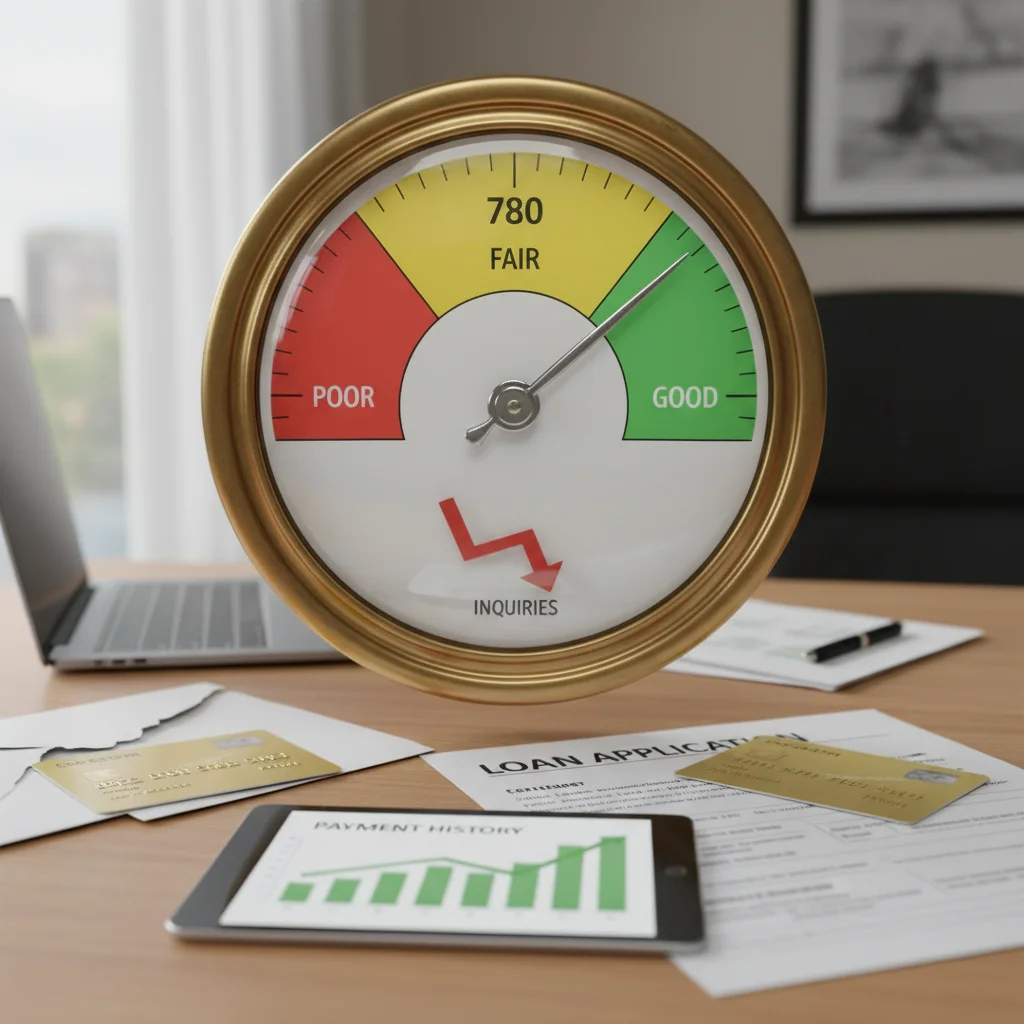
Now to the core question: how much do hard credit inquiries actually hurt your credit score? The good news is, for most people, the impact is usually minimal and temporary. A single hard inquiry might cause a drop of around 1 to 5 points, sometimes even less. For individuals with an already strong credit history, the effect might be negligible. However, if you have a short credit history or several recent inquiries, the impact could be slightly more pronounced.
Credit scoring models consider ‘new credit’ as approximately 10% of your FICO score. This category includes not only hard inquiries but also the opening of new accounts. Therefore, while inquiries are a factor, they are far from the most dominant one. Your payment history (35%) and amounts owed (30%) hold significantly more weight. This perspective helps contextualize the true impact of hard credit inquiries.
It’s important to remember that credit scoring models are designed to assess overall risk. A solitary hard inquiry from applying for a mortgage, for instance, is viewed very differently than numerous inquiries for credit cards within a few months. The models are sophisticated enough to distinguish between rate shopping for a single loan and an aggressive pursuit of multiple new credit lines.
Another crucial factor is the age of your credit accounts. Newer accounts, often a result of recent inquiries, can lower the average age of your credit history, which is another factor in your score. However, the benefits of establishing new, responsible credit (like diversifying your credit mix or getting a lower interest rate on a loan) often outweigh this minor, temporary negative effect.
How Long Do Hard Inquiries Stay on Your Credit Report?
The good news about hard credit inquiries is that their presence on your credit report is not permanent. Typically, a hard inquiry will remain on your credit report for two years from the date of the inquiry. However, their impact on your credit score usually diminishes much sooner. Credit scoring models tend to give less weight to inquiries as they age. After about 12 months, most scoring models no longer consider hard inquiries when calculating your score, even though they remain visible on your report for the full two years.
This means that while a hard inquiry might cause a small dip initially, its influence on your score is relatively short-lived. This temporary nature should alleviate some of the fear associated with applying for necessary credit. If you’re strategic about your applications, the long-term benefits of new credit (like a lower interest rate on a mortgage or an improved credit mix) will far outweigh the fleeting negative impact of the inquiry.
It’s also worth noting that the visibility of inquiries can vary between credit bureaus. While all three major bureaus record hard inquiries, how they are displayed or weighted might have slight variations. Regularly checking your credit report from all three bureaus is a good practice to ensure accuracy and understand your full credit picture.
Strategic Approaches to Managing Multiple Hard Inquiries (Rate Shopping)
One of the most common concerns regarding hard credit inquiries arises when consumers are shopping for a significant loan, such as a mortgage, auto loan, or student loan. It’s natural to want to compare offers from multiple lenders to secure the best rates and terms. Fortunately, credit scoring models are designed to recognize this ‘rate shopping’ behavior and treat it differently from applying for many different types of credit.
When you apply for the same type of loan (e.g., multiple auto loans or multiple mortgages) within a concentrated period – typically 14 to 45 days, depending on the scoring model – these multiple inquiries are often counted as a single hard inquiry for scoring purposes. This is known as the ‘deduplication period’ or ‘shopping period.’ The logic is that you’re looking for one loan, not trying to open several new credit accounts simultaneously.
This flexibility is incredibly beneficial. It means you can shop around for the best mortgage rate without worrying that each individual inquiry will significantly ding your score. The key is to keep your applications for the same type of credit within that specified shopping window. Beyond this window, subsequent inquiries for the same type of credit might be treated as separate inquiries, potentially leading to a larger cumulative impact.
For credit cards, however, this deduplication rule generally does not apply. Each application for a new credit card typically results in a separate hard inquiry, and each of those inquiries can impact your score individually. This is because applying for multiple credit cards usually indicates a desire for multiple new lines of revolving credit, which carries a different risk profile than seeking a single installment loan.
When Hard Inquiries Become a Problem
While the impact of individual hard credit inquiries is often minor, there are scenarios where they can become a more significant concern. Understanding these situations can help you avoid unnecessary damage to your credit score:
- Numerous Inquiries in a Short Period (for different types of credit): If you apply for multiple different types of credit (e.g., a credit card, a personal loan, and a store card) within a few months, this can signal financial distress to lenders. Each of these inquiries will likely be treated separately, leading to a more substantial cumulative drop in your score.
- Short Credit History: If you’re new to credit, your credit file is thin. A hard inquiry can have a more pronounced effect on a limited history compared to someone with years of established credit.
- Already Low Credit Score: If your credit score is already on the lower side, any negative impact, even a small one, can push it further down, potentially making it harder to qualify for new credit or obtain favorable terms.
- Applying for Credit You Don’t Need: Every hard inquiry should be for a legitimate and necessary financial need. Applying for credit ‘just in case’ or for trivial amounts can accumulate inquiries without providing significant financial benefit.
The overarching theme here is responsible credit management. Every application for credit should be a considered decision, not an impulsive one. Before applying, assess your genuine need, your likelihood of approval, and how the new credit will fit into your overall financial plan.
Minimizing the Impact of Hard Inquiries in 2026
Even when a hard credit inquiry is necessary, there are strategies you can employ to minimize its impact and protect your credit score:
- Be Strategic with Applications: Only apply for credit when you genuinely need it. Avoid applying for multiple different types of credit simultaneously. If you’re rate shopping for a single loan (like a mortgage or auto loan), do so within a narrow timeframe (e.g., 14-45 days) to have inquiries treated as one.
- Check Your Credit Score and Report Regularly: Before applying for new credit, know where you stand. Access your free annual credit reports from AnnualCreditReport.com and check your score through various services. This helps you understand your eligibility and identify any errors.
- Maintain a Strong Overall Credit Profile: The best defense against the minor impact of a hard inquiry is an excellent credit history. Pay your bills on time, keep your credit utilization low, and maintain a diverse credit mix. These factors far outweigh the influence of inquiries.
- Pre-Qualification vs. Pre-Approval: Understand the difference. Pre-qualification often involves a soft inquiry and gives you an idea of what you might qualify for. Pre-approval, especially for mortgages, usually involves a hard inquiry. Use pre-qualification to narrow down lenders before committing to a hard inquiry.
- Avoid Unnecessary Credit Applications: Resist the urge to apply for store credit cards just for a small discount, especially if you don’t genuinely need or plan to use the card regularly.
- Space Out Applications: If you anticipate needing several different types of credit (e.g., a new credit card and then a car loan), try to space out your applications over several months.
By adopting these practices, you can effectively navigate the necessity of hard credit inquiries without unduly jeopardizing your credit health. Remember, the goal is not to avoid all inquiries, but to manage them intelligently.

The Myth of Avoiding All Hard Inquiries
There’s a common misconception that all hard credit inquiries are inherently bad and should be avoided at all costs. This mindset can be detrimental to your financial growth. Sometimes, a hard inquiry is a necessary step towards achieving significant financial goals, such as buying a home, purchasing a car, or investing in your education with a student loan. The benefits of securing a low-interest loan or a credit card with favorable terms often far outweigh the minor, temporary dip in your credit score caused by an inquiry.
For example, if a hard inquiry allows you to secure a mortgage with an interest rate that is even a quarter of a percentage point lower, the savings over the life of the loan could be in the thousands of dollars. This financial gain is far more significant than a temporary 5-point drop in your credit score. The key is to make informed decisions and understand the trade-offs.
Moreover, responsibly managing new credit accounts, even those initiated by a hard inquiry, can ultimately strengthen your credit profile. Making timely payments and keeping utilization low on a new credit card or loan demonstrates responsible borrowing behavior, which can lead to a higher credit score in the long run. Therefore, viewing hard inquiries as an unavoidable part of a healthy financial life, rather than something to be feared, is a more constructive approach.
Understanding Your Credit Report: A Proactive Approach
A crucial part of managing hard credit inquiries and your overall credit health is regularly reviewing your credit reports. You are entitled to a free copy of your credit report from each of the three major credit bureaus once every 12 months via AnnualCreditReport.com. It’s a good practice to space these requests out throughout the year, perhaps pulling one report every four months, to keep a consistent eye on your financial data.
When reviewing your report, pay close attention to the section on inquiries. Ensure that all hard inquiries listed are legitimate and that you recognize the lenders. If you find an inquiry you don’t recognize, it could be a sign of identity theft or an error. In such cases, you should dispute the inquiry with the relevant credit bureau immediately. Correcting errors is vital for maintaining an accurate and healthy credit score.
Beyond identifying fraudulent inquiries, reviewing your report helps you understand the timing and frequency of your legitimate inquiries. This insight can inform future decisions about applying for new credit and help you adhere to the strategic management tips discussed earlier. Proactive monitoring transforms you from a passive recipient of your credit score into an active manager of your financial reputation.
The Future of Credit Scoring and Hard Inquiries in 2026 and Beyond
While the fundamental principles of hard credit inquiries are likely to remain consistent in 2026, credit scoring models are always evolving. There’s a continuous push towards more inclusive and predictive models, often incorporating alternative data points beyond traditional credit reports. However, the core elements like payment history, credit utilization, and new credit (including inquiries) will almost certainly retain their significance.
As technology advances, we might see even more sophisticated ways for lenders to assess risk, potentially further refining how inquiries are weighted. However, the advice to be mindful, strategic, and responsible with credit applications will always hold true. Staying informed about changes in credit scoring methodologies and remaining diligent in your credit management practices will ensure you are well-prepared for any future developments.
The emphasis will continue to be on demonstrating responsible financial behavior. Lenders want to see that you can manage credit wisely, pay your debts, and aren’t overextending yourself. Each interaction with credit, including the decision to incur a hard inquiry, contributes to this narrative. Therefore, a thoughtful approach to credit is your best long-term strategy for financial success.
Conclusion: Empowering Your Credit Journey
In conclusion, hard credit inquiries are a normal and often necessary part of engaging with the financial system. While they can cause a minor, temporary dip in your credit score, their impact is often exaggerated and short-lived. By understanding what hard inquiries are, how they differ from soft inquiries, and how credit scoring models treat them, especially in the context of rate shopping, you can approach new credit applications with confidence.
The key to success in 2026 and beyond lies in strategic application, diligent credit monitoring, and maintaining an overall healthy credit profile. Don’t let the fear of a hard inquiry deter you from pursuing beneficial financial opportunities. Instead, arm yourself with knowledge, make informed decisions, and use inquiries as a tool to build a stronger financial future. Your credit score is a reflection of your financial responsibility, and by managing hard credit inquiries intelligently, you empower yourself to take control of that narrative.