Stop Robocalls 2026: New FCC Regulations Explained
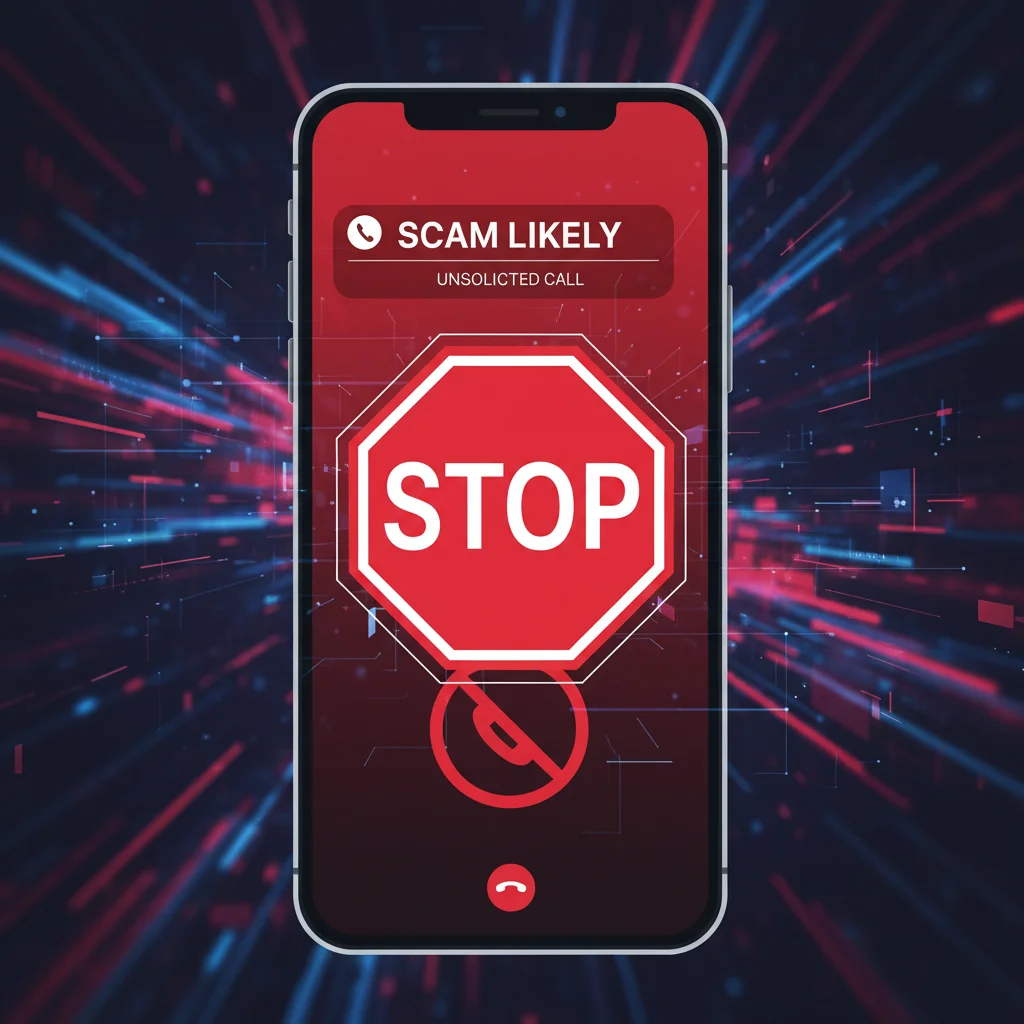
The incessant ringing of unwanted robocalls has become a pervasive modern-day annoyance, disrupting our daily lives, eroding trust in our communication systems, and, in many cases, leading to outright fraud. From misleading political messages to deceptive financial schemes, these automated calls are more than just a nuisance; they represent a significant threat to consumer privacy and financial security. The Federal Communications Commission (FCC) has been at the forefront of this battle, continuously evolving its strategies and regulations to combat this digital plague. As we look towards 2026, new FCC regulations are set to roll out, promising a more robust defense against these unsolicited intrusions. Understanding these changes is crucial for every consumer and business owner.
Stop Robocalls 2026: New FCC Regulations Explained
The fight to stop robocalls 2026 is intensifying, with the FCC introducing a fresh wave of regulations designed to curb the tide of unwanted automated calls. This comprehensive guide will delve into the specifics of these upcoming rules, explore their anticipated impact, and provide practical advice on how you can leverage these changes to protect yourself and your loved ones from the relentless barrage of spam calls. The goal is clear: to empower consumers and create a more secure and trustworthy telecommunications environment.
The Ever-Evolving Landscape of Robocalls and the Need for Action
Before we dive into the specifics of the 2026 regulations, it’s important to understand the context. Robocalls are not a static problem; they are a hydra-headed monster, constantly adapting and finding new ways to circumvent existing protections. Scammers employ sophisticated technology, often operating from overseas, making detection and prosecution challenging. This constant evolution necessitates a proactive and adaptive regulatory approach from bodies like the FCC.
The Scale of the Problem
The statistics surrounding robocalls are staggering. Millions of unwanted calls plague Americans every month, leading to billions of dollars in potential losses due to scams. These calls range from simple telemarketing pitches to highly sophisticated phishing attempts designed to steal personal information or financial assets. The sheer volume makes it difficult for individuals to discern legitimate calls from fraudulent ones, leading to a general distrust of unknown numbers and, in some cases, causing people to miss important calls.
Previous FCC Efforts and Their Limitations
The FCC has not been idle. Over the years, they have implemented various measures, including the Do Not Call Registry, rules against spoofing, and the promotion of STIR/SHAKEN call authentication technology. While these initiatives have had some success, they haven’t been a silver bullet. Scammers continue to find loopholes, exploit emerging technologies, and target vulnerable populations. The Do Not Call Registry, for instance, is effective against legitimate telemarketers but often ignored by illicit robocallers. STIR/SHAKEN, while a significant step forward in authenticating caller ID, doesn’t completely eliminate the problem, as bad actors can still acquire authenticated numbers or use other methods to bypass the system.
The limitations of past efforts highlight the urgent need for more stringent and comprehensive regulations. This is precisely where the new FCC regulations for 2026 come into play, aiming to build upon existing frameworks and introduce innovative solutions to truly stop robocalls 2026.
Key Pillars of the New FCC Regulations to Stop Robocalls 2026
The upcoming FCC regulations are expected to focus on several critical areas, strengthening existing defenses and introducing new mechanisms to combat robocalls effectively. These pillars represent a multi-faceted approach to tackling the problem from various angles.
Enhanced Call Authentication (STIR/SHAKEN Expansion)
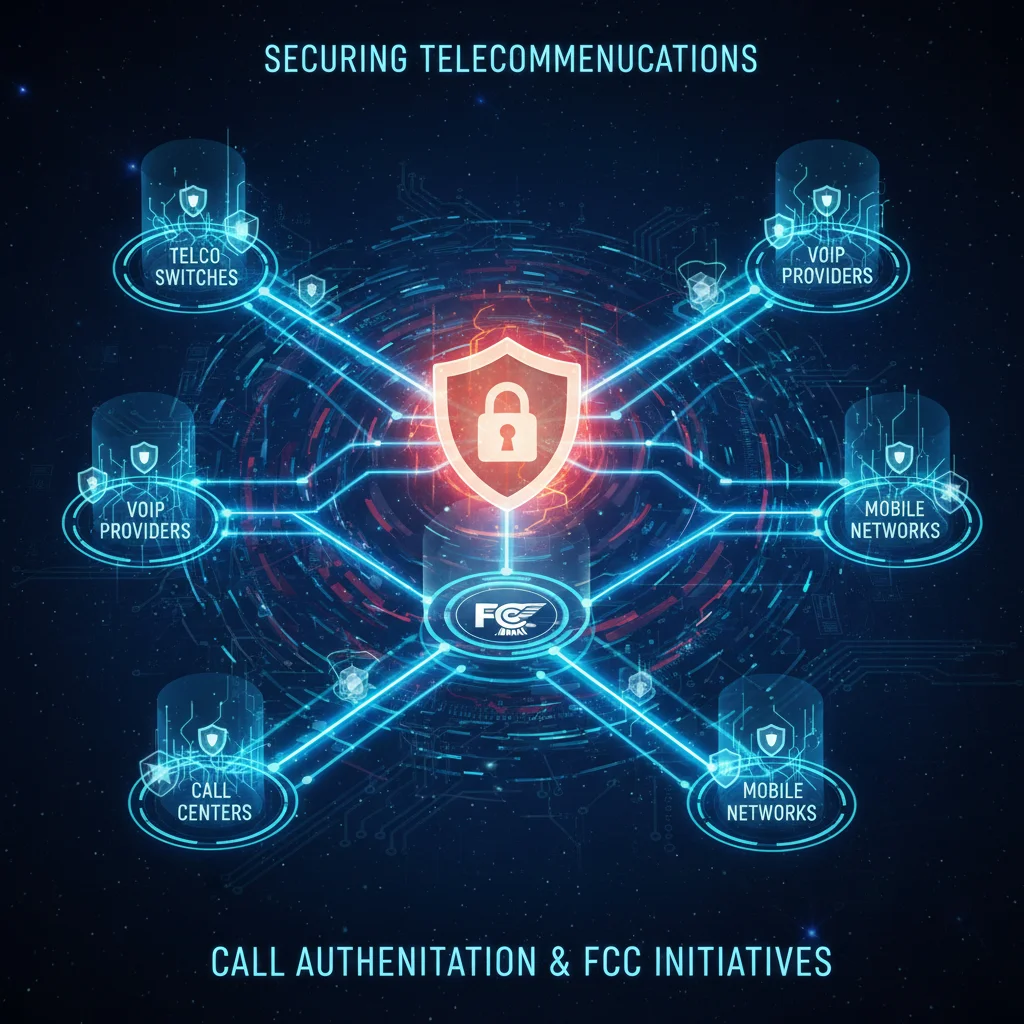
STIR/SHAKEN (Secure Telephone Identity Revisited/Signature-based Handling of Asserted information using Tokens) has been a cornerstone of the FCC’s strategy to combat caller ID spoofing. This technology allows phone companies to verify that the caller ID information transmitted with a call is accurate and has not been tampered with. While initially mandated for larger carriers, the 2026 regulations are expected to expand its reach significantly.
- Broader Implementation: The FCC will likely push for universal STIR/SHAKEN implementation across all service providers, including smaller and rural carriers, who may have previously been exempt or granted extensions. This expanded coverage will close critical gaps that robocallers currently exploit.
- Improved Attestation Levels: The regulations might also focus on improving the ‘attestation’ levels of calls, which indicate how confident a carrier is in the authenticity of the caller ID. Higher attestation levels mean greater trust in the call’s origin, making it harder for spoofed calls to pass through.
- International Gateways: A major challenge has been robocalls originating from outside the U.S. The new rules are expected to place greater responsibility on voice service providers that serve as gateways for international calls, requiring them to implement STIR/SHAKEN or equivalent anti-spoofing measures for incoming foreign calls. This is a crucial step to stop robocalls 2026 from international sources.
Stricter Enforcement and Penalties
Regulations are only as effective as their enforcement. The FCC is expected to ramp up its enforcement actions and impose steeper penalties on those who violate robocall rules. This includes both the entities making illegal calls and the carriers that knowingly or negligently facilitate them.
- Increased Fines: Expect higher monetary penalties for violations of the Telephone Consumer Protection Act (TCPA) and other anti-robocall statutes. These fines are designed to be a significant deterrent, making the cost of illegal robocalling outweigh any potential gains.
- Carrier Accountability: The FCC will likely hold voice service providers more accountable for allowing illegal robocalls to traverse their networks. This could involve requiring carriers to implement more robust fraud prevention measures and promptly respond to traceback requests from the FCC and industry partners.
- Better Collaboration: Enhanced collaboration between the FCC, state attorneys general, and other law enforcement agencies will be crucial. This coordinated effort aims to share intelligence, streamline investigations, and bring more perpetrators to justice.
Advanced Call Blocking Technologies
While STIR/SHAKEN helps identify spoofed calls, active call blocking is essential to prevent unwanted calls from reaching consumers in the first place. The 2026 regulations are anticipated to encourage and potentially mandate more sophisticated call blocking solutions.
- Default Blocking: There might be a push for default call blocking services from carriers, meaning subscribers would have to opt-out if they don’t want calls to be blocked. This shifts the burden from consumers to service providers.
- AI and Machine Learning: The FCC is expected to encourage the use of advanced AI and machine learning algorithms by carriers to identify and block emerging robocall campaigns in real-time. These technologies can analyze call patterns, voice characteristics, and other metadata to detect and neutralize threats quickly.
- Transparency and Appeal Processes: To avoid blocking legitimate calls, the regulations will likely emphasize transparency in blocking practices and establish clear, accessible appeal processes for legitimate callers whose calls are mistakenly blocked.
Empowering Consumers with More Control
Beyond network-level solutions, the new regulations are also expected to empower consumers directly, giving them more tools and information to manage unwanted calls.
- Improved Opt-Out Mechanisms: While the Do Not Call Registry exists, the FCC may introduce more effective and easily accessible opt-out mechanisms for specific types of calls, ensuring consumers can truly control who contacts them.
- Enhanced Call Labeling: Carriers might be required to provide more granular and informative labels for incoming calls, such as ‘Scam Likely,’ ‘Spam Risk,’ or specific categories like ‘Political Call’ or ‘Charity Call,’ allowing consumers to make informed decisions about answering.
- Easier Reporting: The FCC is likely to streamline the process for consumers to report illegal robocalls, making it simpler to submit complaints that can be used to track down and prosecute offenders. This direct feedback loop is vital to stop robocalls 2026.
Anticipated Impact of the New Regulations
The implementation of these new regulations in 2026 is expected to bring about significant changes for both consumers and businesses. While the primary goal is to reduce unwanted robocalls, there will be broader implications for the telecommunications ecosystem.
For Consumers: A Quieter, Safer Phone Experience
The most immediate and welcomed impact for consumers will likely be a noticeable reduction in the volume of illegal robocalls. This means:
- Fewer Disruptions: Less frequent interruptions from spam calls during work, family time, or personal moments.
- Increased Trust: A gradual restoration of trust in incoming calls, making it easier to answer unknown numbers without fear of scams.
- Reduced Fraud: A decrease in the number of people falling victim to robocall scams, saving billions of dollars in potential losses.
- Greater Control: More tools and options to personalize call blocking and filtering, tailored to individual preferences.
However, consumers should also be aware that some legitimate calls might be inadvertently blocked. The FCC is typically mindful of this and aims to strike a balance, but it’s a potential side effect of aggressive call blocking.
For Businesses: Navigating New Compliance Requirements
Legitimate businesses that use automated calling for customer service, appointment reminders, or marketing will need to ensure strict compliance with the new regulations. This could involve:
- Rethinking Outbound Calling Strategies: Businesses might need to review and adjust their automated calling practices to ensure they meet the new standards for consent, caller ID authentication, and call labeling.
- Investing in Compliance Solutions: Companies may need to invest in technologies and services that ensure their outbound calls are properly authenticated and that they adhere to new opt-out requirements.
- Clearer Consent: The regulations might emphasize clearer and more explicit consumer consent for automated calls, requiring businesses to maintain meticulous records of consent.
- Potential for Legitimate Calls to be Blocked: Even legitimate businesses might find some of their calls mistakenly blocked initially. It will be crucial for them to understand the appeal processes and work with carriers to ensure their essential communications reach customers.
For Voice Service Providers: Increased Responsibility and Investment
Carriers will bear a significant portion of the responsibility for implementing and maintaining the new anti-robocall measures. This will require:
- Technological Upgrades: Continued investment in STIR/SHAKEN infrastructure, advanced call blocking platforms, and AI/machine learning capabilities.
- Enhanced Monitoring: More rigorous monitoring of network traffic to identify and mitigate illegal robocall campaigns.
- Increased Collaboration: Closer cooperation with the FCC, other carriers, and law enforcement to trace and stop robocalls.
- Balancing Act: Navigating the delicate balance between aggressive robocall mitigation and ensuring legitimate calls are not unduly blocked.
How You Can Prepare for the New Regulations and Stop Robocalls 2026
While the FCC’s new regulations will provide a stronger framework, consumers still have a vital role to play in protecting themselves. Here are proactive steps you can take now and into 2026 to minimize robocall intrusions:
1. Register and Maintain Your Number on the Do Not Call Registry
This is a foundational step. While it doesn’t stop illegal robocallers, it prevents legitimate telemarketers from contacting you. Ensure your number is registered and periodically check its status at donotcall.gov.
2. Utilize Carrier-Provided Call Blocking and Filtering Tools
Most major carriers (AT&T, Verizon, T-Mobile, etc.) offer free or low-cost call blocking and filtering apps or services. These tools often leverage STIR/SHAKEN data and proprietary algorithms to identify and block or label suspicious calls. Make sure you enable and configure these services.
3. Consider Third-Party Call Blocking Apps
Beyond carrier offerings, several reputable third-party apps like Nomorobo, Hiya, and Truecaller provide advanced call blocking and caller ID features. These apps often have extensive databases of known spam numbers and use community-reported data to enhance their blocking capabilities.
4. Be Skeptical of Unknown Numbers
If you don’t recognize a number, it’s often best not to answer. Legitimate callers will typically leave a voicemail. If it’s important, you can always call them back after verifying their identity.
5. Never Engage with Robocallers
Interacting with a robocaller, even to say ‘stop’ or ‘take me off your list,’ can signal that your number is active, potentially leading to more calls. Simply hang up. Do not press any numbers prompted by an automated voice, as this can also confirm your number’s activity.
6. Report Robocalls
Reporting illegal robocalls to the FCC is crucial. The more data they collect, the better they can track down offenders and refine their enforcement strategies. You can report calls at consumercomplaints.fcc.gov. Provide as much detail as possible, including the number that called, the time of the call, and the nature of the message.
7. Protect Your Personal Information
Be cautious about sharing your phone number online or through surveys. The less your number is exposed, the less likely it is to end up on robocaller lists.
8. Review Your Phone Settings
Many smartphones have built-in features to silence unknown callers or send them directly to voicemail. Explore your phone’s settings to enable these privacy-enhancing options.
The Future of Telecommunications: A More Secure Landscape
The journey to completely eradicate robocalls is ongoing, but the new FCC regulations for 2026 represent a significant leap forward. By strengthening call authentication, increasing enforcement, promoting advanced blocking technologies, and empowering consumers, the FCC aims to create a more trustworthy and secure telecommunications environment. The collaborative effort between regulators, carriers, businesses, and consumers is vital for the success of these initiatives. As we move closer to 2026, staying informed and proactive will be your best defense against the evolving tactics of robocallers.
Continued Vigilance is Key
Even with the most robust regulations, vigilance remains paramount. Scammers will always seek new avenues for exploitation. Therefore, it’s essential to stay updated on the latest scam tactics, educate yourself and your family members, especially the elderly who are often targeted, and continue to report suspicious activity. The collective effort to stop robocalls 2026 is not a one-time fix but a continuous commitment to safeguarding our digital communications.
The Role of AI in Fighting Robocalls
Artificial intelligence and machine learning are not just tools for robocallers; they are also powerful weapons in the fight against them. The new regulations are likely to further encourage carriers to invest in AI-driven solutions that can analyze vast amounts of call data, identify patterns indicative of robocall campaigns, and block them in real-time. This includes recognizing subtle voice inflections, call duration anomalies, and rapid-fire dialing patterns that human operators might miss. The predictive power of AI will be critical in anticipating and neutralizing emerging threats before they reach a wide audience, significantly bolstering efforts to stop robocalls 2026.
International Cooperation
Given that a substantial portion of illegal robocalls originates from outside the United States, international cooperation is an indispensable component of the FCC’s strategy. While the new regulations will place more responsibility on U.S. gateway providers, diplomatic efforts and agreements with foreign governments will also be crucial. Sharing intelligence, coordinating enforcement actions, and establishing international standards for call authentication can create a global front against these transnational criminal enterprises. The FCC’s ability to influence and collaborate with international partners will play a significant role in the long-term effectiveness of the 2026 regulations.
The Importance of Industry Standards and Innovation
Beyond regulatory mandates, the telecommunications industry itself plays a pivotal role in innovation. The FCC’s regulations often provide a baseline, but industry leaders are encouraged to go above and beyond. This includes developing new technologies for call authentication, improving user interfaces for call management, and fostering a culture of security and privacy. Competition among carriers to offer the best anti-robocall solutions can drive innovation, ultimately benefiting consumers. The 2026 regulations will likely serve as a catalyst for further industry investment and technological advancement in this critical area.
Conclusion: A Brighter, Quieter Future
The persistent problem of robocalls has tested the patience and security of millions. However, with the FCC’s aggressive stance and the upcoming regulations for 2026, there is genuine hope for a significant reduction in this digital menace. By understanding these new rules, utilizing available tools, and maintaining a proactive approach, consumers can look forward to a quieter, safer, and more trustworthy telephone experience. The collective effort to stop robocalls 2026 is a testament to the commitment to protecting consumers and restoring integrity to our communication channels. Stay informed, stay vigilant, and embrace the tools designed to empower you in this ongoing fight.