FTC Consumer Alerts May 2026: Protect Yourself from Emerging Scams
FTC Consumer Alerts May 2026: Safeguarding Americans from Emerging Fraud
In an increasingly digital world, the landscape of fraud is constantly evolving, presenting new and sophisticated challenges for consumers. The Federal Trade Commission (FTC), the nation’s primary consumer protection agency, remains at the forefront of identifying and combating these threats. As we move into May 2026, the FTC has issued four critical FTC consumer alerts, shedding light on emerging fraud schemes that are projected to affect over one million Americans annually. These alerts are not just warnings; they are a call to action, providing vital information to help individuals recognize, avoid, and report scams, thereby protecting their hard-earned money and personal information.
The financial and emotional toll of fraud can be devastating. From sophisticated phishing attacks to deceptive investment opportunities and imposter scams, fraudsters are relentless in their pursuit of vulnerable targets. Understanding the latest tactics employed by these criminals is the first line of defense. This comprehensive guide will delve into each of the four new FTC consumer alerts for May 2026, offering detailed explanations, real-world examples, and actionable advice to empower you to safeguard yourself and your loved ones. By staying informed and vigilant, you can significantly reduce your risk of becoming a victim.
The Escalating Threat of Online Impersonation Scams
One of the most pervasive and insidious threats highlighted in the latest FTC consumer alerts is the rise of sophisticated online impersonation scams. These schemes involve fraudsters pretending to be someone you trust – a government official, a tech support representative, a family member, or even a romantic interest – to trick you into sending money or divulging sensitive personal information. The sheer volume and variety of these scams make them particularly dangerous, often preying on people’s emotions, fears, or desire for help.
In May 2026, the FTC has observed a significant uptick in scams where criminals impersonate government agencies, such as the IRS, Social Security Administration, or even local law enforcement. They often use alarmist language, threatening arrest, legal action, or the suspension of benefits if immediate payment or information is not provided. These communications can come via phone calls, emails, or even text messages, often employing spoofed caller IDs or legitimate-looking email addresses to enhance their credibility. The goal is always to create a sense of urgency and panic, overriding rational thought.
Another concerning trend is the impersonation of well-known companies or brands. Scammers might send fake alerts about compromised accounts, shipping issues, or subscription renewals, prompting recipients to click on malicious links or call fraudulent customer service numbers. These links often lead to phishing websites designed to steal login credentials, credit card numbers, or other personal data. The sophistication of these fake websites and emails has increased dramatically, making them incredibly difficult to distinguish from legitimate communications.
Furthermore, romance scams, where fraudsters cultivate fake relationships online to extract money, continue to evolve. They now leverage AI-generated profiles and increasingly elaborate backstories, building trust over weeks or months before fabricating an emergency that requires financial assistance. These scams are emotionally devastating and can result in significant financial losses, as victims often send money out of genuine care and concern.
To protect yourself from online impersonation scams, always verify the identity of the person or organization contacting you, especially if they are asking for money or personal information. Do not rely on caller ID or email addresses alone, as these can be spoofed. Instead, contact the organization directly using a phone number or website you know to be legitimate, not one provided by the potential scammer. Be wary of any request for payment via gift cards, wire transfers, or cryptocurrency, as these are often favored by fraudsters because they are difficult to trace and recover. Remember, legitimate government agencies will never demand immediate payment via these methods or threaten you with arrest for unpaid taxes or fines.
Cryptocurrency and Investment Fraud: The New Frontier of Deception
The second major area of concern highlighted by the FTC consumer alerts for May 2026 revolves around the burgeoning world of cryptocurrency and deceptive investment schemes. The allure of quick, high returns in the volatile crypto market, combined with a general lack of understanding among many consumers, creates a fertile ground for fraudsters. These scams are becoming increasingly sophisticated, often blending elements of legitimate investment opportunities with outright deception.
One prevalent scheme is the ‘pig butchering’ scam, a long-con fraud where criminals cultivate relationships with victims, often through dating apps or social media, and then convince them to invest in fake cryptocurrency platforms. The scam gets its name from the way fraudsters ‘fatten up’ their victims with small, seemingly successful returns before encouraging them to invest larger sums, ultimately draining their accounts. These platforms often look incredibly professional, complete with dashboards, charts, and even ‘customer support,’ making them appear legitimate until it’s too late.
Another significant threat involves fraudulent cryptocurrency mining operations or staking pools. Scammers promise guaranteed, exorbitant returns on investments in these ventures, often presenting complex technical jargon to confuse potential investors. They might even show fake dashboards reflecting daily profits, encouraging victims to invest more. In reality, these are simply Ponzi schemes, where early investors are paid with money from later investors, until the whole operation collapses, leaving most victims with nothing.
Beyond cryptocurrency, traditional investment scams are also evolving. Fraudsters are leveraging social media to promote fake investment opportunities, ranging from real estate deals to exotic commodities. They often use deepfake technology to create convincing endorsements from celebrities or financial experts, adding a layer of perceived legitimacy. These schemes frequently pressure individuals into making hasty decisions, emphasizing limited-time offers or exclusive access.
To protect yourself from cryptocurrency and investment fraud, always approach opportunities promising unusually high returns with extreme skepticism. Research any investment platform or company thoroughly before committing funds, and never rely solely on information provided by someone you’ve only met online. Consult with a trusted, independent financial advisor before making any significant investment decisions. Be wary of anyone who pressures you to invest quickly or use a specific, unfamiliar platform. Remember that legitimate investments carry risks, and guaranteed high returns are almost always a red flag. If an investment opportunity sounds too good to be true, it almost certainly is.

Tech Support Scams: Exploiting Fear and Technical Illiteracy
The third area of concern highlighted in the latest FTC consumer alerts for May 2026 is the persistent and evolving threat of tech support scams. These scams exploit individuals’ reliance on technology and, often, their lack of technical expertise, to trick them into paying for unnecessary services, installing malicious software, or granting remote access to their computers. While not new, these scams have become more sophisticated in their delivery and tactics.
Scammers typically initiate contact through various channels. You might receive a pop-up warning on your computer screen, often designed to look like a legitimate security alert from a well-known company like Microsoft or Apple, claiming your system is infected with a virus or has critical errors. These pop-ups often include a toll-free number to call for ‘immediate assistance.’ Alternatively, you might receive unsolicited phone calls from individuals claiming to be from a reputable tech company, stating they’ve detected a problem with your computer or internet connection.
Once contact is established, the scammer will often try to convince you that your computer has a serious problem that only they can fix. They might use technical jargon to confuse you, or even manipulate system tools to make it appear as if your computer is indeed compromised. Their ultimate goal is to get you to pay for bogus repair services, typically at exorbitant prices, or to install remote access software that allows them to control your computer. With remote access, they can install malware, steal personal files, or even lock you out of your own system.
A new twist observed by the FTC is the use of ‘refund scams’ as an extension of tech support fraud. After an initial fraudulent tech support transaction, scammers might call back, claiming they overcharged you and need to issue a refund. They then instruct you to log into your online banking or give them remote access, ostensibly to process the refund. However, they manipulate the screen or your account to make it appear as if they’ve accidentally deposited too much money, then pressure you to ‘return’ the difference, often through gift cards or wire transfers, effectively stealing more money from you.
To protect yourself from tech support scams, remember that legitimate tech companies will not proactively contact you via unsolicited calls, emails, or pop-ups to tell you your computer has a problem. If you see a pop-up warning, close your browser or restart your computer. If you’re concerned about your computer’s health, contact your security software provider or a trusted local technician directly using a phone number you find on their official website. Never give remote access to your computer to someone you don’t know and trust, and never provide personal or financial information to unsolicited callers. Always be suspicious of requests for payment in unusual forms like gift cards or wire transfers.
Deceptive Online Shopping Practices and Subscription Traps
The fourth and final key area highlighted in the FTC consumer alerts for May 2026 addresses deceptive online shopping practices and the proliferation of hidden subscription traps. As e-commerce continues its rapid expansion, so too do the opportunities for unscrupulous sellers to mislead consumers, often through sophisticated website designs and confusing terms and conditions.
One common deceptive practice involves ‘phantom’ online stores or products. Scammers create professional-looking e-commerce websites advertising popular products at unbelievably low prices. Consumers place orders and make payments, but the products either never arrive, or what does arrive is a cheap, counterfeit item entirely different from what was advertised. These websites often disappear quickly, making it difficult for victims to seek refunds or recourse. They frequently leverage social media ads, targeting specific demographics with enticing, but fake, offers.
Another significant concern is the rise of hidden subscription traps. Consumers are often lured by ‘free trials’ or deeply discounted initial offers for products or services, ranging from health supplements to digital content. However, buried in the fine print or obscure checkboxes, there’s a clause that automatically enrolls them into expensive monthly subscriptions once the trial period ends. Canceling these subscriptions can be incredibly difficult, involving convoluted processes, unresponsive customer service, or even requiring consumers to jump through hoops to prove their identity.
The FTC has also noted an increase in ‘dark patterns’ in online interfaces. These are design choices that trick users into doing things they didn’t intend, such as signing up for recurring charges, sharing more personal data than necessary, or making purchases they later regret. Examples include pre-checked boxes for additional services, confusing navigation to cancel subscriptions, or urgent countdown timers designed to pressure purchases.
To protect yourself from deceptive online shopping and subscription traps, always exercise caution when encountering deals that seem too good to be true. Before making a purchase from an unfamiliar website, research the seller’s reputation by reading reviews from multiple sources. Look for secure payment gateways (HTTPS in the URL, padlock icon). When signing up for free trials or discounted offers, meticulously read the terms and conditions, paying close attention to cancellation policies and any automatic renewal clauses. Use virtual credit card numbers if available, or a dedicated credit card with a low limit for online purchases, to limit potential exposure. Regularly review your bank and credit card statements for unauthorized charges or unexpected subscriptions, and dispute them immediately.
The Broader Impact: Why These FTC Consumer Alerts Matter
The vigilance of the FTC in issuing these FTC consumer alerts for May 2026 underscores a critical reality: fraud is not just a nuisance; it’s a significant economic and social problem. The estimated annual impact of these emerging fraud schemes affecting over 1 million Americans is staggering, leading to billions of dollars in losses, eroded trust in digital platforms, and immense emotional distress for victims.
Beyond the immediate financial loss, victims often experience identity theft, damaged credit scores, and long-term psychological impacts. The time and effort required to recover from fraud can be substantial, involving countless hours spent contacting banks, credit bureaus, and law enforcement. Moreover, the prevalence of these scams can lead to a general sense of distrust, making legitimate online interactions more challenging.
These FTC consumer alerts serve multiple vital purposes. Firstly, they empower consumers with knowledge, enabling them to recognize the red flags of various scams before they fall victim. Education is arguably the most powerful tool in fraud prevention. Secondly, by highlighting specific trends, the FTC helps law enforcement agencies and technology companies better understand the evolving threat landscape, fostering the development of more effective countermeasures and protective technologies. Thirdly, the alerts encourage a culture of reporting. When consumers report scams, even if they haven’t lost money, they provide valuable intelligence that helps the FTC and other agencies track down fraudsters and take enforcement action.
Proactive Steps to Enhance Your Protection
While understanding the specific threats outlined in the FTC consumer alerts is crucial, adopting a proactive and holistic approach to cybersecurity and personal financial protection is equally important. Here are some overarching strategies to bolster your defenses against fraud:
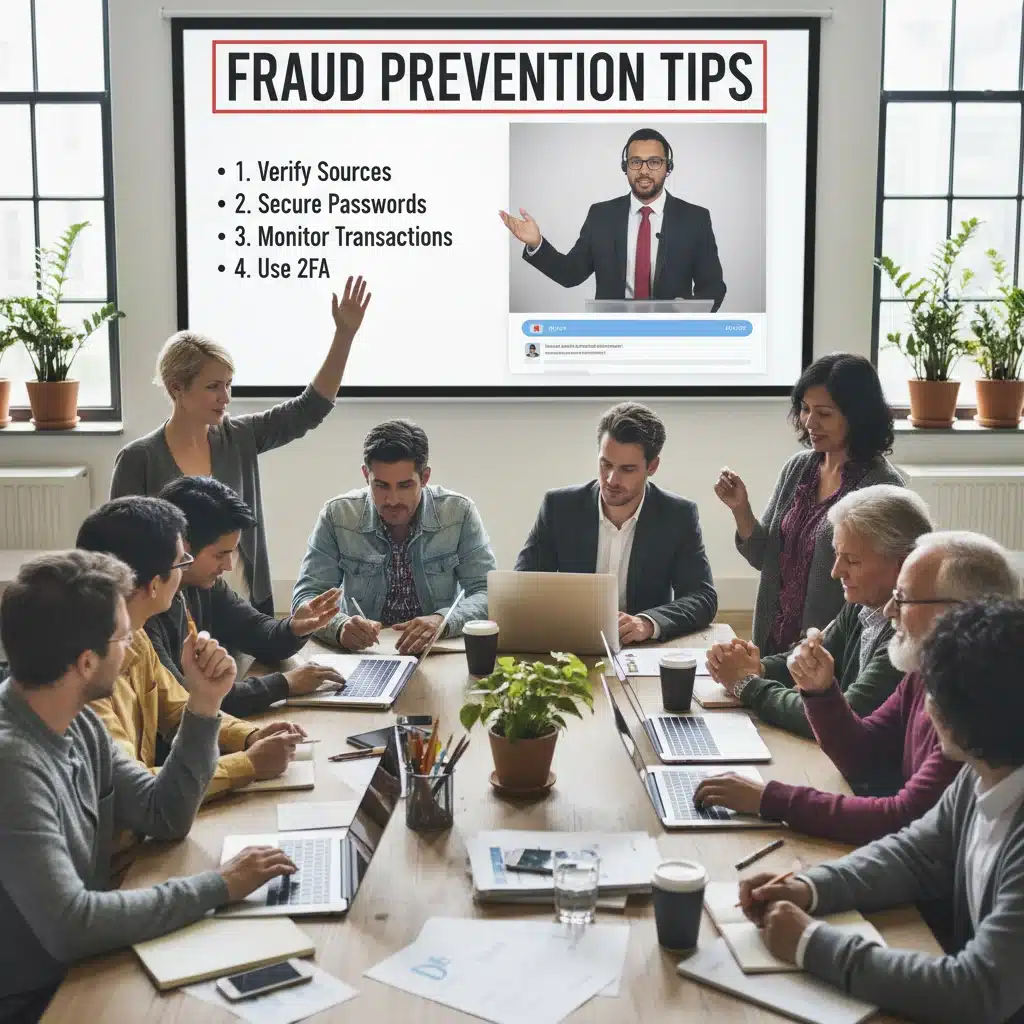
- Enable Multi-Factor Authentication (MFA): For all your online accounts, especially banking, email, and social media, enable MFA. This adds an extra layer of security, typically requiring a code from your phone in addition to your password, making it much harder for unauthorized individuals to access your accounts even if they steal your password.
- Strong, Unique Passwords: Use strong, unique passwords for every online account. Consider using a reputable password manager to help you create and store complex passwords securely. Avoid reusing passwords across different sites.
- Regularly Monitor Financial Accounts: Check your bank and credit card statements frequently for any suspicious activity. The sooner you spot an unauthorized transaction, the quicker you can report it and minimize potential damage.
- Be Skeptical of Unsolicited Communications: Treat all unsolicited emails, calls, and text messages with extreme caution, especially if they ask for personal information, money, or immediate action. Verify the sender/caller independently.
- Update Software Regularly: Keep your operating system, web browsers, and antivirus software updated. These updates often include critical security patches that protect against new vulnerabilities.
- Educate Yourself and Others: Share information about current scams with friends and family, especially older relatives who may be more susceptible to certain types of fraud. The more informed everyone is, the safer the community becomes.
- Review Privacy Settings: Regularly review and adjust the privacy settings on your social media accounts and other online platforms to limit the amount of personal information publicly available to potential scammers.
- Backup Your Data: Regularly back up important files and data to an external hard drive or cloud service. This can be a lifesaver if your computer is compromised by ransomware or other malicious software.
Reporting Scams: Your Role in Fighting Fraud
Reporting scams is a vital step in the collective fight against fraud. Even if you haven’t lost money, your report provides valuable data that helps the FTC and other law enforcement agencies identify patterns, track down criminals, and issue more targeted FTC consumer alerts in the future. If you encounter a scam, take action:
- Report to the FTC: File a report with the Federal Trade Commission at ReportFraud.ftc.gov. This is the central hub for reporting all types of fraud and identity theft.
- Contact Your Bank/Credit Card Company: If you’ve sent money or provided financial information, contact your bank or credit card company immediately to report the fraud and discuss potential recovery options.
- Notify Law Enforcement: For significant financial losses or identity theft, consider filing a report with your local police department.
- Alert the Platform: If the scam occurred on a specific platform (e.g., social media, dating app, online marketplace), report the fraudulent account or activity to the platform administrators.
- Inform the Company Being Impersonated: If a scammer impersonated a legitimate company or government agency, notify that organization directly.
Conclusion: Staying Ahead of the Curve with FTC Consumer Alerts
The four new FTC consumer alerts for May 2026 serve as a crucial reminder that while technology offers incredible conveniences, it also opens new avenues for malicious actors. Online impersonation scams, cryptocurrency and investment fraud, tech support deception, and deceptive online shopping practices are not just abstract threats; they are real dangers impacting millions of Americans annually.
By internalizing the warnings and advice provided by the FTC, and by adopting a proactive stance on digital security, you can significantly reduce your vulnerability. Staying informed, exercising skepticism, and knowing how to respond to suspicious activities are your most powerful tools. Remember, the fight against fraud is a continuous one, requiring constant vigilance and a willingness to adapt. By heeding these FTC consumer alerts, you not only protect yourself but also contribute to a safer online environment for everyone. Stay alert, stay informed, and stay safe.