FTC 2026 Priorities: New Scams & Consumer Protection Forecast
The digital landscape evolves at an unprecedented pace, and with it, the sophistication of those seeking to exploit vulnerabilities. As we look towards 2026, the Federal Trade Commission (FTC) continues to adapt its strategies to protect consumers from an ever-growing array of scams and deceptive practices. Understanding the FTC 2026 Priorities is not just about staying informed; it’s about empowering yourself with the knowledge to identify and avoid the next wave of fraud. This comprehensive guide will delve into what consumers should be wary of, examining the FTC’s anticipated focus areas and offering actionable advice to safeguard your finances, data, and peace of mind.
The FTC’s mission is to protect consumers and promote competition. In an era dominated by artificial intelligence, pervasive data collection, and increasingly complex financial instruments, this mission becomes more critical than ever. The agency’s priorities are shaped by current trends, emerging technologies, and the persistent ingenuity of fraudsters. For 2026, we can expect a robust emphasis on issues that touch upon our daily digital lives, from how our data is handled to the authenticity of online interactions. Staying vigilant and informed about the FTC 2026 Priorities is your first line of defense.
The Evolving Threat Landscape: Why FTC 2026 Priorities Matter
The world of scams is a dynamic ecosystem. What worked last year might be obsolete this year, replaced by more cunning and technologically advanced schemes. This constant evolution necessitates a proactive approach from regulatory bodies like the FTC. Their 2026 priorities will reflect a deep understanding of these shifts, aiming to anticipate and counteract threats before they cause widespread harm. For consumers, this means that the types of warnings and advice issued by the FTC will directly correlate with the most pressing risks of the moment.
One of the most significant drivers of change in the scam landscape is technology. Artificial intelligence (AI), for instance, offers immense benefits but also presents new avenues for fraud, such as sophisticated deepfake scams or hyper-personalized phishing attacks. Similarly, the increasing reliance on online platforms for everything from shopping to healthcare creates more opportunities for data breaches and identity theft. The FTC 2026 Priorities will undoubtedly address these tech-driven challenges head-on, seeking to establish guidelines and enforcement actions that protect consumers in this new digital frontier.
Beyond technology, economic factors and societal trends also play a role. Periods of economic uncertainty, for example, often see a rise in investment scams or predatory lending schemes. Major global events can be exploited by fraudsters capitalizing on anxieties or desires for quick solutions. The FTC’s strategic planning for 2026 will consider these broader contexts, ensuring that their efforts are aligned with the real-world vulnerabilities of consumers. Understanding these underlying factors helps us grasp why certain issues will take precedence in the FTC 2026 Priorities.
Anticipated Focus Areas of the FTC in 2026
While the official detailed agenda for 2026 is yet to be fully articulated, we can infer several key areas that will likely dominate the FTC 2026 Priorities based on current trends, ongoing enforcement actions, and public statements from the commission. These areas represent not only the most prevalent threats but also the sectors where consumer harm could be most significant.
1. Combating AI-Driven Deception and Deepfakes
The rapid advancement of artificial intelligence, particularly in generative AI, has opened new frontiers for fraudsters. Deepfakes, AI-generated voices, and sophisticated chatbots can now mimic individuals with alarming accuracy, making it incredibly difficult for consumers to distinguish between genuine and fraudulent communications. We anticipate that a major pillar of the FTC 2026 Priorities will be dedicated to understanding, identifying, and combating AI-driven deception.
This could manifest in several ways: increased enforcement against companies using deceptive AI practices, public awareness campaigns educating consumers about deepfake scams (e.g., AI voice cloning used in grandparent scams), and potentially advocating for new regulations that mandate disclosure of AI-generated content or establish liability for harmful AI applications. Consumers should be highly skeptical of unsolicited requests for money or personal information, especially if the communication seems slightly off or unusually urgent, even if it appears to come from a trusted source. Always verify through an alternative, known contact method.
2. Strengthening Data Privacy and Security Protections
Data breaches and the misuse of personal information remain a persistent and growing concern. As more aspects of our lives move online, the amount of data collected by companies, both large and small, expands exponentially. The FTC 2026 Priorities will almost certainly continue to emphasize robust data privacy and security practices, particularly in light of evolving state-level privacy laws and international standards.
This includes scrutinizing how companies collect, use, share, and protect consumer data. Expect increased enforcement actions against companies that fail to implement adequate security measures, leading to breaches, or those that engage in deceptive data collection practices. Consumers should be proactive in managing their digital footprint: use strong, unique passwords, enable two-factor authentication, review privacy settings on social media and other platforms, and be cautious about sharing sensitive information online. The FTC will likely focus on transparency from companies regarding their data practices and holding them accountable for failures.
3. Tackling Online Market Manipulation and Dark Patterns
Online marketplaces and digital services often employ subtle, manipulative design choices, known as ‘dark patterns,’ to trick consumers into making unintended purchases, signing up for unwanted subscriptions, or giving away more data than they intended. These tactics undermine consumer autonomy and fair competition. A significant aspect of the FTC 2026 Priorities will be to identify and crack down on these deceptive design practices.
The FTC has already taken action against companies using dark patterns, and this trend is expected to accelerate. Consumers should be hyper-aware when navigating online purchasing processes, subscription sign-ups, or privacy settings. Look for hidden fees, pre-checked boxes, confusing language, or difficult cancellation processes. Always read the fine print and take your time before clicking ‘agree’ or ‘purchase.’ The FTC aims to ensure that online interactions are transparent and fair, empowering consumers to make informed choices without undue influence.
4. Addressing Healthcare and Health-Related Scams
The healthcare sector is a constant target for fraudsters, especially given the sensitive nature of health information and the high costs associated with medical care. From deceptive health products promising miracle cures to fraudulent medical billing and identity theft, health-related scams pose significant risks. The FTC 2026 Priorities will likely include a continued focus on protecting consumers in this critical area.
This means increased scrutiny of health claims made in advertising, particularly for products sold online or through social media. It also involves cracking down on scams that target vulnerable populations, such as seniors, with promises of discounted prescriptions, fake health insurance, or unnecessary medical equipment. Consumers should be skeptical of any health claims that seem too good to be true, always consult with a trusted medical professional, and carefully review medical bills and insurance statements for discrepancies. Protecting personal health information from unauthorized access is also paramount.

5. Combating Imposter Scams and Government Impersonation
Imposter scams, where fraudsters pretend to be government officials, law enforcement, or representatives from well-known companies, remain one of the most pervasive and financially damaging forms of fraud. The FTC 2026 Priorities will undoubtedly continue to target these schemes, which often prey on fear and urgency.
These scams can take many forms: calls from fake IRS agents demanding immediate payment, emails from supposed tech support asking for remote access to your computer, or even messages from ‘friends’ on social media asking for money after their account has been hacked. The key defense against imposter scams is skepticism. Government agencies will never demand immediate payment via gift cards or wire transfers, nor will they threaten immediate arrest for unpaid taxes over the phone. Always verify the identity of the caller or sender through an official, independently obtained contact method, not through information provided by the suspected imposter. The FTC’s efforts will focus on public education and aggressive enforcement against these persistent threats.
6. Protecting Vulnerable Populations
Fraudsters often target those they perceive as vulnerable, including seniors, recent immigrants, students, and individuals facing financial hardship. These groups may be less tech-savvy, more trusting, or under greater pressure, making them susceptible to manipulation. A core element of the FTC 2026 Priorities will be to enhance protections for these vulnerable populations.
This includes tailored educational campaigns, outreach to community organizations, and prioritizing enforcement actions against scams that disproportionately affect these groups. Examples include grandparent scams, predatory lending targeting low-income individuals, or immigration service scams. Consumers in these categories, or those who care for them, should be particularly cautious and seek advice from trusted sources before making significant financial decisions or sharing personal information. The FTC recognizes that a one-size-fits-all approach to consumer protection is insufficient and will focus on targeted interventions.
New Scams to Be Wary Of This Quarter and Beyond
Beyond the broad priority areas, specific scam trends emerge and evolve rapidly. Here are some particular types of scams that consumers should be especially wary of this quarter, reflecting the likely concerns within the FTC 2026 Priorities:
- AI Voice Cloning Scams: As mentioned, these are becoming incredibly realistic. A scammer might use a snippet of a loved one’s voice, obtained from social media, to generate an AI replica, then call you with an urgent plea for money, pretending to be in distress.
- Deepfake Video Scams: Similar to voice cloning, deepfake video technology can create convincing fake videos of individuals. These could be used in romance scams, blackmail, or even to impersonate executives in business email compromise (BEC) schemes.
- Crypto Investment Scams with AI Twist: While crypto scams are not new, fraudsters are now leveraging AI to create more sophisticated fake investment platforms, generate compelling (but false) testimonials, and even use AI-powered chatbots to ‘assist’ victims, making the schemes appear more legitimate.
- Subscription Trap Scams: These involve enticing offers for free trials or low-cost products that automatically roll into expensive, hard-to-cancel subscriptions. Often, the terms are hidden in tiny print or confusing language, a classic dark pattern.
- Job Scams Targeting Remote Workers: With the rise of remote work, fraudsters are creating fake job postings to collect personal information, charge for bogus training, or trick individuals into laundering money through fake payment schemes.
- QR Code Phishing (Quishing): Scammers are increasingly using QR codes in physical locations (e.g., fake parking meters, restaurant menus) or in emails/mail to direct victims to malicious websites that steal credentials or install malware.
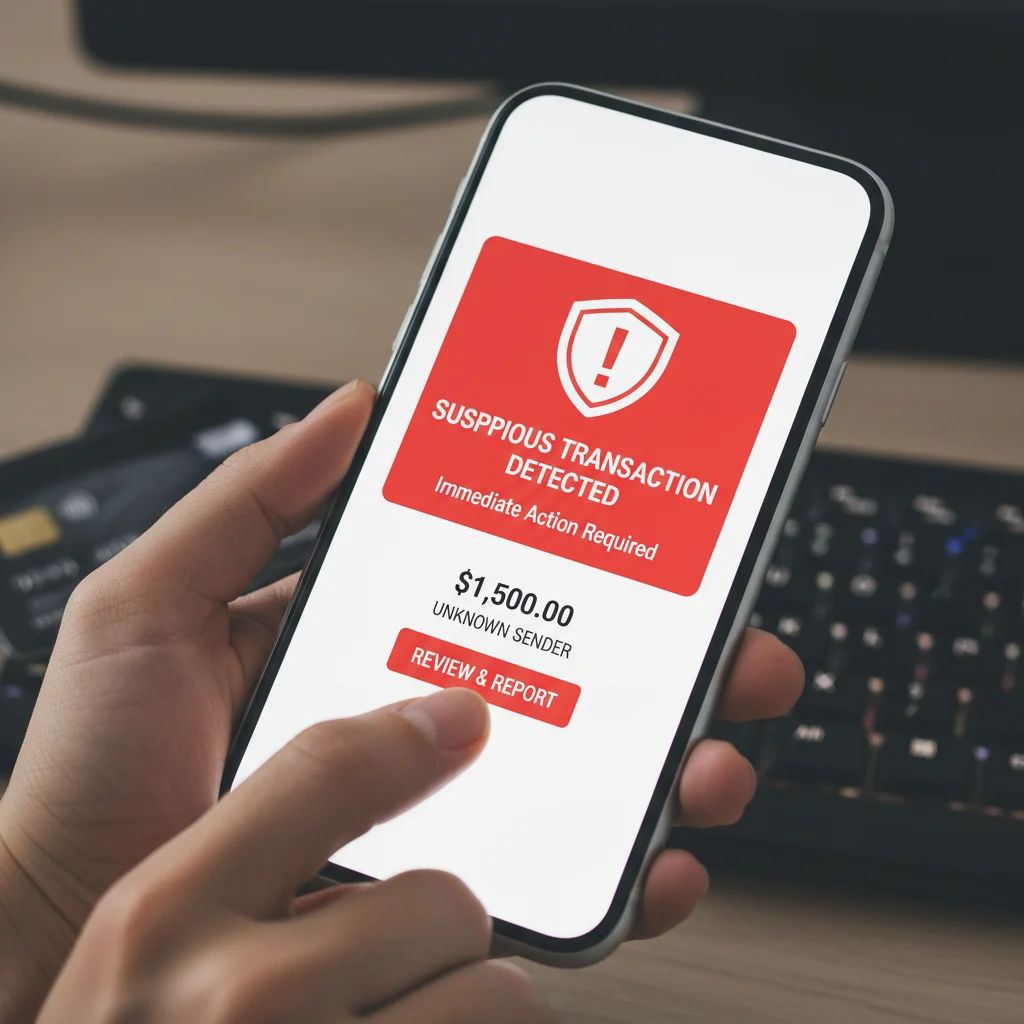
- Package Delivery Notification Scams: These sophisticated phishing attempts mimic legitimate delivery services, sending texts or emails about missed deliveries or tracking updates that link to malicious sites designed to steal personal or financial information.
Protecting Yourself: Practical Steps in Line with FTC 2026 Priorities
Given the anticipated FTC 2026 Priorities and the evolving nature of scams, proactive consumer protection is paramount. Here are practical steps you can take:
- Be Skeptical of Unsolicited Communications: Whether it’s an email, text, phone call, or social media message, if you didn’t initiate it, approach it with caution. Verify the sender’s identity through an independent channel.
- Never Share Sensitive Information: Legitimate organizations will rarely ask for your Social Security number, bank account details, or credit card numbers via email, text, or an unsolicited call. Be especially wary of requests for gift cards or wire transfers.
- Use Strong, Unique Passwords and 2FA: This is a foundational cybersecurity practice. A password manager can help you manage complex passwords. Two-factor authentication (2FA) adds an extra layer of security.
- Monitor Your Accounts Regularly: Check your bank statements, credit card bills, and credit reports frequently for any unauthorized activity. Identity theft protection services can also provide an early warning.
- Educate Yourself on Digital Literacy: Understand how phishing works, recognize dark patterns, and be aware of the risks associated with public Wi-Fi and clicking on unknown links.
- Review Privacy Settings: Regularly check and adjust the privacy settings on your social media accounts, apps, and smart devices to limit data collection and sharing.
- Report Scams: If you encounter a scam, report it to the FTC at ReportFraud.ftc.gov. Your report helps the FTC identify trends and take action.
- Backup Your Data: In case of ransomware or other cyberattacks, having a secure backup of your important files can be a lifesaver.
- Stay Updated: Follow official FTC advisories and consumer protection news. The more you know about current scam tactics, the better equipped you’ll be to avoid them.
The Role of the FTC in Shaping the Digital Economy
The FTC 2026 Priorities are not just about reacting to scams; they are also about proactively shaping the digital economy to be fairer and more secure for consumers. This involves advocating for policy changes, engaging with industry stakeholders, and fostering innovation while mitigating risks. The FTC’s work extends beyond enforcement to include extensive consumer education, providing resources and guidance to help individuals navigate complex digital environments.
Their efforts to combat unfair competition and monopolistic practices also indirectly benefit consumers by ensuring a diverse marketplace with competitive pricing and innovative services. When the FTC acts against deceptive advertising or anti-competitive mergers, it ultimately aims to create an environment where consumers have more choices and are less likely to be exploited. Understanding the breadth of the FTC’s mandate helps to appreciate the significance of their stated priorities for 2026.
Furthermore, the FTC often collaborates with international partners to address cross-border fraud, recognizing that many digital scams originate outside national boundaries. This global cooperation is essential in an interconnected world and will likely remain a strong focus in the FTC 2026 Priorities, reflecting the transnational nature of many modern threats.
Conclusion: Vigilance is Your Best Defense
As we approach 2026, the landscape of consumer threats will continue to evolve, becoming more sophisticated and pervasive. The FTC 2026 Priorities will serve as a critical roadmap for the agency’s efforts to protect consumers, focusing on emerging challenges like AI-driven deception, data privacy, and online market manipulation. For individuals, staying informed and adopting a proactive, skeptical mindset are the most powerful tools against fraud.
By understanding the types of scams prevalent this quarter and aligning your protective measures with the FTC’s anticipated focus, you can significantly reduce your risk. Remember, if something seems too good to be true, or if you feel pressured into making a quick decision, it’s likely a scam. Your vigilance, coupled with the FTC’s ongoing efforts, forms the strongest defense against the ever-present threat of consumer fraud. Empower yourself with knowledge, protect your digital footprint, and contribute to a safer online environment by reporting any suspicious activity. The future of consumer protection depends on a collective effort, and your awareness is a vital part of that equation.