Predatory Lending Laws 2026: Protect Your Finances Now

In an increasingly complex financial landscape, protecting your hard-earned money from unscrupulous practices is more crucial than ever. As we look towards 2026, understanding the nuances of predatory lending laws becomes paramount for every consumer. Predatory lending, characterized by unfair, deceptive, or abusive loan terms, can ensnare individuals in a vicious cycle of debt, eroding financial stability and future prospects. This comprehensive guide aims to arm you with the knowledge and tools necessary to identify, avoid, and combat predatory lending practices, ensuring your financial well-being in the years to come.
The term "predatory lending" often conjures images of shady backroom deals, but in reality, it can manifest in various forms, often disguised within seemingly legitimate financial products. From high-interest payday loans to auto title loans with exorbitant fees, the tactics employed by predatory lenders are diverse and constantly evolving. Our focus here is to demystify these practices and shed light on the legal frameworks designed to protect you, the consumer. By familiarizing yourself with these predatory lending laws, you can navigate the financial world with greater confidence and security.
The economic climate of 2026 brings with it both opportunities and challenges. While innovative financial technologies offer convenience, they also present new avenues for predatory actors. Therefore, staying informed is not just advisable; it’s essential. This article will delve into the definitions of predatory lending, explore common types of predatory loans, discuss current and upcoming predatory lending laws, and provide actionable strategies for consumer protection. Our goal is to empower you to make informed financial decisions and advocate for your rights.
Understanding Predatory Lending: A 2026 Perspective
At its core, predatory lending involves extending credit to consumers on terms that are unfair, abusive, or designed to exploit their lack of understanding or urgent financial need. These practices often strip borrowers of equity, charge excessive fees, or trap them in unsustainable debt. Unlike legitimate lending, which aims for a mutually beneficial relationship, predatory lending prioritizes the lender’s profit at the borrower’s expense, often leading to severe financial distress.
Key Characteristics of Predatory Loans:
- Excessive Interest Rates: While interest rates vary, predatory loans often feature rates significantly higher than market averages, sometimes reaching triple-digit Annual Percentage Rates (APRs).
- Hidden Fees and Charges: Lenders may bury various fees, such as origination fees, late payment fees, or prepayment penalties, deep within the loan agreement, making the true cost of borrowing opaque.
- Aggressive Sales Tactics: Predatory lenders might employ high-pressure sales tactics, misleading advertising, or even outright deception to convince borrowers to take out loans they don’t fully understand or can’t afford.
- Loan Flipping: This involves repeatedly refinancing a loan, often with additional fees and charges, to keep the borrower in debt and generate more profit for the lender.
- Asset Stripping: In some cases, particularly with home equity or auto title loans, lenders may design loans that intentionally lead to default, allowing them to seize the borrower’s valuable assets.
- Lack of Underwriting: Predatory lenders often extend credit without properly assessing the borrower’s ability to repay, knowing that the high interest and fees will likely lead to default.
The impact of predatory lending extends beyond individual financial ruin. It disproportionately affects vulnerable populations, including low-income individuals, the elderly, minorities, and those with limited financial literacy. These practices exacerbate economic inequality and undermine community stability. Therefore, understanding and combating predatory lending is not just a personal responsibility but a societal imperative.
Common Types of Predatory Loans to Watch Out For in 2026
As predatory lending laws evolve, so do the methods employed by those seeking to exploit consumers. Here are some of the most common types of predatory loans you should be aware of:
Payday Loans:
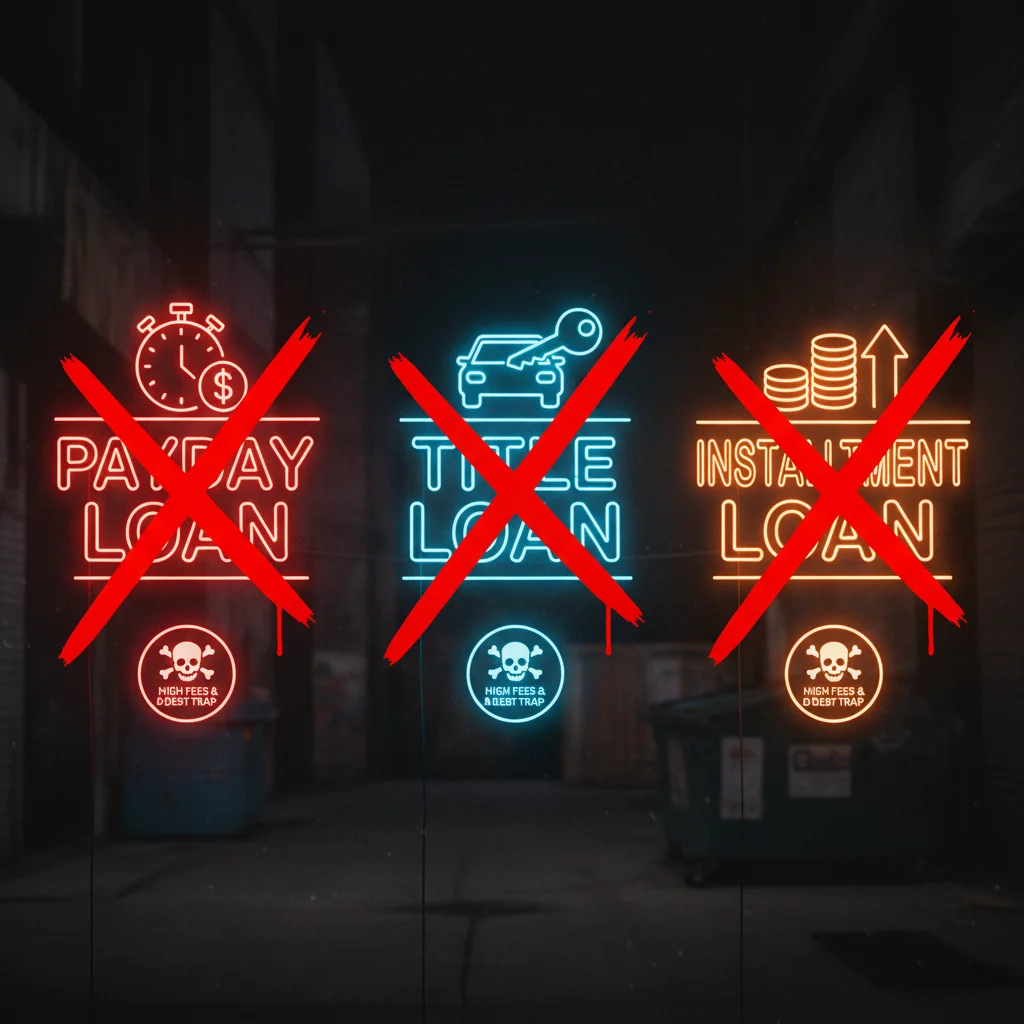
These are short-term, high-cost loans, typically due on the borrower’s next payday. While they offer quick access to cash, their exorbitant interest rates (often 300% to 700% APR) and fees can trap borrowers in a debt cycle. Many states have enacted predatory lending laws to cap interest rates or restrict the number of rollovers for payday loans, but these regulations vary.
Auto Title Loans:
Borrowers use their vehicle as collateral for these short-term loans. If the borrower defaults, the lender can repossess the car. Like payday loans, auto title loans come with extremely high interest rates and fees, putting a vital asset at risk.
High-Cost Installment Loans:
These are longer-term loans compared to payday or title loans, but they still carry very high interest rates and fees, often marketed as a "better" alternative. They can extend for months or even years, leading to significant interest payments over time.
Tax Refund Anticipation Loans (RALs):
RALs are short-term loans secured by a borrower’s expected tax refund. While seemingly convenient, they come with high fees and interest rates for what is essentially an advance on money you would receive anyway, often pushing borrowers into more expensive credit products.
Subprime Mortgages and Home Equity Loans:
While the subprime mortgage crisis led to stricter regulations, some predatory practices can still exist, particularly for borrowers with poor credit. These might include adjustable-rate mortgages with confusing terms, loans with balloon payments, or loans that strip home equity through excessive fees or refinancing.
Pawn Shop Loans:
These loans are secured by personal property (jewelry, electronics, etc.) that the borrower leaves with the pawn shop. While they offer quick cash without credit checks, the interest rates can be very high, and if the loan isn’t repaid, the item is forfeited.
The Evolution of Predatory Lending Laws in 2026
The landscape of predatory lending laws is dynamic, constantly adapting to new financial products and lender tactics. Both federal and state governments play a crucial role in regulating these practices. Understanding these regulations is key to consumer protection.
Federal Regulations and Agencies:
- Truth in Lending Act (TILA): TILA requires lenders to disclose the true cost of credit, including the Annual Percentage Rate (APR) and total finance charges. While it doesn’t cap interest rates, it aims to ensure transparency so consumers can compare loan offers.
- Dodd-Frank Wall Street Reform and Consumer Protection Act: This landmark legislation created the Consumer Financial Protection Bureau (CFPB), a federal agency tasked with protecting consumers in the financial marketplace. The CFPB has issued rules targeting various predatory practices, including those related to mortgages and payday loans.
- Military Lending Act (MLA): The MLA provides specific protections for active-duty service members and their families, capping interest rates on many types of loans at 36% APR (the "Military APR" or MAPR) and prohibiting certain predatory terms.
- Federal Trade Commission (FTC): The FTC works to prevent deceptive and unfair business practices, including those in lending. They investigate complaints and take enforcement actions against predatory lenders.
State-Level Predatory Lending Laws:
Many states have their own specific predatory lending laws that go beyond federal protections. These often include:
- Usury Laws: These laws cap the maximum interest rate that lenders can charge. While some states have high usury limits, others have significantly lower caps, particularly for small-dollar loans.
- Small Loan Acts: Many states have specific regulations for small-dollar loans (like payday or title loans), often imposing limits on loan amounts, fees, and the number of times a loan can be rolled over.
- Licensing Requirements: States often require lenders to be licensed and adhere to specific conduct standards, providing an avenue for consumer complaints and regulatory oversight.
- Prohibitions on Specific Practices: Some states explicitly prohibit certain predatory practices, such as single-payment balloon loans or certain types of prepayment penalties.
Anticipated Changes and Trends in 2026:
As we approach 2026, several trends could influence predatory lending laws:
- Increased Scrutiny on Fintech Lenders: The rise of online lenders and financial technology (fintech) platforms means regulators are increasingly focusing on how these entities operate and whether they adhere to consumer protection standards. Expect more regulations concerning data privacy, algorithmic bias, and transparency in online lending.
- Focus on "Ability to Repay" Standards: There’s a growing push to require all lenders to thoroughly assess a borrower’s ability to repay a loan before extending credit, rather than relying on collateral or high fees.
- Federal vs. State Preemption Debates: The ongoing debate between federal and state authority in regulating financial services will continue to shape the effectiveness of predatory lending laws. Some federal actions might preempt stricter state laws, while others could encourage states to strengthen their protections.
- Community Reinvestment Act (CRA) Modernization: Changes to the CRA could influence how banks serve low- and moderate-income communities, potentially impacting access to fair credit and reducing the reliance on predatory alternatives.
Staying informed about these evolving legal frameworks is crucial for both consumers and advocates. By understanding the protections in place and anticipating future changes, you can better safeguard your financial future.
Identifying the Red Flags: How to Spot a Predatory Loan
Knowledge is your best defense against predatory lending. Being able to identify the warning signs can save you from significant financial hardship. Here are key red flags to look for when considering any loan offer:
High Pressure Sales and Urgency:
Predatory lenders often try to rush you into signing a loan agreement without giving you adequate time to read and understand the terms. They might claim the offer is "limited time" or "too good to pass up," pressuring you to make a quick decision.
Lack of Transparency About Loan Terms:
If a lender is reluctant to clearly explain the APR, total cost of the loan, fees, or repayment schedule, proceed with extreme caution. Predatory lenders often use complex jargon or hide crucial information in the fine print.
No Credit Check or "Guaranteed Approval":
While appealing, offers of "no credit check loans" or "guaranteed approval" often indicate that the lender is compensating for the increased risk by charging exorbitant interest rates and fees. Legitimate lenders typically assess your ability to repay.
Unusually High Interest Rates and Fees:
Compare the offered APR to rates from reputable banks, credit unions, or even the average for similar products. If the rate seems excessively high, especially for a secured loan, it’s a major red flag. Watch out for hidden fees that significantly inflate the total cost.
Balloon Payments and Prepayment Penalties:
A balloon payment is a large lump sum due at the end of a loan term, often much larger than the regular monthly payments. Prepayment penalties charge you a fee for paying off your loan early, which can discourage you from escaping high-interest debt.
Collateral Requirements for Small Loans:
For small, short-term loans, requiring valuable collateral like your car title or home equity can be a predatory tactic, as it puts your essential assets at risk for a relatively small amount of money.
Loan Flipping or Repeated Refinancing Offers:
Be wary of lenders who encourage you to refinance your existing loan repeatedly, especially if each new loan comes with additional fees or extends the repayment period without significantly reducing your principal.
Blank Spaces on Loan Documents:
Never sign a loan agreement with blank spaces. A predatory lender might fill in unfavorable terms after you’ve signed, making it difficult to dispute later.
Unsolicited Loan Offers:
While not always predatory, unsolicited loan offers, especially those arriving via email or text message from unknown sources, should be approached with skepticism. They can be scams or lead to predatory products.
Your Rights and Protections Under Predatory Lending Laws 2026
Knowing your rights is the first step towards defending yourself against predatory practices. Federal and state predatory lending laws provide a range of protections designed to ensure fair treatment and transparency.
Right to Clear and Accurate Disclosures:
Under TILA, you have the right to receive clear and accurate information about the cost of your loan before you sign any agreement. This includes the APR, finance charge, amount financed, and total payments. Always review these disclosures carefully.
Right to Rescind (Cancel) Certain Loans:
For certain types of loans, particularly those secured by your primary residence (like some refinance mortgages or home equity loans), you may have a "right of rescission." This allows you to cancel the loan within a specified period (usually three business days) without penalty.
Protections Against Unfair and Deceptive Practices:
The CFPB and FTC have the authority to investigate and take action against lenders engaged in unfair, deceptive, or abusive acts or practices (UDAAPs). This broad protection covers a wide range of predatory behaviors not explicitly covered by other laws.
Specific Protections for Military Members:
The Military Lending Act (MLA) offers significant protections for service members, including a 36% MAPR cap on many loans, prohibitions on mandatory arbitration clauses, and restrictions on prepayment penalties.
State-Specific Protections:
Depending on your state, you may have additional protections, such as caps on interest rates for specific loan types, limitations on loan rollovers, or requirements for lenders to assess your ability to repay. Consult your state’s attorney general or financial regulatory agency for specific details.
Right to Dispute Errors and File Complaints:
If you believe you’ve been a victim of predatory lending or have encountered errors in your loan, you have the right to dispute these issues. You can file complaints with the CFPB, FTC, your state’s attorney general, or relevant state financial regulatory agencies.

Strategies for Protecting Yourself from Predatory Lending
Beyond understanding the laws, proactive steps can significantly reduce your risk of falling victim to predatory lending. Here are actionable strategies for consumer protection in 2026:
1. Enhance Your Financial Literacy:
The more you understand about personal finance, credit, and loan terms, the better equipped you’ll be to identify and avoid predatory offers. Utilize free resources from non-profit credit counseling agencies, government websites, and reputable financial education platforms.
2. Shop Around and Compare Offers:
Never take the first loan offer you receive. Get quotes from multiple lenders, including traditional banks, credit unions, and reputable online lenders. Compare not just the interest rate, but also the APR, fees, and total cost of the loan over its lifetime.
3. Read the Fine Print Carefully:
Before signing any loan agreement, read every word of the contract. If you don’t understand something, ask for clarification. Don’t be afraid to take the document home to review it thoroughly or have a trusted advisor look it over.
4. Check Lender Licensing and Reputation:
Verify that the lender is licensed to operate in your state. You can often do this through your state’s financial regulatory agency website. Look for online reviews, but also be aware that some reviews can be manipulated. Check with the Better Business Bureau (BBB) for complaints.
5. Build and Maintain Good Credit:
A strong credit score gives you access to more favorable loan terms and reduces your reliance on high-cost alternatives. Focus on paying bills on time, keeping credit utilization low, and regularly checking your credit report for errors.
6. Explore Alternatives to High-Cost Loans:
Before resorting to payday or title loans, consider alternatives such as:
- Credit Union Loans: Credit unions often offer smaller loans with lower interest rates than traditional banks, sometimes even "payday alternative loans" (PALs) regulated by the National Credit Union Administration (NCUA).
- Personal Loans from Banks: If you have decent credit, a personal loan from a bank can be a more affordable option.
- Borrowing from Family or Friends: If possible, borrowing from trusted individuals can be a no-interest or low-interest solution.
- Payment Plans with Creditors: If you’re struggling to pay a bill, contact the creditor directly to see if you can arrange a payment plan or extension.
- Emergency Savings: Building an emergency fund, even a small one, can provide a buffer against unexpected expenses and reduce the need for high-cost credit.
7. Seek Professional Help When Needed:
If you find yourself overwhelmed by debt or are unsure about a loan offer, contact a non-profit credit counseling agency. They can provide free or low-cost advice, help you create a budget, and explore debt management options. Legal aid societies can also provide assistance if you believe you’ve been a victim of predatory lending.
The Role of Advocacy and Future Outlook
While individual protection is vital, systemic change requires ongoing advocacy. Consumer protection groups, legal aid organizations, and community activists play a crucial role in lobbying for stronger predatory lending laws and raising public awareness.
Supporting Stronger Legislation:
Advocates continually push for legislation that includes:
- Lower Interest Rate Caps: A universal federal interest rate cap, similar to the MLA’s 36% MAPR, is a long-standing goal for many consumer protection groups.
- Enhanced Enforcement: Ensuring that regulatory bodies like the CFPB have the resources and authority to effectively enforce existing laws and penalize predatory lenders.
- Data Collection and Research: Supporting efforts to collect more comprehensive data on lending practices to better understand the scope of predatory lending and inform policy decisions.
Community Empowerment:
Educating communities, especially those disproportionately targeted by predatory lenders, is another critical aspect of advocacy. Workshops, public awareness campaigns, and accessible resources help individuals understand their rights and avoid financial traps.
Technological Solutions:
The financial technology sector also has a role to play. Developing ethical and affordable small-dollar loan alternatives, leveraging AI for fraud detection, and creating transparent lending platforms can help combat predatory practices.
Looking ahead to 2026 and beyond, the fight against predatory lending will require a multi-faceted approach. It involves vigilant consumers, robust predatory lending laws, strong regulatory enforcement, and dedicated advocacy. By working together, we can create a financial environment where everyone has access to fair and affordable credit, free from the threat of exploitation.
Conclusion: Empowering Your Financial Future
Navigating the financial world in 2026 requires diligence and awareness, particularly when it comes to avoiding predatory lending. These practices, designed to exploit financial vulnerability, can have devastating long-term consequences. However, by understanding what constitutes predatory lending, recognizing its red flags, and knowing your rights under current and evolving predatory lending laws, you can effectively protect your finances.
Remember, the power to make informed decisions lies within you. Take the time to educate yourself, compare loan offers thoroughly, read every document carefully, and never feel pressured into a financial commitment you don’t fully understand. Utilize the resources available, from non-profit credit counseling to government regulatory agencies, to ensure you are making choices that serve your best interests.
As the financial landscape continues to transform, staying informed about legislative changes and consumer protection efforts will be crucial. By embracing financial literacy and advocating for stronger protections, we can collectively work towards a future where predatory lending is a relic of the past, and fair access to credit is a reality for all. Protect your finances, empower your future, and stand firm against high-interest traps.