Debt Validation Letters 2026: Challenge Collection Accounts Effectively

Debt Validation Letters: A 2026 Guide to Challenging Collection Accounts Effectively
In the complex world of personal finance, encountering a debt collector can be a daunting experience. The phone calls, the letters, the constant pressure – it’s enough to make anyone feel overwhelmed. However, it’s crucial to remember that as a consumer, you have rights, and one of the most powerful tools at your disposal is the Debt Validation Letter. As we navigate 2026, understanding how to properly utilize these letters is more important than ever for protecting your financial well-being and challenging collection accounts effectively.
This comprehensive guide will delve deep into the intricacies of Debt Validation Letters, providing you with the knowledge and strategies to confidently assert your rights. We’ll explore what they are, why they are essential, how to draft one, and what to expect after sending it. Whether you’sre facing a legitimate debt or believe you’sre being pursued for an inaccurate one, this guide is your roadmap to navigating the debt collection landscape in 2026.
What Are Debt Validation Letters?
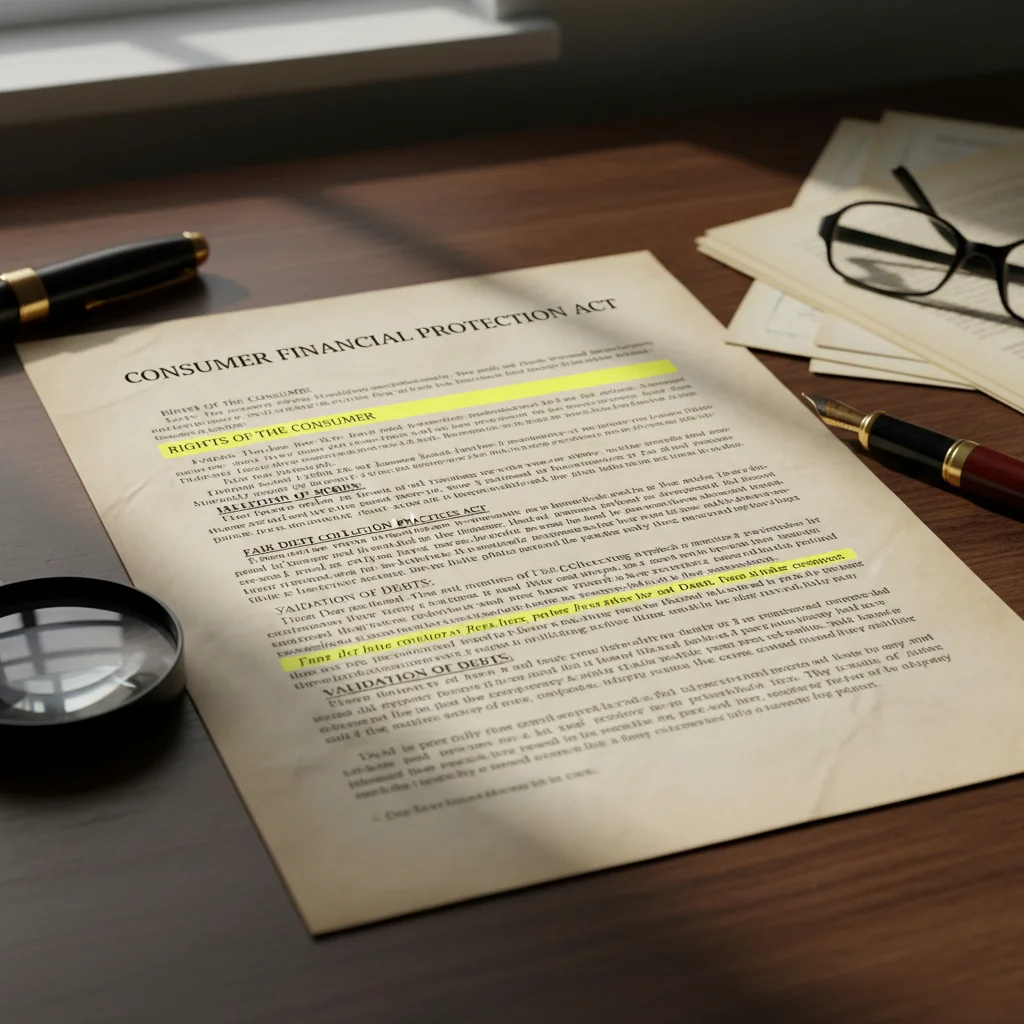
At its core, a Debt Validation Letter is a formal request sent to a debt collector, demanding proof that you owe the debt they are attempting to collect. This isn’t just a polite inquiry; it’s a legal right granted to you under the Fair Debt Collection Practices Act (FDCPA). The FDCPA is a federal law that governs the practices of third-party debt collectors, ensuring they treat consumers fairly and don’t engage in abusive or deceptive tactics.
When a debt collector contacts you, they are required to provide certain information about the debt. However, simply receiving a notice or a phone call doesn’t mean the debt is valid or that you are responsible for it. This is where the Debt Validation Letter comes into play. By sending this letter, you are essentially putting the onus on the debt collector to prove their claim.
The Legal Basis: Fair Debt Collection Practices Act (FDCPA)
The FDCPA is the cornerstone of consumer protection against aggressive debt collection practices. Specifically, Section 809 of the FDCPA outlines your right to debt validation. It states that within five days of their initial communication with you, a debt collector must send you a written notice containing:
- The amount of the debt.
- The name of the creditor to whom the debt is owed.
- A statement that unless you dispute the validity of the debt, or any portion thereof, within 30 days after receipt of the notice, the debt will be assumed to be valid by the debt collector.
- A statement that if you notify the debt collector in writing within the 30-day period that the debt, or any portion thereof, is disputed, the debt collector will obtain verification of the debt or a copy of a judgment against you and a copy of such verification or judgment will be mailed to you by the debt collector.
- A statement that, upon your written request within the 30-day period, the debt collector will provide you with the name and address of the original creditor, if different from the current creditor.
This 30-day window is critical. If you send a Debt Validation Letter within this period, the debt collector must cease all collection activities until they provide you with the requested validation. This includes phone calls, letters, and even reporting the debt to credit bureaus. Ignoring this right can lead to significant headaches down the line, including negative impacts on your credit score and persistent harassment.
Why Are Debt Validation Letters So Important in 2026?
The financial landscape is constantly evolving, and 2026 brings its own set of challenges and opportunities. With the increasing sophistication of data analytics and the continued rise of online financial transactions, the potential for errors, identity theft, and miscommunications in debt collection remains high. Debt Validation Letters act as a vital safeguard for several reasons:
1. Combatting Inaccurate Information
It’s a common misconception that all debts pursued by collectors are accurate. In reality, errors are surprisingly frequent. These can range from incorrect amounts, duplicate accounts, debts that have already been paid, or even debts that belong to someone else entirely (especially in cases of identity theft). A well-crafted Debt Validation Letter forces the collector to verify the details, exposing any inaccuracies.
2. Protecting Against Identity Theft
Identity theft remains a significant concern. If you receive a collection notice for a debt you don’t recognize, a Debt Validation Letter is your first line of defense. It compels the collector to provide proof that the debt is legitimately yours, which can help uncover fraudulent activity and prevent it from damaging your credit.
3. Stopping Harassment and Illegal Practices
While the FDCPA aims to prevent abusive debt collection, some collectors still engage in questionable tactics. By sending a Debt Validation Letter, you immediately invoke your rights under the FDCPA. If the collector continues to contact you without providing validation, they are violating federal law, which can lead to legal action against them.
4. Preventing Damage to Your Credit Score
An unverified or disputed debt can severely impact your credit score. If a debt collector reports an unvalidated debt to credit bureaus, it can remain on your report for years, hindering your ability to secure loans, mortgages, or even employment. A timely Debt Validation Letter can prevent this negative reporting until the debt is proven valid.
5. Gaining Time to Assess Your Options
The 30-day window provided by the FDCPA after sending a Debt Validation Letter gives you invaluable time. During this period, collection activities must cease, allowing you to breathe, research the debt, consult with a financial advisor or attorney, and strategize your next steps without the constant pressure of collection calls.
How to Draft an Effective Debt Validation Letter in 2026
Drafting a Debt Validation Letter doesn’t have to be complicated, but it must be precise and adhere to certain guidelines to be effective. Here’s a step-by-step guide to help you create a powerful letter:
1. Keep it Concise and Professional
Your letter should be clear, to the point, and professional. Avoid emotional language or making accusations. Stick to requesting validation and asserting your rights under the FDCPA.
2. Include Essential Information
Your letter should include:
- Your Name and Address: So the collector knows who is sending the letter.
- Date: Important for tracking the 30-day window.
- Debt Collector’s Name and Address: As it appears on their communication.
- Account Number (if available): This helps the collector identify the specific debt.
- A Clear Statement Requesting Validation: Explicitly state that you are requesting validation of the debt pursuant to the FDCPA.
- A Statement that You Dispute the Debt: Even if you suspect it’s yours, disputing it protects your rights.
- A Request for Specific Information:
- Proof that you owe the debt.
- The original creditor’s name and address.
- The amount of the original debt.
- A detailed breakdown of how the current debt amount was calculated (including interest, fees, etc.).
- Proof that the debt collector has the legal right to collect this debt from you (e.g., a copy of the assignment or purchase agreement).
- The date the debt was incurred.
- The last payment date on the account.
- The original account number.
3. Send it Certified Mail with Return Receipt Requested
This is arguably the most crucial step. Sending your Debt Validation Letter via certified mail provides undeniable proof that you sent the letter and when it was received. The return receipt serves as your official record, which can be invaluable if you need to take further action.
4. Keep Copies of Everything
Make copies of your letter, the certified mail receipt, the return receipt, and any communication you receive from the debt collector. Organize these documents in a dedicated file. This meticulous record-keeping is vital for your protection.
Sample Debt Validation Letter (Adapt for 2026)
Here’s a basic template you can adapt for your Debt Validation Letter in 2026:
[Your Name]
[Your Address]
[Your City, State, Zip Code]

[Date]

[Debt Collector Name]
[Debt Collector Address]
[Debt Collector City, State, Zip Code]

Subject: Debt Validation Request - Account Number: [Account Number, if available]

Dear [Debt Collector Name],

This letter is a formal request for validation of a debt that your company is attempting to collect from me. I received a communication from your office on [Date of communication] regarding an alleged debt. Please be advised that this is not a refusal to pay, but a demand for validation made pursuant to the Fair Debt Collection Practices Act (FDCPA), 15 USC 1692g.

I am disputing the validity of this debt and request that you provide me with the following information and documentation:

1.  Proof that I am the party responsible for this debt.
2.  The name and address of the original creditor.
3.  The amount of the original debt.
4.  A detailed breakdown of how the current debt amount was calculated, including any interest, fees, or other charges.
5.  Proof that your company has the legal right to collect this debt from me (e.g., a copy of the assignment or purchase agreement).
6.  The date the debt was incurred.
7.  The last payment date on the account.
8.  The original account number.

Until such time as you provide complete validation of this debt, you must cease all collection activities, including but not limited to, phone calls, letters, and reporting this alleged debt to any credit reporting agencies. Failure to provide the requested validation within 30 days of your receipt of this letter will be considered an admission that the debt is not valid or that you do not have the right to collect it, and I will expect all references to this debt to be removed from my credit reports.

I expect a prompt response to this request.

Sincerely,

[Your Signature]
[Your Typed Name]
What Happens After You Send a Debt Validation Letter?
Once your Debt Validation Letter is sent, the ball is in the debt collector’s court. Understanding the possible outcomes and your subsequent actions is crucial.
Scenario 1: The Debt Collector Provides Validation
If the debt collector provides sufficient validation, meaning they send you documentation that proves you owe the debt and they have the legal right to collect it, you then have a few options:
- Pay the Debt: If the debt is legitimate and you can afford it, paying it off is often the best course of action to avoid further interest and collection efforts.
- Negotiate a Settlement: You can attempt to negotiate a lower settlement amount, especially if the debt is old or you’re facing financial hardship.
- Dispute Further: If you still believe the validation is incomplete or inaccurate, you can continue to dispute the debt, potentially with the help of a consumer attorney.
- Seek Legal Advice: If the debt is substantial or complex, consulting with an attorney specializing in consumer law is advisable.
Scenario 2: The Debt Collector Fails to Provide Validation
This is a common outcome, especially for older debts or those that have been sold multiple times. If the debt collector cannot or does not provide adequate validation within the 30-day window (or simply stops contacting you), they are legally prohibited from continuing collection activities. This means:
- They cannot call you, send you letters, or sue you for this debt.
- They cannot report the debt to credit bureaus. If they have already reported it, they must remove it.
If they continue collection efforts after failing to validate, they are violating the FDCPA, and you may have grounds to sue them.
Scenario 3: The Debt Collector Provides Incomplete or Insufficient Validation
Sometimes, a debt collector might send some documents but not all the information you requested, or the information provided is vague and doesn’t clearly establish the debt’s validity. In this case, you can:
- Send a Follow-Up Letter: Clearly state that the validation provided is insufficient and reiterate your request for specific missing information.
- Consult an Attorney: An attorney can help you determine if the validation is truly insufficient and advise on the next steps, including potential legal action.
Common Pitfalls to Avoid When Using Debt Validation Letters
While Debt Validation Letters are powerful, there are common mistakes that can weaken their effectiveness. Be aware of these pitfalls:
1. Missing the 30-Day Window
The most critical mistake is failing to send your Debt Validation Letter within 30 days of the debt collector’s initial communication. While you can still send a validation request after this period, the debt collector is not legally obligated to cease collection activities until they provide validation. This significantly reduces your leverage.
2. Communicating Verbally
Never try to validate a debt over the phone. Verbal disputes are difficult to prove and don’t carry the same legal weight as a written request. Always put your request in writing and send it via certified mail.
3. Admitting to the Debt
Even if you think you might owe the debt, avoid making any statements that could be interpreted as an admission. Stick to the script: “I dispute this debt and request validation.”
4. Throwing Away Documentation
As mentioned, meticulous record-keeping is paramount. Keep every letter, envelope, certified mail receipt, and return receipt. This paper trail is your evidence.
5. Ignoring the Debt Collector Entirely
While it might be tempting to ignore debt collectors, this is a dangerous strategy. Unaddressed debts can lead to lawsuits, wage garnishment, and negative credit reporting. A Debt Validation Letter is an active, protective measure, not a form of avoidance.
Beyond Validation: What Else Can You Do?
While Debt Validation Letters are a fantastic starting point, they are part of a broader strategy for managing debt collection. Here are other actions you might consider in 2026:
1. Check Your Credit Report Regularly
You are entitled to a free copy of your credit report from each of the three major credit bureaus (Experian, Equifax, and TransUnion) once every 12 months via AnnualCreditReport.com. Regularly reviewing your reports allows you to spot suspicious activity or inaccurate debts early, even before a debt collector contacts you. If you find an inaccurate debt, you can dispute it directly with the credit bureau.
2. Send a Cease and Desist Letter
If a debt collector is harassing you, even after you’ve sent a Debt Validation Letter and they haven’t validated the debt, you can send a cease and desist letter. This letter demands that they stop all communication with you. While they can still pursue legal action, they must stop contacting you directly.
3. File a Complaint
If a debt collector violates your rights under the FDCPA (e.g., continuing to call after you’ve sent a validation letter and they haven’t validated the debt, or engaging in abusive practices), you can file a complaint with:
- The Consumer Financial Protection Bureau (CFPB)
- The Federal Trade Commission (FTC)
- Your state’s Attorney General’s office
These agencies can investigate and take action against unscrupulous collectors.
4. Consult a Consumer Law Attorney
For complex cases, significant debt amounts, or if you believe your rights have been violated, consulting a consumer law attorney is highly recommended. Many attorneys offer free initial consultations and work on a contingency basis, meaning they only get paid if they win your case.
5. Understand the Statute of Limitations
Every debt has a statute of limitations, which is the legal time limit within which a creditor or collector can sue you to collect a debt. This varies by state and type of debt. If the statute of limitations has expired, a collector generally cannot sue you, although they may still be able to contact you. A Debt Validation Letter can help you determine the age of the debt.
The Future of Debt Collection and Validation in 2026
As we look further into 2026, the landscape of debt collection is continually influenced by technological advancements and regulatory updates. Digital communication, AI-driven collection strategies, and evolving data privacy laws will all play a role. However, the fundamental rights enshrined in the FDCPA, particularly the right to debt validation, are likely to remain steadfast.
Consumers in 2026 must remain vigilant. The ease with which information can be shared and processed means that potential inaccuracies can spread faster. Therefore, the proactive use of tools like Debt Validation Letters becomes even more crucial. Staying informed about your rights and utilizing available legal mechanisms will be key to maintaining financial health.
Technological Impact
AI and machine learning are increasingly being used by debt collection agencies to identify patterns, predict consumer behavior, and automate communication. While this can streamline processes, it also necessitates a greater need for consumers to understand their digital footprint and how their data is being used. A Debt Validation Letter serves as a manual override to these automated systems, forcing human review and adherence to legal requirements.
Regulatory Focus
Expect continued regulatory scrutiny on debt collection practices, especially concerning digital communications and data privacy. Organizations like the CFPB will likely issue further guidance or rules to adapt to new technologies, reinforcing the importance of consumer protection. This means that the principles behind Debt Validation Letters will remain relevant, even if the methods of communication evolve.
Conclusion: Empowering Yourself with Debt Validation Letters
Receiving a debt collection notice can be distressing, but it doesn’t have to be a dead end. By understanding and utilizing Debt Validation Letters, you empower yourself with a powerful legal tool that protects your rights and challenges potentially inaccurate or invalid claims. In 2026, as the financial world continues its rapid evolution, the ability to assert your consumer rights through a well-crafted Debt Validation Letter is more critical than ever.
Remember the key takeaways: act within the 30-day window, send your letter via certified mail, keep meticulous records, and don’t be afraid to seek legal counsel if necessary. By following these steps, you can confidently navigate the debt collection process, protect your credit, and ensure that only legitimate and verifiable debts impact your financial future.

Don’t let fear or misinformation dictate your response to debt collectors. Arm yourself with knowledge and the right tools, starting with the indispensable Debt Validation Letter. Your financial peace of mind depends on it.