Online Purchase Protection: Q1 2026 Rights & Trends
The Latest in Online Purchase Protection: Understanding Your Rights in Q1 2026
In an increasingly digital world, online shopping has become an indispensable part of our daily lives. From groceries to gadgets, virtually anything can be purchased with a few clicks. While this convenience is undeniable, it also brings with it a unique set of challenges, particularly concerning security and consumer rights. As we delve into Q1 2026, the landscape of online purchase protection continues to evolve, shaped by new technologies, emerging threats, and updated regulatory frameworks. Understanding your rights and the latest trends is not just beneficial; it’s essential for a secure and satisfying online shopping experience.
This comprehensive guide aims to equip you with the knowledge you need to navigate the complexities of online transactions in the current quarter. We’ll explore the fundamental principles of online purchase protection, highlight significant updates in consumer law, discuss the role of payment providers, and offer practical advice to safeguard your purchases. Whether you’re a seasoned online shopper or new to e-commerce, staying informed is your best defense against potential issues.
The Foundation of Online Purchase Protection: What Every Consumer Should Know
Before diving into the specifics of Q1 2026, it’s crucial to understand the bedrock of online purchase protection. This encompasses a range of legal frameworks, industry standards, and best practices designed to protect consumers from fraud, misrepresentation, and other issues that can arise during online transactions. At its core, online purchase protection ensures that consumers receive the goods or services they paid for, that their personal and financial data are secure, and that they have recourse if something goes wrong.
Key Pillars of Protection
- Consumer Protection Laws: These are governmental regulations designed to prevent businesses from engaging in fraud or specified unfair practices in order to gain an advantage over competitors or to mislead consumers. These laws often cover aspects like product quality, accurate descriptions, and the right to return faulty goods.
- Payment Provider Protections: Credit card companies, PayPal, and other payment services offer their own layers of protection, such as chargeback rights, which allow consumers to dispute unauthorized or problematic transactions.
- Seller Policies: Reputable online retailers often have their own return, refund, and dispute resolution policies that go above and beyond legal requirements, fostering trust and customer loyalty.
- Data Security Standards: Protocols like SSL/TLS encryption protect your sensitive information (like credit card numbers) during transmission, preventing interception by malicious actors.
These pillars work in concert to create a relatively safe environment for online shopping. However, the digital landscape is dynamic, and vigilance is always required. New threats emerge, and regulations are constantly updated to keep pace.
Q1 2026 Regulatory Updates: Navigating the New Legal Landscape
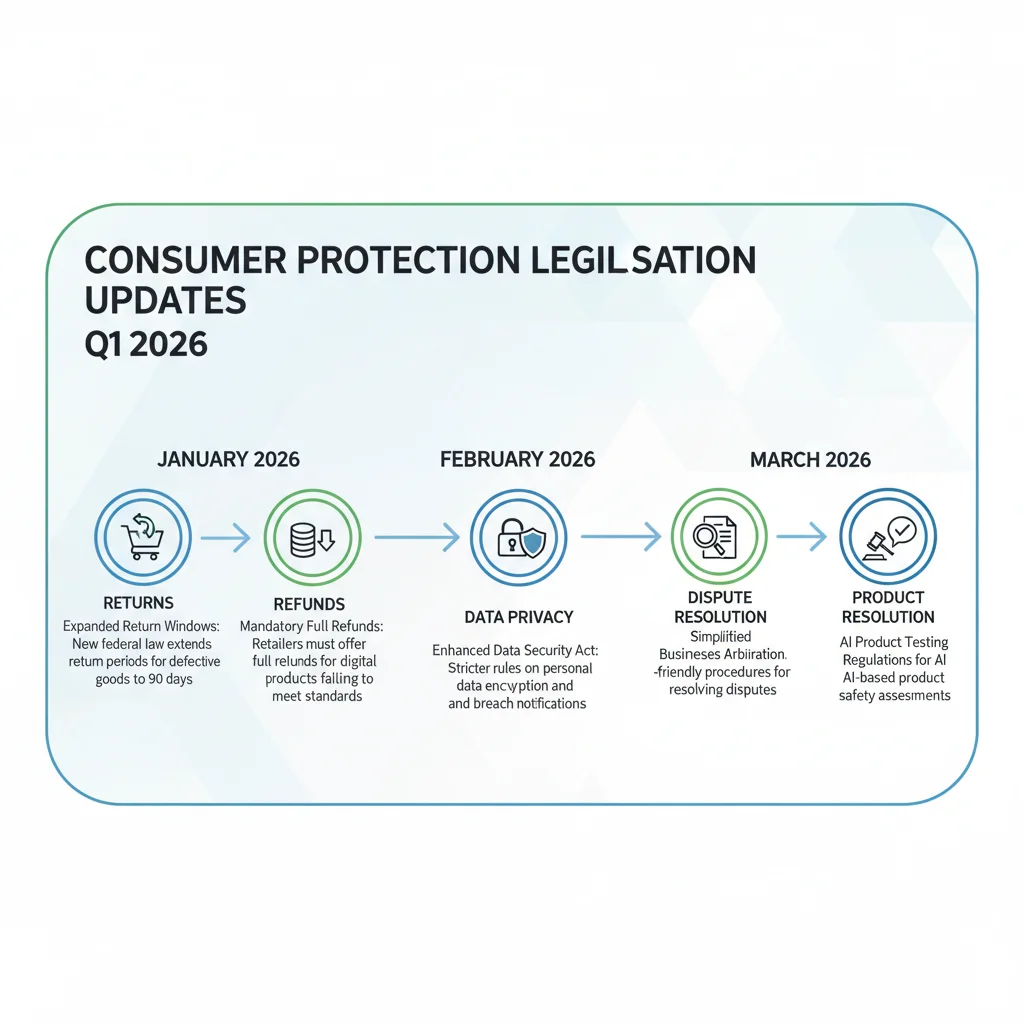
Q1 2026 has brought several significant updates and refinements to consumer protection laws that directly impact online purchase protection. These changes are often driven by a desire to address specific vulnerabilities, enhance consumer trust, and harmonize regulations across different jurisdictions. Staying abreast of these legal shifts is paramount for both consumers and businesses.
Increased Scrutiny on Data Privacy and Security
One of the most prominent trends in Q1 2026 is the heightened focus on data privacy. Building on frameworks like GDPR and CCPA, many regions have introduced stricter regulations regarding how online retailers collect, store, and use consumer data. This means:
- Enhanced Consent Requirements: Websites are increasingly required to obtain explicit consent for various data processing activities, moving away from implied consent.
- Data Breach Notification Expansion: The scope and speed of data breach notifications have been tightened, ensuring consumers are informed promptly if their data is compromised.
- Right to Data Portability and Erasure: Consumers have greater control over their personal data, including the right to request their data in a portable format and to have it erased under certain conditions.
These measures contribute indirectly to online purchase protection by ensuring that the personal information used in transactions is handled with the utmost care, reducing the risk of identity theft and financial fraud.
Strengthening Dispute Resolution Mechanisms
Another key area of development involves improving the clarity and accessibility of dispute resolution processes. Q1 2026 has seen:
- Standardized Return and Refund Policies: Efforts to standardize return windows and refund processing times across e-commerce platforms, making it easier for consumers to understand their rights regardless of the seller.
- Easier Access to Alternative Dispute Resolution (ADR): Governments and industry bodies are promoting and facilitating the use of ADR mechanisms, offering consumers avenues to resolve disputes without resorting to costly and time-consuming litigation.
- Clearer Seller Responsibilities: New guidelines emphasize the responsibility of online sellers to provide clear and accurate product descriptions, fulfill orders as promised, and respond to consumer inquiries in a timely manner.
These updates are designed to empower consumers, providing them with more robust tools and clearer pathways when issues arise with their online purchases.
Payment Gateways and Their Role in Safeguarding Your Money
The method you choose to pay for your online purchases plays a critical role in your overall online purchase protection. In Q1 2026, payment gateways and financial institutions continue to innovate, offering increasingly sophisticated security features and consumer-friendly policies. Understanding these mechanisms is key to making informed choices.
Credit Cards: The Gold Standard for Protection
Credit cards remain one of the most secure ways to pay online, primarily due to their built-in fraud protection and chargeback rights. In Q1 2026, these protections have been further refined:
- Enhanced Fraud Monitoring: Banks and credit card companies are employing advanced AI and machine learning algorithms to detect and prevent fraudulent transactions in real-time, often flagging suspicious activity before you even notice it.
- Zero Liability Policies: Most major credit card networks offer zero liability for unauthorized charges, meaning you won’t be held responsible for fraudulent purchases made with your card.
- Streamlined Chargeback Process: While the process can still be complex, efforts are being made to simplify the chargeback process for legitimate disputes, giving consumers a clearer path to recovering funds for non-delivered or misrepresented items.
Always use a credit card for significant online purchases if possible, as it provides an extra layer of security that debit cards or bank transfers often lack.
Digital Wallets and Third-Party Payment Services
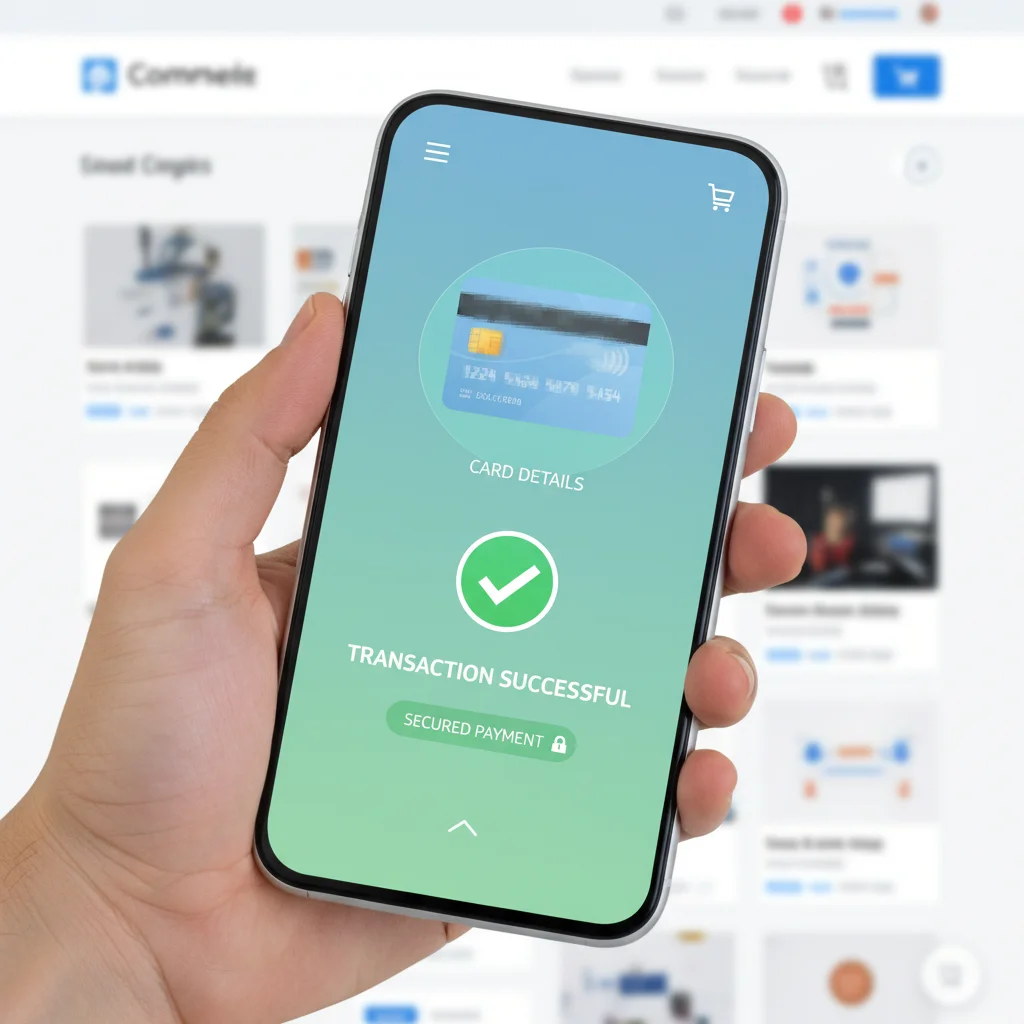
Services like PayPal, Apple Pay, Google Pay, and other digital wallets have become increasingly popular, offering convenience and often robust online purchase protection of their own. In Q1 2026, these platforms continue to evolve:
- Tokenization: Many digital wallets use tokenization, where your actual card number is replaced with a unique, encrypted token for each transaction. This significantly reduces the risk of your card details being compromised if a merchant’s system is breached.
- Buyer Protection Programs: Most reputable digital wallet providers offer their own buyer protection programs, similar to credit card chargebacks, which cover eligible purchases that don’t arrive or aren’t as described. It’s crucial to read the terms and conditions of these programs, as coverage can vary.
- Biometric Authentication: The integration of facial recognition and fingerprint scanning for authorizing payments adds another strong layer of security, making unauthorized access to your payment methods much more difficult.
While convenient, it’s important to understand the specific protections offered by each digital wallet service, as they may differ from traditional credit card protections.
Emerging Threats and How to Protect Yourself in Q1 2026
The digital world is a constant battleground between security innovations and new forms of cybercrime. As online purchase protection measures advance, so too do the tactics of fraudsters. Q1 2026 highlights several emerging threats that consumers should be aware of.
Sophisticated Phishing and Smishing Attacks
Phishing (via email) and smishing (via SMS) attacks are becoming increasingly sophisticated. Fraudsters use highly convincing fake websites and messages that mimic legitimate retailers, banks, or shipping companies to trick consumers into revealing personal and financial information. In Q1 2026:
- AI-Generated Content: AI is being used to create more grammatically correct and personalized phishing messages, making them harder to distinguish from genuine communications.
- Deepfake Technology: While not yet widespread in purchase scams, the potential for deepfake audio or video to impersonate customer service or sales representatives is a growing concern.
Always verify the sender’s email address or phone number, hover over links before clicking to see the actual URL, and never provide sensitive information via unsolicited communications.
Supply Chain Attacks and Counterfeit Goods
Fraudsters are increasingly targeting the supply chain, injecting counterfeit products or compromised software into legitimate channels. This can lead to consumers receiving fake goods or even malware-infected devices. Q1 2026 sees:
- Increased Focus on Marketplace Integrity: Major online marketplaces are implementing stricter vetting processes for sellers and enhanced product verification technologies to combat counterfeiting.
- Blockchain for Authenticity: Some high-value goods are starting to use blockchain technology to provide an immutable record of a product’s origin and journey, offering unprecedented transparency.
When purchasing, especially from third-party sellers on marketplaces, always check seller reviews, product authenticity guarantees, and be wary of prices that seem too good to be true.
Best Practices for Maximizing Your Online Purchase Protection
While laws and payment providers offer significant online purchase protection, your proactive steps are equally vital. By adopting smart shopping habits, you can significantly reduce your risk and ensure a smoother resolution if issues arise. Here are some essential best practices for Q1 2026:
1. Shop on Secure and Reputable Websites
- Look for ‘HTTPS’: Always ensure the website URL begins with ‘https://’ (the ‘s’ stands for secure) and displays a padlock icon in your browser’s address bar. This indicates that your connection to the site is encrypted.
- Research the Seller: If you’re unfamiliar with an online store, do a quick search for reviews, check their social media presence, and look for their contact information. Legitimate businesses are transparent.
- Avoid Public Wi-Fi for Transactions: Public Wi-Fi networks are often unsecured and can be easily intercepted by hackers. Conduct financial transactions only on secure, private networks.
2. Use Strong, Unique Passwords and Two-Factor Authentication (2FA)
- Password Managers: Utilize a reputable password manager to create and store complex, unique passwords for all your online accounts.
- Enable 2FA: Where available, always enable two-factor authentication. This adds an extra layer of security, usually requiring a code from your phone in addition to your password, making it much harder for unauthorized users to access your accounts.
3. Monitor Your Bank and Credit Card Statements Regularly
- Daily Checks: Make it a habit to review your bank and credit card statements frequently, ideally daily or every few days, especially after making online purchases.
- Report Discrepancies Immediately: If you spot any unauthorized or suspicious transactions, contact your bank or credit card company immediately. The sooner you report, the better your chances of recovery.
4. Understand Return, Refund, and Warranty Policies
- Read Before You Buy: Before finalizing a purchase, always take a moment to read the seller’s return, refund, and warranty policies. Understand the timeframe for returns, who pays for return shipping, and what conditions apply.
- Keep Records: Save all purchase confirmations, order numbers, shipping details, and any communication with the seller. These records are invaluable if a dispute arises.
5. Be Wary of Unsolicited Offers and Too-Good-To-Be-True Deals
- Skepticism is Your Friend: If an offer seems unbelievably good, it probably is. Fraudsters often lure victims with extremely low prices or exclusive deals that require immediate action.
- Verify Promotions: If you receive a promotional email or message, go directly to the retailer’s official website to verify the offer, rather than clicking on links in the message.
What to Do When Online Purchase Protection Fails: Your Recourse Options
Even with the best precautions, sometimes things go wrong. A package might never arrive, an item might be significantly different from its description, or you might fall victim to a scam. Knowing your recourse options is a vital part of online purchase protection.
1. Contact the Seller Directly
Your first step should always be to contact the seller. Most reputable businesses are keen to resolve issues to maintain customer satisfaction. Clearly state your problem, provide all relevant details (order number, date of purchase, description of the issue), and suggest a resolution (refund, replacement, etc.). Give them a reasonable timeframe to respond.
2. Initiate a Dispute with Your Payment Provider
If the seller is unresponsive or unwilling to resolve the issue, escalate to your payment provider. This usually means initiating a chargeback with your credit card company or filing a dispute through your digital wallet service (e.g., PayPal’s Buyer Protection). Be prepared to provide all your documentation and communication with the seller.
3. Report to Consumer Protection Agencies
Depending on your location, various government agencies are responsible for consumer protection. For instance, in the US, this could be the Federal Trade Commission (FTC) or your state’s Attorney General. In the UK, it might be Citizens Advice or Trading Standards. Reporting scams or unfair business practices helps these agencies track trends and take action against fraudulent entities.
4. Consider Alternative Dispute Resolution (ADR)
For more complex disputes, especially those involving significant amounts, ADR services (like mediation or arbitration) can offer a structured way to resolve issues without going to court. Some e-commerce platforms or industry bodies offer these services as part of their online purchase protection framework.
The Future of Online Purchase Protection Beyond Q1 2026
The evolution of online purchase protection is a continuous journey. Looking beyond Q1 2026, several trends are likely to shape the future of consumer safety in e-commerce:
- AI-Driven Personalization of Protection: Expect more personalized security alerts and recommendations based on your shopping habits and risk profile.
- Decentralized Identity and Web3 Integration: As Web3 technologies mature, decentralized identity solutions could offer enhanced privacy and security, giving users more control over their data and reducing reliance on centralized platforms.
- Global Harmonization of Consumer Laws: The increasing cross-border nature of e-commerce will likely drive efforts towards greater international cooperation and harmonization of consumer protection laws, making it easier to resolve disputes across different countries.
- Advanced Biometrics and Passwordless Authentication: The move towards more secure and convenient authentication methods, such as advanced biometrics and completely passwordless systems, will further fortify online transactions.
- Enhanced Transparency in Supply Chains: Technologies like blockchain will become more mainstream in providing verifiable information about product origins, authenticity, and ethical sourcing, combating counterfeiting and promoting responsible consumption.
These developments promise an even safer and more transparent online shopping experience, but they will also require consumers to stay informed and adapt to new technologies and practices.
Conclusion: Empowering Your Online Shopping Journey
The world of online shopping is dynamic and ever-changing, and so too is the landscape of online purchase protection. As we navigate through Q1 2026, understanding your rights, leveraging available security tools, and adopting best practices are more important than ever. From robust consumer laws and vigilant payment providers to your own proactive measures, a multi-layered approach is key to safeguarding your digital transactions.
By staying informed about regulatory updates, recognizing emerging threats, and knowing your recourse options, you empower yourself to shop online with confidence and peace of mind. The convenience of e-commerce should not come at the expense of your security. Embrace the digital marketplace, but do so wisely, securely, and with a full understanding of the protections available to you.
Remember, your vigilance is the ultimate line of defense. Happy and secure shopping!