2026 Public Records: Credit Report Impact Explained
The Latest 2026 Insights on How Public Records Impact Your Credit Report
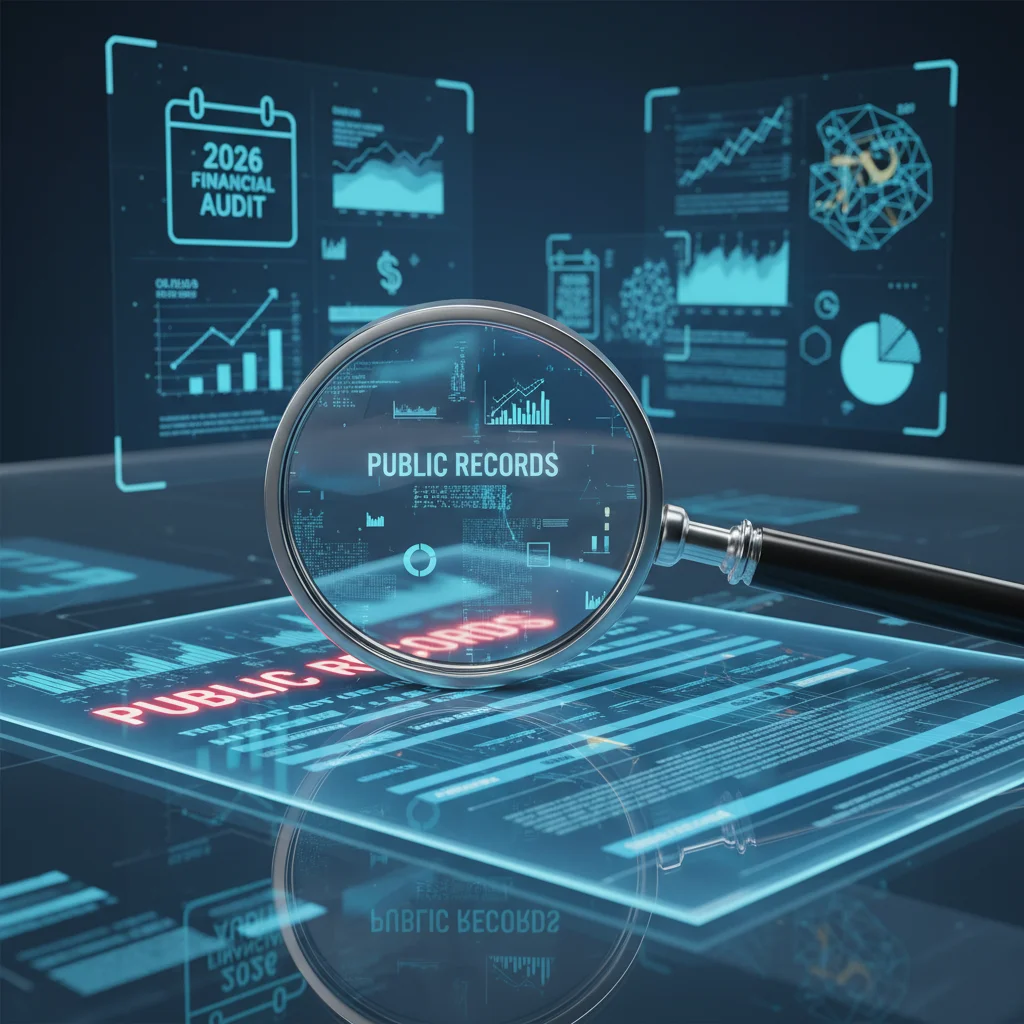
In the ever-evolving landscape of personal finance, understanding how various factors influence your credit report is paramount. As we delve into 2026, the way public records interact with and shape your creditworthiness continues to be a critical area of focus. For many, the term ‘public records’ might conjure images of obscure government documents, but their real-world impact on your financial health, particularly your credit score, is anything but obscure. This comprehensive guide will illuminate the latest insights into how public records credit reporting functions in 2026, what types of records you need to be aware of, and crucially, what steps you can take to mitigate their negative effects or even improve your standing.
Your credit report is more than just a numerical score; it’s a detailed financial narrative that lenders, landlords, and even potential employers use to assess your reliability. Every entry, positive or negative, contributes to this story. Public records, by their very nature, represent significant financial events that are legally documented and accessible to the public. While credit reporting agencies have refined their inclusion criteria over the years, certain public records still carry substantial weight, potentially affecting your ability to secure loans, mortgages, or even competitive interest rates.
The year 2026 brings with it new technological advancements and regulatory adjustments that continue to shape how this information is collected, processed, and ultimately reflected on your credit profile. Staying informed is your first line of defense in protecting and improving your financial future. Let’s embark on a detailed exploration of this crucial topic.
What Constitute Public Records in 2026 Credit Reporting?
To fully grasp the impact of public records on your credit report, it’s essential to first understand what types of records fall under this category in 2026. Historically, a broader range of public records was included in credit reports. However, due to consumer advocacy and legislative changes, particularly around 2017-2018, many civil judgments and paid tax liens were removed from credit reports by the major bureaus (Equifax, Experian, and TransUnion) because they often lacked sufficient identifying information to ensure accuracy. This was a significant shift, but it doesn’t mean public records are entirely absent from your credit narrative.
Bankruptcies: The Foremost Public Record
Even in 2026, bankruptcy remains the most impactful public record that appears on your credit report. When an individual or business files for bankruptcy, it becomes a matter of public record. There are different types of bankruptcies, each with varying durations on your credit report:
- Chapter 7 Bankruptcy (Liquidation): This type of bankruptcy typically remains on your credit report for up to 10 years from the filing date. It signifies a complete liquidation of assets to pay off creditors.
- Chapter 13 Bankruptcy (Reorganization): This involves a repayment plan over three to five years. It generally stays on your credit report for up to 7 years from the filing date.
The presence of a bankruptcy on your credit report is a significant red flag for lenders, indicating a severe past financial distress. It can drastically lower your credit score and make it challenging to obtain new credit, secure favorable loan terms, or even rent an apartment for many years. The impact is most severe immediately after filing and gradually lessens over time, though it never fully disappears until it drops off your report.
Unpaid Tax Liens: A Persistent Threat
While *paid* tax liens were largely removed from credit reports by the major bureaus, *unpaid* tax liens can still indirectly affect your credit. Although they might not appear directly on your credit report from the big three bureaus, they are still public records. Lenders and other entities can access public records databases, which may contain information about unpaid tax liens. If a lender performs a more thorough background check, they could discover an unpaid tax lien, which would undoubtedly influence their decision. Furthermore, an unpaid tax lien can lead to wage garnishments or asset seizures, which will inevitably impact your ability to pay other debts, thus indirectly harming your credit score.
Foreclosures: A Public Record with Credit Consequences
A foreclosure occurs when a lender repossesses a property due to the borrower’s failure to make mortgage payments. This is a public record event. While the foreclosure itself might not always appear as a distinct entry on your credit report from the major bureaus, the underlying delinquencies that led to the foreclosure most certainly will. Missed mortgage payments, charge-offs, and collections related to the deficiency balance after the foreclosure will be reported and can severely damage your credit score. A foreclosure typically remains on your credit report for 7 years from the date of the first missed payment that led to the foreclosure process.
Repossessions: Indirect Public Record Impact
Similar to foreclosures, a vehicle repossession is a public record. While the repossession itself might not be listed as a separate public record entry on your credit report, the associated missed payments, default, and any outstanding deficiency balance will be reported. These negative marks can significantly lower your credit score and remain on your report for up to 7 years from the date of the original delinquency.
The Evolution of Public Records and Credit Reporting in 2026
The credit reporting industry is constantly evolving, driven by technological advancements, consumer protection initiatives, and the need for accurate risk assessment. In 2026, we observe several key trends and considerations regarding public records and credit reports:
Enhanced Data Accuracy and Verification
Following past issues with data accuracy, credit bureaus in 2026 have implemented more stringent requirements for including public record data. This means that any public record information that does make it onto your report, primarily bankruptcies, is subject to rigorous verification processes to ensure it belongs to you and is correctly reported. This is a positive development for consumers, reducing the likelihood of erroneous entries.
The Role of Alternative Data Sources
While traditional public records like civil judgments and paid tax liens are largely excluded from mainstream credit reports, lenders and other financial institutions are increasingly utilizing alternative data sources for a more comprehensive view of an applicant’s financial behavior. This might include:
- Utility Payment History: Consistent on-time payments for utilities can positively influence credit assessments, especially for those with thin credit files.
- Rent Payment History: Reporting rent payments to credit bureaus is becoming more common, offering another positive data point.
- Public Records Databases: As mentioned, while not on your credit report, specialized public record databases are still accessible to lenders for deeper due diligence, especially for high-value loans.
This shift means that even if a public record isn’t on your credit report, it doesn’t guarantee it won’t be discovered during a more thorough application process. The emphasis is on a holistic financial picture.
Impact on Different Credit Scoring Models
It’s crucial to remember that different credit scoring models (e.g., FICO Score, VantageScore) may weigh public records differently. While the core impact of a bankruptcy is universally negative, the exact point deduction can vary. Newer scoring models are also designed to be more forgiving of past financial missteps as time passes and positive financial habits are demonstrated.
How Public Records Affect Your Credit Score
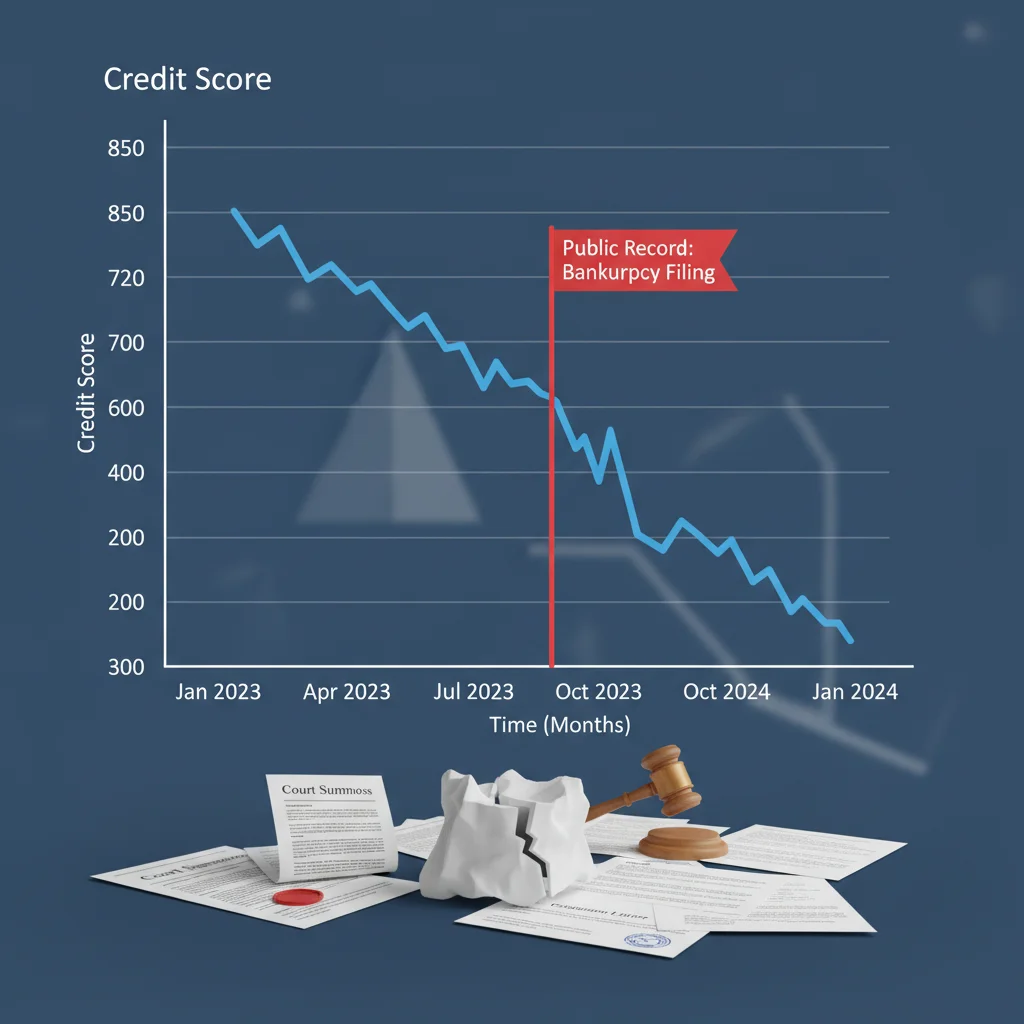
The impact of public records on your credit score is undeniable and often severe. Here’s a breakdown of how they can affect various aspects of your credit profile:
Significant Score Drop
A bankruptcy filing, for instance, can cause an immediate and substantial drop in your credit score, potentially by hundreds of points. The exact reduction depends on your score before the bankruptcy; individuals with higher scores tend to see a more dramatic decrease.
Increased Interest Rates
With a lower credit score due to public records, lenders perceive you as a higher risk. This often translates to higher interest rates on any credit you do manage to obtain, making borrowing more expensive.
Difficulty Obtaining New Credit
Many lenders have strict criteria that automatically reject applicants with recent bankruptcies or other severe public record events. This can make it challenging to get approved for credit cards, personal loans, auto loans, and mortgages.
Challenges with Renting and Employment
Beyond traditional lending, landlords often check credit reports as part of their tenant screening process. A public record like a bankruptcy could make it harder to secure housing. Similarly, certain employers, particularly those in financial sectors or positions of trust, may conduct credit checks, and a negative public record could impact employment opportunities.
Impact on Insurance Premiums
In some states, insurance companies use credit-based insurance scores to determine premiums. A poor credit history, influenced by public records, could lead to higher insurance rates.
Strategies for Managing and Improving Your Credit After a Public Record
While the presence of a public record on your credit report can feel daunting, it’s not a life sentence. There are proactive steps you can take in 2026 to manage its impact and gradually rebuild your creditworthiness. This process requires patience, discipline, and a strategic approach.
1. Obtain and Review Your Credit Report Regularly
The first and most crucial step is to regularly obtain copies of your credit reports from all three major bureaus (Equifax, Experian, and TransUnion). You are entitled to a free copy from each bureau annually through AnnualCreditReport.com. In 2026, it’s even easier to monitor your credit with various free credit monitoring services available. Review your reports meticulously for any inaccuracies, especially concerning public records. Even if a bankruptcy is legitimate, ensure all the details are correct, such as the filing date and discharge date.
2. Dispute Inaccuracies
If you find any errors or outdated information related to public records on your credit report, dispute them immediately with the credit bureau. Provide any supporting documentation you have. Under the Fair Credit Reporting Act (FCRA), credit bureaus are required to investigate disputes and correct any inaccuracies.
3. Establish New, Positive Credit History
Building new, positive credit history is vital. This demonstrates to lenders that you are capable of responsible financial management post-public record. Consider the following:
- Secured Credit Cards: These cards require a cash deposit, which acts as your credit limit. They are easier to obtain for individuals with poor credit and can be a great tool for rebuilding. Make small purchases and pay them off in full and on time every month.
- Credit Builder Loans: Offered by some credit unions and community banks, these loans are designed specifically to help you build credit. The loan amount is held in a savings account, and you make regular payments, which are reported to credit bureaus. Once the loan is paid off, you receive the funds.
- Authorized User Status: If you have a trusted friend or family member with excellent credit, they might add you as an authorized user on one of their credit cards. Their positive payment history can then reflect on your credit report.
- Reporting Rent and Utility Payments: As mentioned earlier, some services allow you to report your rent and utility payments to credit bureaus, adding positive payment history to your report.
4. Practice Excellent Payment Habits
This cannot be stressed enough: pay all your bills on time, every time. Payment history is the most significant factor in your credit score. Consistent on-time payments, even on new, small credit accounts, will gradually improve your credit over time. Set up automatic payments or reminders to avoid missing due dates.
5. Keep Credit Utilization Low
Credit utilization refers to the amount of credit you’re using compared to your total available credit. Aim to keep your credit utilization below 30%, but ideally even lower (10% or less) for the best results. High utilization can signal financial distress to lenders.
6. Exercise Patience and Persistence
Rebuilding credit after a public record event is not an overnight process. It takes time, often several years, for the negative impact to diminish and for new positive entries to outweigh the old ones. Stay consistent with your good financial habits, and you will see improvement.
7. Seek Professional Guidance
If you find the process overwhelming or need personalized advice, consider consulting with a reputable credit counseling agency. They can help you create a realistic budget, develop a debt management plan, and provide guidance on credit rebuilding strategies tailored to your specific situation. Ensure any agency you consider is non-profit and accredited.

The Future Outlook: Public Records and Credit in 2026 and Beyond
Looking ahead, the discussion around public records and credit reporting will likely continue to evolve. As financial technology advances and consumer demands for fairness and accuracy grow, we might see further refinements in how public records are handled. Here are some potential future trends:
Increased Emphasis on Financial Inclusion
There’s a growing movement towards financial inclusion, aiming to provide credit access to individuals traditionally underserved by the financial system. This could lead to more innovative credit scoring models that rely less on potentially stigmatizing public records and more on alternative data points that demonstrate financial responsibility.
AI and Machine Learning in Credit Assessment
Artificial intelligence and machine learning are already playing a significant role in credit assessment. In 2026 and beyond, these technologies could become even more sophisticated, allowing lenders to analyze vast amounts of data to make more nuanced and predictive lending decisions. This might mean that while a public record still carries weight, its impact could be more precisely calibrated based on other positive financial indicators.
Greater Transparency and Consumer Control
As data privacy concerns grow, there will likely be continued pressure for greater transparency regarding how credit bureaus collect and use data, including public records. Consumers may gain even more control over their financial data, with clearer pathways to understand and correct their credit reports.
Regulatory Scrutiny
Government regulators will continue to scrutinize credit reporting practices to ensure fairness, accuracy, and compliance with consumer protection laws. Any future changes in how public records credit data is handled will likely stem from these regulatory efforts.
Conclusion: Navigating Your Financial Future with Public Records in Mind
The impact of public records, particularly bankruptcies, on your credit report in 2026 remains a significant factor in your financial journey. Understanding what these records are, how they affect your credit score, and what steps you can take to mitigate their negative effects is crucial for maintaining a healthy financial profile. While a public record can present substantial challenges, it is not an insurmountable obstacle.
By diligently monitoring your credit reports, disputing inaccuracies, and consistently practicing sound financial habits, you can gradually rebuild your credit and regain financial stability. Remember, your credit report is a dynamic document that reflects your financial history, but it also offers opportunities for improvement and growth. With informed action and perseverance, you can navigate the complexities of public records credit reporting and pave the way for a more secure financial future in 2026 and beyond.
Stay informed, stay proactive, and take control of your financial narrative. Your credit health is a long-term commitment that yields significant rewards.