Boost Your FICO Score by 50+ Points in 90 Days: A 2026 Action Plan

In today’s financial landscape, a strong FICO score is more than just a number; it’s a gateway to better interest rates, easier loan approvals, and greater financial freedom. Whether you’re planning to buy a home, lease a car, or simply want to improve your financial standing, knowing how to boost FICO score effectively is paramount. Many believe that credit improvement is a slow, arduous process, but with the right strategies and consistent effort, it’s entirely possible to see significant gains in a relatively short period. This comprehensive guide will unveil a powerful 2026 action plan designed to help you boost your FICO score by 50 or more points in just 90 days. We’ll delve into the core components of your FICO score, identify common pitfalls, and provide actionable steps to accelerate your credit journey.
The journey to a healthier FICO score begins with understanding its intricate workings. Your FICO score is a three-digit number, typically ranging from 300 to 850, that lenders use to assess your creditworthiness. It’s calculated based on information from your credit reports, which are maintained by the three major credit bureaus: Experian, Equifax, and TransUnion. The five primary factors influencing your FICO score are payment history (35%), amounts owed (30%), length of credit history (15%), new credit (10%), and credit mix (10%). By strategically addressing each of these components, you can create a robust plan to effectively boost FICO score within our ambitious 90-day timeframe.
This article is not just about theory; it’s about practical, implementable steps. We’ll guide you through the process of obtaining and scrutinizing your credit reports, disputing errors, optimizing your credit utilization, and establishing positive payment habits. Furthermore, we’ll explore the nuances of new credit applications and the importance of a diverse credit portfolio. Our 2026 action plan is designed to be proactive and results-oriented, ensuring that every step you take contributes directly to your goal of a significantly improved FICO score. Let’s embark on this transformative financial journey together and discover how to truly boost FICO score in a meaningful way.
Understanding Your FICO Score: The Foundation of Improvement
Before you can effectively boost FICO score, you must first understand what it is and how it’s calculated. As mentioned, your FICO score is a numerical representation of your credit risk, used by lenders to make informed decisions. It’s not a static number; it fluctuates based on your financial behavior. The five key factors, each weighted differently, are crucial to comprehend:
1. Payment History (35%)
This is the most significant factor. Paying your bills on time, every time, is paramount. Late payments, collections, bankruptcies, and foreclosures can severely damage your score. Conversely, a consistent history of on-time payments is the most powerful way to positively impact and boost FICO score. Even a single late payment can have a ripple effect, so vigilance is key. Within our 90-day plan, establishing impeccable payment habits is non-negotiable.
2. Amounts Owed / Credit Utilization (30%)
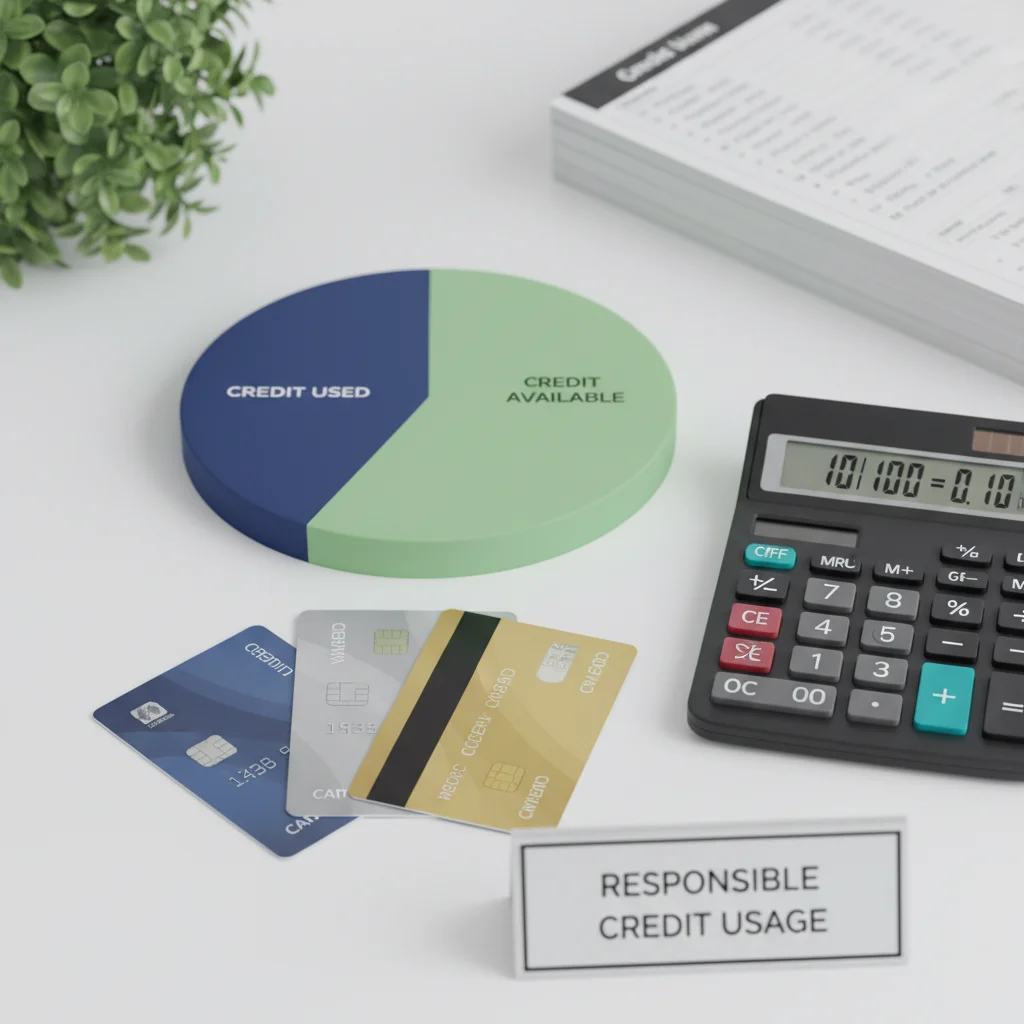
This factor looks at how much credit you’re using compared to your total available credit. It’s often referred to as your credit utilization ratio. A high utilization ratio signals to lenders that you might be over-reliant on credit, which can negatively impact your score. Ideally, you want to keep your overall credit utilization below 30%, and even lower (below 10%) for optimal results. Reducing this ratio is a quick and effective way to boost FICO score.
3. Length of Credit History (15%)
The longer your credit accounts have been open and in good standing, the better. This demonstrates your ability to manage credit over time. While you can’t instantly extend your credit history, understanding its importance helps you make informed decisions about closing old accounts. Generally, it’s advisable to keep older accounts open, even if they’re paid off, to maintain a longer average age of accounts.
4. New Credit (10%)
This factor considers how many new credit accounts you’ve recently opened and the number of hard inquiries on your credit report. Opening too many accounts in a short period can be perceived as risky by lenders. Each hard inquiry can temporarily ding your score, so it’s wise to only apply for credit when absolutely necessary, especially during your 90-day boost FICO score period.
5. Credit Mix (10%)
Lenders like to see a healthy mix of credit types, such as revolving credit (credit cards) and installment loans (mortgages, car loans, student loans). This demonstrates your ability to manage different kinds of debt responsibly. However, it’s important not to open new accounts solely for the sake of diversifying your credit mix, as this can backfire if not managed carefully.
By understanding these five pillars, you’re already laying a strong foundation for your 90-day plan to boost FICO score. Each step we discuss will directly address one or more of these critical factors, maximizing your chances of rapid credit improvement.
Phase 1: The Initial Assessment (Days 1-7)
The first week of your 90-day journey is dedicated to understanding your current credit standing. This involves obtaining your credit reports and scores, and meticulously reviewing them for accuracy. This initial assessment is crucial because you can’t fix what you don’t understand.
1. Obtain Your Credit Reports
You are entitled to one free copy of your credit report from each of the three major credit bureaus (Experian, Equifax, and TransUnion) every 12 months through AnnualCreditReport.com. It’s highly recommended to pull all three, as they may contain different information. Do this immediately as you begin your 90-day plan to boost FICO score.
2. Scrutinize for Errors
Once you have your reports, review every single detail with a fine-tooth comb. Look for:
- Incorrect personal information: Misspelled names, wrong addresses, incorrect employers.
- Accounts you don’t recognize: This could be a sign of identity theft.
- Incorrect payment statuses: A payment marked late when it was on time.
- Duplicate accounts: The same debt listed multiple times.
- Incorrect balances or credit limits: These can impact your credit utilization.
- Outdated negative information: Most negative items (like late payments or collections) should fall off your report after seven years.
Studies show that a significant percentage of credit reports contain errors, and even a small error can negatively impact your FICO score. Identifying and correcting these errors is one of the quickest ways to potentially boost FICO score.

3. Dispute Inaccuracies
If you find any errors, dispute them immediately with the relevant credit bureau(s) and the original creditor. You can typically do this online, by mail, or by phone. Provide clear documentation to support your claim. The credit bureaus have 30-45 days to investigate your dispute. This step is critical for cleaning up your credit profile and paving the way to boost FICO score.
4. Understand Your Current FICO Score
While your free credit reports don’t always include your FICO score, many credit card companies and banks now offer free FICO score access to their customers. Alternatively, you can purchase your FICO score directly from MyFICO.com. Knowing your starting point is essential for tracking progress throughout your 90-day plan to boost FICO score.
Phase 2: Strategic Debt Management & Payment Habits (Days 8-60)
With your credit reports analyzed and any errors disputed, the next phase focuses on proactive steps to improve the most heavily weighted factors: payment history and amounts owed. This is where the bulk of your effort to boost FICO score will lie.
1. Prioritize On-Time Payments (Payment History – 35%)
This cannot be stressed enough. For the next 90 days and beyond, commit to paying all your bills on time. Set up automatic payments for all your credit accounts, loans, and even utility bills. If you can’t automate, set multiple reminders. Missing even one payment can set back your progress significantly. If you have any past due accounts, bring them current as quickly as possible. Future on-time payments will gradually dilute the impact of past late payments, helping to boost FICO score over time.
2. Optimize Credit Utilization (Amounts Owed – 30%)
This is often the fastest way to boost FICO score. Aim to keep your credit utilization ratio below 30% on each card and overall. To achieve this:
- Pay down balances: Focus on paying down your highest-balance credit cards first. If you have multiple cards, pay the minimum on all but one, and aggressively pay down the one with the highest balance.
- Make multiple payments per month: Instead of waiting for the statement due date, make smaller payments throughout the month. This can keep your reported balance lower, positively impacting your utilization.
- Request a credit limit increase: If you have a good payment history with a particular card issuer, you might be able to request a credit limit increase. This increases your available credit, which can lower your utilization ratio, provided you don’t increase your spending. Be cautious, as some limit increase requests can result in a hard inquiry.
- Avoid closing old accounts: As tempting as it might be to close a paid-off credit card, doing so reduces your total available credit, which can actually increase your utilization ratio and shorten your credit history.
Aggressively tackling your credit utilization is a direct route to quickly boost FICO score within your 90-day window.
3. Tackle Small Debts (Debt Snowball/Avalanche)
While credit utilization focuses on revolving credit, managing all debt responsibly contributes to your overall financial health. Consider using the debt snowball (paying off smallest debts first for motivational wins) or debt avalanche (paying off highest interest debts first to save money) method. While not directly impacting FICO score as much as credit card utilization, reducing overall debt frees up cash flow, making it easier to manage credit cards and ultimately boost FICO score indirectly.
4. Communicate with Creditors
If you’re struggling to make payments, don’t ignore the problem. Contact your creditors proactively. They may be willing to work with you on a payment plan or offer temporary hardship programs. Ignoring calls and letters will only worsen the situation and further damage your FICO score.
Phase 3: Fine-Tuning and Monitoring (Days 61-90)
The final month of your 90-day plan is about solidifying good habits, avoiding new pitfalls, and monitoring your progress. These steps, while smaller in weight, are still important for maximizing your efforts to boost FICO score.
1. Be Strategic with New Credit (New Credit – 10%)
During this 90-day period, it’s generally best to avoid applying for new credit unless absolutely necessary. Each hard inquiry can cause a small, temporary dip in your score. If you must apply for new credit, do your research and only apply for what you truly need. Multiple applications in a short time signal higher risk to lenders.
2. Consider a Secured Credit Card (If Applicable)
If you have a very limited credit history or a poor one, a secured credit card can be an excellent tool to build or rebuild credit. You put down a deposit, which becomes your credit limit. This card works like a regular credit card, and responsible use (paying on time, keeping utilization low) will be reported to the credit bureaus, helping you to boost FICO score. After 6-12 months of good behavior, you might qualify for an unsecured card and get your deposit back.
3. Maintain a Healthy Credit Mix (Credit Mix – 10%)
While not a primary focus for rapid improvement, ensure you have a reasonable mix of credit types. If you only have credit cards, consider a small installment loan if it aligns with your financial goals (e.g., a small personal loan for a necessary purchase, paid off diligently). However, do not take on unnecessary debt just to improve your credit mix. The other factors are far more impactful for a quick boost to your FICO score.
4. Continue Monitoring Your Credit
Even after disputing initial errors, it’s vital to continue monitoring your credit reports. Sign up for free credit monitoring services offered by many banks or third-party providers. This allows you to catch new errors or fraudulent activity quickly, protecting your progress and ensuring you continue to boost FICO score.
5. Re-evaluate and Celebrate Progress
As you approach the 90-day mark, pull your credit reports and check your FICO score again. You should see a noticeable improvement if you’ve diligently followed the steps. Celebrate your progress, but remember that credit building is an ongoing process. Maintaining good habits is key to sustaining and further increasing your FICO score.
Common Pitfalls to Avoid When Trying to Boost FICO Score
While focusing on positive actions is crucial, understanding and avoiding common mistakes can prevent setbacks in your 90-day journey to boost FICO score:
- Closing old credit accounts: As discussed, this can shorten your credit history and increase your utilization ratio.
- Applying for too much new credit: Each hard inquiry can temporarily lower your score, and opening multiple new accounts signals risk.
- Ignoring small debts: Even a small, unpaid debt sent to collections can severely damage your score.
- Not checking your credit reports regularly: Errors can appear at any time, and identity theft can go unnoticed.
- Falling for credit repair scams: Be wary of companies promising instant fixes or asking for upfront fees before providing services. Legitimate credit repair takes time and effort.
- Maxing out credit cards: This sends a clear signal of high risk to lenders and significantly harms your credit utilization.
By consciously avoiding these pitfalls, you can protect your credit and ensure your efforts to boost FICO score are as effective as possible.
The Long-Term Game: Beyond 90 Days
While our focus has been on achieving a significant boost to your FICO score within 90 days, it’s important to remember that credit health is a marathon, not a sprint. The habits you establish during this period – timely payments, low credit utilization, and regular credit monitoring – should become permanent fixtures in your financial routine. Continuing these practices will ensure that your FICO score not only stays elevated but continues to improve over time, opening up even more financial opportunities.
As you move beyond the initial 90 days, consider these additional strategies for long-term credit excellence:
1. Regularly Review Your Financial Goals
Your credit score is a tool to achieve broader financial goals. Whether it’s buying a home, starting a business, or saving for retirement, periodically reviewing how your credit health aligns with these goals can provide continued motivation to maintain excellent habits. A higher FICO score translates directly into more favorable terms for loans and credit, saving you thousands of dollars over your lifetime.
2. Maintain a Low Credit Utilization Ratio
While aiming for under 30% is good, striving for under 10% on your revolving accounts is even better for long-term optimal scores. This demonstrates exceptional credit management and significantly contributes to a high FICO score. Continue to make multiple payments throughout the month or pay off your balances in full whenever possible.
3. Diversify Your Credit Mix Responsibly
Over time, as your financial needs evolve, you may naturally acquire different types of credit, such as a mortgage or an auto loan. Managing these diverse accounts responsibly will further strengthen your credit profile. Remember, the key is responsible management, not simply acquiring new debt.
4. Be Mindful of Co-Signing
Co-signing a loan for someone else means you are equally responsible for that debt. If the primary borrower misses payments, it will negatively impact your credit score, potentially undoing all your hard work to boost FICO score. Be extremely cautious and fully understand the risks before co-signing.
5. Protect Against Identity Theft
Identity theft remains a significant threat to financial health. Continuously monitor your credit reports, use strong, unique passwords for all financial accounts, and be wary of phishing attempts. Consider identity theft protection services for an added layer of security. Protecting your identity is paramount to maintaining a healthy FICO score.
Conclusion: Your Path to a Stronger FICO Score in 2026
Boosting your FICO score by 50+ points in 90 days is an ambitious yet entirely achievable goal with a focused and disciplined approach. By diligently following this 2026 action plan – from meticulously reviewing your credit reports to optimizing your credit utilization and committing to on-time payments – you are setting yourself up for significant financial success. Remember, every positive action you take, no matter how small, contributes to your overall credit health.
The power to transform your financial future lies in your hands. Embrace these strategies, stay consistent, and watch as your efforts to boost FICO score yield remarkable results. A higher FICO score means more than just numbers; it means greater access to opportunities, lower costs of borrowing, and enhanced financial peace of mind. Start today, and within 90 days, you’ll be well on your way to a stronger, more secure financial standing. Your journey to a better FICO score begins now!