Are you feeling the heavy burden of debt, constantly juggling payments, and seeing no end in sight? You’re not alone. Millions of people struggle with debt, but there’s a powerful tool often overlooked: the ability to negotiate with creditors. Imagine reducing your total debt by 10%, 20%, or even 30% this year. It’s not a pipe dream; it’s an achievable reality with the right strategies and a bit of determination. This comprehensive guide will equip you with insider tips and a step-by-step roadmap to effectively communicate with your creditors, secure favorable terms, and put you firmly on the path to financial freedom.
Debt can be an overwhelming force, impacting every aspect of your life, from your mental well-being to your future financial stability. The good news is that creditors, despite their intimidating reputation, are often willing to work with you. Their primary goal is to recover as much of the money owed as possible, and sometimes, a partial payment is better than no payment at all. Understanding this fundamental principle is your first step towards successful debt negotiation. By taking proactive steps to negotiate with creditors, you demonstrate responsibility and a genuine desire to resolve your financial obligations, which can significantly influence their willingness to compromise.
This article will delve into the nuances of debt negotiation, covering everything from preparing for your calls to understanding different negotiation tactics and knowing when to seek professional help. We will break down complex financial concepts into actionable advice, ensuring you feel confident and empowered throughout the process. Our goal is to demystify the process of how to negotiate with creditors, providing you with the knowledge and tools to reduce your debt and rebuild your financial future.
Understanding Your Debt Landscape: The First Step to Negotiation
Before you can effectively negotiate with creditors, you need a crystal-clear understanding of your current financial situation. This isn’t just about knowing how much you owe; it’s about understanding the types of debt, the interest rates, the payment history, and the specific terms of each agreement. Think of it as mapping out your battleground before engaging the enemy. Without this foundational knowledge, your negotiation efforts will be akin to shooting in the dark.
Identify All Your Debts
Start by making a comprehensive list of all your outstanding debts. This includes credit cards, personal loans, medical bills, student loans, and any other financial obligations. For each debt, gather the following information:
- Creditor Name: The exact name of the company you owe money to.
- Account Number: Essential for identifying your account.
- Original Balance: How much you initially borrowed or were charged.
- Current Balance: The total amount currently owed, including interest and fees.
- Interest Rate: The annual percentage rate (APR) for each debt.
- Minimum Monthly Payment: What you are currently required to pay.
- Payment Due Date: When each payment is expected.
- Date of Last Payment: Crucial for understanding payment history.
- Date of Last Activity: Important for statute of limitations considerations.
- Current Status: Is it current, past due, in collections?
You can gather this information from your monthly statements, online account portals, or by requesting a free credit report from AnnualCreditReport.com. Reviewing your credit report will also help you identify any debts you might have forgotten or that have been inaccurately reported.
Categorize Your Debts
Not all debts are created equal. Some debts, like secured loans (e.g., mortgages, car loans), have collateral attached, meaning failure to pay could result in asset forfeiture. Unsecured debts, such as credit cards and medical bills, typically do not have collateral. When you negotiate with creditors, understanding this distinction is vital, as it can influence a creditor’s willingness to settle.
Prioritize your debts based on interest rates (high-interest debts first), payment status (delinquent accounts often require immediate attention), and potential consequences of non-payment. This prioritization will help you focus your negotiation efforts where they will have the most impact.
Assess Your Financial Situation
Before contacting creditors, you need to know exactly what you can afford. Create a detailed budget that outlines your monthly income and expenses. Be realistic and thorough. This budget will help you determine how much money you can realistically offer in a lump sum settlement or a reduced monthly payment plan. Creditors will often ask about your financial situation, so being prepared with accurate figures will demonstrate your seriousness and ability to pay.
Preparing for Negotiation: Knowledge is Power
Once you have a clear picture of your debts and financial capacity, the next crucial step is preparation. This involves understanding your rights, researching your creditors, and developing a clear negotiation strategy. Going into a negotiation unprepared is like walking into a boxing match without training – you’re likely to get knocked out.
Know Your Rights
The Fair Debt Collection Practices Act (FDCPA) protects consumers from abusive debt collection practices. Familiarize yourself with your rights under this act, including what collectors can and cannot do. For instance, collectors cannot harass you, make false statements, or threaten you with actions they cannot legally take. Knowing your rights empowers you and prevents you from being intimidated during negotiations. This knowledge is a powerful tool when you negotiate with creditors.
Research Your Creditors and Collection Agencies
Each creditor and collection agency operates differently. Some are more flexible than others. Do a quick online search to see if others have shared their experiences negotiating with your specific creditors. This can provide valuable insights into their typical negotiation tactics and what kind of offers they might be willing to accept.
Determine Your Negotiation Goal
What do you want to achieve from this negotiation? Do you want to lower your interest rate, reduce your monthly payment, settle the debt for a lump sum, or extend the repayment period? Having a clear goal for each debt will guide your conversations and prevent you from getting sidetracked. For instance, if you aim to reduce your debt by 30%, you should have a target settlement amount in mind for each account.
Consider the following types of agreements you might aim for when you negotiate with creditors:
- Lump-Sum Settlement: Paying a reduced amount of the total debt in one payment. This is often the most effective way to achieve significant debt reduction.
- Payment Plan: Agreeing to a lower monthly payment over an extended period.
- Interest Rate Reduction: Lowering the APR to make payments more manageable.
- Waiver of Fees/Penalties: Asking for late fees or over-limit fees to be removed.
Gather Supporting Documentation
Be prepared to provide documentation that supports your financial hardship, if applicable. This could include layoff notices, medical bills, or other evidence of a significant life event that impacted your ability to pay. While not always required, having these documents ready can strengthen your case and show creditors you are genuinely facing difficulties.
The Art of Communication: How to Negotiate with Creditors Effectively
Now that you’re prepared, it’s time to pick up the phone. Effective communication is the cornerstone of successful debt negotiation. Remember, you are aiming for a mutually beneficial agreement, so a respectful, yet firm, approach is key.
Who to Contact
If your debt is still with the original creditor, contact their customer service or collections department. If your debt has been sold to a collection agency, you will need to negotiate with them. Always confirm who you are speaking with and that they have the authority to make decisions regarding your account.
Script Your Opening Statement
While you don’t need to read from a script verbatim, having key talking points will help you stay focused and confident. Start by calmly stating your name, account number, and your reason for calling. For example: "Hello, my name is [Your Name], and my account number is [Account Number]. I am calling today because I am experiencing financial hardship and would like to discuss options for resolving my outstanding balance."
Be Honest, But Don’t Over-Share
Be honest about your financial situation and your inability to meet the current payment terms. However, you don’t need to divulge every single detail of your personal life. Focus on the facts that are relevant to your financial hardship. For instance, instead of saying "I lost my job and my dog got sick, and my car broke down," simply state, "Due to unforeseen circumstances, my income has significantly decreased, making it difficult to maintain my current payments."
Start with a Low Offer (for Settlements)
If you’re aiming for a lump-sum settlement, start with a lower offer than what you’re willing to pay. Creditors typically start high, expecting you to negotiate down. A common starting point for offers is around 25-30% of the total debt, even if you are willing to go up to 50%. This leaves room for negotiation and allows you to gradually increase your offer until you reach a comfortable agreement. This is a crucial tactic when you negotiate with creditors.
Be Patient and Persistent
Negotiation can take time. You might not get the offer you want on the first call. Be prepared to make multiple calls and speak with different representatives. If a representative is uncooperative, politely end the call and try again later. Persistence is key, but always remain polite and professional.
Document Everything
Keep meticulous records of all your communications. Note down the date and time of each call, the name of the person you spoke with, what was discussed, and any agreements made. If an agreement is reached, request it in writing before making any payments. Do not rely on verbal agreements. This written documentation is your protection and proof of the agreement when you negotiate with creditors.
Advanced Negotiation Tactics and Considerations
Beyond the basics, there are several advanced tactics and important considerations that can significantly improve your chances of successful debt reduction.
Leverage the Statute of Limitations
For older debts, be aware of the statute of limitations in your state. This is the legal time limit within which a creditor or collector can sue you to collect a debt. If the statute of limitations has expired, they can no longer sue you, though they can still attempt to collect the debt. Be careful, as making a payment on an old debt can sometimes restart the clock on the statute of limitations. This is a nuanced area, so if you suspect your debt is near or past the statute of limitations, consult with a legal professional.
Consider Debt Validation
If you are contacted by a collection agency for a debt you don’t recognize or are unsure about, you have the right to request debt validation. This means the collector must provide proof that you owe the debt and that they have the legal right to collect it. Send a debt validation letter within 30 days of receiving the initial collection notice. If they cannot validate the debt, they must stop collection efforts. This is a powerful tool when you negotiate with creditors who are third-party collectors.
Hardship Programs and Options
Many creditors offer hardship programs for borrowers facing genuine financial difficulties. These programs might include temporary payment reductions, forbearance, or deferment. While these might not reduce the principal amount, they can provide much-needed breathing room during tough times. Inquire about these options when you speak with your creditors.
Don’t Pay Without a Written Agreement
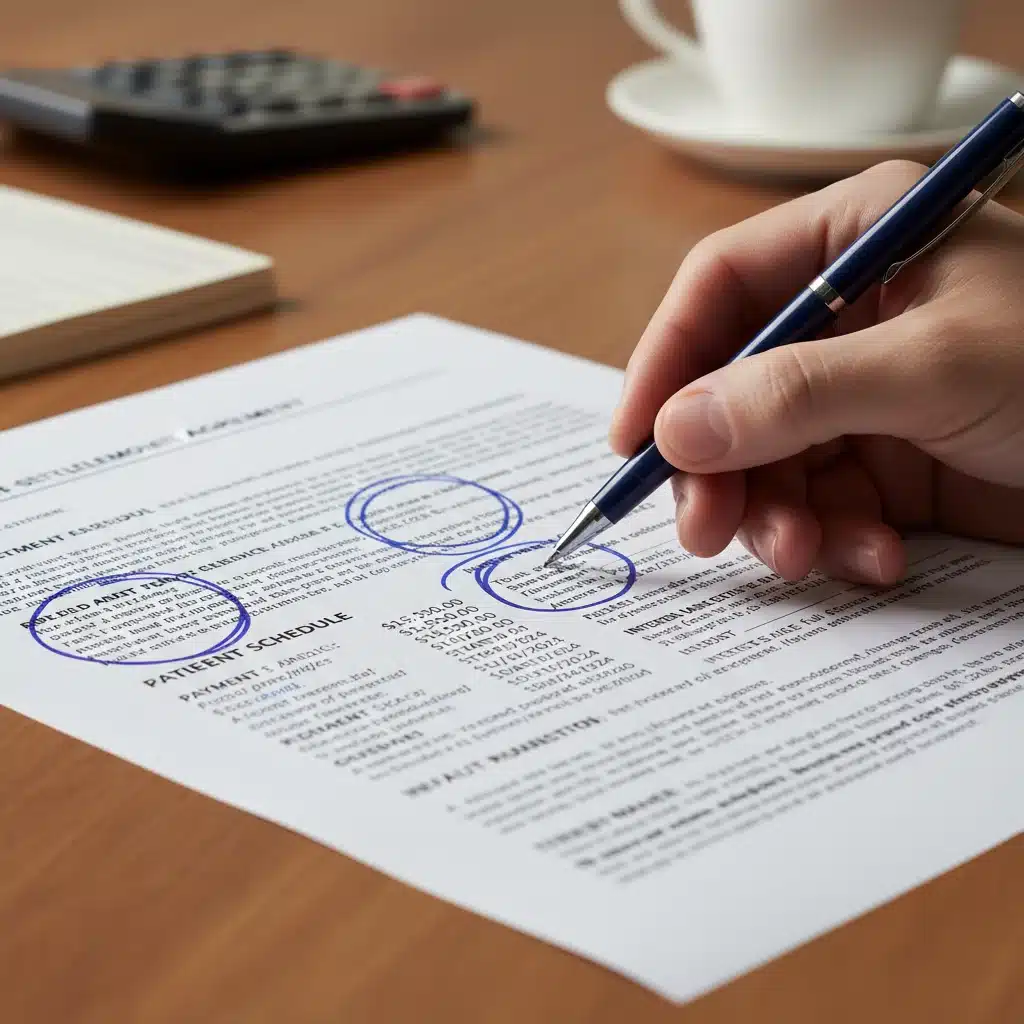
This cannot be stressed enough. Never, under any circumstances, make a payment on a settled debt until you have received and reviewed a written settlement agreement. This agreement should clearly state: the total amount owed, the agreed-upon settlement amount, the payment schedule (if applicable), and that the debt will be considered "paid in full" or "settled" upon completion of the agreement. Without this, you risk the creditor coming back for the remaining balance or reporting the full amount as unpaid on your credit report.
Understanding the Impact on Your Credit Score
Negotiating a debt settlement, especially for less than the full amount, will likely have a negative impact on your credit score. The debt will typically be reported as "settled for less than the full amount" or "paid as agreed (settled)." While this is not as damaging as a full charge-off or bankruptcy, it will be noted on your credit report for up to seven years. However, the long-term benefit of being debt-free often outweighs the temporary hit to your credit score. The key is to weigh the pros and cons for your specific situation. Being proactive in how you negotiate with creditors is generally better than ignoring the debt.
When to Seek Professional Help
While many individuals can successfully negotiate with creditors on their own, there are situations where professional help is advisable or even necessary. Recognizing these situations can save you time, stress, and potentially more money in the long run.
Debt Relief Companies
Debt relief companies, also known as debt settlement companies, negotiate with your creditors on your behalf. They typically ask you to stop paying your creditors directly and instead make payments into an escrow account. Once a sufficient amount has accumulated, they use these funds to offer lump-sum settlements to your creditors. While they can be effective, they come with risks:
- Fees: They charge significant fees, often a percentage of the enrolled debt or the amount saved.
- Credit Impact: Stopping payments to creditors will severely damage your credit score.
- Lawsuits: Creditors may sue you for non-payment while you’re in the program.
- Not all debts qualify: Some debts, like secured loans or student loans, are typically not eligible.
If you consider a debt relief company, thoroughly research their reputation, check for complaints with the Better Business Bureau, and understand all fees and terms before signing any agreement.
Credit Counseling Agencies
Non-profit credit counseling agencies can help you create a budget, explore debt management plans (DMPs), and provide financial education. In a DMP, the agency works with your creditors to potentially lower interest rates and combine your monthly payments into one. You then make a single payment to the agency, which distributes the funds to your creditors. DMPs can be a good option for those who can afford their payments but need help with organization and potentially lower interest rates. They generally have a less severe impact on your credit than debt settlement. They are a valuable resource when you need guidance on how to negotiate with creditors.
Bankruptcy Attorneys
If your debt is overwhelming and you see no viable path to repayment, bankruptcy might be an option. This is a serious legal process with long-lasting consequences for your credit, but it can provide a fresh financial start. A bankruptcy attorney can advise you on whether bankruptcy is the right choice for your situation and guide you through the legal proceedings. This is typically a last resort, but an important one to consider if other negotiation efforts prove fruitless.
Maintaining Financial Health After Negotiation
Successfully negotiating your debts is a significant achievement, but it’s just the beginning. The ultimate goal is to maintain long-term financial health and prevent future debt accumulation. This involves adopting sound financial habits and continuing to be proactive with your money.
Stick to Your Budget
The budget you created for negotiation purposes should become a permanent fixture in your financial life. Regularly review and adjust it to ensure you are living within your means and allocating funds wisely. A strong budget is your shield against future debt.
Build an Emergency Fund
One of the primary reasons people fall into debt is unexpected expenses. An emergency fund, ideally covering 3-6 months of living expenses, can act as a financial safety net, preventing you from relying on credit cards when unforeseen events occur. Prioritize building this fund after your debt negotiation is complete.
Practice Responsible Credit Use
If you still have credit cards, use them responsibly. Pay off your balances in full each month, keep your credit utilization low, and avoid opening new lines of credit unnecessarily. Rebuild your credit score gradually through consistent, responsible financial behavior.
Continue Financial Education
The world of personal finance is constantly evolving. Continue to educate yourself on saving, investing, and managing money. The more knowledgeable you are, the better equipped you’ll be to make informed decisions and avoid pitfalls. This ongoing learning will empower you to confidently negotiate with creditors should the need ever arise again.

Conclusion: Empowering Yourself to Financial Freedom
Debt can feel like an insurmountable mountain, but with the right approach, you can chip away at it and eventually reach the summit of financial freedom. The ability to negotiate with creditors is a powerful skill that can save you thousands of dollars and significantly reduce the time it takes to become debt-free. By understanding your debts, preparing meticulously, communicating effectively, and knowing when to seek professional help, you can take control of your financial destiny.
Remember, creditors are businesses, and they are often willing to compromise to recover some of their money. Your proactive efforts to engage and negotiate demonstrate your commitment to resolving your obligations. Don’t let fear or intimidation hold you back. Take the first step today, gather your information, and start the conversation. With persistence and the strategies outlined in this guide, reducing your debt by up to 30% this year is not just a possibility; it’s an achievable goal that will pave the way for a more secure and prosperous financial future.
Embrace the power of negotiation, and transform your debt burden into a stepping stone towards lasting financial stability. You have the tools; now it’s time to use them.