The 2026 Guide to Disputing Credit Report Errors: Improving Your Financial Standing
In the rapidly evolving financial landscape of 2026, maintaining a pristine credit report is more critical than ever. Your credit report serves as a detailed financial resume, influencing everything from loan approvals and interest rates to housing applications and even employment opportunities. Unfortunately, errors on these reports are surprisingly common, and if left unaddressed, they can significantly damage your financial health. This comprehensive guide will walk you through the essential steps to dispute credit errors effectively in 2026, empowering you to take control of your financial future.
Why Your Credit Report Matters in 2026
Before diving into the mechanics of how to dispute credit errors, it’s crucial to understand the profound impact your credit report has on your life. In 2026, with advanced data analytics and increased reliance on automated decision-making, a strong credit profile is a cornerstone of financial stability. Lenders, landlords, and even some employers use your credit report to assess your reliability and financial responsibility. A single inaccuracy, such as an incorrectly reported late payment, an account that isn’t yours, or an outdated collection, can lower your credit score by several points. This seemingly small dip can translate into higher interest rates on mortgages and car loans, rejection for rental properties, or even missed job opportunities. Therefore, regularly monitoring your credit report and being prepared to dispute credit errors is not just good practice – it’s a financial imperative.
The Evolving Landscape of Credit Reporting
The year 2026 brings with it new technological advancements and regulatory considerations that affect credit reporting. While the core principles of the Fair Credit Reporting Act (FCRA) remain the bedrock of consumer protection, digital platforms and AI-driven credit analysis are becoming more prevalent. This means that while reporting might be faster, the potential for automated errors also exists. Understanding these nuances is vital when you need to dispute credit errors. Furthermore, with the rise of alternative credit data, the scope of what can impact your credit is broadening, making diligent review even more important.
Identifying Credit Report Errors: Your First Line of Defense
The first and most critical step in learning how to dispute credit errors is to meticulously review your credit reports. You are entitled to a free copy of your credit report from each of the three major credit bureaus – Equifax, Experian, and TransUnion – once every 12 months through AnnualCreditReport.com. It’s recommended to pull a report from a different bureau every four months to monitor your credit throughout the year without incurring costs. Don’t assume all three reports will be identical; errors can appear on one report but not another.
Common Types of Credit Report Errors to Look For:
- Identity Theft: Accounts opened in your name without your knowledge. This is a serious issue that requires immediate attention beyond just disputing the entry.
- Incorrect Personal Information: Misspellings of your name, wrong addresses, or an incorrect Social Security number. These can lead to mixed files.
- Incorrect Account Information:
- Late Payments: Payments reported as late when they were made on time.
- Incorrect Account Status: An account listed as open when it’s closed, or closed when it’s open.
- Duplicate Accounts: The same account listed multiple times.
- Incorrect Balances or Credit Limits: Discrepancies in the amount owed or your available credit.
- Accounts You Don’t Own: Accounts that belong to someone else with a similar name or a family member.
- Outdated Information: Negative information (like bankruptcies or collections) that should have been removed from your report after the legally mandated reporting period (generally seven years for most negative items, 10 years for Chapter 7 bankruptcies).
- Data Furnisher Errors: Mistakes made by the original creditor or collection agency when reporting information to the credit bureaus.
When reviewing your reports, pay close attention to account numbers, dates, payment histories, and balances. Any discrepancy, no matter how small it seems, could be a target when you decide to dispute credit errors.
The Step-by-Step Process to Dispute Credit Errors in 2026
Once you’ve identified an error, it’s time to take action. The process for how to dispute credit errors typically involves contacting both the credit bureau and the data furnisher (the creditor or collection agency) responsible for the information.
Step 1: Gather Your Evidence
Before you initiate a dispute, compile all relevant documentation that supports your claim. This might include:
- Copies of your credit reports highlighting the errors.
- Bank statements or canceled checks proving on-time payments.
- Account statements showing correct balances or account status.
- Correspondence from creditors.
- Police reports (in cases of identity theft).
- Any other documentation that proves the information on your report is inaccurate.
The more evidence you have, the stronger your case when you dispute credit errors.
Step 2: Contact the Credit Bureaus
You can dispute credit errors with each credit bureau online, by mail, or by phone. While online disputes are often the quickest, sending a dispute letter by certified mail with a return receipt requested provides a clear paper trail, which can be invaluable if issues arise later.
Online Dispute Process:
Visit the dispute section of each credit bureau’s website:
- Equifax: Equifax Disputes
- Experian: Experian Disputes
- TransUnion: TransUnion Disputes
Follow their instructions to submit your dispute. You’ll typically need to provide your personal information, the account number in question, and a description of the error. You can often upload supporting documents directly through their online portal.
Dispute by Mail (Recommended for Documentation):
Draft a clear and concise dispute letter. Include:
- Your full name, current address, and previous addresses (if applicable).
- Date of birth and Social Security number.
- A clear statement that you are disputing information on your credit report.
- Identify each item you are disputing by account number and the name of the creditor.
- Explain why you believe the information is inaccurate.
- Request that the item be removed or corrected.
- Enclose copies (not originals) of your supporting documentation.
- Keep a copy of everything you send.
Mail your letter via certified mail with a return receipt requested to the appropriate credit bureau. This provides proof that your letter was sent and received.

Step 3: Contact the Data Furnisher (Creditor or Collection Agency)
While the credit bureaus are legally obligated to investigate your dispute, it’s often beneficial to also contact the data furnisher directly. They are required by law to investigate disputes and report the outcome to all three credit bureaus. This dual approach can expedite the resolution process.
Send a similar dispute letter to the data furnisher, including all relevant account information and supporting documents. Again, use certified mail with a return receipt requested.
Step 4: Understand the Investigation Process and Timelines
Under the FCRA, credit bureaus typically have 30 days (sometimes up to 45 days if you provide additional information during the 30-day period) to investigate your dispute once they receive it. During this time, they will contact the data furnisher to verify the information. The data furnisher must also investigate and report their findings back to the credit bureau.
If the information is found to be inaccurate, incomplete, or unverifiable, the credit bureau must remove or correct it. They will then send you the results of the investigation, along with a revised copy of your credit report if changes were made.
Step 5: Review the Results and Follow Up
Once you receive the results of the investigation, carefully review your updated credit report. Ensure that the disputed item has been corrected or removed as requested. If the error was removed from one credit report, check the others to ensure consistency. If the credit bureau determines the information is accurate, but you still believe it’s incorrect, you have further options.
What Happens If Your Dispute is Denied?
Even after a thorough process to dispute credit errors, there’s a chance your dispute might be denied. Don’t be discouraged; you still have avenues to pursue.
Option 1: Re-dispute with New Information
If you have additional evidence or a clearer explanation of the error, you can re-dispute the item. Sometimes, the initial investigation might have overlooked certain details. Presenting new information can prompt a fresh review.
Option 2: Add a Statement of Dispute to Your Report
If the credit bureau verifies the information as accurate but you still disagree, you have the right to add a brief statement (usually 100 words or less) to your credit report explaining your side of the story. While this won’t remove the item, it can provide context to potential lenders or creditors reviewing your report.
Option 3: Contact the Consumer Financial Protection Bureau (CFPB)
The CFPB is a federal agency that protects consumers in the financial marketplace. You can submit a complaint to the CFPB about credit reporting issues. They will forward your complaint to the company and work to get a response, often prompting a more thorough review of your case. Visit their website at consumerfinance.gov to learn more.
Option 4: Seek Legal Counsel
If all else fails, and especially if the error is significant and causing substantial harm, you might consider consulting with a consumer law attorney specializing in credit reporting. They can assess your case and advise you on potential legal action under the FCRA.

Proactive Credit Management in 2026
Beyond knowing how to dispute credit errors, adopting proactive credit management habits is key to long-term financial health. The financial world of 2026 demands vigilance and informed decision-making.
Regularly Monitor Your Credit Reports and Scores
Don’t wait for an issue to arise. Make it a habit to check your credit reports from all three bureaus at least once a year, and consider using free credit monitoring services offered by many financial institutions or websites. These services can alert you to significant changes or new accounts opened in your name, allowing you to react quickly and dispute credit errors before they escalate.
Understand Your Credit Score
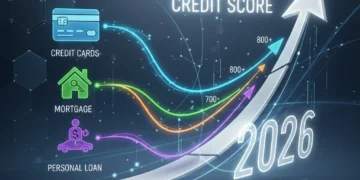
While your credit report details your financial history, your credit score is the numerical representation of that history. Familiarize yourself with the factors that influence your score, such as payment history, amounts owed, length of credit history, new credit, and credit mix. Understanding these elements will help you make informed decisions that positively impact your score.
Practice Good Financial Habits
The best defense against credit report errors and a low credit score is consistent, responsible financial behavior. This includes:
- Paying all your bills on time, every time.
- Keeping credit utilization low (ideally below 30% of your available credit).
- Avoiding opening too many new credit accounts in a short period.
- Maintaining a healthy mix of credit types (e.g., installment loans and revolving credit).
- Reviewing your bank and credit card statements for unauthorized transactions.
Guard Against Identity Theft
Identity theft is a leading cause of severe credit report errors. Be proactive in protecting your personal information. Use strong, unique passwords for online accounts, be wary of phishing scams, shred sensitive documents, and be cautious about sharing personal details online or over the phone. Consider freezing your credit if you are concerned about identity theft, which can prevent new accounts from being opened in your name.
The Role of Technology in Disputing Credit Errors in 2026
The year 2026 sees an increasing integration of technology into the credit reporting and dispute process. While the fundamental steps to dispute credit errors remain, digital tools can streamline the experience.
AI and Automated Dispute Tools
Some companies offer AI-powered tools that can scan your credit report for common errors and even help generate dispute letters. While these can be helpful starting points, always review the generated content for accuracy and personalize it with your specific details and evidence. These tools are assistants, not replacements for your due diligence.
Secure Digital Communication
Credit bureaus and furnishers are improving their secure online portals for disputes and communication. Utilize these platforms when available, ensuring your personal and financial information is transmitted securely. Always look for ‘https’ in the website address and a padlock icon in your browser.
Mobile Apps for Credit Monitoring
Many credit monitoring services now offer sophisticated mobile applications that provide real-time alerts, credit score updates, and simplified ways to access your credit reports. These apps can be powerful tools in your arsenal for identifying and responding to errors quickly, making it easier to initiate the process to dispute credit errors from anywhere.
Understanding Your Rights Under the FCRA
The Fair Credit Reporting Act (FCRA) is the federal law that governs credit reporting in the United States and provides you with significant rights when it comes to your credit information. Knowing these rights is crucial when you dispute credit errors.
- Right to Accurate Information: You have the right to have accurate, complete, and up-to-date information on your credit report.
- Right to Access Your Report: You have the right to a free copy of your credit report from each major credit bureau once every 12 months.
- Right to Dispute Errors: If you find information on your report that you believe is inaccurate or incomplete, you have the right to dispute it with both the credit bureau and the data furnisher.
- Right to an Investigation: Credit bureaus and data furnishers must investigate your dispute within a reasonable timeframe (usually 30-45 days).
- Right to Removal of Inaccurate Information: If the investigation confirms the information is inaccurate or cannot be verified, it must be removed or corrected.
- Right to a Statement of Dispute: If your dispute is denied, you have the right to add a brief statement to your report explaining your position.
- Right to Damages: In some cases, if a credit bureau or furnisher violates the FCRA, you may have the right to sue for damages.
Familiarizing yourself with the FCRA empowers you to assert your rights effectively throughout the process of how to dispute credit errors.
Conclusion: Take Charge of Your Credit in 2026
In 2026, a healthy credit report is an indispensable asset. Errors, though common, do not have to be permanent roadblocks to your financial goals. By diligently monitoring your credit, understanding the types of errors to look for, and following the step-by-step process to dispute credit errors, you can protect and improve your financial standing. Remember to gather evidence, communicate clearly and persistently with credit bureaus and data furnishers, and leverage available technology and your consumer rights. Taking proactive steps today will ensure your credit report accurately reflects your financial responsibility and opens doors to a more secure and prosperous future.