Consumer Data Protection in the Digital Age: Navigating Data Privacy Laws in 2026 to Safeguard Your Information from Unauthorized Access
In an era where our lives are increasingly intertwined with digital platforms, the concept of consumer data protection has never been more critical. Every click, every purchase, every interaction online generates a trail of data, a digital footprint that holds immense value – and risk. As we advance towards 2026, the landscape of data privacy laws is continuously evolving, presenting both new challenges and enhanced opportunities for individuals to reclaim control over their personal information. This comprehensive guide will delve into the intricacies of current and projected data privacy regulations, equip you with the knowledge to understand your rights, and provide actionable strategies to safeguard your data from unauthorized access.
The digital age, while offering unparalleled convenience and connectivity, has simultaneously ushered in an era of unprecedented data collection. From social media giants to e-commerce platforms, healthcare providers to financial institutions, countless entities collect, process, and store vast amounts of our personal data. This data, ranging from our names and addresses to our browsing habits, health records, and financial transactions, is a valuable commodity. It fuels personalized advertising, drives product development, and informs strategic business decisions. However, with great value comes great responsibility – and significant risk. The proliferation of data breaches, identity theft, and algorithmic discrimination underscores the urgent need for robust consumer data protection mechanisms.
The Evolving Landscape of Data Privacy Laws: What to Expect in 2026
The year 2026 is poised to be a pivotal moment for data privacy. Governments and international bodies are continually refining and introducing new legislation to address the rapid advancements in technology and the ever-present threats to personal data. We’ve seen the groundbreaking impact of regulations like the General Data Protection Regulation (GDPR) in Europe and the California Consumer Privacy Act (CCPA) in the United States. These pioneering frameworks have set a global standard, emphasizing transparency, individual rights, and accountability for data processors.
Key Trends Shaping 2026 Data Privacy Legislation
- Increased Focus on AI and Algorithmic Transparency: As Artificial Intelligence becomes more pervasive, new laws are expected to address how AI systems use personal data, focusing on explainability, bias detection, and ethical deployment. Consumers will likely gain more rights to understand how AI-driven decisions affect them.
- Cross-Border Data Transfer Regulations: The complexities of international data flows necessitate more stringent and harmonized rules. Expect further developments in mechanisms for secure and compliant data transfers between different jurisdictions, impacting global businesses and ensuring consistent consumer data protection.
- Enhanced Enforcement and Penalties: Regulatory bodies are likely to be granted greater powers and resources to enforce data privacy laws, leading to higher fines and more rigorous audits for non-compliant organizations. This will serve as a stronger deterrent against data misuse.
- Privacy by Design and Default: Legislation will increasingly mandate that privacy considerations are embedded into the design of systems and services from the outset, rather than being an afterthought. This proactive approach aims to build in safeguards for consumer data protection.
- Specific Sectoral Regulations: Beyond general data privacy laws, we anticipate more specific regulations for sensitive sectors such as health tech, fintech, and education, addressing unique data processing challenges and vulnerabilities.
Understanding Your Rights as a Digital Consumer
At the heart of effective consumer data protection are individual rights. These rights empower you to control how your personal information is collected, used, and shared. While specific rights may vary slightly by jurisdiction, several core principles are becoming universally recognized:
The Right to Access and Information
You have the right to know what personal data an organization holds about you and how they are using it. This includes the right to request a copy of your data and receive clear, concise information about the purposes of processing, the categories of data collected, and who your data is shared with. Transparency is paramount for true consumer data protection.
The Right to Rectification
If the personal data an organization holds about you is inaccurate or incomplete, you have the right to have it corrected or updated without undue delay. Maintaining accurate data is crucial for preventing misidentification and ensuring proper service delivery.
The Right to Erasure (The ‘Right to be Forgotten’)
In certain circumstances, you have the right to request the deletion or removal of your personal data. This might apply if the data is no longer necessary for the purpose for which it was collected, if you withdraw consent, or if the data has been unlawfully processed. This right is a cornerstone of modern consumer data protection.
The Right to Restrict Processing
You can request that an organization temporarily stop processing your personal data under certain conditions, for example, if you contest the accuracy of the data or object to its processing. This allows you to pause data usage while disputes are resolved.
The Right to Data Portability
This right allows you to obtain and reuse your personal data for your own purposes across different services. You can request to receive your data in a structured, commonly used, and machine-readable format, and have the right to transmit that data to another controller without hindrance.
The Right to Object
You have the right to object to the processing of your personal data in certain situations, particularly when it comes to direct marketing. If you object, the organization must stop processing your data unless they can demonstrate compelling legitimate grounds for the processing that override your interests, rights, and freedoms.
Rights in Relation to Automated Decision Making and Profiling
You have the right not to be subject to a decision based solely on automated processing, including profiling, which produces legal effects concerning you or similarly significantly affects you. This is increasingly important with the rise of AI and helps ensure fair and transparent decision-making, a vital aspect of consumer data protection.
Practical Steps to Safeguard Your Information in 2026
While laws provide a framework for consumer data protection, individuals also play a crucial role in safeguarding their own information. Here are practical steps you can take:
1. Be Mindful of What You Share Online
Think before you post. Every piece of information you share on social media, forums, or websites can potentially be collected and used. Exercise caution with personal details, location data, and sensitive opinions. Remember, once something is online, it’s often difficult to remove completely.
2. Strengthen Your Passwords and Use Multi-Factor Authentication (MFA)
Weak passwords are an open invitation for cybercriminals. Use strong, unique passwords for each account, combining uppercase and lowercase letters, numbers, and symbols. Even better, enable multi-factor authentication (MFA) wherever possible. MFA adds an extra layer of security, typically requiring a code from your phone in addition to your password, making it significantly harder for unauthorized users to gain access.
3. Review Privacy Settings Regularly
Social media platforms, apps, and operating systems frequently update their privacy settings. Take the time to review and adjust these settings to your comfort level. Limit who can see your posts, access your location, or share your data with third parties. Being proactive about your settings is a key component of consumer data protection.
4. Understand Privacy Policies (or at least the Summary)
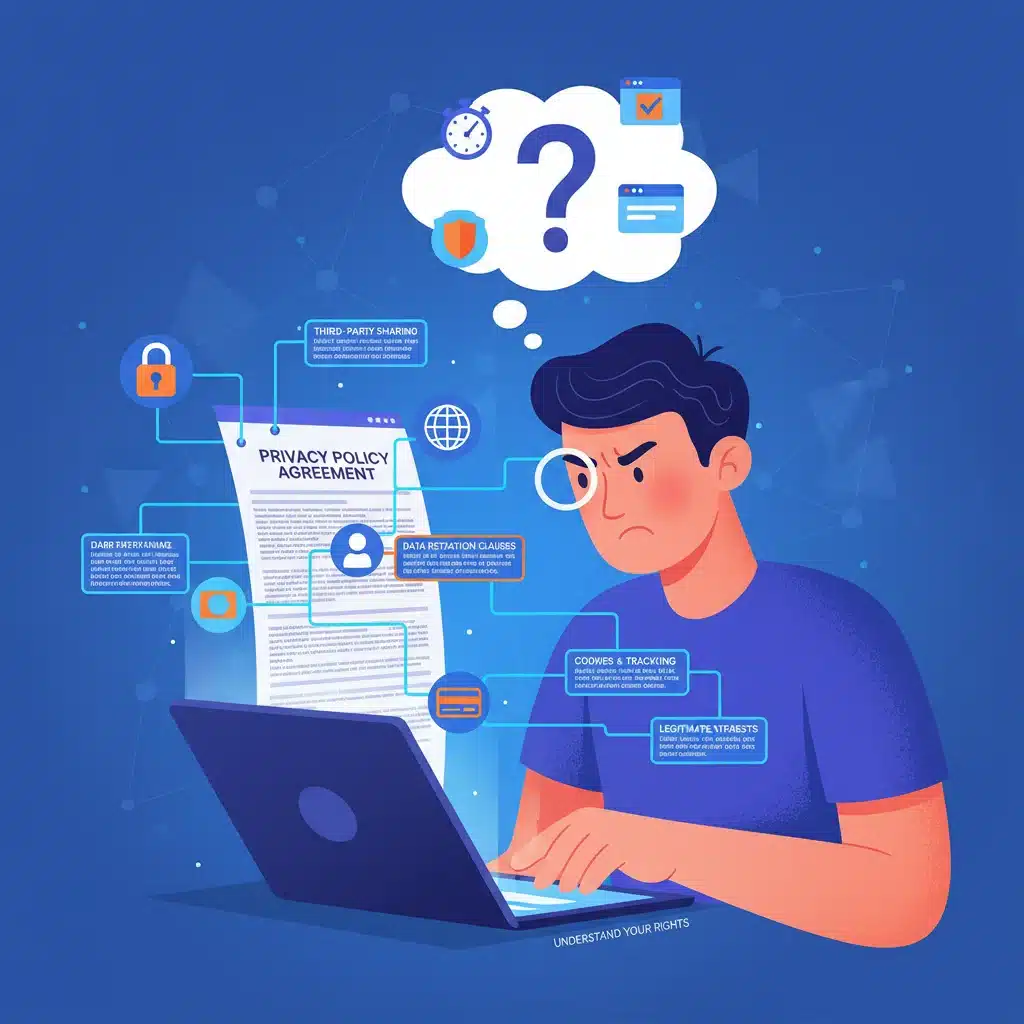
While often lengthy and filled with legal jargon, privacy policies outline how an organization collects, uses, and protects your data. Try to read the key sections, especially those related to data sharing, data retention, and your rights. Many organizations are now providing simplified summaries, making it easier to grasp essential information.
5. Be Wary of Phishing and Social Engineering Scams
Cybercriminals often try to trick you into revealing personal information through deceptive emails, messages, or phone calls. Be skeptical of unsolicited requests for data, especially those asking for passwords, credit card numbers, or other sensitive details. Always verify the sender’s identity before clicking links or downloading attachments.
6. Use Secure Networks and VPNs
When accessing sensitive information, always use a secure, encrypted network. Avoid public Wi-Fi networks for banking or shopping, as they can be vulnerable to eavesdropping. Consider using a Virtual Private Network (VPN) to encrypt your internet traffic and mask your IP address, enhancing your online anonymity and consumer data protection.
7. Keep Software and Devices Updated
Software updates often include critical security patches that fix vulnerabilities. Ensure your operating systems, web browsers, antivirus software, and all applications are kept up to date. Outdated software is a common entry point for cyberattacks.
8. Exercise Your Data Rights
Don’t hesitate to exercise your rights to access, rectify, or erase your data. If you have concerns about how an organization is handling your information, reach out to their data protection officer or customer support. Knowing and asserting your rights is fundamental to robust consumer data protection.
The Role of Businesses in Upholding Consumer Data Protection
For businesses, compliance with data privacy laws is not just a legal obligation but a strategic imperative. Trust is the currency of the digital economy, and organizations that prioritize consumer data protection are more likely to build lasting relationships with their customers. In 2026, businesses will face increased scrutiny and accountability.
Key Responsibilities for Organizations
- Data Minimization: Only collect the data absolutely necessary for a specific purpose.
- Purpose Limitation: Use data only for the purposes for which it was collected and disclosed.
- Accuracy: Ensure data is accurate and kept up-to-date.
- Storage Limitation: Retain data only for as long as necessary.
- Integrity and Confidentiality: Implement robust security measures to protect data from unauthorized access, processing, or loss.
- Transparency: Clearly communicate data practices to users through accessible privacy policies.
- Accountability: Be able to demonstrate compliance with data protection principles.
- Data Protection Impact Assessments (DPIAs): Conduct assessments for high-risk data processing activities.
- Appointing a Data Protection Officer (DPO): Many regulations require the appointment of a DPO to oversee data protection strategies and compliance.
The penalties for non-compliance can be severe, ranging from hefty fines that can impact a company’s bottom line to significant reputational damage that erodes customer trust. Proactive investment in data security infrastructure, employee training, and robust compliance frameworks will be essential for businesses navigating the 2026 regulatory landscape and ensuring effective consumer data protection.

The Future of Consumer Data Protection: A Shared Responsibility
Looking ahead to 2026 and beyond, the journey of consumer data protection is a continuous one, requiring vigilance from individuals, proactive measures from businesses, and evolving frameworks from governments. The digital age is still relatively young, and as technology continues its relentless march forward – with advancements in quantum computing, brain-computer interfaces, and advanced biometrics – the challenges to privacy will undoubtedly intensify.
The concept of digital sovereignty, where individuals have ultimate control over their digital identity and data, is gaining traction. This vision emphasizes empowering consumers with granular control, making it easier to grant, revoke, and manage consent for data usage. Blockchain technology, with its decentralized and immutable ledger, also holds promise for enhancing data security and transparency, potentially revolutionizing how personal data is managed and shared in a way that inherently supports consumer data protection.
Ultimately, a holistic approach is required. Education plays a vital role, ensuring that both consumers and businesses understand the implications of data collection and the importance of privacy. Technological innovation must be guided by ethical considerations and privacy-by-design principles. And legal frameworks must remain agile, adapting to new technologies while upholding fundamental human rights in the digital sphere.
Conclusion
The digital age, with all its conveniences, demands a heightened awareness and proactive stance on consumer data protection. As we approach 2026, the evolving landscape of data privacy laws will provide stronger safeguards, but individual vigilance remains paramount. By understanding your rights, adopting robust security practices, and holding organizations accountable, you can navigate the complexities of the digital world with greater confidence and control over your personal information. The future of data privacy is a shared responsibility, and by working together, we can build a more secure and trustworthy digital environment for everyone.