Combating Imposter Scams 2026: Recognizing & Reporting Fake Government Calls
In 2026, government imposter scams are evolving. This comprehensive guide helps you identify fake government calls, understand their tactics, and provides crucial steps for reporting and preventing these widespread frauds.
By: Matheus Neiva on July 31, 2026
Combating Imposter Scams 2026: Recognizing & Reporting Fake Government Calls
Combating Imposter Scams 2026: Recognizing & Reporting Fake Government Calls
In an increasingly digital and interconnected world, the threat of scams continues to evolve, becoming more sophisticated and pervasive. As we navigate 2026, one particular type of fraud, Government Imposter Scams, stands out as a significant concern for individuals and communities worldwide. These scams, where criminals impersonate government officials, often exploit trust, fear, and urgency to trick unsuspecting victims into divulging personal information or transferring money. Understanding the nuances of these scams, learning how to identify them, and knowing the proper channels for reporting are crucial steps in safeguarding ourselves and our loved ones.
The landscape of fraud is constantly shifting, with scammers adopting new technologies and refining their tactics. What might have been an obvious red flag a few years ago could now be a convincing, albeit fake, interaction. This comprehensive guide aims to equip you with the knowledge and tools necessary to combat Government Imposter Scams in 2026. We will delve into the common characteristics of these scams, explore the psychological manipulation employed by fraudsters, and provide actionable advice on how to protect yourself and what to do if you encounter such an attempt.
The Evolving Threat of Government Imposter Scams
Government Imposter Scams are not new, but their methods are continuously updated. Scammers leverage current events, technological advancements, and even seasonal tax deadlines to make their approaches more believable. In 2026, we are seeing a rise in deepfake audio and video, more sophisticated phishing attempts, and an increased use of encrypted communication platforms to evade detection. These developments make it harder for the average person to discern a legitimate government contact from a fraudulent one.
Why are Government Imposter Scams So Effective?
The effectiveness of Government Imposter Scams stems from several psychological factors. Firstly, they prey on authority. Most people are conditioned to respect and comply with government directives. When someone claims to be from the IRS, Social Security Administration, or a local law enforcement agency, it immediately commands attention and can induce a sense of fear or obligation. Secondly, these scams often create a sense of urgency. Scammers might threaten arrest, fines, or immediate loss of benefits if their demands are not met promptly. This urgency bypasses critical thinking, pushing victims to act impulsively. Thirdly, they exploit vulnerability. Individuals who are elderly, less tech-savvy, or facing financial difficulties may be more susceptible to these coercive tactics.
Furthermore, the sheer volume of legitimate government communications can make it difficult to distinguish genuine calls or emails from fake ones. With various agencies reaching out for different reasons, a scammer’s message can easily blend into the noise, making it harder to identify a fraudulent attempt without specific knowledge of their tactics.
Common Tactics Used in Fake Government Calls
Recognizing the patterns and tactics employed by scammers is your first line of defense against Government Imposter Scams. While the specifics may vary, several common threads run through most of these fraudulent attempts.
1. Impersonation of Specific Agencies
Scammers frequently claim to be from well-known government agencies. The most common include:
Internal Revenue Service (IRS): Threatening immediate arrest or lawsuits for unpaid taxes.
Social Security Administration (SSA): Claiming your Social Security number has been compromised or that your benefits are at risk.
FBI or Local Police: Alleging involvement in a crime or demanding payment to avoid arrest.
Medicare/Medicaid: Offering fake services or demanding personal information for ‘new’ benefits.
Immigration Services: Threatening deportation or demanding fees for visa processing.
2. Demands for Immediate Payment
A hallmark of Government Imposter Scams is the demand for immediate payment through unusual methods. Legitimate government agencies will never demand payment via:
Gift cards (e.g., Apple, Google Play, Amazon)
Wire transfers
Cryptocurrency
Prepaid debit cards
Untraceable cash transfers
They will always provide official channels for payment and will send multiple notices before taking any drastic action.
3. Threats and Coercion
Scammers rely heavily on fear. They might threaten you with:
Arrest or jail time
Deportation
Seizure of property
Suspension of driver’s license or passport
Public humiliation or damage to reputation
These threats are designed to bypass rational thought and force a quick, panicked decision.
4. Requests for Personal Information
While legitimate government agencies may request personal information, they will never do so unsolicited over the phone, especially sensitive data like your Social Security number, bank account details, or passwords, unless you initiated the contact and are verifying your identity through secure channels. Scammers, on the other hand, will often try to ‘verify’ your identity by asking for this information, which they then use for identity theft or other fraudulent activities.
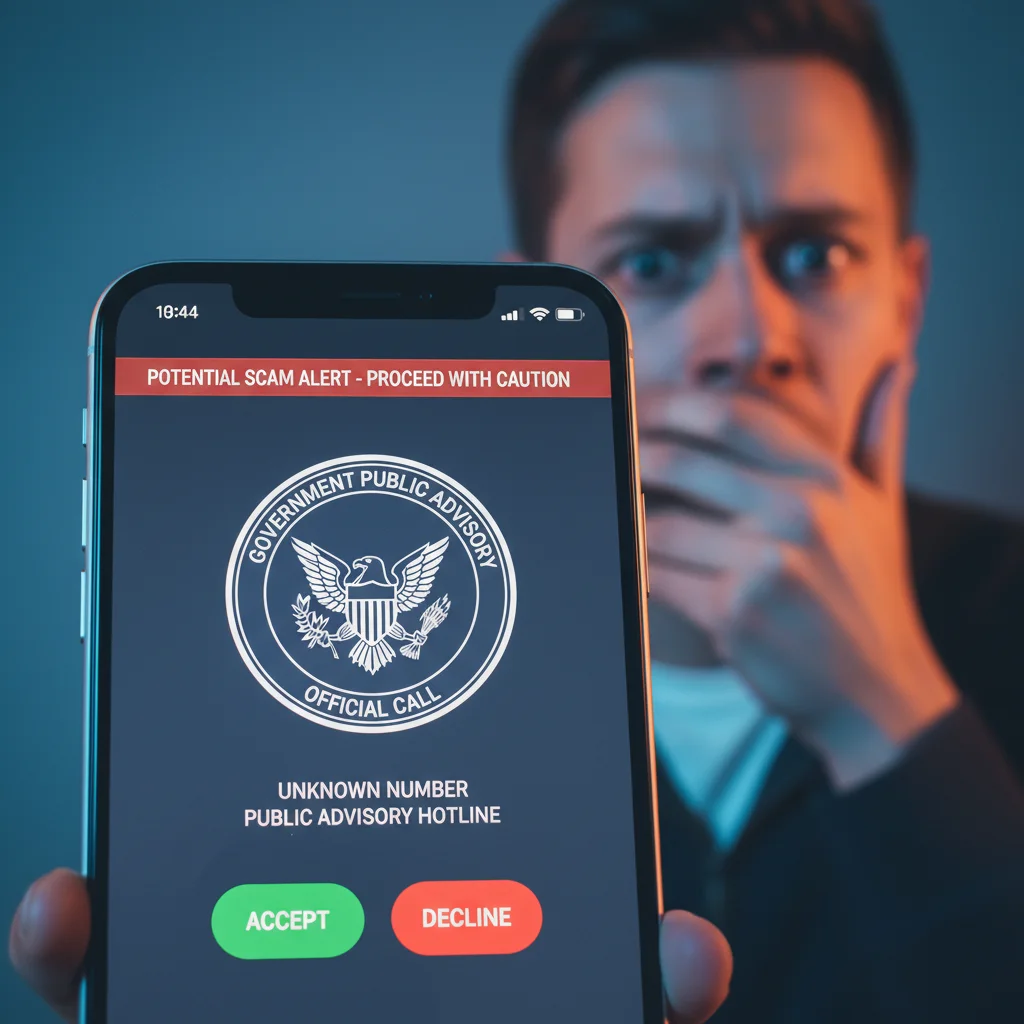
5. Spoofing Caller ID
Technological advancements allow scammers to ‘spoof’ caller ID, making it appear as though the call is coming from a legitimate government agency or a local number. This adds a layer of credibility to their fraudulent claims and makes it harder to immediately identify the call as a scam.
Recognizing Red Flags: How to Spot a Fake Government Call
Staying vigilant and knowing what to look for can significantly reduce your risk of falling victim to Government Imposter Scams. Here are key red flags to watch out for:
1. Unsolicited Contact with Urgent Demands
If you receive an unexpected call, email, or text claiming to be from a government agency and demanding immediate action or payment, be highly suspicious. Government agencies typically initiate contact through official mail, especially for serious matters like taxes or legal issues.
2. Pressure to Act Immediately
Any demand for immediate payment or personal information, coupled with threats of severe consequences for non-compliance, is a major red flag. Legitimate government entities will provide ample time and clear instructions for any required actions.
3. Requests for Unusual Payment Methods
As mentioned, gift cards, wire transfers, cryptocurrency, and prepaid debit cards are never acceptable forms of payment for government fees or taxes. If these methods are requested, it’s a scam.
4. Grammatical Errors and Poor Spelling in Emails/Texts
While voice calls can be convincing, phishing emails and texts often contain obvious grammatical errors, poor spelling, or awkward phrasing. Official government communications are typically meticulously proofread.
5. Generic Salutations and Lack of Specifics
Scam emails or calls might use generic greetings like ‘Dear Citizen’ instead of your name. They may also lack specific details about the alleged issue, relying on vague threats to create fear.
6. Demands for Personal Information You Know They Already Have
If an alleged government official asks for your Social Security number, date of birth, or other sensitive information that the agency should already possess, it’s a strong indicator of a scam. Always question why they need information they should already have on file.
What to Do if You Suspect a Government Imposter Scam
Knowing how to react when confronted with a potential Government Imposter Scam is just as important as recognizing the signs. Your immediate actions can prevent significant financial loss and emotional distress.
1. Do Not Engage
If it’s a phone call, hang up immediately. Do not press any numbers, do not engage in conversation, and do not confirm any personal details. If it’s an email or text, do not click on any links, open attachments, or reply to the message.
2. Verify Independently
If you have any doubt about the legitimacy of a contact, do not use the phone number or website provided by the suspected scammer. Instead, look up the official contact information for the agency (e.g., IRS, SSA) on their official website or through a trusted source. Call them directly to inquire about the communication you received.
3. Protect Your Information
Never provide personal, financial, or other sensitive information to an unsolicited caller or sender. Be wary of anyone asking for gift card numbers, wire transfers, or cryptocurrency payments.
4. Inform Others
Share your experience with family, friends, and community members. Awareness is a powerful tool in preventing others from falling victim to these scams. The more people know about Government Imposter Scams, the safer everyone becomes.
Reporting Government Imposter Scams: Your Role in Combating Fraud
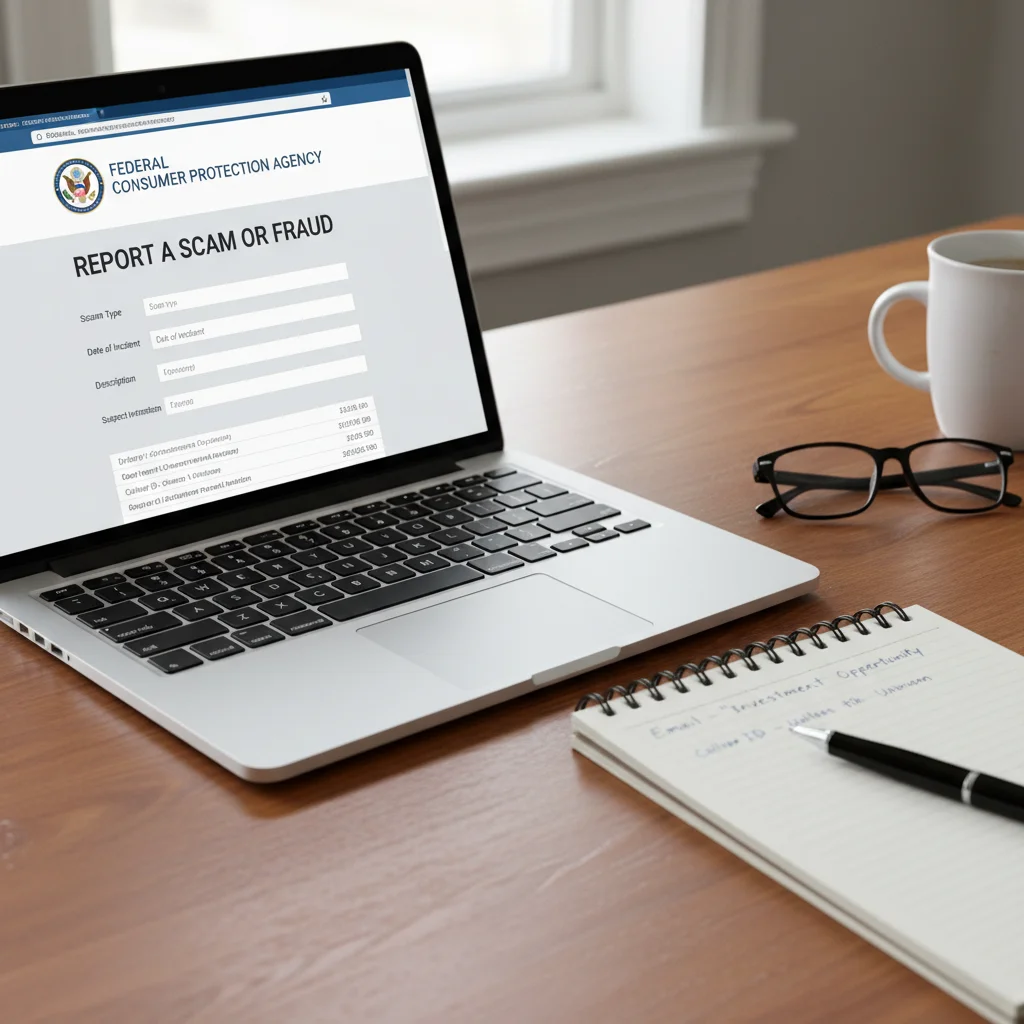
Reporting Government Imposter Scams is not just about protecting yourself; it’s about contributing to a larger effort to dismantle these criminal networks and protect the broader community. Even if you haven’t lost money, reporting helps law enforcement agencies track trends, identify perpetrators, and issue warnings to the public.
Where to Report Fake Government Calls and Related Scams:
There are several key agencies and organizations where you should report these incidents:
1. Federal Trade Commission (FTC)
The FTC is the primary agency for collecting scam reports. Your report helps them investigate and bring cases against scammers. You can report online at reportfraud.ftc.gov or by calling 1-877-FTC-HELP (1-877-382-4357).
2. Federal Bureau of Investigation (FBI) – Internet Crime Complaint Center (IC3)
If the scam involved the internet (e.g., phishing emails, fraudulent websites, or online contact), report it to the FBI’s IC3 at ic3.gov. This is particularly important for cyber-related Government Imposter Scams.
3. Specific Government Agencies Being Impersonated
IRS Impersonation Scams: Forward suspicious emails to phishing@irs.gov. For phone scams, report to the Treasury Inspector General for Tax Administration (TIGTA) at 1-800-366-4484.
Social Security Administration (SSA) Impersonation Scams: Report to the SSA Office of the Inspector General (OIG) at oig.ssa.gov/report-fraud-waste-or-abuse or call 1-800-269-0271.
Medicare/Medicaid Fraud: Contact your local Senior Medicare Patrol (SMP) or call 1-800-HHS-TIPS (1-800-447-8477).
4. Your Bank or Financial Institution
If you have sent money or shared financial information, contact your bank or credit union immediately. They may be able to stop transactions or help you secure your accounts.
5. Credit Bureaus
If you’ve shared personal information like your Social Security number, consider placing a fraud alert or freezing your credit with the three major credit bureaus: Equifax, Experian, and TransUnion. This can help prevent identity theft.
6. State Attorney General’s Office
Your state’s Attorney General’s office may also have a consumer protection division that handles scam reports. Check their official website for reporting procedures.
Preventative Measures and Best Practices for 2026
Beyond recognizing and reporting, adopting a proactive stance is essential in Combating Imposter Scams. Here are some best practices for staying safe in 2026:
1. Use Strong, Unique Passwords and Two-Factor Authentication (2FA)
Protecting your online accounts is paramount. Use complex passwords that are unique for each service and enable 2FA wherever possible. This adds an extra layer of security, making it harder for scammers to access your accounts even if they obtain your credentials.
2. Be Skeptical of Unsolicited Communications
Treat all unexpected calls, emails, and texts with a healthy dose of skepticism. If it sounds too good to be true, or too bad to be true, it probably is. Always verify the sender’s identity through official channels.
3. Educate Yourself Continuously
Stay informed about the latest scam tactics. Follow reputable consumer protection agencies, read news about fraud trends, and attend community workshops if available. Knowledge is your best defense against evolving Government Imposter Scams.
4. Secure Your Devices and Networks
Ensure your computers, smartphones, and tablets have up-to-date antivirus software and operating systems. Use secure, password-protected Wi-Fi networks, especially when handling sensitive information.
5. Monitor Your Financial Accounts and Credit Report
Regularly review your bank statements, credit card bills, and credit reports for any suspicious activity. Early detection of unauthorized transactions can prevent significant financial damage.
6. Talk to Trusted Advisors
If you receive a suspicious call or email and are unsure how to proceed, discuss it with a trusted family member, friend, or financial advisor before taking any action. A second opinion can often provide clarity and prevent impulsive decisions.
7. Consider Call Blocking Applications
Many smartphone carriers and third-party apps offer call-blocking or spam-filtering services. While not foolproof, these can help reduce the number of unsolicited scam calls you receive.
8. Be Cautious with Public Wi-Fi
Avoid accessing sensitive financial or personal information when connected to public Wi-Fi networks, as these can be less secure and vulnerable to eavesdropping by cybercriminals.
The Future of Combating Government Imposter Scams
The fight against Government Imposter Scams is an ongoing battle that requires continuous adaptation. As technology advances, so too will the methods of fraudsters. However, with increased public awareness, robust reporting mechanisms, and proactive preventative measures, we can collectively build stronger defenses.
Governments and law enforcement agencies are continually working to develop new strategies and technologies to track and prosecute these criminals. International cooperation is also increasing, as many scam operations are run from overseas. However, the most critical layer of defense remains the informed and vigilant individual. Your ability to recognize a scam and your willingness to report it are invaluable assets in this fight.
Conclusion
Government Imposter Scams pose a persistent and evolving threat in 2026. By understanding the common tactics, recognizing the red flags, and knowing how to react and report, you can significantly reduce your vulnerability. Remember, legitimate government agencies will never demand immediate payment via unusual methods, threaten immediate arrest without due process, or ask for sensitive personal information unsolicited. Stay informed, stay vigilant, and empower yourself with the knowledge to protect your finances and identity. Your active participation in reporting these scams is vital for a safer, more secure community for everyone.
Let’s work together to make 2026 a year where Government Imposter Scams face insurmountable odds, thanks to a well-informed and proactive populace.
Matheus Neiva has a degree in Communication and a specialization in Digital Marketing. Working as a writer, he dedicates himself to researching and creating informative content, always seeking to convey information clearly and accurately to the public.