Identity Protection 2026: Mitigating Phishing Attacks in the Digital Age
Identity Protection 2026: Mitigating Phishing Attacks in the Digital Age
The digital landscape is constantly evolving, bringing with it both unprecedented opportunities and escalating risks. As we approach 2026, the specter of cyber threats looms larger than ever, with experts predicting a significant 15% rise in phishing attacks. This alarming forecast underscores the critical need for robust identity protection 2026 strategies. Phishing, a deceitful tactic used by cybercriminals to trick individuals into revealing sensitive information, remains one of the most pervasive and effective methods for identity theft and financial fraud. Understanding its nuances and implementing proactive measures is no longer optional; it’s a fundamental requirement for navigating our increasingly interconnected world securely.
The implications of a successful phishing attack can be devastating, ranging from unauthorized access to bank accounts and credit cards to the compromise of personal data, leading to severe financial losses and reputational damage. In an era where our lives are intricately woven into the fabric of the internet – from online banking and shopping to social interactions and professional endeavors – the potential attack surface for cybercriminals is vast. Therefore, this comprehensive guide aims to equip you with the knowledge and tools necessary to fortify your defenses and ensure robust identity protection 2026. We will delve into the anatomy of phishing attacks, explore emerging trends, and outline actionable strategies to safeguard your personal and financial information against this growing menace.
The Escalating Threat: Why Phishing Attacks Are on the Rise
The projected 15% increase in phishing attacks by 2026 is not an arbitrary figure; it’s a reflection of several converging factors that empower cybercriminals. Firstly, the sheer volume of personal data available online makes individuals more vulnerable. Every click, every online transaction, and every social media post contributes to a digital footprint that can be exploited. Secondly, the sophistication of phishing techniques has advanced considerably. Gone are the days of easily identifiable scams riddled with grammatical errors and awkward phrasing. Modern phishing attempts are highly convincing, often mimicking legitimate organizations, complete with authentic-looking logos, sender addresses, and even personalized content, making them incredibly difficult to discern from genuine communications.
Moreover, the rise of Artificial Intelligence (AI) and Machine Learning (ML) tools, while beneficial in many legitimate applications, also presents a double-edged sword. Cybercriminals are increasingly leveraging these technologies to craft more persuasive and targeted phishing campaigns. AI can analyze vast amounts of data to identify potential victims, tailor messages to specific interests, and even generate highly realistic fake websites. This personalization significantly enhances the success rate of phishing attacks, as victims are more likely to trust messages that appear to be directly relevant to them. The proliferation of mobile devices also contributes to the problem. The smaller screens and often hurried nature of mobile interactions can make it harder for users to scrutinize links and sender details, increasing their susceptibility to mobile phishing (smishing) and vishing (voice phishing) attacks.
Furthermore, the ongoing global shift towards remote work and digital transformation has expanded organizational attack surfaces. Employees accessing sensitive company data from various networks and devices can inadvertently become entry points for sophisticated phishing campaigns targeting corporate networks. This highlights the interconnectedness of individual and organizational security, emphasizing that robust identity protection 2026 must be a collective effort. The financial incentives for cybercriminals are also a major driving force. The illicit gains from successful phishing attacks, whether through direct financial theft, ransomware deployment, or the sale of stolen data on the dark web, continue to motivate these malicious activities. As long as there is a lucrative return on investment for cybercriminals, phishing will remain a persistent and evolving threat.
Understanding the Anatomy of a Phishing Attack
To effectively combat phishing, it’s crucial to understand how these attacks are structured. While the methods can vary, the core principles remain consistent. A typical phishing attack involves several key stages:
- Reconnaissance: Cybercriminals often gather information about their targets before launching an attack. This can involve scouring social media profiles, company websites, and public databases to glean details such as names, email addresses, job titles, and even personal interests. This information is then used to craft highly personalized and believable phishing messages.
- Deception: The attacker then sends a deceptive communication, typically an email, text message, or instant message, that appears to originate from a trusted source. This could be a bank, a government agency, a popular online service, or even a colleague or superior. The message usually contains a sense of urgency, a compelling offer, or a dire warning to illicit a quick, unthinking response.
- Malicious Payload: The deceptive communication usually contains a malicious payload, which can take several forms. This often includes a link to a fake website designed to mimic a legitimate one, where the victim is prompted to enter their credentials or other sensitive information. Alternatively, it might involve an attachment containing malware, such as ransomware or spyware, which, when opened, compromises the victim’s device.
- Data Collection/Execution: Once the victim falls for the deception and provides their information or opens the malicious attachment, the attacker collects the stolen data or executes the malware. This stolen information can then be used for identity theft, financial fraud, or to gain further access to other systems.
Recognizing these stages and the common tactics employed by phishers is the first step towards effective identity protection 2026. Being aware of the psychological manipulation at play – the urgency, fear, or greed that attackers try to evoke – can help individuals pause and critically evaluate suspicious communications before acting impulsively. The continuous evolution of these tactics means that staying informed and vigilant is paramount. Education and awareness are crucial components in building a resilient defense against phishing, as technology alone cannot fully address the human element that attackers often exploit.
Key Strategies for Robust Identity Protection 2026
In the face of escalating threats, a multi-layered approach to identity protection 2026 is essential. Here are some key strategies to implement:
1. Enhance Your Digital Literacy and Awareness
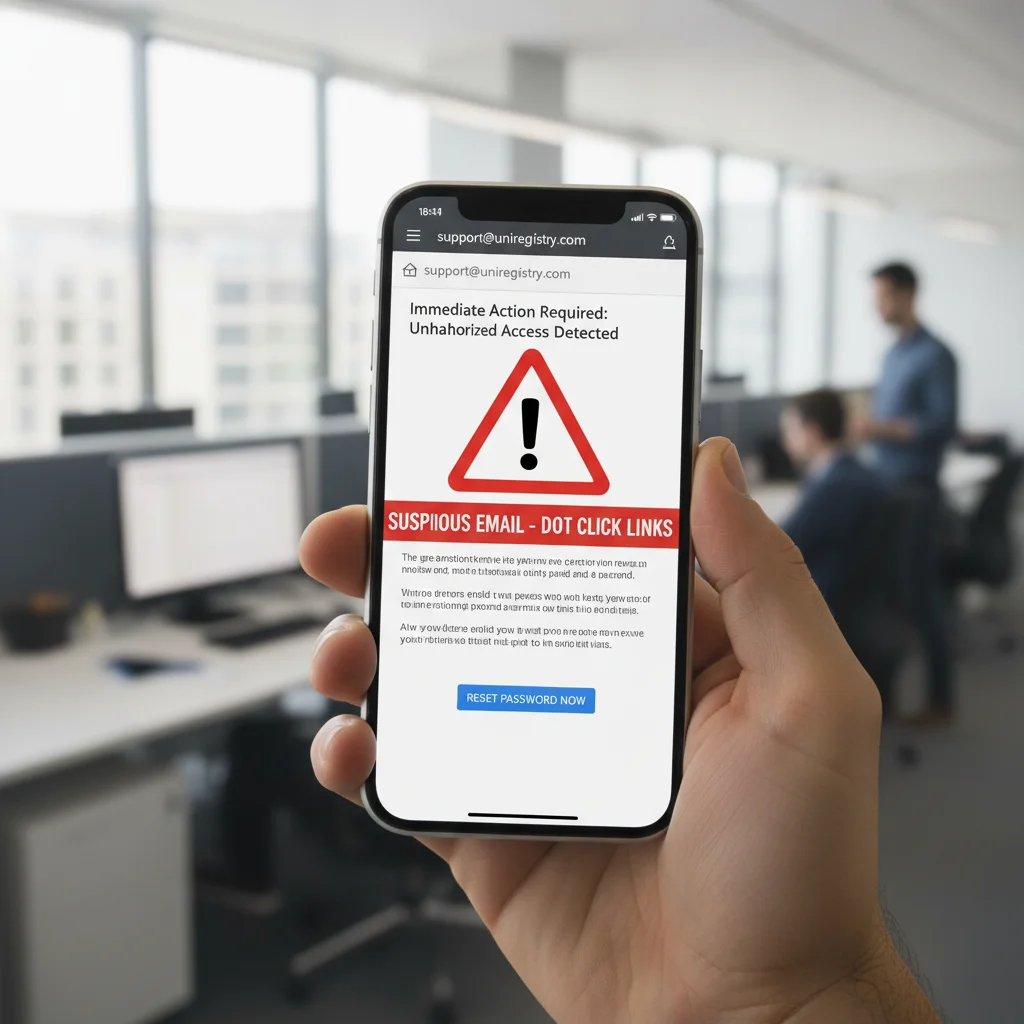
The human element remains the weakest link in cybersecurity. Continuous education and awareness training are crucial. Learn to identify the tell-tale signs of phishing attempts:
- Suspicious Sender: Always check the sender’s email address. Even if the display name looks legitimate, the actual email address might reveal a spoofed domain or an unfamiliar sender.
- Generic Greetings: Phishing emails often use generic greetings like ‘Dear Customer’ instead of your name.
- Urgency and Threats: Be wary of messages that create a sense of urgency, threaten account closure, or promise unrealistic rewards.
- Poor Grammar and Spelling: While modern phishing attacks are more sophisticated, some still contain grammatical errors or awkward phrasing.
- Suspicious Links: Hover over links (without clicking!) to see the actual URL. If it doesn’t match the legitimate website, it’s likely a phishing attempt. Be extra cautious on mobile where hovering is not possible; instead, manually type the URL into your browser.
- Unexpected Attachments: Never open attachments from unknown or suspicious senders, especially if they end in unusual file extensions.
Regularly review cybersecurity best practices and share this knowledge with family and colleagues. Organizations should implement mandatory and recurrent cybersecurity training for all employees to build a strong security culture.
2. Implement Strong Authentication Measures
Passwords alone are no longer sufficient for robust identity protection 2026. Embrace stronger authentication methods:
- Multi-Factor Authentication (MFA): Enable MFA on all your online accounts, especially for banking, email, social media, and any service containing sensitive information. MFA adds an extra layer of security by requiring a second form of verification, such as a code from an authenticator app, a fingerprint, or a hardware token, in addition to your password. Even if a phisher steals your password, they won’t be able to access your account without this second factor.
- Strong, Unique Passwords: Use a complex and unique password for each online account. Avoid using easily guessable information like birthdays or pet names. A password manager can help you generate and securely store these complex passwords.
- Biometric Authentication: Where available, utilize biometric authentication methods like fingerprint or facial recognition, as they offer a convenient and secure way to access devices and accounts.
3. Keep Software and Systems Updated
Software vulnerabilities are a common entry point for cybercriminals. Regularly update your operating systems, web browsers, antivirus software, and all applications. These updates often include critical security patches that fix known vulnerabilities, making it harder for attackers to exploit them. Enable automatic updates whenever possible to ensure you’re always running the latest, most secure versions of your software. This proactive approach is a cornerstone of effective identity protection 2026.
4. Be Vigilant with Personal Information Sharing
Think twice before sharing personal information online, even on seemingly harmless platforms. Phishers often collect snippets of information from various sources to build a detailed profile of their targets. Limit the amount of personal data you share on social media, review privacy settings on all platforms, and be cautious about filling out online surveys or quizzes that ask for sensitive details. Remember that legitimate organizations rarely ask for personal information like passwords, credit card numbers, or social security numbers via email or unsolicited phone calls.
5. Use Reputable Security Software
Invest in and consistently use reputable antivirus and anti-malware software. These tools can detect and remove malicious software that might be installed through phishing attacks. Ensure your firewall is active, as it acts as a barrier between your computer and external threats. Consider using a Virtual Private Network (VPN) when connecting to public Wi-Fi networks, as it encrypts your internet traffic, protecting your data from eavesdropping and potential interception by malicious actors.
6. Regularly Monitor Your Accounts
Proactive monitoring is a crucial aspect of identity protection 2026. Regularly check your bank statements, credit card statements, and credit reports for any suspicious or unauthorized activity. Many financial institutions offer alerts for unusual transactions; enable these notifications. Consider subscribing to an identity theft protection service that can monitor your personal information on the dark web and alert you to potential compromises. Early detection can significantly mitigate the damage caused by a successful phishing attack or identity theft.
7. Secure Your Network
Your home and office networks are potential gateways for attackers. Ensure your Wi-Fi network is secured with a strong, unique password and WPA3 encryption (if available). Change the default administrator credentials on your router. Avoid connecting to unknown or unsecured public Wi-Fi networks, as they can be easily compromised by cybercriminals looking to intercept data. If you must use public Wi-Fi, always use a VPN.
8. Backup Your Data
While not a direct phishing prevention strategy, regular data backups are a critical recovery measure. In the event of a successful phishing attack that leads to malware infection (like ransomware), having recent backups of your important files ensures that you can restore your data without succumbing to attacker demands. Store backups securely, preferably offline or in a separate, encrypted cloud storage service.
Emerging Threats and Future-Proofing Identity Protection 2026
The landscape of cyber threats is dynamic, and future-proofing your identity protection 2026 strategies requires an understanding of emerging trends. Beyond traditional email phishing, we are seeing an increase in:
- AI-Powered Phishing: As mentioned, AI is being used to create more convincing deepfake audio and video for vishing and whaling attacks, making it harder to distinguish genuine communications from malicious ones.
- QR Code Phishing (Quishing): Attackers embed malicious links in QR codes, which, when scanned, direct users to phishing sites or download malware.
- Supply Chain Phishing: Targeting trusted third-party vendors or partners to gain access to a primary organization’s network or data.
- Social Engineering Beyond Email: Phishing is extending to dating apps, gaming platforms, and even professional networking sites, where attackers build trust before launching their malicious schemes.
To counter these evolving threats, consider:
- Zero Trust Architecture: For organizations, adopting a Zero Trust model, which assumes no user or device can be implicitly trusted, regardless of their location, is becoming increasingly vital.
- Behavioral Analytics: AI and ML can also be leveraged for defense, by analyzing user behavior patterns to detect anomalies that might indicate a phishing attempt or account compromise.
- Hardware Security Keys: For the highest level of MFA, consider using FIDO2-compliant hardware security keys, which are highly resistant to phishing.
- Decentralized Identity Solutions: While still in early stages, decentralized identity technologies, potentially leveraging blockchain, aim to give individuals more control over their digital identities, reducing reliance on centralized systems that are often targets for attackers.
The Role of Organizations in Identity Protection 2026
While individual vigilance is paramount, organizations also bear a significant responsibility in fostering a secure digital environment. Companies must invest in robust cybersecurity infrastructure, including advanced email filtering systems, endpoint detection and response (EDR) solutions, and Security Information and Event Management (SIEM) systems. Regular penetration testing and vulnerability assessments can identify weaknesses before attackers exploit them. Furthermore, establishing clear incident response plans is crucial to minimize damage and recover quickly in the event of a successful attack.
Organizations also play a vital role in educating their employees. Comprehensive and ongoing cybersecurity training, coupled with simulated phishing exercises, can significantly improve an organization’s resilience against social engineering tactics. Fostering a culture of security, where employees feel empowered to report suspicious activities without fear of reprimand, is essential. Ultimately, effective identity protection 2026 is a shared responsibility, requiring collaboration between individuals, organizations, and even governments to build a more secure digital future.
Conclusion: A Proactive Stance for a Secure Digital Future
The projected 15% increase in phishing attacks by 2026 serves as a stark reminder that cyber threats are not static; they are constantly adapting and growing in sophistication. Therefore, our approach to identity protection 2026 must be equally dynamic and proactive. By enhancing our digital literacy, implementing strong authentication, maintaining updated software, and practicing vigilant online habits, we can significantly reduce our susceptibility to these malicious schemes.
Remember, cybersecurity is not a one-time effort but an ongoing process of learning, adapting, and fortifying your defenses. The digital world offers immense benefits, but these can only be fully realized when we prioritize our security. By taking a proactive and informed stance, we can navigate the complexities of the digital age with confidence, safeguarding our personal information and ensuring a more secure digital future for ourselves and our communities. Stay informed, stay vigilant, and make robust identity protection a cornerstone of your digital life.