Unlock Savings: Your 2026 Guide to Cutting Unused Subscriptions
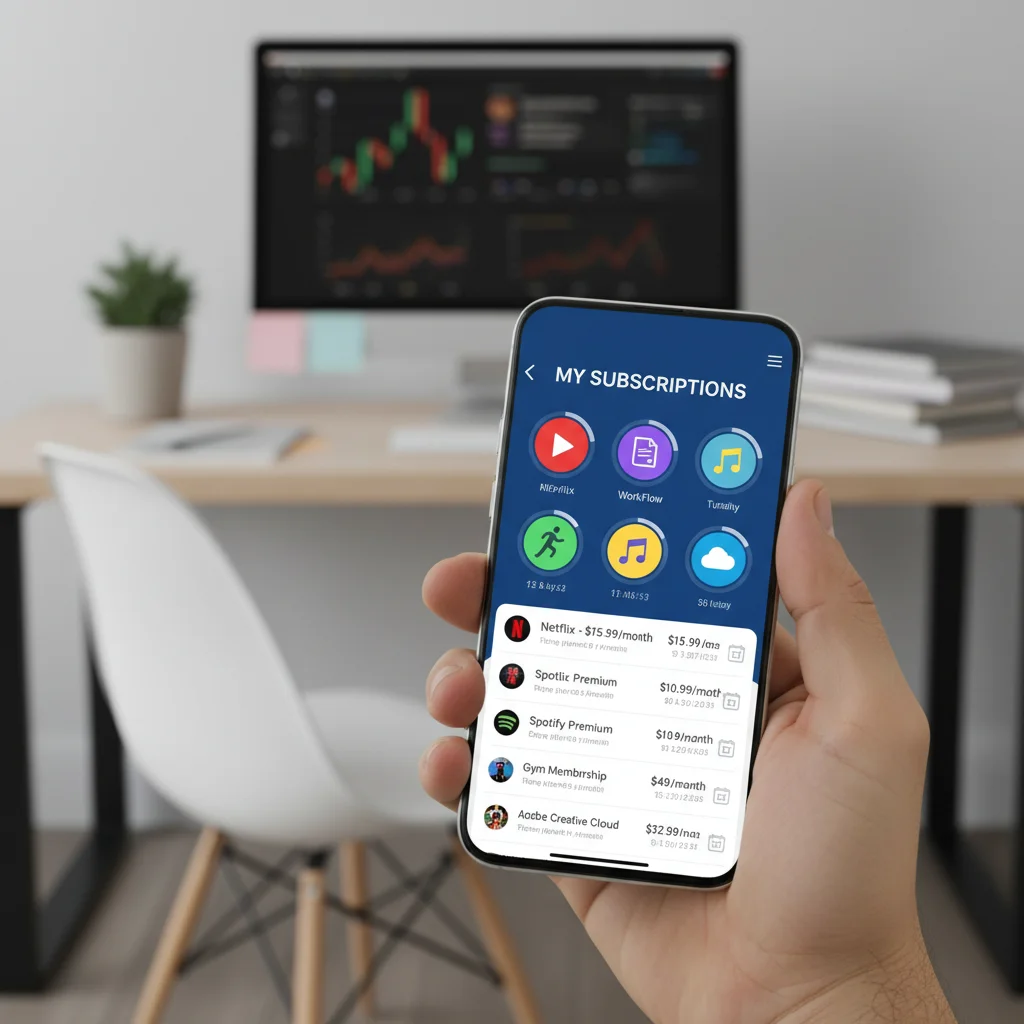
The True Cost of Subscriptions: A 2026 US Budgeting Audit to Cut Unused Services and Save $50 Monthly
In the digital age, subscriptions have become an inescapable part of our lives. From streaming services that keep us entertained to productivity tools that boost our work efficiency, and fitness apps that help us stay healthy, the convenience of recurring payments is undeniable. However, this convenience often comes at a hidden cost: an ever-growing list of services we’ve signed up for but rarely — or never — use. As we navigate 2026, it’s time for a crucial financial audit to identify and cut unused subscriptions, ultimately saving you a significant amount of money each month.
Think about it: how many ‘free trials’ have you started and forgotten to cancel? How many niche streaming platforms did you subscribe to for one show and then never revisited? These small, seemingly insignificant monthly charges can quickly accumulate, quietly draining your bank account without you even realizing it. The goal of this comprehensive guide is to empower you with the knowledge and tools to conduct a thorough 2026 budgeting audit, helping you reclaim at least $50 — and likely much more — by learning how to effectively cut unused subscriptions.
This isn’t just about saving money; it’s about gaining financial clarity and control. It’s about making intentional choices about where your hard-earned money goes and ensuring every dollar serves a purpose. Let’s embark on this journey to financial freedom together.
The Silent Drain: Why Unused Subscriptions Are a Bigger Problem Than You Think
The ‘subscription economy’ has boomed over the past decade, driven by the allure of convenience, access, and personalized experiences. While many subscriptions offer genuine value, the ease of signing up and the often-minimal monthly fees can create a ‘set it and forget it’ mentality. This is where the problem begins.
The Psychology Behind Subscription Overload
- The ‘Fear of Missing Out’ (FOMO): Friends are talking about a new show on a specific platform, or colleagues are raving about a new productivity tool. The pressure to keep up can lead to impulsive subscriptions.
- The ‘Low Monthly Cost’ Illusion: A $9.99 or $14.99 monthly fee might seem negligible on its own. However, when you have five, ten, or even fifteen such subscriptions, the cumulative cost becomes substantial.
- Free Trial Amnesia: Many services offer enticing free trials. If you don’t set a reminder to cancel before the trial ends, you’re automatically converted into a paying subscriber, often without immediate notification.
- Auto-Renewal Defaults: Most subscriptions are set to auto-renew by default. Unless you actively opt out, the service will continue charging you indefinitely.
- Disappearing Act: Companies often make it deliberately difficult to cancel subscriptions, hiding the ‘cancel’ button deep within settings or requiring phone calls during specific hours.
The Escalating Financial Impact
A 2023 study by C+R Research found that consumers estimate they spend around $86 per month on subscriptions, but the actual amount is closer to $219 — a staggering 155% discrepancy. While these figures fluctuate, the core issue remains: most people underestimate their total subscription spending. For 2026, with inflation and rising living costs, every dollar counts even more. Learning to cut unused subscriptions isn’t just a suggestion; it’s a financial imperative for many households.
Imagine if you could free up an extra $50, $100, or even $200 every month. What could you do with that money? Pay down debt? Boost your savings? Invest in a new skill? Fund a small vacation? The possibilities are endless once you take control of these ‘silent drains’ on your budget.
Step-by-Step 2026 Budgeting Audit: How to Identify and Cut Unused Subscriptions
Now that we understand the problem, let’s dive into the practical steps of conducting your own budgeting audit to effectively cut unused subscriptions. This process requires a bit of detective work and discipline, but the financial rewards are well worth the effort.
Step 1: Gather Your Financial Statements (The Detective Work)
This is the most crucial first step. You can’t cancel what you don’t know you’re paying for. Dedicate some time to go through:
- Bank Statements: Review your checking and savings account statements for the past 6-12 months. Look for recurring charges from unfamiliar merchants or services you don’t recognize.
- Credit Card Statements: Do the same for all your credit cards. Many subscriptions are linked to credit cards for convenience.
- PayPal and Other Payment Platforms: If you use services like PayPal, Venmo, or Apple Pay for online purchases, check their activity logs for recurring payments.
- Email Inbox: Search your email for terms like “subscription confirmation,” “renewal notice,” “your monthly bill,” or “free trial.” This can uncover forgotten services.
As you go through each statement, create a master list. A simple spreadsheet or even a notebook will suffice. List the service name, the monthly/annual cost, and the date of the last charge. This comprehensive list will be your roadmap.
Step 2: Categorize and Evaluate Each Subscription
Once you have your master list, it’s time to categorize and critically evaluate each item. This is where you decide what to keep, what to cut, and what to reconsider.
- Essential Services: These are non-negotiable. Think internet, phone, essential software for work, etc.
- Highly Valued & Frequently Used: Services you use regularly and genuinely derive value from (e.g., your primary streaming service, a gym membership you actively use).
- Rarely Used but Potentially Useful: Subscriptions you might use occasionally, or that have a specific ‘just in case’ value (e.g., a cloud storage service you barely fill, but need for backups).
- Unused & Forgotten: The prime targets for cancellation. These are the services you haven’t touched in months, or even years, and genuinely don’t remember signing up for.
For each subscription, ask yourself:
- Do I use this service at least once a week (or month, depending on its nature)?
- Does it bring significant value or joy to my life?
- Could I get the same benefit for free or cheaper elsewhere?
- Is there an alternative I already pay for that offers similar features?
- When was the last time I actually used this?
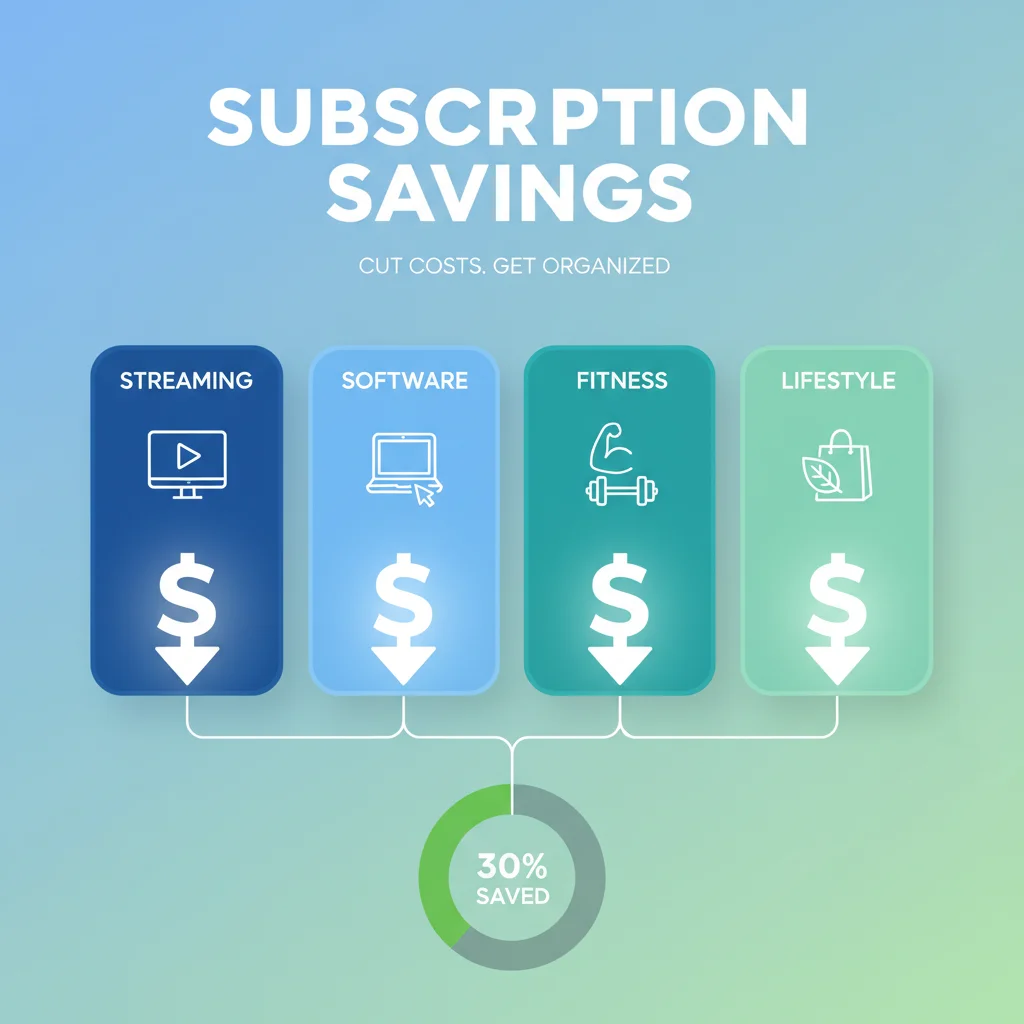
Step 3: The ‘Cut’ Decision — Taking Action
This is where you start to cut unused subscriptions. Be ruthless but also realistic. Your goal is to optimize, not necessarily to eliminate everything.
For ‘Unused & Forgotten’ Subscriptions:
- Cancel Immediately: Don’t procrastinate. Find the cancellation link or contact customer service. If it’s difficult, persist. Many companies offer ‘retention deals’ when you try to cancel; decline them if you truly don’t use the service.
For ‘Rarely Used but Potentially Useful’ Subscriptions:
- Pause/Downgrade: Some services offer options to pause your subscription for a few months or downgrade to a cheaper, less feature-rich plan. This can be a good compromise.
- Seasonal Use: If you only use a fitness app in the summer or a particular streaming service for holiday movies, consider canceling and re-subscribing only when needed.
- Alternative Free Options: Can you find a free alternative? For example, many libraries offer free access to digital content, including magazines and audiobooks.
For ‘Highly Valued & Frequently Used’ Subscriptions:
- Negotiate: For services like internet or cable, call your provider and ask for a better deal. Mention competitor offers.
- Annual Payments: If you’re committed to a service, check if paying annually offers a discount over monthly payments. This can often save you 10-20%.
- Bundle Deals: See if bundling services (e.g., phone, internet, TV) could be more cost-effective, but only if you genuinely need all components of the bundle.
- Share Accounts (Legally): For family plans on streaming services or software, ensure you’re maximizing the number of users to share the cost, adhering to the service’s terms of use.
Step 4: Implement a System to Prevent Future Overload
Cutting subscriptions is only half the battle. The other half is preventing ‘subscription creep’ from happening again. Here’s how to stay on top of your recurring expenses in 2026 and beyond:
- Dedicated Subscription Card: Consider using a specific credit card solely for subscriptions. This makes it easier to track all recurring charges in one place.
- Use Subscription Management Apps: Apps like Truebill (now Rocket Money), Mint, YNAB, or Trim can automatically detect and track your subscriptions, often helping you cancel them directly through the app. These tools are invaluable for ongoing monitoring.
- Set Calendar Reminders for Free Trials: Whenever you sign up for a free trial, immediately set a calendar reminder a few days before it ends to decide whether to keep or cancel.
- Regular Reviews: Make it a habit to review your subscription list quarterly or at least twice a year. A ‘mid-year check-in’ in 2026 is a great idea.
- ‘One In, One Out’ Rule: For every new subscription you consider, commit to canceling an existing one. This forces you to prioritize and prevents accumulation.
- Avoid ‘Set and Forget’: Be wary of signing up for services with the intention of canceling later. Assume you won’t, and only subscribe if you are genuinely committed.
Common Categories to Scrutinize When You Cut Unused Subscriptions
To help you focus your audit, let’s look at some of the most common categories where people tend to overspend on subscriptions.
Streaming Services (Video & Audio)
This is often the biggest culprit. Most households have multiple video streaming services (Netflix, Hulu, Disney+, Max, Apple TV+, Paramount+, Peacock, etc.) and audio streaming (Spotify, Apple Music, YouTube Music). Do you really need them all?
- The ‘Churn’ Strategy: Instead of paying for all of them simultaneously, consider rotating. Subscribe to one for a few months to catch up on shows, then cancel and switch to another.
- Free Alternatives: Explore free, ad-supported streaming options like Pluto TV, Tubi, or Freevee. For music, free tiers of Spotify or Pandora might suffice.
- Library Access: Many public libraries offer free access to services like Hoopla or Kanopy for movies, TV shows, and music.
Software and Apps
From productivity suites to creative tools, many apps now operate on a subscription model.
- Annual vs. Monthly: As mentioned, annual payments are often cheaper.
- Free/Open-Source Alternatives: Can you replace a paid subscription with a free open-source alternative (e.g., GIMP instead of Photoshop, LibreOffice instead of Microsoft 365)?
- ‘Light’ Versions: Does the free or basic version of an app meet your needs, even if it has fewer features?
- Team Licenses: If it’s work-related, is your employer already providing a license?
Fitness and Wellness
Gym memberships, fitness apps, meditation apps, diet plans — these can add up quickly.
- Actual Usage: Be honest with yourself. If you haven’t been to the gym in three months, it’s time to cancel.
- Free Workouts: YouTube is brimming with free workout videos. Many basic fitness trackers offer free app features.
- Outdoor Activities: Running, hiking, cycling — often free and great for physical and mental health.
News and Publications
Digital subscriptions to newspapers, magazines, and exclusive content sites.
- Consolidate: Do you need subscriptions to multiple news outlets? Pick one or two primary sources.
- Library Access: Many libraries offer free digital access to popular newspapers and magazines.
- Free News Aggregators: Google News, Apple News (free tier), and other aggregators can provide a broad overview.
Gaming Subscriptions
Xbox Game Pass, PlayStation Plus, Nintendo Switch Online, cloud gaming services.
- Playtime vs. Cost: Are you actively playing enough games to justify the monthly cost?
- Game Library: Do you prefer buying games outright or having access to a rotating library?
- Family Sharing: Ensure you’re maximizing any family sharing options.
Delivery Services & Memberships
Amazon Prime, Instacart+, DoorDash DashPass, Walmart+.
- Actual Savings: Calculate if the membership fees genuinely save you more than you’d spend on individual delivery fees or shipping costs.
- Usage Frequency: If you only order groceries once a month, an annual Instacart+ membership might not be worth it.
- Student/Senior Discounts: Check for special discounts that could lower the cost.
The ‘Found Money’ — What to Do With Your Savings
Once you successfully cut unused subscriptions and free up that $50 (or more!) each month, it’s crucial to have a plan for that ‘found money.’ Resist the urge to simply let it disappear into your general spending. Intentionality is key.

Boost Your Emergency Fund
If you don’t have 3-6 months’ worth of living expenses saved, this is an excellent place to direct your new savings. An emergency fund provides a critical safety net against unexpected job loss, medical emergencies, or car repairs.
Pay Down High-Interest Debt
Credit card debt, personal loans, or other high-interest debts can be a massive drain on your finances. Directing your subscription savings towards these debts can significantly reduce the interest you pay over time and accelerate your path to becoming debt-free. The ‘debt snowball’ or ‘debt avalanche’ methods can be highly effective here.
Increase Retirement Contributions
Even an extra $50 a month invested consistently can make a substantial difference over decades, thanks to the power of compound interest. Consider increasing your contributions to your 401(k), IRA, or other retirement accounts.
Invest in Personal Development
Use the money to invest in yourself. This could mean taking an online course, buying books related to your career or hobbies, or attending a workshop that enhances your skills. This is an investment that pays dividends in your future earning potential and personal growth.
Save for a Specific Goal
Do you have a down payment for a house, a dream vacation, or a new car in mind? Create a dedicated savings goal and channel your freed-up funds directly towards it. Seeing your progress can be incredibly motivating.
Treat Yourself (Responsibly)
While the primary goal is financial improvement, it’s okay to allocate a small portion of your savings — say, 10-20% — towards something enjoyable that you wouldn’t normally splurge on. This can help prevent burnout and keep you motivated on your financial journey. Just ensure it’s a conscious decision, not an impulsive one.
The Long-Term Benefits of a Subscription Audit
The immediate benefit of a subscription audit is the tangible savings you’ll see in your bank account each month. However, the advantages extend far beyond just monetary gain. By learning to cut unused subscriptions, you cultivate a healthier financial mindset and build sustainable habits.
Improved Financial Awareness
Regularly reviewing your expenses makes you more aware of where your money is going. This increased awareness can lead to better spending habits across all areas of your budget, not just subscriptions.
Reduced Financial Stress
When you have a clear picture of your recurring expenses and have eliminated unnecessary ones, you’ll feel more in control of your finances. This sense of control can significantly reduce financial anxiety and stress.
Empowerment and Intentional Spending
Taking action to cut unused subscriptions is an empowering act. It shifts you from being a passive consumer to an active financial manager. Every dollar you spend becomes an intentional choice, aligning your spending with your values and financial goals.
More Money for What Truly Matters
Ultimately, the goal is to redirect funds from services you don’t use to areas that genuinely enhance your life or contribute to your long-term security. Whether it’s saving for retirement, paying off debt, or funding a personal passion, your money will work harder for you.
Conclusion: Your Path to a Leaner, Smarter 2026 Budget
The ‘subscription creep’ is a real and often overlooked drain on personal finances. In 2026, with the cost of living continuing to be a concern for many US households, conducting a thorough budgeting audit to cut unused subscriptions is not just a smart financial move — it’s an essential one. By following the steps outlined in this guide, you can confidently identify, evaluate, and eliminate those silent money drains, freeing up at least $50 — and very likely much more — every single month.
This process is more than just canceling services; it’s about cultivating a proactive approach to your financial health. It’s about making informed decisions, prioritizing your spending, and ensuring that every dollar you earn is working towards your financial well-being. So, take the first step today. Gather your statements, make your list, and start reclaiming your financial power. Your future self — and your bank account — will thank you for it.