
Authorized User vs. Co-Signer: Which Option Benefits Your 2026 Credit Score More?
In the intricate world of personal finance, understanding how various actions impact your credit score is paramount. Especially as we look towards 2026, where financial landscapes continue to evolve, making informed decisions about how you interact with credit can significantly shape your economic future. Two common strategies for individuals, particularly those with limited credit history or those looking to improve their standing, involve becoming an authorized user on someone else’s account or acting as a co-signer for a loan. While both roles involve sharing credit responsibilities, their implications for your credit score impact are vastly different.
This comprehensive guide delves deep into the nuances of being an authorized user versus a co-signer. We will explore how each role functions, the potential benefits and risks, and ultimately, which option might be more advantageous for boosting your credit score impact in 2026. Whether you’re a young adult starting your credit journey, someone rebuilding credit, or simply curious about these financial mechanisms, this article will provide the clarity you need to make the best choice for your financial well-being.
Understanding the Basics: What is an Authorized User?
An authorized user is an individual who is granted permission to use someone else’s credit card account. This means they receive a card with their name on it, linked to the primary account holder’s credit line. However, and this is a critical distinction, the authorized user is not legally responsible for making payments on the account. The primary cardholder retains full legal and financial responsibility for all charges incurred, whether by themselves or the authorized user.
How Authorized User Status Affects Your Credit Score
The primary benefit of being an authorized user, particularly for someone looking to establish or improve their credit, lies in the way this activity is reported to credit bureaus. Typically, the authorized user’s credit report will reflect the primary account holder’s payment history, credit limit, and utilization rate. If the primary account holder has a long history of on-time payments, low credit utilization, and a well-established account, these positive attributes can be transferred to the authorized user’s report, thereby positively influencing their credit score impact.
- Positive Payment History: Consistent, on-time payments by the primary user can significantly boost the authorized user’s payment history, a crucial factor in credit scoring.
- Increased Credit Age: If the primary account is old, its age can be reflected on the authorized user’s report, lengthening their average credit age.
- Lower Credit Utilization: A high credit limit on the primary account, especially if not heavily utilized, can help keep the authorized user’s overall credit utilization ratio low, which is favorable for their credit score impact.
Risks and Considerations for Authorized Users
While generally beneficial, being an authorized user isn’t without its caveats:
- Reliance on Primary User’s Habits: The authorized user’s credit score is directly tied to the primary account holder’s financial behavior. If the primary user makes late payments or maxes out the card, these negative actions will also appear on the authorized user’s credit report, potentially harming their credit score impact.
- No Legal Responsibility (But Ethical Implications): While not legally obligated, an authorized user might feel a moral responsibility to contribute to payments, especially if they are making charges on the card.
- Limited Individual Control: An authorized user cannot make changes to the account, such as increasing the credit limit or closing the account. Their credit building is passive.
It’s crucial for anyone considering becoming an authorized user to have a high level of trust in the primary account holder’s financial discipline. A parent adding a child, or a spouse adding their partner, are common scenarios where this trust is often present.
Decoding the Co-Signer Role: What Does it Entail?
A co-signer, unlike an authorized user, takes on full legal responsibility for a debt alongside the primary borrower. This typically occurs with loans, such as car loans, mortgages, or student loans, when the primary borrower has insufficient credit history or a low credit score to qualify on their own. The co-signer essentially acts as a guarantor, promising to repay the debt if the primary borrower defaults.
How Co-Signing Affects Your Credit Score
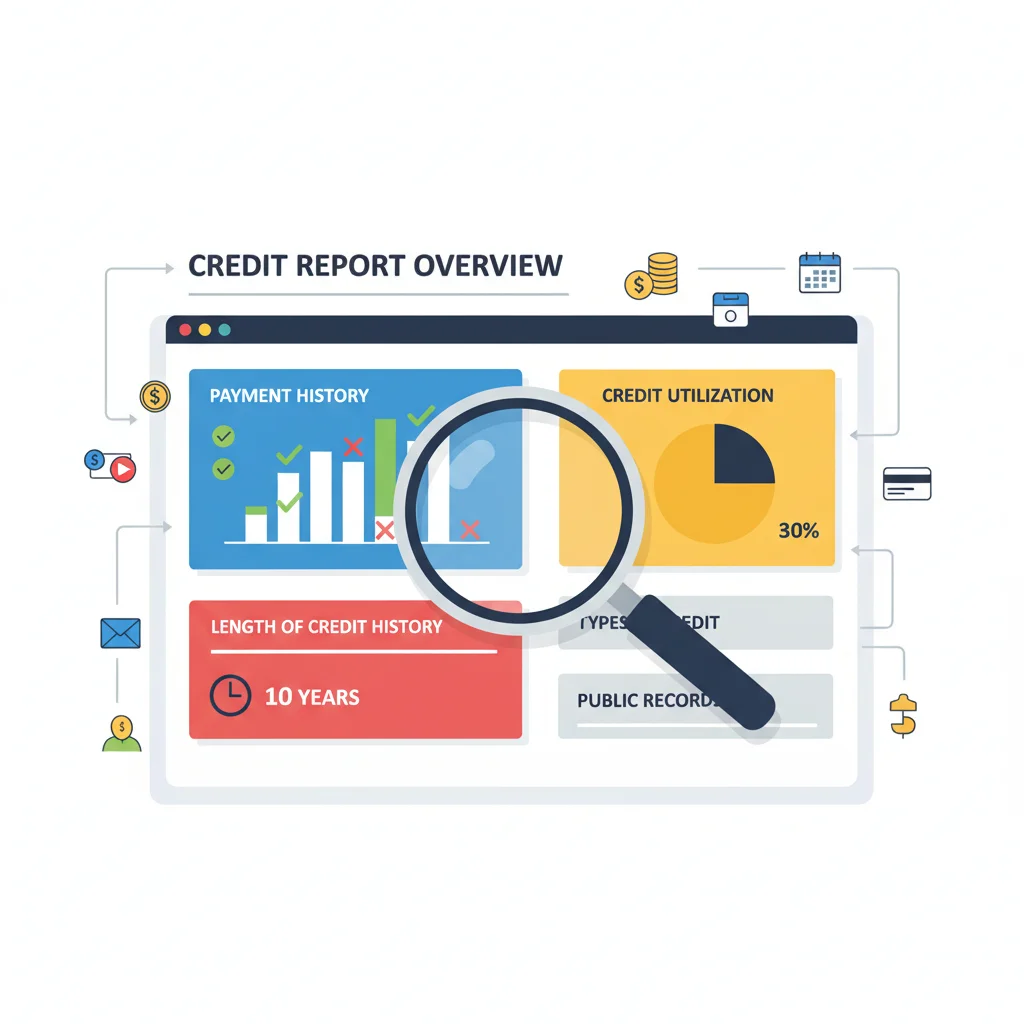
The impact of co-signing on your credit score impact is far more direct and significant than being an authorized user. When you co-sign a loan, that loan appears on your credit report as if it were your own debt. This means:
- Direct Responsibility: Every payment, on-time or late, is reported on both the primary borrower’s and the co-signer’s credit reports.
- Increased Debt-to-Income Ratio: The co-signed debt adds to your overall debt burden, which can affect your ability to qualify for future loans or credit, even if the primary borrower is making all the payments. Lenders will see this as a potential liability.
- Credit Utilization: While not directly a credit card, the loan amount contributes to your overall credit profile and can influence how lenders view your capacity for additional debt.
Significant Risks and Considerations for Co-Signers
The risks associated with co-signing are considerably higher than those for authorized users:
- Full Legal Obligation: If the primary borrower misses payments or defaults, the lender will pursue the co-signer for the full amount due, including any late fees or penalties. This can lead to serious financial strain and a severely damaged credit score impact for the co-signer.
- Damage to Your Credit: Even a single late payment by the primary borrower can negatively affect the co-signer’s credit score. A default can be catastrophic.
- Strained Relationships: Financial difficulties arising from a co-signed loan can put immense strain on personal relationships with family or friends.
- Difficulty Obtaining New Credit: Because the co-signed loan appears on your credit report, it can make it harder for you to get approved for your own loans or credit cards, as lenders will factor in that existing debt.
- No Easy Exit: Removing your name from a co-signed loan is often difficult and usually requires the primary borrower to refinance the loan in their name alone, or pay it off entirely.
Co-signing should only be undertaken after careful consideration and with absolute certainty in the primary borrower’s ability and willingness to repay the debt. It’s a significant financial commitment with substantial personal risk.
Authorized User vs. Co-Signer: A Direct Comparison for 2026 Credit Score Impact
To summarize the key differences and their implications for your credit score impact in 2026, let’s break down the roles side-by-side:
Responsibility and Liability
- Authorized User: No legal responsibility for debt. The primary account holder is solely liable.
- Co-Signer: Full legal responsibility for the debt. You are equally liable with the primary borrower.
Credit Report Impact
- Authorized User: Generally positive if the primary account is well-managed. Reflects payment history, credit limit, and utilization. Can boost credit age.
- Co-Signer: Direct reflection of the entire loan on your report. Every payment, good or bad, impacts your score. Increases your reported debt, affecting debt-to-income.
Risk Level
- Authorized User: Low risk to your finances, but your credit score is vulnerable to the primary user’s mismanagement.
- Co-Signer: High financial risk. You are on the hook for the full debt if the primary borrower defaults. Significant potential for severe credit score damage.
Control Over the Account/Loan
- Authorized User: No control over account terms, credit limit changes, or account closure.
- Co-Signer: No direct control over how the primary borrower manages the loan or makes payments, despite being equally liable.
Best Use Case for Credit Score Impact
- Authorized User: Ideal for individuals new to credit or those with thin files looking for a relatively safe way to build positive credit history. Excellent for a young person benefiting from a financially responsible parent.
- Co-Signer: Primarily for helping someone with poor or no credit qualify for a necessary loan. It is a gesture of significant financial support, not typically a strategy for personal credit building due to the high risk.
Strategic Choices for Enhancing Your 2026 Credit Score
Given the distinctions, which option is better for your credit score impact in 2026? The answer largely depends on your specific situation and goals:
If You’re Building Credit from Scratch or Rebuilding: Authorized User Status is Often Superior
For most individuals aiming to establish or improve their credit profile, becoming an authorized user is generally the safer and more effective strategy. It offers a low-risk pathway to:
- Establish a Payment History: The primary user’s good payment history can quickly populate your credit report.
- Lower Credit Utilization: Access to a large credit limit, even if you don’t use it much, can help keep your utilization ratio low.
- Increase Credit Age: If the primary account is seasoned, it can instantly add years to your average credit age.
The key here is selectivity. Choose a primary account holder with an impeccable credit history and low credit utilization. Regularly monitor your credit report to ensure accurate reporting and to catch any negative activity by the primary user that could affect you.
When Co-Signing Might Be Considered (with Extreme Caution)
Co-signing is rarely a recommended strategy for improving your own credit score impact. It’s a significant favor you do for another person, carrying substantial risk. If you are considering co-signing, it’s usually because:
- You want to help a loved one secure a loan they otherwise couldn’t get.
- You have full confidence in their financial responsibility and ability to repay.
- You are prepared to pay the entire debt yourself if they default, without it causing you undue financial hardship.
Before co-signing, always:
- Understand the full terms of the loan.
- Get a copy of the primary borrower’s credit report to assess their history.
- Discuss a clear repayment plan with the primary borrower.
- Consider alternative ways to help, such as gifting money or providing a personal loan if you’re able.

Beyond Authorized Users and Co-Signers: Other Ways to Boost Your Credit in 2026
While authorized user status can be a great starting point, and co-signing is a high-stakes decision, neither should be your only strategy for building a strong credit score impact. For sustained credit health into 2026 and beyond, consider these fundamental practices:
1. Get Your Own Credit Card (and Use It Responsibly)
Once you have some positive credit history, even from being an authorized user, apply for your own secured credit card or a beginner credit card. Use it for small, manageable purchases and pay the balance in full and on time every month. This demonstrates your ability to manage credit independently, which is crucial for a robust credit score impact.
2. Monitor Your Credit Utilization
Keep your credit utilization ratio (the amount of credit you’re using compared to your total available credit) below 30%, ideally below 10%. High utilization can significantly harm your credit score impact.
3. Make All Payments On Time, Every Time
Payment history is the most important factor in your credit score. Set up automatic payments or reminders to ensure you never miss a due date on any loan or credit card.
4. Diversify Your Credit Mix (Gradually)
As your credit matures, having a mix of credit types (e.g., a credit card, an installment loan like a car loan) can be beneficial. However, don’t take on debt you don’t need just to diversify. Natural diversification over time is best for a positive credit score impact.
5. Regularly Check Your Credit Report
Obtain your free credit reports annually from each of the three major bureaus (Experian, Equifax, TransUnion) at AnnualCreditReport.com. Review them for errors or fraudulent activity, which can negatively affect your credit score impact if not corrected.
6. Maintain a Long Credit History
The longer your credit accounts have been open and in good standing, the better. Avoid closing old credit cards, especially if they are your oldest accounts, as this can shorten your average credit age and negatively affect your credit score impact.
7. Be Mindful of New Credit Applications
Each time you apply for new credit, a hard inquiry is placed on your credit report, which can slightly lower your score temporarily. Space out your applications and only apply for credit you genuinely need.
The Future of Credit: 2026 and Beyond
As we approach 2026, the emphasis on responsible credit management will only grow. Lenders are increasingly sophisticated in their risk assessments, and a healthy credit score remains a cornerstone of financial access. Understanding the subtle yet significant differences between an authorized user and a co-signer is a testament to savvy financial planning. While being an authorized user offers a strategic, lower-risk path to building a positive credit score impact, co-signing is a serious commitment with profound implications that should be approached with extreme caution and a full understanding of the potential liabilities.
Ultimately, the best approach for boosting your credit score impact involves a combination of smart choices. Start with low-risk options like authorized user status if appropriate, then transition to managing your own credit accounts responsibly, maintaining low utilization, and consistently making on-time payments. These foundational principles, coupled with regular credit monitoring, will ensure you are well-positioned for financial success in 2026 and for many years to come.
Conclusion: Making the Right Choice for Your Financial Journey
The decision to become an authorized user or a co-signer is not one to be taken lightly. Both roles carry distinct advantages and disadvantages, particularly concerning your credit score impact. For individuals seeking to build or improve their credit with minimal risk, becoming an authorized user on a well-managed account is often the most prudent choice. It allows you to leverage someone else’s positive credit history without assuming legal responsibility for the debt.
Conversely, co-signing a loan is a profound financial commitment that places you in a position of equal liability with the primary borrower. While it can be a vital act of support for a loved one, it comes with significant risks to your own financial health and credit score impact. It should only be considered if you have absolute trust in the primary borrower’s ability to repay and if you are financially prepared to take on the entire debt yourself should they default.
As you plan for your financial future in 2026, remember that sustained credit health is built on a foundation of responsible financial habits. Whether you choose to be an authorized user, a co-signer, or neither, prioritize timely payments, low credit utilization, and regular credit monitoring. These practices, combined with a clear understanding of the roles discussed, will empower you to make intelligent decisions that positively shape your credit score impact and overall financial well-being.
By carefully weighing the pros and cons of each option and aligning them with your personal financial goals and risk tolerance, you can navigate the complexities of credit with confidence. Your credit score is a powerful tool, and understanding how to effectively manage and improve it is key to unlocking various financial opportunities in the years ahead.