30-Day Spending Freeze: Your 2026 US Challenge to Save $500
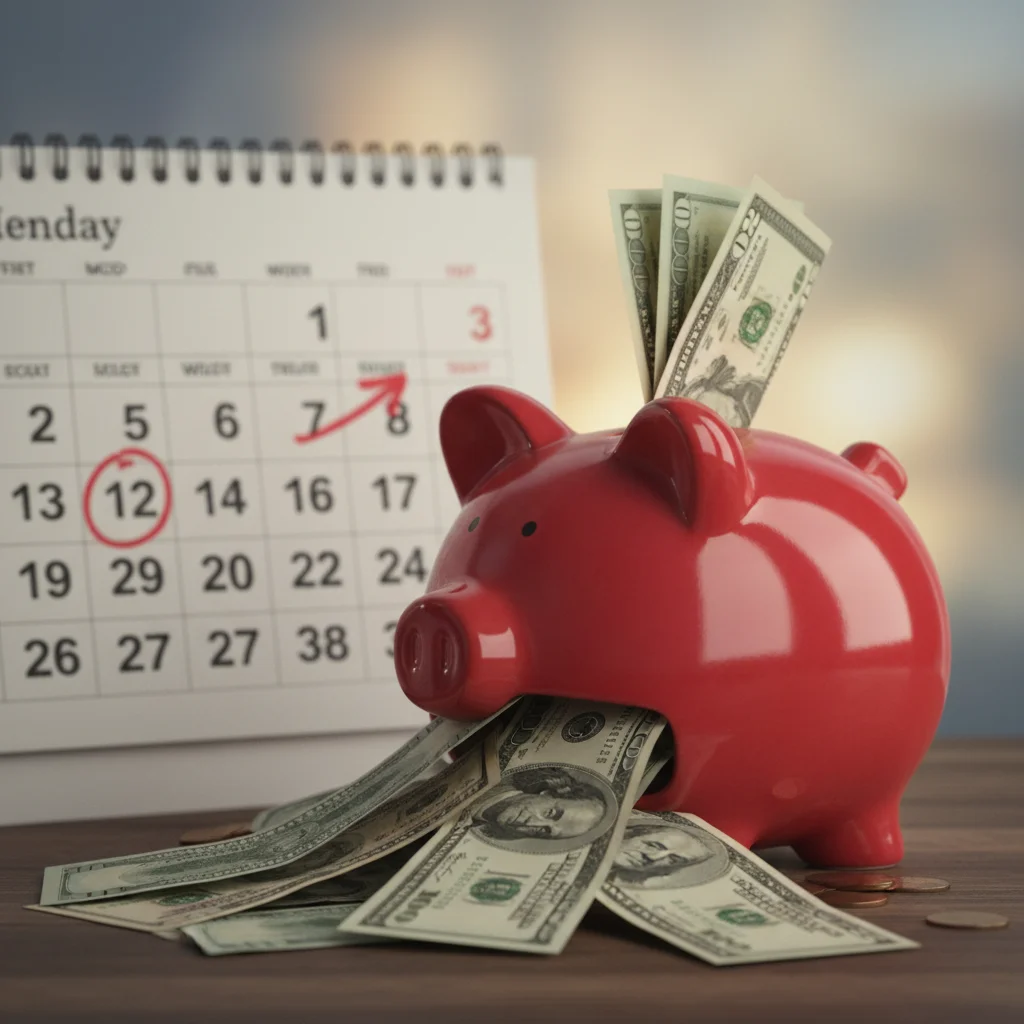
Are you ready to revolutionize your financial habits and discover hidden savings? In the ever-evolving economic landscape of the United States, managing personal finances effectively has become more crucial than ever. Many individuals find themselves in a constant battle with impulse purchases, subscription creep, and simply not knowing where their money goes. The solution? A strategic and empowering 30-Day Spending Freeze. This isn’t just about deprivation; it’s about awareness, discipline, and ultimately, building a stronger financial foundation for 2026 and beyond. Our goal for this challenge is ambitious yet achievable: to help you save at least $500 within a single month, all while uncovering invaluable insights into your spending patterns.
The concept of a 30-Day Spending Freeze is straightforward: for a defined period, you commit to only spending money on absolute necessities. This means pausing all discretionary spending – no new clothes, no dining out, no entertainment subscriptions beyond what’s essential. While it sounds daunting, the benefits are immense. Not only does it provide an immediate boost to your savings, but it also forces you to confront your spending triggers, identify areas of waste, and develop more mindful consumption habits. For many Americans, the idea of saving $500 in a month might seem like a dream, but with the focused effort of a spending freeze, it becomes a tangible reality.
This comprehensive guide will walk you through every step of preparing for, executing, and successfully completing your 30-Day Spending Freeze. We’ll delve into setting clear rules, identifying exceptions, strategizing for success, and most importantly, maintaining momentum when the going gets tough. By the end of this challenge, you won’t just have extra money in your bank account; you’ll have a profound understanding of your financial behavior and a renewed sense of control over your money. Let’s embark on this transformative journey together and make 2026 the year you master your finances!
Understanding the 30-Day Spending Freeze Concept
At its core, a 30-Day Spending Freeze is a period during which you intentionally halt all non-essential spending. It’s a financial reset button, designed to break bad habits and reveal where your money truly goes. Think of it as a financial detox, giving your wallet a much-needed break from the constant outflow of cash. The duration, typically 30 days, is long enough to make a significant impact on your savings and habits, but short enough to feel manageable and not overwhelmingly restrictive.
Why Undertake a Spending Freeze?
The reasons for embarking on a 30-Day Spending Freeze are manifold, and they extend far beyond simply accumulating savings:
- Boost Savings: This is the most obvious benefit. By eliminating discretionary spending, you’ll be amazed at how quickly your savings grow. Our target of $500 is a conservative estimate; many participants save far more.
- Identify Spending Triggers: You’ll become acutely aware of what prompts you to spend – boredom, stress, social pressure, convenience. This awareness is the first step towards changing those behaviors long-term.
- Uncover Hidden Expenses: Those recurring subscriptions you forgot about? The daily coffee habit that adds up? A spending freeze shines a spotlight on all these often-overlooked expenditures.
- Develop Financial Discipline: Saying ‘no’ to non-essentials builds willpower and self-control, valuable skills that translate to all areas of your financial life.
- Re-evaluate Needs vs. Wants: The freeze forces you to distinguish between what you truly need to survive and what you merely want for comfort or pleasure. This distinction is crucial for sustainable budgeting.
- Reduce Financial Stress: Gaining control over your money can significantly reduce anxiety and stress related to finances.
- Achieve Financial Goals Faster: Whether it’s paying off debt, saving for a down payment, or building an emergency fund, the extra cash from a freeze can accelerate your progress.
Setting Your Personal Rules: What’s Essential, What’s Not?
The success of your 30-Day Spending Freeze hinges on clearly defining your ‘essential’ and ‘non-essential’ categories. While some items are universally essential (rent, utilities, groceries), others might vary based on individual circumstances. Here’s a general framework:
Essential Spending (Allowed):
- Housing: Rent/mortgage, utilities (electricity, water, gas), essential home repairs.
- Food: Groceries for home-cooked meals. Focus on staples and meal planning.
- Transportation: Gas, public transport fares, essential car maintenance.
- Healthcare: Prescriptions, doctor’s visits, medical emergencies.
- Debt Payments: Minimum payments on credit cards, loans, etc. (though ideally, you’d be paying more if possible).
- Insurance: Health, car, home insurance premiums.
- Basic Communication: Essential phone plan (avoid upgrades or unnecessary data top-ups).
- Childcare/Pet Care: Necessary expenses for dependents.
Non-Essential Spending (Forbidden):
- Dining Out/Takeaway/Delivery: This is a big one for many. All meals should be prepared at home.
- Coffee Shops/Bars: No lattes, no alcoholic beverages bought outside the home.
- Entertainment: Movies, concerts, sporting events, new video games, non-essential streaming subscriptions (consider pausing if not contractually obligated).
- Shopping: New clothes, shoes, accessories, gadgets, home decor, books (unless from the library).
- Personal Care Services: Haircuts, manicures, massages (unless medically necessary).
- Hobbies/Leisure: Craft supplies, gym memberships (if you can exercise at home), non-essential travel.
- Gifts: If a birthday or event falls within the freeze, consider handmade gifts or explaining your challenge.
It’s crucial to customize these lists to your own life. For example, if you rely on public transport, that’s essential. If you have a specific medical need that requires a certain expense, that’s essential. The key is honesty and strictness with yourself. Write down your personal rules and keep them visible. This clarity is paramount for a successful 30-Day Spending Freeze.
Preparation is Key: Your Pre-Freeze Checklist
A successful 30-Day Spending Freeze isn’t just about willpower; it’s about meticulous preparation. The more you plan beforehand, the smoother your challenge will be, and the higher your chances of hitting that $500 savings goal.
1. Audit Your Current Spending (The Pre-Freeze Snapshot)
Before you even think about stopping spending, you need to know where your money is currently going. This is perhaps the most eye-opening step. Gather your bank statements, credit card statements, and any budgeting apps from the last 1-3 months. Categorize every single expense. Look for patterns, identify your biggest discretionary spending categories, and pinpoint those ‘leakage’ areas where small amounts add up quickly. This audit will serve as your baseline and motivate you by showing you exactly how much you *could* save.
2. Set Clear Goals and Motivation
Why are you doing this 30-Day Spending Freeze? Is it to save for an emergency fund, pay down debt, save for a vacation, or simply gain financial clarity? Having a clear ‘why’ will be your anchor when temptation strikes. Visualize that $500 (or more!) in your savings account. Write down your primary motivation and keep it where you’ll see it daily.
3. Stock Up on Essentials (Strategically)
This is where strategic planning comes in. Before your freeze begins, make a comprehensive list of all non-perishable groceries, toiletries, cleaning supplies, and any other household items you know you’ll need for the next 30 days. Purchase these items *before* the freeze starts. The goal is to avoid any ’emergency’ trips to the store during the freeze that might lead to impulse buys. Be careful not to overbuy or buy things you don’t truly need; this is about stocking up, not splurging.
4. Meal Planning and Food Prep
Food is often the biggest discretionary spending category. To avoid the siren call of takeout, dedicate time before your freeze to meal planning. Plan out every breakfast, lunch, and dinner for the entire month. Focus on budget-friendly, versatile ingredients. Consider batch cooking and freezing meals. This not only saves money but also time and decision fatigue during the freeze. Utilize staples like rice, beans, pasta, and frozen vegetables. This is a crucial step for a successful 30-Day Spending Freeze.

5. Unsubscribe and Unfollow
Reduce temptation by unsubscribing from marketing emails from your favorite stores and unfollowing tempting accounts on social media. Out of sight, out of mind. The less exposure you have to things you can’t buy, the easier your 30-Day Spending Freeze will be.
6. Inform Your Inner Circle
Let family and close friends know about your 30-Day Spending Freeze challenge. Explain your goals and ask for their support. This can help you avoid awkward situations like invitations to dine out or go shopping. They might even be inspired to join you!
7. Find Free Alternatives for Entertainment
How will you fill your free time without spending money? Brainstorm a list of free activities: walks in the park, library visits, free online courses, board games, home workouts, movie nights with films you already own, visiting free museums or local attractions. Having a plan for entertainment is vital to prevent boredom-induced spending.
8. Create a ‘Wish List’
Instead of buying things you want, add them to a ‘wish list.’ This acknowledges the desire without fulfilling it immediately. At the end of the 30-Day Spending Freeze, you can review the list and see if you still want those items, or if the urge has passed.
Executing Your 30-Day Spending Freeze: Strategies for Success
The preparation is done, the rules are set, and your motivation is high. Now comes the actual execution of your 30-Day Spending Freeze. This phase requires consistency, creativity, and resilience. Here’s how to navigate the next 30 days like a financial pro.
1. Track Every Penny
Even though you’re only spending on essentials, it’s crucial to track every dollar that leaves your account. This reinforces awareness and helps you stick to your budget for essentials. Use a spreadsheet, a budgeting app, or a simple notebook. Seeing your spending (or lack thereof!) in black and white can be incredibly motivating and highlight any accidental slips.
2. Avoid Temptation Zones
Identify places or situations that typically trigger your spending. For some, it’s the mall; for others, it’s online shopping websites or even the ‘impulse buy’ aisles at the grocery store. During your 30-Day Spending Freeze, actively avoid these temptation zones. If you must go to the grocery store, stick to your list and don’t wander through non-food aisles.
3. Embrace Frugal Living and DIY
This is your chance to get creative! Can you mend that torn shirt instead of buying a new one? Can you make your coffee at home instead of buying it? Can you find free entertainment options like hiking or library books? A 30-Day Spending Freeze encourages a mindset of resourcefulness and appreciation for what you already have. Look for ways to repurpose, reuse, and repair.
4. Leverage Your Pantry and Freezer
Before buying new groceries, challenge yourself to use up what you already have. Many households have forgotten items lurking in the back of the pantry or freezer. This not only saves money during your 30-Day Spending Freeze but also reduces food waste.
5. Find Free Entertainment and Socializing
Social life doesn’t have to stop during a spending freeze. Suggest free activities to friends and family: a potluck dinner at someone’s home, a board game night, a walk in a local park, a picnic with home-cooked food, or exploring free community events. Your true friends will understand and support your financial goals.
6. Manage Cravings and Impulse Buys
You will likely experience cravings for things you’ve forbidden. When these arise, employ strategies like the ’24-hour rule’ (wait 24 hours before deciding if you still want it), distract yourself with a free activity, or revisit your ‘why’ for the 30-Day Spending Freeze. Remember, these urges are temporary.
7. Celebrate Small Wins
Acknowledge your progress throughout the month. After a week of successful freezing, give yourself a pat on the back. Seeing your savings accumulate can be a powerful motivator. Share your progress with your support system.
8. Prepare for Unexpected Expenses (Emergency Fund)
While the goal is no discretionary spending, life happens. If an *absolute emergency* expense arises (e.g., a car breakdown essential for work, a medical emergency), address it. The purpose of the freeze is not to put yourself in a worse situation. If you have an emergency fund, this is what it’s for. If not, consider how you will handle such situations without derailing your entire challenge. This is where the ‘essential’ vs. ‘non-essential’ rules become critical.
Overcoming Challenges and Staying Motivated
Even with the best preparation, a 30-Day Spending Freeze can present challenges. There will be moments of temptation, frustration, and perhaps even boredom. Staying motivated is key to successfully reaching your $500 savings goal.
Dealing with Temptation
Temptation is inevitable. Whether it’s an alluring online ad, a friend suggesting an expensive outing, or simply a bad day that makes you want to ‘treat yourself,’ you’ll face moments where your resolve is tested. Here’s how to combat them during your 30-Day Spending Freeze:
- Revisit Your Goals: Remind yourself why you started. Look at your savings tracker and see how far you’ve come.
- Distraction: Engage in a free hobby, read a book, go for a walk, call a friend. Shift your focus away from the tempting item or activity.
- The ‘Future Purchase’ List: Add the item to your wish list. You haven’t said ‘no’ forever, just ‘not now.’
- Buddy System: If you have a friend doing the challenge with you, lean on each other for support and accountability.
Handling Social Pressure
Social gatherings often revolve around spending. It can be tough to decline invitations or suggest alternative activities without feeling like you’re missing out. Be honest and upfront with your friends about your 30-Day Spending Freeze. Most will be understanding and supportive. Suggest potlucks, park meetups, or movie nights at home. Remember, your true friends value your company, not your spending habits.
Avoiding Burnout and Boredom
A month without discretionary spending can feel long. Combat boredom by actively seeking out free activities and embracing new routines. Discover local parks, libraries, free online courses, or home-based hobbies. Use this time to declutter, organize, or learn a new skill. The goal is to replace spending habits with productive or enriching non-spending habits.

Tracking Your Progress and Celebrating Milestones
Regularly check your bank balance and see how much you’re saving. Create a visual tracker – a calendar where you mark off each successful day, or a thermometer chart showing your progress towards your $500 goal. Seeing tangible results is incredibly motivating. Celebrate small milestones (e.g., one week down, halfway there!) with non-monetary rewards, like a relaxing bath or an extra-long walk.
What if You Slip Up?
Don’t despair! A single slip-up doesn’t mean your entire 30-Day Spending Freeze is ruined. Acknowledge it, learn from it, and recommit. Don’t let one mistake turn into a cascade of spending. Get right back on track the next day. The important thing is to understand *why* the slip happened and put strategies in place to prevent it from happening again.
Beyond the Freeze: Long-Term Financial Habits
Completing a 30-Day Spending Freeze is a significant achievement, but its true value lies in the lasting impact it has on your financial behavior. The goal isn’t just to save $500 in one month, but to use that experience to cultivate sustainable, healthy financial habits for 2026 and beyond.
Analyzing Your Results and Insights
Once your 30-Day Spending Freeze is complete, take time to reflect. Review your spending tracker from before and during the freeze. What surprised you? What were your biggest challenges? Where did you save the most money? Did you hit your $500 goal? What non-essential items did you truly miss, and which ones did you realize you could easily live without?
This analysis is crucial for developing a realistic and sustainable budget moving forward. You’ll have a much clearer picture of your ‘needs’ versus ‘wants’ and a better understanding of your financial triggers.
Integrating New Habits into Your Budget
The lessons learned during your 30-Day Spending Freeze should directly inform your long-term budget. For example:
- Meal Planning: If batch cooking and meal prepping saved you a significant amount, incorporate it into your weekly routine.
- Home Coffee/Lunch: If you realized how much you save by making coffee at home and packing your lunch, make this a regular habit.
- Free Entertainment: Continue to seek out free or low-cost activities for entertainment.
- Subscription Audit: Use your newfound awareness to regularly review and cut unnecessary subscriptions.
- Delayed Gratification: Practice the ’24-hour rule’ or ‘future purchase list’ for larger discretionary items.
Update your budget to reflect these new, more frugal habits. Allocate the money you saved during the freeze to specific financial goals, such as building your emergency fund, paying down high-interest debt, or investing.
Maintaining Momentum and Avoiding Relapse
It’s easy to revert to old habits once the freeze is over. To prevent this:
- Start Small: Don’t immediately go on a spending spree. Gradually reintroduce discretionary spending categories, one at a time, with limits.
- Continue Tracking: Keep tracking your spending, at least for a few more months, to reinforce good habits.
- Set New Goals: With your increased savings, set new, even more ambitious financial goals to keep you motivated.
- Reward Yourself (Thoughtfully): Plan a small, non-extravagant reward for successfully completing the freeze. This could be a nice meal out, a small item from your wish list, or an experience. Ensure it’s a conscious choice, not an impulse.
- Regular Financial Check-ins: Schedule monthly or quarterly financial review sessions with yourself to assess your budget and progress.
The Broader Impact: Financial Freedom in 2026
A 30-Day Spending Freeze is more than just a temporary challenge; it’s a catalyst for financial transformation. By successfully completing it, you’ll gain:
- Increased Savings: A healthier bank balance provides a cushion against unexpected expenses and opportunities for investment.
- Reduced Debt: The money saved can be directly applied to paying down high-interest debt, freeing up future income.
- Financial Confidence: Knowing you can control your spending empowers you to make smarter financial decisions.
- Mindful Consumption: A greater appreciation for what you have and a reduced desire for unnecessary material possessions.
- Clarity: A clear understanding of your financial inflows and outflows, leading to better overall financial planning.
This challenge is particularly relevant in the US in 2026, as economic conditions continue to necessitate smart financial choices. By taking control of your spending, you’re not just saving money; you’re investing in your financial future and paving the way for greater financial freedom.
Conclusion: Embrace Your Financial Power in 2026
The 30-Day Spending Freeze is a powerful tool for anyone looking to gain control over their finances, boost their savings, and develop lasting healthy money habits. It’s a challenge that requires commitment and discipline, but the rewards—not just the $500 you aim to save, but the invaluable insights and newfound financial confidence—are truly transformative.
As you plan your 2026 financial goals, consider making this spending freeze a cornerstone of your strategy. By meticulously preparing, diligently executing, and thoughtfully reflecting on your experience, you will not only achieve your immediate savings target but also lay the groundwork for a more secure and prosperous financial future. Remember, every dollar saved is a step towards greater financial independence.
So, are you ready to take on the 30-Day Spending Freeze challenge? Commit to it, embrace the process, and prepare to be amazed at how much you can learn about your spending, and how much you can save. Your future financially empowered self will thank you. Let’s make 2026 the year you truly master your money!