Surprise Medical Billing 2026: Your Guide to New Protections & Healthcare Costs

Navigating Surprise Medical Billing in 2026: A Consumer’s Essential Guide
The landscape of healthcare in the United States is notoriously complex, and few issues cause as much anxiety and financial strain as surprise medical billing. Imagine receiving emergency care, only to be hit with an astronomical bill from an out-of-network provider you never chose, despite receiving care at an in-network facility. This scenario, once a common nightmare for countless Americans, has been the target of significant legislative action. As we look towards 2026, understanding the evolution of these laws and your rights as a consumer is more crucial than ever. This comprehensive guide will delve into the intricacies of surprise medical billing, explain the existing protections, anticipate potential changes, and equip you with the knowledge to safeguard your finances against unexpected healthcare costs.
What is Surprise Medical Billing? Unpacking the Problem
Before we explore the solutions and future outlook, let’s clearly define what surprise medical billing entails. Also known as ‘balance billing,’ it occurs when an insured individual unexpectedly receives a bill for the difference between what their healthcare provider charges and what their insurance plan pays. This typically happens in two main scenarios:
-
Emergency Services:
You receive emergency care at an out-of-network hospital or facility, or you are treated by an out-of-network provider (e.g., an anesthesiologist or radiologist) at an in-network hospital during an emergency. In these situations, you often have no choice in selecting your providers, making the ‘surprise’ aspect particularly egregious.
-
Non-Emergency Services at In-Network Facilities:
You receive scheduled, non-emergency care at an in-network hospital or facility, but an out-of-network provider is involved in your care. For instance, you might have surgery at an in-network hospital, but the assisting surgeon or pathologist is not part of your insurance network. Often, patients are unaware of the network status of all providers involved in their care until the bill arrives.
The core issue with surprise medical billing is the lack of consumer choice and transparency. Patients, especially in emergencies, are not in a position to verify network status or negotiate prices. This practice has historically left millions vulnerable to substantial, unexpected medical debt, even when they diligently chose an in-network facility.
The No Surprises Act: A Landmark Protection Against Surprise Medical Billing
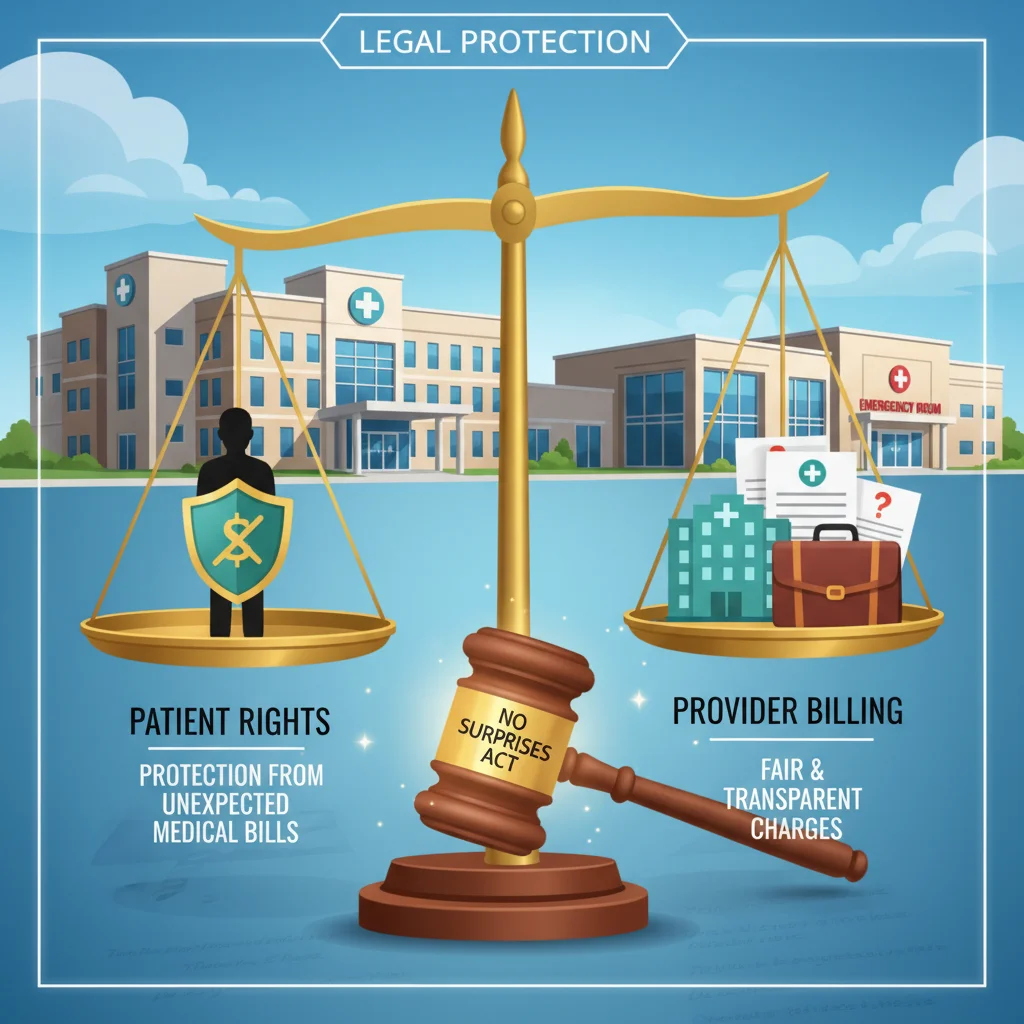
The most significant federal response to surprise medical billing came with the No Surprises Act (NSA), which took effect on January 1, 2022. This bipartisan legislation was a monumental step forward in consumer protection, aiming to shield patients from unexpected bills for emergency services, non-emergency services from out-of-network providers at in-network facilities, and air ambulance services. The Act generally applies to most private health insurance plans and group health plans.
Key provisions of the No Surprises Act include:
-
Banning Balance Billing:
The NSA prohibits providers from balance billing patients for emergency services, non-emergency services from out-of-network providers at in-network facilities, and air ambulance services. This means patients are only responsible for their in-network cost-sharing (e.g., co-pays, deductibles, co-insurance) for these services.
-
Independent Dispute Resolution (IDR):
When a patient receives a service that falls under the NSA’s protections, the provider and the health plan must resolve the payment dispute through an independent dispute resolution process, without involving the patient. This mechanism is designed to determine the appropriate payment amount between the insurer and the provider.
-
Good Faith Estimates:
For scheduled services, providers are required to give uninsured or self-pay patients a good faith estimate of expected charges before the service is rendered. This estimate helps consumers understand potential costs upfront.
-
Notice and Consent:
In certain non-emergency situations, if an out-of-network provider wants to bill you more than your in-network cost-sharing, they must provide you with a notice explaining your rights and obtain your written consent. If they don’t, they cannot balance bill you.
-
Price Transparency:
The Act also supports efforts to increase price transparency, requiring health plans and providers to offer more accessible information about healthcare costs.
The No Surprises Act has significantly reduced the instances of surprise medical billing for millions of Americans, providing a much-needed layer of financial security. However, its implementation has not been without challenges, and ongoing legal battles and regulatory adjustments continue to shape its impact.
The Evolving Landscape: What to Expect for Surprise Medical Billing in 2026
While the No Surprises Act is firmly in place, the healthcare regulatory environment is dynamic. As we approach 2026, several factors could influence the future of surprise medical billing protections and how they are enforced. These include ongoing legal challenges, potential legislative amendments, and the continuous refinement of regulatory guidance.
Ongoing Legal Challenges and Their Impact
Since its inception, the No Surprises Act has faced legal challenges, primarily from provider groups and air ambulance companies. These lawsuits have often focused on the independent dispute resolution (IDR) process, arguing that the federal government’s methodology for determining payment amounts (which initially favored the Qualified Payment Amount, or QPA, essentially the median in-network rate) unfairly disadvantaged providers.
Courts have, at times, sided with providers, leading to revisions in IDR guidance. These legal battles are crucial because they can:
-
Alter IDR Rules:
Changes to the IDR process could affect how much providers are paid, potentially influencing their willingness to participate in networks or their overall billing practices. While patients remain shielded from balance bills, shifts in IDR could indirectly impact the healthcare system.
-
Delay Implementation:
Legal disputes can cause delays or create uncertainty in the regulatory framework, making it harder for all parties to fully comply or understand their obligations.
-
Influence Future Legislation:
Court rulings might prompt Congress to revisit certain aspects of the Act, potentially leading to amendments that clarify or modify existing provisions. This could be a significant development for surprise medical billing in 2026.
Consumers should stay informed about these developments, as they can subtly shape the healthcare landscape, even if their direct protections against surprise medical billing remain robust.
Potential for State-Level Action and Coordination
Before the federal No Surprises Act, many states had their own laws addressing surprise medical billing. While the federal law largely preempts state laws for fully insured plans, state regulations may still apply to self-funded employer plans in some areas or offer additional protections not covered by the federal act. In 2026, we might see:
-
Complementary State Laws:
States could pass laws that offer protections in areas not fully covered by the NSA or provide additional layers of consumer recourse.
-
Enforcement Coordination:
Improved coordination between state and federal agencies to ensure consistent enforcement of surprise medical billing protections across different types of health plans and providers.
Technological Advancements and Price Transparency
The push for greater price transparency is ongoing. By 2026, we can anticipate further advancements in:
-
Digital Tools:
More sophisticated online tools and platforms designed to help consumers understand healthcare costs, compare prices, and identify in-network providers before receiving care. This proactively combats the conditions that lead to surprise medical billing.
-
Interoperability:
Improved data sharing between providers, insurers, and third-party applications could make it easier to get accurate good faith estimates and verify network status in real-time.
Focus on Air Ambulance Services
Air ambulance services were specifically included in the No Surprises Act due to their notorious history of surprise medical billing. Given the high costs and emergency nature of these services, there might be continued scrutiny and potentially further regulatory fine-tuning to ensure the protections are fully effective and consistently applied in 2026.
Your Rights Against Surprise Medical Billing in 2026: A Consumer’s Checklist
Even with robust legislation, being an informed consumer is your best defense against surprise medical billing. Here’s a checklist of your rights and what to do if you suspect a surprise bill in 2026:
-
Know Your Protections:
Emergency Services: You cannot be balance billed for emergency services, even if the facility or provider is out-of-network. You are only responsible for your in-network cost-sharing.
Non-Emergency Services at In-Network Facilities: If you receive scheduled care at an in-network hospital or facility, and an out-of-network provider is involved, they generally cannot balance bill you unless they provide you with proper notice and obtain your consent. Without consent, you only owe your in-network cost-sharing.
Air Ambulance Services: Similar to emergency ground services, air ambulance providers cannot balance bill you.
-
Check Your Explanation of Benefits (EOB):
Always review your EOB from your insurance company. This document details what your plan paid and what you might owe. If you see charges for out-of-network services that you believe are protected by the No Surprises Act, question them.
-
Verify Network Status Before Scheduled Care:
For non-emergency procedures, proactively confirm that all providers involved in your care (e.g., surgeons, anesthesiologists, radiologists, labs) are in your insurance network. Ask your primary physician or the facility for a list of all providers who will be involved and their network status. This can help prevent potential surprise medical billing scenarios.
-
Request a Good Faith Estimate:
If you are uninsured or self-pay, always request a good faith estimate of charges from your provider before receiving non-emergency services. This is your right under the No Surprises Act.
-
Understand Consent Requirements:
If an out-of-network provider asks you to sign a consent form to waive your No Surprises Act protections, read it carefully. Understand that by signing, you may be agreeing to pay more. In most cases, you are not required to sign this form, especially if an in-network option is available or if the service is an emergency.
What to Do If You Receive a Surprise Medical Bill in 2026
Despite the protections, errors can occur, or you might receive a bill that seems to violate the No Surprises Act. Here’s your action plan:
-
Do Not Pay Immediately:
Before paying any unexpected bill, take the time to investigate it. Paying it prematurely can complicate your ability to dispute it.
-
Contact Your Health Plan:
Your first step should be to call your insurance company. Explain the situation and ask them to review the bill. They should be able to clarify if the service is covered by the No Surprises Act and how it should be processed. If they confirm it’s a surprise medical billing violation, they should work to resolve it with the provider.
-
Contact the Provider:
Reach out to the billing department of the provider or facility that sent the bill. Explain that you believe the bill is in violation of the No Surprises Act. Ask them to re-bill your insurance correctly or adjust the charges.
-
File a Complaint:
If your health plan or the provider is unresponsive or unhelpful, you have the right to file a complaint. You can file a complaint with:
- The Department of Health and Human Services (HHS): The Centers for Medicare & Medicaid Services (CMS) oversees many aspects of the No Surprises Act. You can find information on how to file a complaint on their website.
- Your State’s Department of Insurance: For fully insured plans, your state’s insurance department may also be able to assist.
- Your Employer (if applicable): If you have an employer-sponsored plan, your HR department or benefits administrator might be able to help escalate the issue with the insurer.
When filing a complaint, provide as much documentation as possible: the bill, your EOB, any consent forms, and notes from your conversations with the insurer and provider.
-
Seek Legal or Advocacy Assistance:
If the issue remains unresolved, consider consulting with a healthcare advocate or an attorney specializing in medical billing. They can provide expert guidance and represent your interests.

Preventing Surprise Medical Billing: Proactive Steps for Consumers
While the No Surprises Act offers significant protections, being proactive can help you avoid the stress of dealing with a surprise medical billing situation altogether.
-
Understand Your Insurance Plan:
Familiarize yourself with your health insurance policy. Know your deductible, co-pays, co-insurance, and, most importantly, your network of providers. Understand the difference between in-network and out-of-network benefits.
-
Communicate with Your Doctors:
Before any scheduled procedure, talk to your doctor. Ask them if all providers who will be involved in your care (anesthesiologists, pathologists, radiologists, assistant surgeons) are in your insurance network. If any are not, ask if an in-network alternative can be used or what your options are.
-
Confirm with the Facility:
When scheduling a procedure at a hospital or surgical center, confirm with their billing or patient services department that the facility itself is in-network and that they will only use in-network providers for your care, or that you will be notified and asked for consent if an out-of-network provider is necessary.
-
Document Everything:
Keep a detailed record of all communications related to your healthcare, including dates, times, names of people you spoke with, and summaries of conversations. Save all paperwork, including appointment confirmations, EOBs, and bills. This documentation is invaluable if you need to dispute a surprise medical billing charge.
-
Utilize Transparency Tools:
Many insurance companies now offer online tools to estimate costs for common procedures and find in-network providers. Leverage these resources to make informed decisions about your care.
The Broader Impact of Surprise Medical Billing Protections
The efforts to curb surprise medical billing extend beyond just protecting individual consumers. These protections contribute to a more transparent and equitable healthcare system by:
-
Promoting Network Participation:
By removing the incentive for out-of-network providers to balance bill, the Act encourages providers to join insurance networks, leading to more choice and better access to in-network care for patients.
-
Reducing Healthcare Costs:
While the direct impact on overall healthcare costs is debated, preventing exorbitant surprise medical billing reduces individual financial burdens and helps stabilize the financial health of many families.
-
Empowering Consumers:
Knowing that they are protected from unexpected bills allows consumers to seek necessary medical care without the constant fear of financial ruin, fostering greater trust in the healthcare system.
-
Driving Systemic Change:
The focus on surprise medical billing has spurred broader conversations about healthcare pricing, transparency, and the need for a more patient-centered approach to billing practices.
Conclusion: Staying Vigilant in 2026 and Beyond
As we navigate 2026, the protections against surprise medical billing provided by the No Surprises Act remain a crucial shield for consumers. While the legal and regulatory landscape may continue to evolve, the core principle of protecting patients from unexpected costs remains firm. By understanding your rights, proactively engaging with your healthcare providers and insurers, and knowing the steps to take if you receive a questionable bill, you can confidently manage your healthcare costs and avoid the pitfalls of surprise medical billing.
The fight for healthcare affordability and transparency is ongoing, but with the tools and knowledge provided by legislation like the No Surprises Act, consumers are better equipped than ever to advocate for themselves and ensure they receive fair treatment. Stay informed, stay vigilant, and protect your financial well-being in the face of healthcare complexities.