FCRA 2026: Your Rights to Accurate Credit Reporting
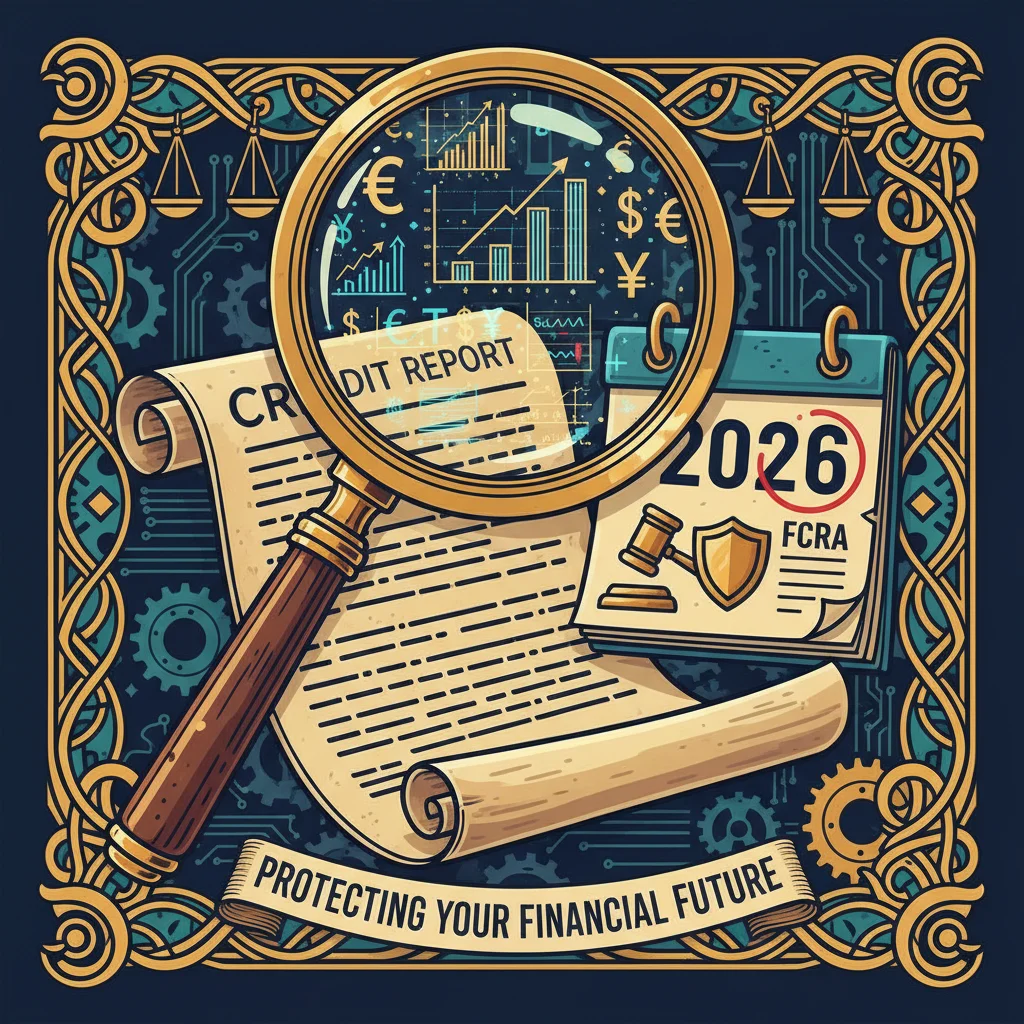
In the intricate world of personal finance, your credit report stands as a critical document, a detailed narrative of your financial reliability. It influences everything from loan approvals and interest rates to housing applications and even employment opportunities. Given its profound impact, the accuracy and privacy of the information within your credit report are paramount. This is precisely where the Fair Credit Reporting Act (FCRA) comes into play. As we look towards 2026, understanding your rights under the FCRA becomes even more crucial in a rapidly evolving digital and financial landscape.
The FCRA 2026 Rights are not just a set of legal guidelines; they are your shield against misinformation and a tool for financial empowerment. This comprehensive guide will delve deep into the core tenets of the FCRA, outlining your fundamental rights, explaining how to effectively dispute inaccuracies, and providing insights into the responsibilities of credit reporting agencies and data furnishers. We will also explore potential updates and considerations for the future, ensuring you are well-equipped to navigate your financial journey with confidence and control.
What is the Fair Credit Reporting Act (FCRA)?
Enacted in 1970, the Fair Credit Reporting Act (FCRA) is a landmark federal law designed to promote the accuracy, fairness, and privacy of consumer information contained in the files of consumer reporting agencies (CRAs). These agencies, commonly known as credit bureaus (Experian, Equifax, and TransUnion), collect and disseminate information about consumers to creditors, insurers, employers, and other businesses. The FCRA ensures that these entities handle your sensitive financial data responsibly.
The Pillars of FCRA: Accuracy, Fairness, and Privacy
The FCRA is built upon three foundational pillars:
- Accuracy: Consumers have the right to information that is accurate and complete. Inaccurate information can have severe consequences, leading to denied credit, higher interest rates, or even job loss.
- Fairness: The law dictates who can access your credit report and for what purposes. It prohibits the use of obsolete information and sets limits on the reporting of certain negative items.
- Privacy: The FCRA protects your personal financial information by restricting who can view your credit report and under what circumstances. It ensures that your data is not indiscriminately shared.
Understanding these core principles is the first step in asserting your FCRA 2026 Rights and maintaining a healthy financial profile.
Your Fundamental FCRA 2026 Rights Explained
As a consumer, the FCRA grants you several powerful rights that are crucial for managing your credit and financial well-being. These rights remain largely consistent, but their application and awareness become increasingly important in 2026.
1. The Right to Know What’s in Your File
You have the right to know what information is contained in your credit file. This includes all information maintained by consumer reporting agencies (CRAs). The FCRA mandates that you are entitled to a free copy of your credit report from each of the three nationwide credit bureaus (Experian, Equifax, and TransUnion) once every 12 months. This can be accessed through AnnualCreditReport.com, the only authorized website for free credit reports.
2. The Right to Dispute Inaccurate or Incomplete Information
This is arguably one of the most vital FCRA 2026 Rights. If you find information in your credit report that you believe is inaccurate, incomplete, or unverifiable, you have the right to dispute it. Both the CRA and the information furnisher (the entity that provided the information to the CRA, such as a bank or credit card company) have a legal obligation to investigate your dispute.
When you initiate a dispute, the CRA must investigate the disputed item, usually within 30 days. If the investigation reveals that the information is inaccurate or cannot be verified, the CRA must remove or correct it. They must also notify the furnisher of the information about the dispute. Furnishers, in turn, must investigate the dispute and report the results to all CRAs to which they provided the information.
3. The Right to Have Inaccurate Information Removed or Corrected
If an investigation confirms that information in your report is inaccurate, incomplete, or unverified, the CRA must delete or correct it promptly. This correction can significantly impact your credit score and financial opportunities. This right reinforces the importance of monitoring your credit reports regularly.
4. The Right to Opt-Out of Pre-screened Offers
You have the right to opt-out of receiving unsolicited pre-screened offers of credit and insurance. These offers are generated based on information in your credit report. You can opt-out by calling a toll-free number or visiting the official Opt-Out website, which can help reduce your exposure to identity theft and unwanted solicitations.
5. The Right to Damages for Violations
If a CRA or a furnisher violates the FCRA, you may have the right to sue them for damages in state or federal court. This includes actual damages, attorney’s fees, and, in some cases, punitive damages. This provision serves as a powerful deterrent against non-compliance and reinforces your FCRA 2026 Rights.
6. The Right to a Summary of Your Rights
Every time you receive a credit report or a notification related to your credit, you should also receive a summary of your rights under the FCRA. This ensures that consumers are continually informed about their protections.
The Dispute Process: A Step-by-Step Guide for FCRA 2026
Effectively disputing inaccuracies is key to exercising your FCRA 2026 Rights. Here’s a practical guide:
Step 1: Obtain Your Credit Reports
Regularly access your free credit reports from AnnualCreditReport.com. Review them thoroughly for any errors, unfamiliar accounts, or outdated information. It’s recommended to check one report every four months, ensuring you monitor your credit throughout the year.
Step 2: Identify Inaccuracies
Look for common errors such as:
- Incorrect personal information (name, address, Social Security number)
- Accounts that don’t belong to you (potential identity theft)
- Incorrect account status (e.g., reported as open when closed)
- Duplicate accounts or entries
- Accounts with incorrect payment history or balances
- Outdated negative information beyond the reporting period (e.g., bankruptcies older than 7-10 years)
Step 3: Initiate the Dispute with the Credit Bureau
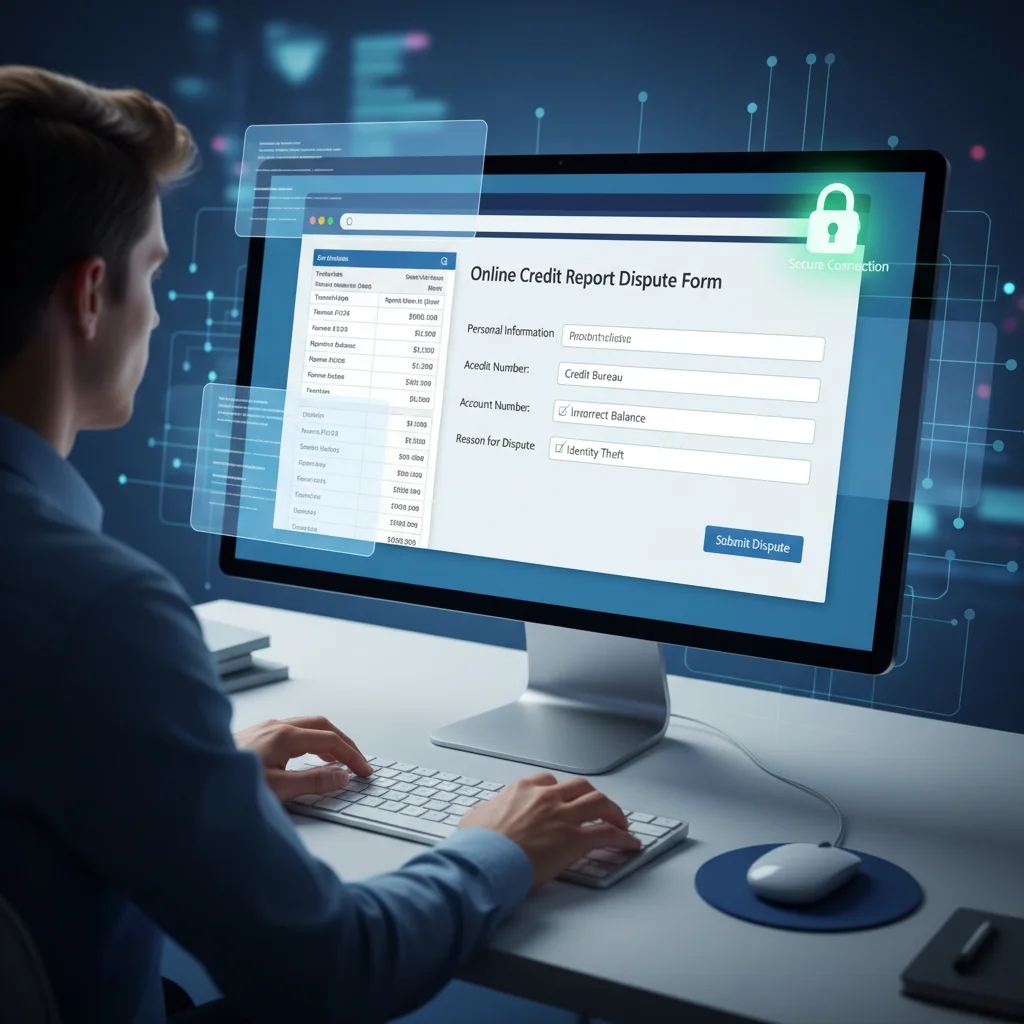
Once you identify an error, dispute it directly with the credit bureau(s) reporting the inaccurate information. You can do this online, by mail, or by phone. Written disputes sent via certified mail with a return receipt requested are often recommended as they provide a clear paper trail.
Your dispute letter should:
- Clearly identify the inaccurate item(s).
- Explain why you believe the information is incorrect.
- Include copies of any supporting documentation (e.g., payment records, court documents, police reports for identity theft).
- Request that the item be removed or corrected.
Step 4: Contact the Data Furnisher (Optional, but Recommended)
While the CRA is obligated to investigate, it’s often beneficial to also dispute the information directly with the data furnisher (e.g., your bank, credit card company). Provide them with the same information and documentation. This dual approach can sometimes expedite the resolution process.
Step 5: Follow Up and Review Results
The credit bureau must investigate your dispute within 30 days (or 45 days if you provide additional information during that period). After their investigation, they must provide you with the results in writing. If the information is indeed found to be inaccurate, incomplete, or unverifiable, it must be removed or corrected. You can also request that the corrected report be sent to anyone who received your report in the past six months.
Responsibilities of Credit Reporting Agencies and Data Furnishers
The FCRA places significant responsibilities on both CRAs and data furnishers to ensure the integrity of consumer credit information.
Credit Reporting Agencies (CRAs)
- Reasonable Procedures for Accuracy: CRAs must maintain reasonable procedures to assure maximum possible accuracy of the information they report.
- Investigate Disputes: As mentioned, they must investigate disputed information, usually within 30 days.
- Provide Free Reports: They must provide consumers with a free annual credit report.
- Limit Access: They must only provide consumer reports to those with a permissible purpose (e.g., creditors, employers with your consent, landlords).
- Remove Obsolete Information: They must remove most negative information after a certain period (e.g., 7 years for most negative items, 10 years for bankruptcies).
Data Furnishers
- Accurate Reporting: Furnishers must report accurate and complete information to CRAs.
- Investigate Disputes: When notified of a dispute by a CRA, furnishers must investigate the disputed information, review relevant information, and report the results back to the CRA.
- Correct Inaccuracies: If they find information to be inaccurate, they must promptly correct it and notify all CRAs to whom they provided the information.
- Notice of Correction: If an account is closed or paid, furnishers must provide notice of such to CRAs.
These responsibilities are critical in upholding your FCRA 2026 Rights and ensuring a fair credit ecosystem.
Identity Theft and FCRA: Enhanced Protections in 2026
Identity theft remains a pervasive threat, and the FCRA offers vital protections. In 2026, with the increasing sophistication of cyber threats, these protections are more important than ever.
Fraud Alerts
If you suspect you are a victim of identity theft, you have the right to place a fraud alert on your credit file. An initial fraud alert lasts for one year and requires businesses to take reasonable steps to verify your identity before extending new credit. An extended fraud alert, available with a valid identity theft report, lasts for seven years.
Security Freezes (Credit Freezes)
The FCRA also grants you the right to place a security freeze on your credit reports with each of the three major credit bureaus. A security freeze restricts access to your credit report, making it much harder for identity thieves to open new accounts in your name. You can freeze and unfreeze your reports for free, as often as needed. This is a powerful tool for safeguarding your financial identity.
Identity Theft Reports
If you are a victim of identity theft, filing an identity theft report with the Federal Trade Commission (FTC) and/or a police report can provide additional rights under the FCRA, such as the ability to block fraudulent information from appearing on your credit report.
Understanding Your Credit Score and FCRA
While the FCRA primarily governs the information in your credit report, it indirectly impacts your credit score. Your credit score is a numerical representation of the information in your credit report. Therefore, ensuring the accuracy of your report directly contributes to an accurate credit score.
The FCRA does not give you the right to a free credit score, but many credit card companies and financial institutions now offer free access to credit scores as a benefit to their customers. Additionally, when you obtain a free annual credit report from AnnualCreditReport.com, you may be offered the option to purchase your credit score.
Future Trends and Considerations for FCRA in 2026
The financial landscape is dynamic, and the FCRA, while robust, may see continued discussions and potential adjustments to address emerging challenges. Here are a few areas to consider for 2026 and beyond:
The Rise of Alternative Data
Beyond traditional credit data, some lenders are exploring ‘alternative data’ (e.g., rent payments, utility bills, banking transaction data) to assess creditworthiness, especially for those with thin credit files. While this can expand access to credit, it also raises questions about data accuracy, dispute processes, and privacy under the FCRA. Future interpretations or amendments may clarify how FCRA applies to these new data sources.
Increased Digitalization and Cybersecurity
As more financial interactions occur online, the importance of robust cybersecurity measures for CRAs and furnishers intensifies. The FCRA’s privacy provisions will continue to be a cornerstone in protecting consumer data from breaches and misuse. Discussions around stricter data security standards could influence future regulatory actions.
Consumer Awareness and Education
With financial literacy being a continuous challenge, efforts to enhance consumer awareness of their FCRA 2026 Rights will likely remain a priority for regulators and consumer advocacy groups. Easy-to-understand resources and simplified dispute processes could be areas of focus.
Protecting Your Financial Future with FCRA 2026 Rights
Your credit report is more than just a collection of numbers; it’s a reflection of your financial integrity and a gateway to future opportunities. Understanding and actively exercising your FCRA 2026 Rights is not merely about compliance; it’s about safeguarding your financial future.
By regularly monitoring your credit reports, promptly disputing inaccuracies, and utilizing the protections against identity theft, you empower yourself to maintain an accurate and fair financial identity. Remember, the FCRA is a powerful tool designed for your protection. Don’t hesitate to use it to ensure that the information used to assess your creditworthiness is always correct and reflective of your true financial standing.
Conclusion
The Fair Credit Reporting Act continues to be a cornerstone of consumer protection in the United States. As we move into 2026, its principles of accuracy, fairness, and privacy remain as relevant as ever. By familiarizing yourself with your rights – from accessing your free credit reports to disputing errors and protecting against identity theft – you take a proactive stance in managing your financial health.
Staying informed about your FCRA 2026 Rights and actively engaging with the credit reporting system are essential steps towards building and maintaining a strong, accurate credit profile. This vigilance not only protects you from potential financial harm but also opens doors to better financial opportunities. Empower yourself with knowledge, and ensure your credit story is told accurately and fairly.