Mastering Equifax 2026: Strategies for an 800+ Credit Score
Navigating the New Equifax Scoring Model: Strategies to Maintain an 800+ Score in 2026
The financial landscape is constantly evolving, and one of the most significant shifts on the horizon for consumers and lenders alike is the anticipated update to the Equifax scoring model in 2026. For anyone striving to maintain an elite 800+ credit score, understanding these changes and proactively adapting your financial strategies will be paramount. An 800+ credit score isn’t just a number; it’s a gateway to the best interest rates, premium financial products, and unparalleled financial flexibility. As we approach 2026, the rules of the game are set to subtly, yet significantly, change.
This comprehensive guide delves deep into what we know about the upcoming Equifax scoring model adjustments, offering detailed insights and actionable strategies to not only protect but enhance your stellar credit standing. We’ll explore the core principles of credit scoring, highlight potential modifications, and provide a roadmap to ensure your financial habits align perfectly with the new criteria. Prepare to master the new Equifax landscape and secure your financial future.
Maintaining an 800+ credit score requires diligence, understanding, and a proactive approach to personal finance. With the advent of a new Equifax scoring model in 2026, these qualities become even more critical. This article is your essential resource for staying ahead of the curve.
Understanding the Current Equifax Scoring Landscape
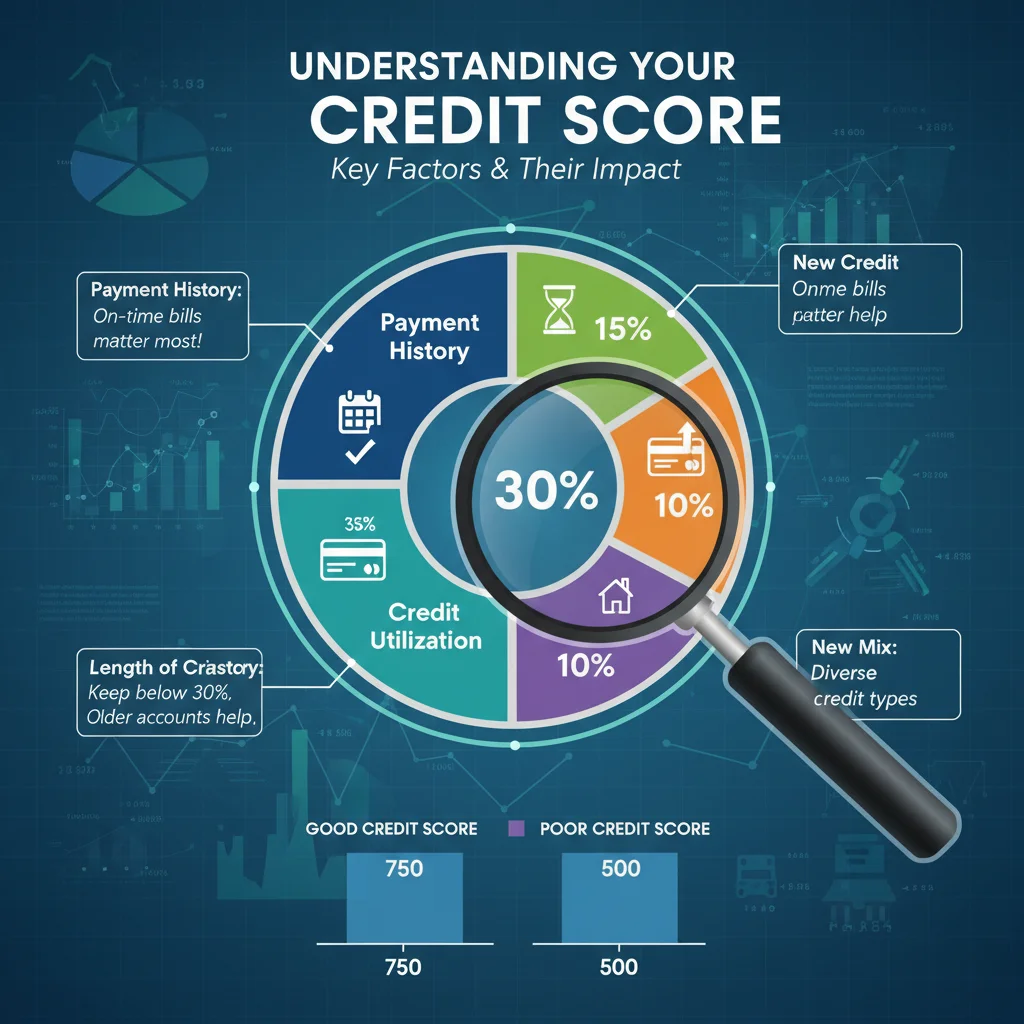
Before we can fully appreciate the changes coming in 2026, it’s crucial to have a firm grasp of how Equifax, one of the three major credit bureaus, currently calculates your credit score. While the exact algorithms are proprietary, the fundamental pillars are well-established and serve as the foundation upon which future models are built. These pillars typically include:
- Payment History (35%): This is arguably the most critical factor. Timely payments on all your credit obligations – credit cards, loans, mortgages, etc. – demonstrate reliability. Even one late payment can have a disproportionately negative impact.
- Credit Utilization (30%): This refers to the amount of credit you’re using compared to your total available credit. Keeping your utilization ratio low (ideally below 10-20%) is key for an excellent score. High utilization signals higher risk.
- Length of Credit History (15%): The longer your accounts have been open and in good standing, the better. This demonstrates a proven track record of managing credit responsibly over time.
- New Credit (10%): This includes recent credit applications and newly opened accounts. Too many inquiries or new accounts in a short period can be viewed as risky behavior.
- Credit Mix (10%): Having a healthy mix of different types of credit (e.g., installment loans like mortgages or car loans, and revolving credit like credit cards) can positively impact your score, showing you can manage various credit products.
These percentages are approximations and can vary slightly between models and bureaus, but they represent the general weighting of factors. An 800+ score means you’ve excelled in virtually all these areas consistently over a long period. The challenge with the new Equifax scoring model in 2026 will be to ensure your established habits continue to meet or exceed the updated benchmarks.
Anticipated Changes to the Equifax Scoring Model in 2026
While the specifics of the Equifax scoring model for 2026 are still under wraps, credit bureaus often refine their models to adapt to evolving economic conditions, consumer behaviors, and technological advancements. Based on industry trends and past updates, here are some areas where we might see significant adjustments that could impact your 800+ score:
1. Enhanced Focus on Trended Data
Traditional scoring models primarily look at a snapshot of your credit data. However, newer models, like FICO 10 T, emphasize ‘trended data.’ This means Equifax may increasingly analyze your credit behavior over time, not just at a single point. For instance, instead of just seeing your current credit utilization, the model might look at whether your utilization has been consistently low, or if it fluctuates significantly month-to-month. This could reward consumers who consistently pay down balances aggressively and maintain low utilization.
2. More Granular Analysis of Payment Behavior
While payment history remains king, the new Equifax scoring model might introduce more nuanced ways to assess it. This could include:
- Severity of Delinquencies: Distinguishing between a 30-day late payment versus a 90-day late payment might become more impactful.
- Recency of Delinquencies: Recent late payments could carry more weight than older ones.
- Payment Patterns: A consistent pattern of making minimum payments versus paying in full could be analyzed more closely.
3. Impact of Alternative Data Sources
There’s a growing movement to incorporate alternative data into credit scoring, especially for those with thin credit files. While this is primarily aimed at expanding credit access, some elements might trickle into higher-tier scoring. This could include rent payments, utility payments, and even banking transaction data, provided consumers opt-in. For those with 800+ scores, this might not directly impact them negatively, but understanding its role in the broader credit ecosystem is important.
4. Refined Treatment of Public Records and Collections
Past models have seen adjustments regarding how medical collections and public records (like civil judgments or tax liens) are factored in. The new Equifax scoring model in 2026 might further refine these aspects, potentially reducing the impact of paid collections or certain types of public records, or conversely, placing greater emphasis on recent, unpaid derogatory marks.
5. Sensitivity to Credit Mix and Account Types
While credit mix is already a factor, the new model might become more sensitive to specific types of credit or the optimal balance between revolving and installment credit. For example, carrying a small installment loan might be viewed more favorably than having only credit cards, even if both are managed perfectly.
Strategies to Maintain an 800+ Equifax Score in 2026
Given these potential changes, here are actionable strategies to ensure your 800+ credit score remains rock-solid under the new Equifax scoring model in 2026:
1. Master Consistent Low Credit Utilization
This is and will likely remain paramount. Aim to keep your overall credit utilization below 10% across all your revolving accounts. Even better, strive for 1-5%. If the new model emphasizes trended data, consistently low utilization will be a huge advantage. Pay off balances multiple times a month if necessary, especially before your statement closing date, to ensure low reported balances.
2. Flawless Payment History: No Exceptions
Automate all your payments. Set up reminders. Do whatever it takes to ensure you never miss a payment. As models become more granular, even a single 30-day late payment could have a more pronounced negative effect than it might today. For an 800+ score, perfection in payment history is non-negotiable.
3. Cultivate a Long and Diverse Credit History
Resist the urge to close old, unused credit card accounts, especially if they have no annual fee. These accounts contribute to your length of credit history and overall available credit, which helps keep utilization low. Maintain a healthy mix of credit types – a mortgage, an auto loan, and a few credit cards, all managed responsibly, demonstrates broad creditworthiness.
4. Be Strategic with New Credit Applications
Avoid applying for multiple lines of credit in a short period. Each hard inquiry can ding your score slightly, and a flurry of new accounts can signal increased risk to lenders. Only apply for new credit when truly necessary, and space out applications if you need more than one. If the new Equifax scoring model places more weight on recent activity, this caution becomes even more important.
5. Monitor Your Credit Report Religiously
Access your free credit reports from AnnualCreditReport.com from all three bureaus (Equifax, Experian, TransUnion) regularly. Look for any inaccuracies, fraudulent accounts, or outdated information that could be negatively impacting your score. Dispute errors immediately. Proactive monitoring is a hallmark of those with excellent credit.
6. Understand the Nuances of Installment vs. Revolving Credit
While both contribute to your credit mix, their impact differs. Installment loans (like mortgages or car loans) have a fixed payment and term, and paying them down shows responsible debt reduction. Revolving credit (like credit cards) requires careful management of utilization. The new Equifax scoring model might fine-tune how it assesses the interplay between these two, so maintaining low balances on revolving credit while steadily paying down installment debt is a robust strategy.
7. The Role of Authorized User Status
Being an authorized user on someone else’s well-managed credit card can boost your score by inheriting their positive payment history and low utilization. However, if the primary account holder struggles, it can also negatively impact you. Ensure any authorized user accounts you are on are impeccably managed. The new Equifax scoring model may look more closely at the primary account holder’s behavior, so choose wisely.
8. Address Negative Items Promptly (If Applicable)
For those aspiring to reach 800+, any lingering negative marks from the past must be addressed. Pay off collections, settle old debts, and ensure all public records are resolved. While older negative items diminish in impact over time, a clean slate is essential for top-tier scores, especially if the new model becomes more sensitive to recent derogatory marks.
The Future of Credit: Beyond 2026
The changes in the Equifax scoring model in 2026 are not just isolated events; they are part of a broader trend towards more sophisticated and predictive credit scoring. As technology advances and data analytics capabilities grow, we can expect credit models to become even more nuanced in their assessment of financial risk and responsibility. This means that a holistic approach to financial health will be increasingly rewarded.
Embracing Financial Wellness
An 800+ credit score isn’t just about credit cards and loans; it’s a reflection of overall financial wellness. This includes having an emergency fund, managing investments wisely, and making informed financial decisions. While these aren’t directly factored into your credit score, they create the financial stability that enables impeccable credit management.
Leveraging Technology for Credit Management
Utilize credit monitoring services, budgeting apps, and financial planning tools to stay on top of your credit and finances. Many apps offer alerts for significant credit report changes, which can be invaluable for catching errors or fraudulent activity early. These tools can help you adapt to the new Equifax scoring model by providing real-time insights into your financial health.

Staying Informed
Keep abreast of news and announcements from Equifax and other credit bureaus. Financial education is an ongoing process. Subscribing to financial news outlets and reputable credit blogs can provide timely updates that help you adjust your strategies as needed. The financial world doesn’t stand still, and neither should your knowledge.
Common Misconceptions About Credit Scores
To truly master your Equifax Scoring 2026 strategy, it’s essential to dispel some common myths:
- Myth: Closing old credit cards helps your score. Fact: Often, it hurts. Closing an old account reduces your overall available credit, potentially increasing your utilization ratio, and shortens your average length of credit history.
- Myth: Checking your own credit score hurts it. Fact: No, ‘soft inquiries’ (like checking your own score or pre-approvals) have no impact. Only ‘hard inquiries’ (when you apply for new credit) can slightly ding your score.
- Myth: Carrying a balance is good for your score. Fact: Absolutely not. Carrying a balance only costs you interest and increases your credit utilization, which is detrimental to your score. Always pay your full statement balance if possible.
- Myth: All credit scores are the same. Fact: There are many different scoring models (FICO, VantageScore) and variations within those models. Equifax, Experian, TransUnion also have their own versions. What one lender sees might be slightly different from another.
Understanding these nuances is key to navigating the complexities of credit scoring, especially as the Equifax Scoring 2026 model comes into play.
Conclusion: Your Path to an 800+ Equifax Score in 2026
The upcoming changes to the Equifax scoring model in 2026 present both challenges and opportunities. For those who already boast an 800+ credit score, the goal is proactive adaptation to maintain that elite status. For those aspiring to reach this benchmark, understanding the new model provides a clear roadmap for success.
The core principles of excellent credit management – timely payments, low utilization, a long credit history, and a diverse credit mix – will undoubtedly remain foundational. However, the increased emphasis on trended data, granular payment analysis, and potentially new data sources demands a more informed and meticulous approach.
By consistently implementing the strategies outlined in this guide, monitoring your credit diligently, and staying informed about ongoing developments, you can confidently navigate the new Equifax landscape. An 800+ credit score is a testament to financial discipline, and with these insights, you are well-equipped to ensure your financial future remains bright and secure, even as the credit world evolves.
Start preparing today to ensure your Equifax Scoring 2026 strategy is robust and effective. Your financial health depends on it.