Debt Snowball Method: Achieve Financial Freedom in 3 Months
The 3-Month Debt Snowball: A Practical Guide to Reducing Consumer Debt by 15% in 2026
Are you feeling overwhelmed by consumer debt? Do you dream of a future where your finances are firmly in your control, free from the burden of monthly payments and mounting interest? You’re not alone. Millions of people grapple with consumer debt, from credit card balances to personal loans. But what if there was a powerful, psychologically driven strategy that could help you make significant progress in a relatively short amount of time? Enter the debt snowball method. This isn’t just another financial fad; it’s a proven approach that has helped countless individuals achieve financial freedom. And here’s the exciting part: we’re going to show you how to implement the debt snowball method to reduce your consumer debt by a remarkable 15% in just three months, setting you up for an even brighter financial future in 2026.
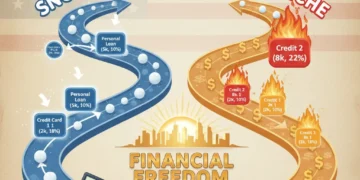
The journey to financial freedom can seem daunting, but breaking it down into manageable steps makes it achievable. Our focus today is on the debt snowball method, a strategy popularized by financial expert Dave Ramsey. Unlike the debt avalanche method, which prioritizes debts with the highest interest rates, the debt snowball method focuses on psychological wins. You pay off your smallest debt first, then roll that payment into the next smallest debt, creating a ‘snowball’ effect that gains momentum as you go. This method provides quick victories, keeping you motivated and engaged in your debt reduction journey.
In this comprehensive guide, we will walk you through the specifics of the debt snowball method, from understanding its core principles to creating a personalized action plan. We’ll explore how to identify your debts, construct a realistic budget, find extra money to accelerate your payments, and maintain momentum over three crucial months. By the end of this article, you’ll have a clear roadmap and the confidence to tackle your debt head-on, aiming for that 15% reduction and beyond.
Understanding the Debt Snowball Method: Why it Works
Before diving into the ‘how,’ let’s solidify our understanding of the ‘why’ behind the debt snowball method. At its core, this strategy is about human psychology. While mathematically, paying off high-interest debts first (the debt avalanche method) saves you more money in the long run, the debt snowball method offers something equally, if not more, valuable for many: motivation.
Imagine having five different debts. The thought of tackling them all at once can be overwhelming. The debt snowball method simplifies this by giving you a clear, achievable first target: your smallest debt. When you pay off that first debt, even if it’s a small one, you experience a powerful sense of accomplishment. This ‘win’ fuels your motivation to continue, making the entire process feel less like a chore and more like a game you’re winning.
Here’s how it typically works:
- List all your debts: Gather all your consumer debts, including credit cards, personal loans, medical bills, and any other non-mortgage debts.
- Order them by smallest balance: This is crucial for the debt snowball. Ignore interest rates for now; focus solely on the total balance.
- Pay minimums on all but the smallest: Make the minimum required payments on all your debts except for the one with the smallest balance.
- Attack the smallest debt: Throw every extra penny you can find at the smallest debt. This means cutting expenses, finding side hustles, or selling unused items.
- Roll the payment: Once the smallest debt is paid off, take the money you were paying on that debt (both the minimum payment and any extra you were applying) and add it to the minimum payment of your next smallest debt. This is where the ‘snowball’ effect truly begins.
This process continues until all your debts are paid off. Each time you eliminate a debt, the amount you’re applying to the next debt grows larger, allowing you to pay it off faster. This accelerating progress is incredibly motivating and helps maintain the discipline needed for long-term debt reduction. For our 3-month goal, the aim is to get a significant snowball rolling, targeting a 15% reduction in your total consumer debt.
Month 1: Laying the Foundation for Debt Reduction
The first month is critical for setting the stage for your debt snowball success. It’s about getting organized, understanding your financial landscape, and making initial sacrifices that will pay off handsomely. Our goal for this month is to identify all your debts, create a realistic budget, and start making those extra payments on your smallest debt.
Step 1: Gather All Your Debt Information
You can’t conquer what you don’t fully understand. Start by listing every single consumer debt you have. This includes:
- Credit cards (store cards, travel cards, general credit cards)
- Personal loans
- Medical bills
- Car loans (if you consider it consumer debt and want to include it)
- Student loans (if they are private and you want to include them, though federal student loans often have different repayment options)
- Any other outstanding balances.
For each debt, record the following:
- Creditor name
- Current balance
- Minimum monthly payment
- Interest rate (though less critical for the snowball, it’s good to know)
- Due date
Once you have this comprehensive list, arrange them from the smallest balance to the largest. This will be your debt snowball order.
Step 2: Create a Realistic and Tight Budget
A budget isn’t about restriction; it’s about control. To free up money for your debt snowball, you need to know exactly where your money is going. This month, create a detailed budget that tracks every dollar. Categorize your expenses into:
- Fixed Expenses: Rent/mortgage, car payments, insurance, subscriptions. These are generally consistent.
- Variable Expenses: Groceries, utilities, gas, entertainment, dining out. These are where you can often find significant savings.
Be brutally honest with yourself. Look for areas where you can cut back, even temporarily. Can you:
- Reduce dining out to once a week or less?
- Cancel unused subscriptions?
- Delay non-essential purchases?
- Switch to a cheaper phone plan or insurance provider?
The goal is to find as much ‘extra’ money as possible to throw at your smallest debt. Even an extra $50 or $100 can make a difference in accelerating your first payment.
Step 3: Find Extra Money (The Fuel for Your Snowball)
Beyond budgeting, actively seek ways to boost your income or reduce expenses further. This could include:
- Selling unused items: Declutter your home and sell clothes, electronics, furniture, or collectibles on platforms like eBay, Facebook Marketplace, or local consignment shops.
- Temporary side hustle: Can you drive for a ride-sharing service, deliver food, freelance, or offer your skills for a few hours a week?
- Cutting discretionary spending: Pause non-essential shopping, limit coffee shop visits, or opt for free entertainment options.
- Re-evaluating bills: Call your internet, cable, and phone providers to see if you can negotiate lower rates or switch to a more affordable plan.
Every dollar you find is a dollar that goes towards accelerating your debt repayment. Commit to putting all this extra money towards your smallest debt.
Step 4: Make Your First Aggressive Payment
With your debts listed and ordered, your budget in place, and extra money identified, it’s time to act. Make the minimum payments on all your debts except the smallest. Then, take all the extra money you’ve freed up from your budget and any additional income, and apply it directly to your smallest debt. This is the official start of your debt snowball method journey. Celebrate this first step, as it’s a huge psychological win!
Month 2: Gaining Momentum and Staying Focused
By month two, you should be feeling a sense of accomplishment from your initial efforts. This month is about maintaining that momentum, refining your strategies, and potentially eliminating your first debt. Our target is to see tangible progress and ensure the snowball is truly rolling.
Step 1: Review and Adjust Your Budget
Your budget isn’t a static document; it’s a living tool. At the start of month two, review your spending from month one. Were there any unexpected expenses? Did you overestimate or underestimate certain categories? Adjust your budget as needed to ensure it’s still realistic and effective. Look for new areas to cut, or if you found more extra income, factor that in.
Remember, consistency is key. Sticking to your budget, even when it feels restrictive, is what will drive your debt reduction efforts forward. The sacrifices you make now are temporary and lead to long-term financial peace.
Step 2: Intensify Your Debt Attack
Continue making minimum payments on all debts except your smallest. For that smallest debt, keep throwing every available dollar at it. This includes the minimum payment amount, any extra money from your budget, and any additional income sources. The goal is to pay off this first debt as quickly as possible.
For many, the first debt is often a small credit card balance or a lingering medical bill. The speed at which you can eliminate this first debt is a powerful motivator. If you haven’t paid off your smallest debt by the end of month one, double down your efforts in month two. If you have, move on to the next smallest debt on your list and apply the combined payment (the old minimum plus the extra you were paying on the first debt) to it.
Step 3: Celebrate Small Wins (and Big Ones!)
Paying off that first debt is a huge milestone! Don’t let it pass unnoticed. Acknowledge your achievement. This doesn’t mean splurging and undoing your hard work, but perhaps a small, free celebration like a walk in the park, a movie night at home, or a congratulatory message to yourself. These celebrations reinforce the positive behavior and keep you motivated for the next challenge.
The emotional boost from eliminating a debt is precisely why the debt snowball method is so effective. It proves to you that you can do it, building confidence for the larger debts ahead.

Month 3: Accelerating the Snowball and Reaching Your 15% Goal
You’ve made it to month three! By now, you should have a firm grasp of your budget, a clear understanding of your debt situation, and likely a debt or two already paid off. This month is about pushing hard to achieve your 15% debt reduction goal and cementing positive financial habits.
Step 1: Continue the Snowball Effect
If you paid off your first debt in month one or two, you’re now applying that entire payment amount (the original minimum plus all extra funds) to your second smallest debt. This is the heart of the debt snowball method. The payments you’re making on your current target debt should be significantly larger than its original minimum payment, allowing you to pay it down much faster.
Keep the pressure on. Resist the urge to relax your budget or reduce your extra payments. The more aggressively you pay now, the sooner you’ll be debt-free. If you haven’t paid off your first debt yet, continue to focus intensely on it. Your 15% goal is within reach, but it requires sustained effort.
Step 2: Track Your Progress and Visualize Success
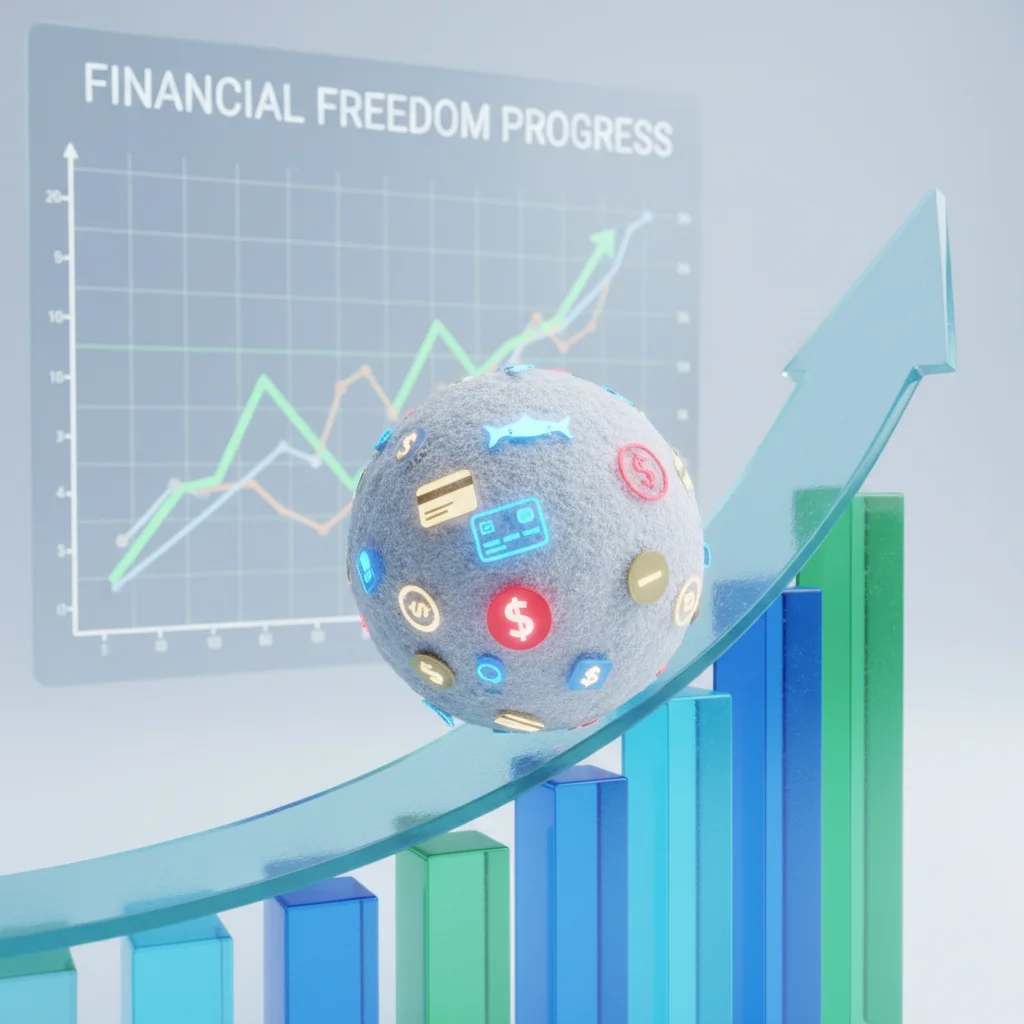
Seeing your progress visually can be incredibly motivating. Create a simple chart or spreadsheet where you can track your total debt balance decreasing over time. As you pay off debts, cross them off your list. This tangible representation of your efforts reinforces your commitment and shows you how far you’ve come.
At the end of month three, calculate your total consumer debt reduction. Compare this to your starting balance to see if you’ve hit or exceeded your 15% goal. Even if you’re slightly shy, celebrate the significant progress you’ve made. The habits you’ve built are invaluable.
Step 3: Prepare for Long-Term Debt Freedom
While the 3-month sprint is a fantastic start, the debt snowball method is designed for long-term success. As you approach the end of your initial three months, begin thinking about how you’ll continue this momentum. Don’t stop once you hit 15%; keep going until all your consumer debts are gone.
Consider:
- Automating payments: Set up automatic payments for your minimums and your snowball payment to ensure consistency.
- Finding new income streams: Can that temporary side hustle become a more permanent way to boost your income?
- Maintaining your frugal habits: Many of the spending cuts you made can become permanent lifestyle changes, freeing up more money for savings and investments once debt is gone.
Overcoming Challenges and Staying Motivated
No financial journey is without its bumps. You might face unexpected expenses, moments of discouragement, or the temptation to revert to old spending habits. Here’s how to navigate these challenges and stay on track with your debt snowball method:
Unexpected Expenses: The Emergency Fund
One of the biggest threats to debt repayment is an unexpected expense. A car repair, a medical bill, or a home emergency can derail your progress if you’re not prepared. This is why financial experts often recommend building a small emergency fund (e.g., $1,000) before aggressively attacking debt. If you haven’t done this, consider pausing your extra debt payments temporarily to build this mini-fund. It acts as a buffer, preventing new debt from forming when life inevitably happens.
Dealing with Discouragement
There will be days when you feel like giving up. The progress might seem slow, or the sacrifices might feel too great. On these days, revisit your ‘why.’ Why are you doing this? Is it for a down payment on a house, to save for retirement, or simply for the peace of mind that comes with being debt-free? Remind yourself of your goals. Look at your progress tracker. Talk to a trusted friend or family member who supports your financial journey.
Remember, the debt snowball method is designed to provide quick wins specifically to combat discouragement. Focus on the next small debt you’re about to eliminate.
Avoiding Lifestyle Creep
As your income potentially increases or you pay off debts, there’s a natural tendency for ‘lifestyle creep’ – where your spending increases along with your income or available funds. Guard against this. Every dollar freed up from paying off a debt should be rolled into the next debt, not absorbed by new spending. This discipline is what makes the snowball grow.
Finding Accountability
Share your goals with someone you trust. Having an accountability partner can make a huge difference. This person can offer encouragement, check in on your progress, and help you stay committed when motivation wanes. You could also join online communities focused on debt reduction for support and ideas.

Beyond 3 Months: Sustaining Your Debt-Free Journey
Achieving a 15% debt reduction in three months using the debt snowball method is an incredible accomplishment. But this is just the beginning. The ultimate goal is to become completely debt-free and build lasting financial security.
Continue the Snowball Until All Debts Are Gone
Do not stop! Keep applying the same principles. Once your current target debt is paid off, roll that payment into the next smallest debt. Watch as the amount you’re paying each month grows exponentially, and your debts disappear one by one. The satisfaction of paying off each debt will continue to fuel your motivation, even as you tackle larger balances.
Build a Fully Funded Emergency Fund
Once your consumer debts are gone, your next priority should be building a robust emergency fund. Aim for 3-6 months’ worth of essential living expenses. This fund provides a critical safety net, protecting you from future financial shocks and ensuring you never have to go back into debt for an unexpected event.
Start Investing and Saving for the Future
With your debts gone and an emergency fund in place, you’ve freed up a significant portion of your income. Now, you can redirect that money towards building wealth. Start investing for retirement, saving for a down payment on a home, or funding your children’s education. The money you were once sending to creditors can now work for you, helping you achieve your long-term financial dreams.
Review Your Financial Habits Regularly
Even after becoming debt-free, it’s wise to regularly review your budget and financial habits. Life changes, and so do financial goals. Continue to track your spending, look for ways to optimize your finances, and educate yourself on personal finance. This ongoing vigilance ensures you maintain your hard-won financial freedom.
Conclusion: Your Path to Financial Empowerment in 2026 and Beyond
The debt snowball method is more than just a payment strategy; it’s a powerful psychological tool that empowers you to take control of your finances. By focusing on quick wins and building momentum, you can transform an overwhelming debt burden into an achievable challenge. Our 3-month plan provides a clear, actionable framework to reduce your consumer debt by 15% in 2026, setting you on a trajectory towards complete financial freedom.
Remember, consistency, discipline, and a positive mindset are your greatest assets. Start today by listing your debts, crafting your budget, and making that first aggressive payment. Celebrate every small victory, learn from any setbacks, and keep your eyes on the prize: a future where you are in control of your money, not the other way around. The journey may require sacrifice, but the destination of financial peace and freedom is well worth the effort. You have the power to change your financial future – start rolling your debt snowball today!