Decoding Deceptive Ads: 3 Red Flags for 2026 Consumers
In an increasingly digital and interconnected world, the landscape of advertising is constantly evolving. While innovative marketing techniques can genuinely inform and delight consumers, they can also be exploited for less scrupulous purposes. As we navigate through 2026, the sophistication of deceptive advertising reaches new heights, making it more challenging than ever for the average consumer to discern truth from fabrication. Understanding the subtle yet significant indicators of misleading campaigns is not just about making smarter purchasing decisions; it’s about protecting your financial well-being, your data privacy, and your trust in the brands you interact with. This comprehensive guide will equip you with the knowledge to identify three critical red flags that signal deceptive advertising in 2026, empowering you to become a more vigilant and informed consumer.
The Evolving Face of Deceptive Advertising in 2026
The digital age has ushered in an era of unprecedented access to information, but it has also created fertile ground for misleading practices. Deceptive advertising in 2026 is no longer limited to overtly false claims in print ads or infomercials. It has become a sophisticated art form, leveraging advanced AI, personalized data, and psychological manipulation to sway consumer behavior. From deepfake testimonials to highly targeted ads based on your most intimate online behaviors, the tactics are more subtle, persuasive, and difficult to detect. The sheer volume of information we encounter daily means that critical evaluation often takes a backseat to convenience and speed. This makes it imperative for consumers to develop a keen eye for the tell-tale signs of deceptive advertising in 2026.
One of the primary drivers behind the rise of sophisticated deceptive advertising is the competitive nature of the global marketplace. Businesses are constantly vying for consumer attention and loyalty, and some may resort to unethical practices to gain an edge. Furthermore, the rapid advancements in technology, such as generative AI, allow for the creation of highly realistic yet entirely fabricated content, making it harder to distinguish authentic endorsements from manufactured ones. This technological leap means that consumers cannot rely solely on their intuition; they need a structured approach to identify and avoid the pitfalls of deceptive advertising.
The regulatory landscape is struggling to keep pace with these technological advancements. While consumer protection agencies are working to update guidelines and enforce regulations, the sheer scale and speed of digital advertising make comprehensive oversight a monumental challenge. This places a greater responsibility on individual consumers to be their own first line of defense. By understanding the common characteristics and emerging trends of deceptive advertising in 2026, you can empower yourself to make more informed decisions and avoid falling victim to predatory marketing schemes.
Why Vigilance Against Deceptive Advertising Matters More Than Ever
Beyond the immediate financial implications of purchasing a subpar or misrepresented product, the broader impact of deceptive advertising is far-reaching. It erodes trust in legitimate businesses, contributes to a culture of skepticism, and can even have serious consequences for health and safety, particularly when products like supplements or medical devices are involved. The long-term effects on consumer confidence can damage entire industries. Therefore, actively learning to spot deceptive advertising in 2026 is not just a personal benefit but a contribution to a healthier and more transparent marketplace for everyone.
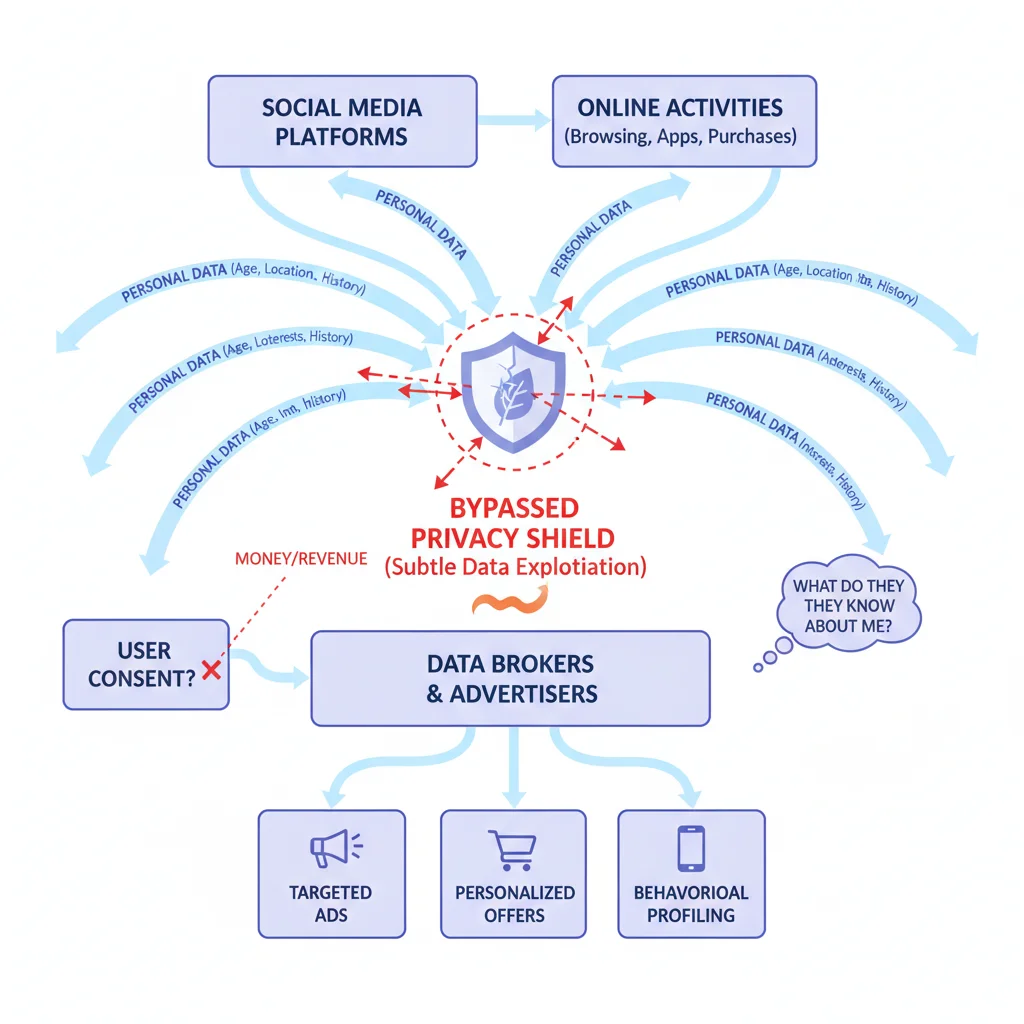
Moreover, the rise of personalized advertising, while often beneficial, also presents new avenues for deception. Algorithms can identify vulnerabilities, preferences, and even insecurities, allowing advertisers to craft messages that are exceptionally persuasive, even if they are not entirely truthful. This hyper-personalization means that what might be a red flag for one consumer could be subtly tailored to bypass another’s critical judgment. Consequently, a general understanding of deceptive practices is no longer sufficient; consumers need to be aware of how these tactics are being adapted to individual profiles and online behaviors. This makes the task of identifying deceptive advertising in 2026 a continuous learning process.
Red Flag #1: Unrealistic Promises and Guaranteed Results
The first and perhaps most classic red flag of deceptive advertising, which remains highly prevalent in 2026, is the prevalence of unrealistic promises and guarantees of extraordinary results. Whether it’s a weight-loss pill promising a ‘miraculous transformation in days’ or an investment scheme guaranteeing ‘returns of 500% with zero risk,’ these claims should immediately trigger skepticism. Legitimate products and services typically offer realistic outcomes, often accompanied by disclaimers about individual results varying. When an advertisement bypasses these nuances and presents an overly optimistic, almost too-good-to-be-true scenario, it’s a strong indicator that something is amiss.
Consider the psychological appeal of such promises. In a world where people seek quick solutions to complex problems, advertisers often capitalize on these desires. They understand that the allure of instant gratification or effortless success can override rational judgment. Therefore, when you encounter an ad for a product or service that seems to solve a significant problem with minimal effort or risk, take a step back. Ask yourself: Is this truly plausible? Are there any logical reasons why this product or service would deliver such exceptional results where others have failed?
Exaggerated Claims and Scientific Jargon
A common tactic within this category of deceptive advertising is the use of exaggerated claims, often bolstered by pseudo-scientific jargon or vague statistics. Advertisers might use phrases like ‘clinically proven’ or ‘doctor recommended’ without providing any verifiable sources or context. They might present impressive-sounding percentages or graphs that lack proper labeling or comparison points, making them appear more significant than they are. The goal is to create an illusion of scientific credibility without actually offering any concrete evidence.
For example, an advertisement for a skincare product might claim to ‘reduce wrinkles by up to 90%’ without specifying the conditions under which this was achieved, the duration of use, or the control group. Similarly, a financial product might boast ‘unprecedented gains’ without detailing the inherent risks or the volatility of the market. When you see such claims, always look for the fine print, the source of the study, and independent reviews. If these are absent or difficult to find, it’s a significant red flag pointing towards deceptive advertising.

Fake Testimonials and Influencer Misrepresentation
Another facet of unrealistic promises involves manufactured social proof. In 2026, this often manifests as fake testimonials, AI-generated reviews, or influencers who promote products they haven’t genuinely used or believe in. While authentic testimonials can be valuable, deceptive advertisers create an army of fictitious satisfied customers to bolster their claims. These might appear as glowing reviews with generic photos, or even deepfake videos of seemingly real people endorsing the product.
When evaluating testimonials, look for specificity and genuine emotion. Generic phrases like ‘This product changed my life!’ without any details about how or why should raise suspicion. Cross-reference influencer claims with their other content; do they consistently promote a wide range of unrelated products without any clear passion or expertise? Are their results too perfect or too sudden? The rise of AI tools makes it increasingly easy to generate convincing, yet entirely fabricated, endorsements. Therefore, critical evaluation of the source and authenticity of testimonials is a crucial skill in identifying deceptive advertising in 2026.
Red Flag #2: Lack of Transparency and Hidden Information
The second major red flag for deceptive advertising in 2026 is a pervasive lack of transparency, often characterized by hidden information, obscure terms and conditions, or deliberately vague language. Legitimate businesses pride themselves on clear communication and readily available information. Deceptive advertisers, however, thrive in ambiguity, hoping consumers will overlook crucial details that reveal the true nature of their offer.
This red flag manifests in several ways, from pricing structures that are intentionally confusing to terms of service that are buried deep within complex legal documents. The goal is to prevent consumers from making fully informed decisions by obscuring the full cost, the true commitment required, or the potential downsides of a product or service. This deliberate obfuscation is a hallmark of deceptive advertising and a clear signal to proceed with extreme caution.
Obscure Pricing and Subscription Traps
One of the most common forms of hidden information relates to pricing. Deceptive ads often feature an attractive headline price, only for consumers to discover a myriad of hidden fees, mandatory add-ons, or exorbitant shipping costs during the checkout process. This bait-and-switch tactic is designed to hook customers with an appealing initial offer and then gradually reveal the true cost once they are emotionally invested in the purchase.
Subscription traps are another insidious form of this red flag. An advertisement might offer a ‘free trial’ or a product at a significantly discounted rate, only to automatically enroll you in a recurring subscription with difficult-to-cancel terms. The details of these subscriptions are often hidden in tiny font, linked to obscure pages, or presented in a confusing manner. Always scrutinize the total cost, the cancellation policy, and the duration of any commitment before clicking ‘purchase’ or ‘subscribe.’ If these details are not immediately clear and easy to understand, it’s a strong indicator of deceptive advertising in 2026.
Vague Disclaimers and Omission of Crucial Details
Another characteristic of a lack of transparency is the use of vague disclaimers or the outright omission of crucial details that would significantly impact a consumer’s decision. For instance, an investment advertisement might highlight potential gains without adequately disclosing the risks involved. A health product might promote benefits without mentioning potential side effects or contraindications. These omissions are not accidental; they are deliberate attempts to paint an incomplete and overly positive picture.
Pay close attention to what an advertisement doesn’t say, as much as what it does. Are there significant details about product limitations, expiration dates, or compatibility issues that are conspicuously absent? Is the language used overly general, avoiding specific facts or figures? For example, an ad might claim a product is ‘eco-friendly’ without providing any certification or detailing what makes it so. This kind of vague, unsubstantiated claim is a key indicator of deceptive advertising in 2026, designed to appeal to consumer values without offering genuine substance.
Red Flag #3: High-Pressure Tactics and Urgency Scams
The third significant red flag for deceptive advertising in 2026 involves the use of high-pressure sales tactics and manufactured urgency. While some legitimate sales and promotions do have time limits, deceptive advertisers weaponize urgency to bypass rational decision-making and push consumers into impulsive purchases. These tactics are designed to create a sense of panic or fear of missing out (FOMO), leaving little room for critical evaluation.
This red flag is particularly prevalent in online advertising, where countdown timers, limited stock notifications, and ‘last chance’ messages are commonplace. While some of these might be genuine, many are entirely fabricated to create artificial scarcity and pressure consumers into buying something they might not need or want, often at an inflated price or under unfavorable terms. Recognizing these manipulative tactics is crucial for avoiding deceptive advertising in 2026.
Artificial Scarcity and Limited-Time Offers
One of the most common high-pressure tactics is the creation of artificial scarcity. Advertisements will claim ‘only 3 left in stock!’ or ‘offer ends in 2 hours!’ even when there is an abundant supply or no real deadline. The goal is to trigger an immediate purchase response by making consumers believe they will miss out on a unique opportunity if they hesitate. This is especially effective when combined with an attractive discount or an exclusive bonus.
To counter this, always question the legitimacy of such claims. Can you find the product elsewhere at a similar price without the pressure? Does the countdown timer reset every time you visit the page? Are the ‘limited edition’ items continually restocked? If these urgency signals feel pervasive and appear across different platforms for the same product, it’s a strong indication of deceptive advertising. Take a moment to research, compare, and consider whether the urgency is genuine or a psychological trick.
Emotional Manipulation and Fear of Missing Out (FOMO)
Deceptive advertising in 2026 often taps into emotional triggers, particularly the fear of missing out (FOMO). Ads might suggest that by not purchasing a particular product or service, you will be left behind, socially isolated, or financially disadvantaged. This can be seen in advertisements for exclusive memberships, ‘secret’ investment opportunities, or trendy products that promise to elevate your status or experience.
Another form of emotional manipulation involves playing on insecurities. Ads for beauty products might highlight perceived flaws, while financial products might prey on anxieties about retirement or economic instability. The solution offered by the advertisement is then presented as the only way to alleviate these fears. When an ad makes you feel anxious, inadequate, or pressured to act immediately based on emotional appeals rather than logical benefits, it’s a significant red flag. Always prioritize rational decision-making over impulsive reactions driven by manufactured urgency and emotional manipulation.
Tools and Strategies for Consumers in 2026
Beyond recognizing these red flags, consumers in 2026 have access to various tools and strategies to protect themselves from deceptive advertising. Leveraging technology and critical thinking can significantly enhance your ability to make informed decisions and avoid scams.
Utilize Fact-Checking Websites and Consumer Reviews
Before making a significant purchase or committing to a service, make it a habit to consult independent fact-checking websites and reputable consumer review platforms. Look for reviews that offer detailed insights, both positive and negative, rather than generic praise. Be wary of review sections that appear overly curated or where all reviews sound suspiciously similar. Cross-referencing information from multiple, unbiased sources can help you verify claims and identify inconsistencies that might point to deceptive advertising.
Furthermore, specialized websites and forums dedicated to exposing scams and deceptive practices can be invaluable resources. These communities often share real-world experiences and provide early warnings about emerging trends in deceptive advertising. Engaging with these resources can provide a collective intelligence that individual consumers might lack.
Employ Ad Blockers and Privacy Tools
While not a direct solution for identifying deceptive content, using robust ad blockers and privacy-enhancing browser extensions can significantly reduce your exposure to potentially misleading advertisements. These tools can limit the tracking of your online behavior, which in turn can reduce the effectiveness of highly personalized and potentially manipulative ads. By minimizing the influx of targeted advertising, you create a cleaner digital environment where it’s easier to critically evaluate the ads you do encounter.
Additionally, regularly reviewing and adjusting your privacy settings on social media platforms and other online services can limit the data available to advertisers. This proactive approach to data privacy is a crucial step in reducing your vulnerability to the sophisticated, data-driven deceptive advertising tactics prevalent in 2026.
Report Suspicious Ads and Educate Others
If you encounter an advertisement that you suspect is deceptive, don’t just ignore it. Most online platforms and social media sites have mechanisms for reporting ads that violate their policies. By taking a few moments to report suspicious content, you contribute to a safer online environment for everyone. Your actions can help platforms identify and remove deceptive advertisers, preventing others from falling victim.
Beyond reporting, consider sharing your knowledge with friends, family, and your online community. Education is one of the most powerful tools against deceptive advertising. By discussing the red flags and sharing strategies for identification, you empower others to become more vigilant consumers. Collective awareness and a proactive stance are essential in combating the ever-evolving challenge of deceptive advertising in 2026.
Conclusion: Empowering Yourself Against Deceptive Advertising in 2026
The digital advertising landscape of 2026 is a complex ecosystem, brimming with innovation but also shadowed by the persistent threat of deceptive practices. As consumers, our ability to navigate this environment safely hinges on our capacity for critical thinking and our awareness of the tell-tale signs of manipulation. By diligently looking for the three red flags – unrealistic promises and guaranteed results, a pervasive lack of transparency and hidden information, and the use of high-pressure tactics and urgency scams – you equip yourself with a powerful defense mechanism.
Remember, the goal of deceptive advertising is to bypass your rational judgment and trigger an impulsive, often regrettable, decision. By pausing, questioning, and researching, you reclaim control over your purchasing choices. The responsibility to identify and avoid deceptive advertising in 2026 ultimately rests with each individual, but by sharing knowledge and utilizing available tools, we can collectively build a more informed and resilient consumer base. Stay vigilant, stay informed, and protect yourself from the subtle art of digital deception.