
The 2026 Budget Blueprint: 5 Steps to Cut 15% of Your Monthly Spending Immediately (PRACTICAL SOLUTIONS)
In an ever-evolving economic landscape, taking control of your finances is more crucial than ever. The year 2026 presents both challenges and opportunities, making it the perfect time to re-evaluate your spending habits and implement a robust budget blueprint. This article will guide you through 5 practical steps designed to help you immediately cut 15% of your monthly spending, paving the way for greater financial stability and peace of mind. Our focus is on actionable strategies that deliver tangible results, helping you to truly cut monthly spending effectively.
Many individuals and households find themselves caught in a cycle of living paycheck to paycheck, often unaware of where their money truly goes. The first step towards financial freedom is awareness, followed by decisive action. By adopting the strategies outlined in this 2026 Budget Blueprint, you’ll not only identify areas for significant savings but also cultivate healthier financial habits that will serve you well into the future. Let’s dive into how you can effectively cut monthly spending and reclaim your financial power.
Understanding Your Current Financial Landscape: The Foundation of Cutting Spending
Before you can effectively cut monthly spending, you need a clear picture of your current financial situation. This involves understanding your income, your fixed expenses, and your variable expenses. Without this foundational knowledge, any attempt to reduce spending will be akin to shooting in the dark. The 2026 Budget Blueprint begins with a thorough assessment, ensuring you have the data needed to make informed decisions.
Step 1: Track Every Penny for 30 Days
This might sound tedious, but it’s arguably the most critical step. For an entire month, meticulously record every single dollar you spend. This includes everything from your morning coffee to your monthly rent payment. Use a spreadsheet, a budgeting app, or even a simple notebook – whatever works best for you. The goal here is not to judge your spending, but simply to observe and gather data. Many people are genuinely surprised when they see where their money is actually going. This exercise often reveals ‘money leaks’ – small, seemingly insignificant expenses that add up to substantial amounts over time. Identifying these leaks is the first crucial step to genuinely cut monthly spending.
For example, you might discover you spend an average of $150 a month on impulse purchases that bring little lasting value. Or perhaps your dining out budget is far higher than you imagined. This tracking period provides an undeniable truth about your financial habits, giving you the power to make targeted adjustments. Without this granular understanding, any attempt to cut monthly spending will be based on assumptions, which can be misleading and ineffective.
Strategic Expense Reduction: Identifying Areas to Cut
Once you have a clear understanding of your spending patterns, the next phase of the 2026 Budget Blueprint focuses on strategic expense reduction. This isn’t about deprivation, but about optimization – ensuring your money is aligned with your values and priorities. Our goal is to find at least 15% to cut monthly spending without sacrificing your quality of life unnecessarily.
Step 2: Categorize and Analyze Your Spending
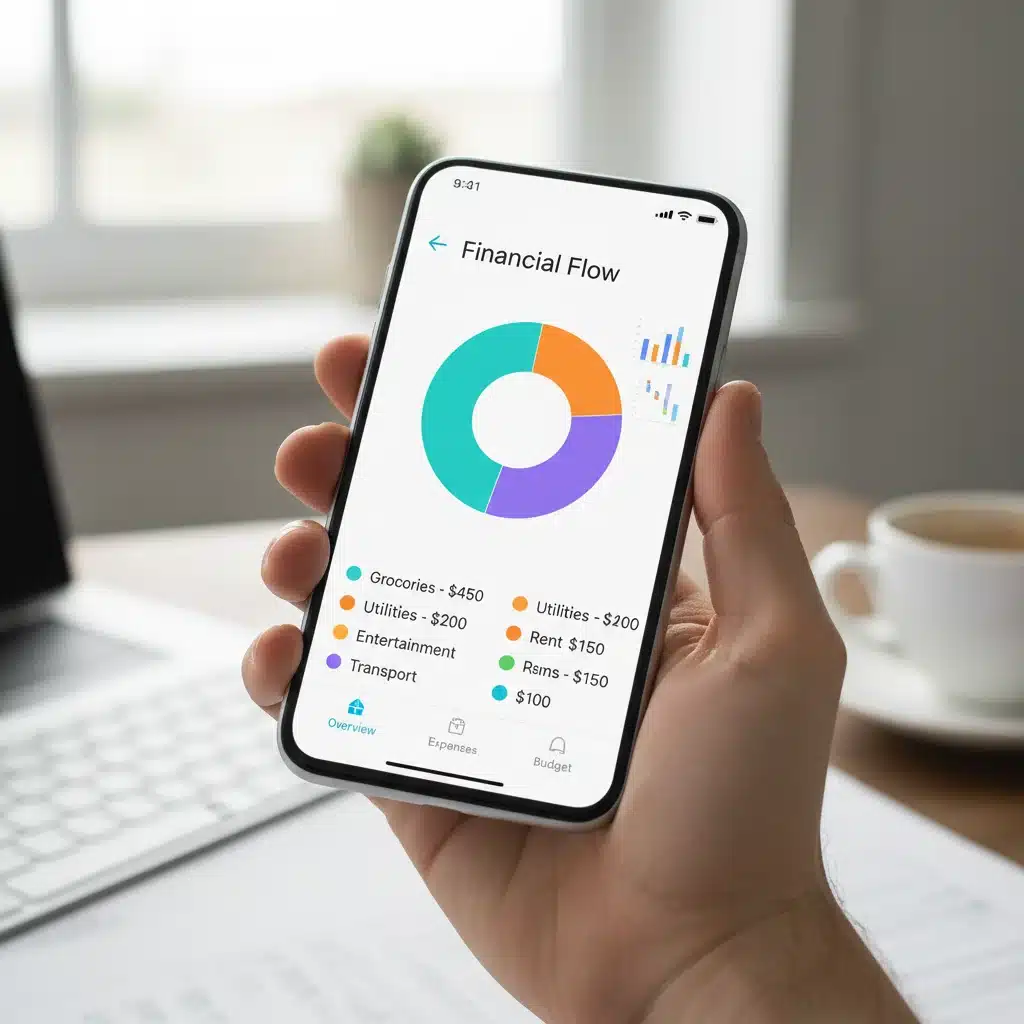
After your 30-day tracking period, categorize all your expenses. Common categories include housing, transportation, food (groceries vs. dining out), entertainment, utilities, subscriptions, personal care, and debt payments. Once categorized, analyze each category for potential reductions. Ask yourself the following questions for each expense:
- Is this expense absolutely necessary?
- Can I get a better deal for this service or product?
- Is there a cheaper alternative?
- Am I using this service/product to its full potential?
- Does this expense align with my financial goals?
For instance, if you find your ‘Subscriptions’ category is exorbitant, you might identify streaming services you rarely watch or gym memberships you don’t use. These are prime targets to cut monthly spending. Similarly, if your ‘Dining Out’ budget is high, consider meal prepping or cooking at home more often. Even small adjustments in multiple categories can quickly add up to the 15% target.
Consider the ‘fixed vs. variable’ expense dynamic. Fixed expenses, like rent or mortgage, are harder to change in the short term, but not impossible (e.g., refinancing, downsizing). Variable expenses, like groceries, entertainment, and discretionary spending, offer the most immediate opportunities to cut monthly spending. Focus your initial efforts here for quick wins.
Optimizing Recurring Costs: Smart Negotiations and Alternatives
Many of our recurring costs are often overlooked because they feel ‘fixed.’ However, with a bit of effort and strategic thinking, there are significant opportunities to cut monthly spending in these areas. The 2026 Budget Blueprint encourages you to be proactive in challenging the status quo of your regular bills.
Step 3: Negotiate and Shop Around for Better Deals
Don’t assume your current rates for services like internet, cable, phone, and insurance are the best you can get. Competition among providers is fierce, and many are willing to offer discounts to retain customers or attract new ones. Make a list of all your recurring bills and dedicate some time to calling each provider. Be polite but firm, explaining that you’re reviewing your budget and looking for ways to cut monthly spending. Ask if there are any promotional offers, loyalty discounts, or bundles you could switch to.
For example, if your internet bill is $80/month, a quick call might reveal a new customer offer for $60/month. Mentioning this to your current provider could get you a matching offer or a better deal. The same applies to car and home insurance – obtain quotes from at least three different companies annually. You’d be surprised how much you can save simply by being a savvy consumer. Even small savings on multiple bills can significantly help you to cut monthly spending by 15% or more.
Another area to consider is utility bills. While you can’t always negotiate rates, you can implement energy-saving practices at home. Simple actions like unplugging unused electronics, using energy-efficient light bulbs, adjusting your thermostat, and sealing drafts can lead to noticeable reductions in your electricity and heating bills. These small changes contribute directly to your goal to cut monthly spending.
Mindful Consumption and Lifestyle Adjustments: Long-Term Savings
Achieving significant and sustainable reductions in spending often requires a shift in mindset and some lifestyle adjustments. This isn’t about deprivation, but about making conscious choices that align with your financial goals and values. The 2026 Budget Blueprint emphasizes mindful consumption as a powerful tool to cut monthly spending over the long term.
Step 4: Implement a ‘No-Spend’ Challenge or Frugal Alternatives
A ‘no-spend’ challenge can be incredibly effective for quickly identifying discretionary spending and breaking bad habits. Try a ‘no-spend weekend’ where you don’t spend any money on non-essentials, or even a ‘no-spend week’ if you’re feeling ambitious. This forces you to get creative with your resources and often highlights how much money is spent on convenience or impulse. After the challenge, you can evaluate which spending habits you want to reintroduce and which ones you’re happy to let go of permanently, helping you to cut monthly spending consistently.
Beyond challenges, adopt frugal alternatives for common expenses. Instead of buying lunch out every day, pack your own. Instead of going to the movies, have a movie night at home. Cancel unused subscriptions and make use of free entertainment options like libraries, parks, and free community events. These small shifts in lifestyle can lead to substantial savings over time and are excellent ways to cut monthly spending without feeling deprived.
Consider the ‘latte factor’ – the idea that small, daily expenses add up significantly. While it’s fine to enjoy a coffee, critically assess how many small, discretionary purchases you make daily or weekly. Could you make coffee at home a few days a week? Could you bring your own water bottle instead of buying bottled water? These seemingly minor adjustments, when made consistently, become powerful levers to cut monthly spending and achieve your 15% target.
Automating Savings and Reviewing Progress: Sustaining Your Efforts
The final step in the 2026 Budget Blueprint focuses on making your savings automatic and regularly reviewing your progress. This ensures that the efforts you’ve made to cut monthly spending are sustainable and continue to yield results, transforming temporary changes into lasting financial habits.
Step 5: Automate Your Savings and Review Your Budget Regularly
Once you’ve identified areas to cut monthly spending and implemented changes, make saving automatic. Set up an automatic transfer from your checking account to a savings account shortly after you get paid. Even if it’s a small amount initially, consistency is key. This ‘pay yourself first‘ strategy ensures that your savings are prioritized and not left to chance after all other expenses are paid. As you successfully cut more expenses, increase this automated savings transfer.
Furthermore, your budget isn’t a one-time creation; it’s a living document. Life changes, income fluctuates, and expenses evolve. Commit to reviewing your budget at least once a month, or quarterly at a minimum. This allows you to track your progress, identify any new areas where you can cut monthly spending, and adjust your plan as needed. Are you still hitting your 15% reduction goal? Have new ‘money leaks’ appeared? Regular review keeps you accountable and agile.
Use this review period to celebrate your successes and learn from any setbacks. Financial planning is a journey, not a destination. Each review is an opportunity to refine your strategies, reinforce positive habits, and ensure you remain on track to achieve your long-term financial goals. This continuous monitoring is vital for anyone serious about how to cut monthly spending effectively over time.

Beyond the 5 Steps: Cultivating a Frugal Mindset for Lasting Change
While the 5 steps of the 2026 Budget Blueprint provide a clear path to immediately cut monthly spending by 15%, true financial transformation often comes from cultivating a more frugal and intentional mindset. This isn’t about being cheap, but about being resourceful, valuing experiences over possessions, and making conscious choices about where your money goes.
Embrace Delayed Gratification
One of the biggest challenges to cutting spending is the desire for instant gratification. Learning to delay purchases and save for larger goals can be incredibly empowering. Before making a significant purchase, implement a ’30-day rule’ – wait 30 days before buying it. Often, the desire passes, or you find a better alternative, helping you to naturally cut monthly spending on impulse buys.
Prioritize Experiences Over Things
Many people find greater satisfaction in experiences rather than accumulating material possessions. Re-evaluate your spending to see if you can shift funds from buying ‘things’ to creating lasting memories. This might mean fewer new gadgets but more meaningful trips or activities, ultimately helping you to cut monthly spending on items that offer diminishing returns.
Educate Yourself Continuously
The world of personal finance is vast and ever-changing. Continuously educate yourself on new budgeting techniques, investment strategies, and ways to save money. Read books, listen to podcasts, and follow reputable financial blogs. The more knowledgeable you are, the better equipped you’ll be to make smart financial decisions and consistently cut monthly spending.
Surround Yourself with Supportive Influences
Your environment and the people you associate with can significantly impact your financial habits. If your friends constantly encourage expensive outings or purchases, it can be challenging to stick to your budget. Seek out communities or individuals who share your financial goals and can offer support and accountability. This positive peer pressure can be a powerful motivator to help you cut monthly spending and stay on track.
Understand the ‘Why’ Behind Your Goals
Why do you want to cut monthly spending? Is it to pay off debt, save for a down payment, build an emergency fund, or retire early? Clearly defining your ‘why’ provides a powerful intrinsic motivation. When faced with a spending temptation, reminding yourself of your larger financial goals can help you make the more disciplined choice, reinforcing your efforts to reduce expenses.
Common Pitfalls to Avoid When Trying to Cut Monthly Spending
Even with the best intentions, people often encounter obstacles when trying to cut monthly spending. Being aware of these common pitfalls can help you navigate them more effectively.
Being Too Restrictive
Trying to cut too much too fast can lead to burnout and ultimately, failure. A budget that’s too restrictive is unsustainable. It’s better to make gradual, consistent cuts that you can stick with rather than attempting drastic changes that leave you feeling deprived. Remember, the goal is to cut monthly spending by 15%, not eliminate all joy from your life.
Ignoring Small Expenses
As mentioned earlier, the ‘money leaks’ can be insidious. Many people focus only on big expenses and overlook the cumulative impact of small, daily purchases. These add up rapidly and can derail your efforts to cut monthly spending. Pay attention to every dollar.
Not Having an Emergency Fund
Without an emergency fund, unexpected expenses can quickly throw your budget off track and force you into debt. Prioritize building an emergency fund of 3-6 months’ worth of living expenses. This safety net allows you to handle unforeseen costs without having to dip into savings or accrue new debt, making your efforts to cut monthly spending more resilient.
Comparing Yourself to Others
Social media often presents an unrealistic view of others’ financial lives. Comparing your spending or lifestyle to others can lead to feelings of inadequacy and pressure to spend more. Focus on your own financial journey and goals. Your path to cut monthly spending is unique to you.
Lack of Accountability
It’s easy to stray from a budget when there’s no accountability. Share your financial goals with a trusted friend, family member, or partner. Consider using budgeting apps that provide insights and reminders. Having someone (or something) to hold you accountable can significantly increase your chances of successfully continuing to cut monthly spending.
Conclusion: Your Path to Financial Empowerment in 2026
The 2026 Budget Blueprint offers a clear, actionable path to immediately cut monthly spending by 15%. By committing to these 5 practical steps – tracking every penny, categorizing and analyzing expenses, negotiating better deals, embracing frugal alternatives, and automating savings – you are taking powerful control of your financial future. Remember, this isn’t just about saving money; it’s about gaining clarity, reducing stress, and building a foundation for long-term financial freedom.
Start today. Implement these strategies, stay consistent, and adapt as needed. The power to transform your financial life and effectively cut monthly spending is within your reach. The year 2026 can be the year you achieve unprecedented financial control and peace of mind. Your future self will thank you for taking these crucial steps now.