Consumer Rights Alert: New Federal Protections Against Predatory Lending Practices Effective January 2026, Safeguarding Your Finances by Up to 20%

Consumer Rights Alert: New Federal Protections Against Predatory Lending Practices Effective January 2026, Safeguarding Your Finances by Up to 20%
In a landmark move designed to fortify the financial well-being of millions, new federal protections against predatory lending are slated to become effective in January 2026. This comprehensive legislative overhaul promises to be a game-changer for consumers, offering robust safeguards against exploitative loan practices and potentially saving individuals and families up to 20% on various financial products. Understanding these forthcoming changes is paramount for anyone navigating the complex world of personal finance. This alert serves as your essential guide to these critical updates, shedding light on what predatory lending entails, the specifics of the new regulations, and how you can leverage them to protect your hard-earned money.
Understanding Predatory Lending: A Persistent Threat
Before delving into the new protections, it’s crucial to grasp the nature of predatory lending. Predatory lending refers to any lending practice that imposes unfair, deceptive, or abusive loan terms on borrowers. These practices often target vulnerable individuals, including those with limited financial literacy, low incomes, or urgent cash needs, trapping them in cycles of debt that are incredibly difficult to escape. Historically, predatory lenders have thrived in regulatory loopholes, exploiting desperate situations for exorbitant profits.
Common Characteristics of Predatory Lending:
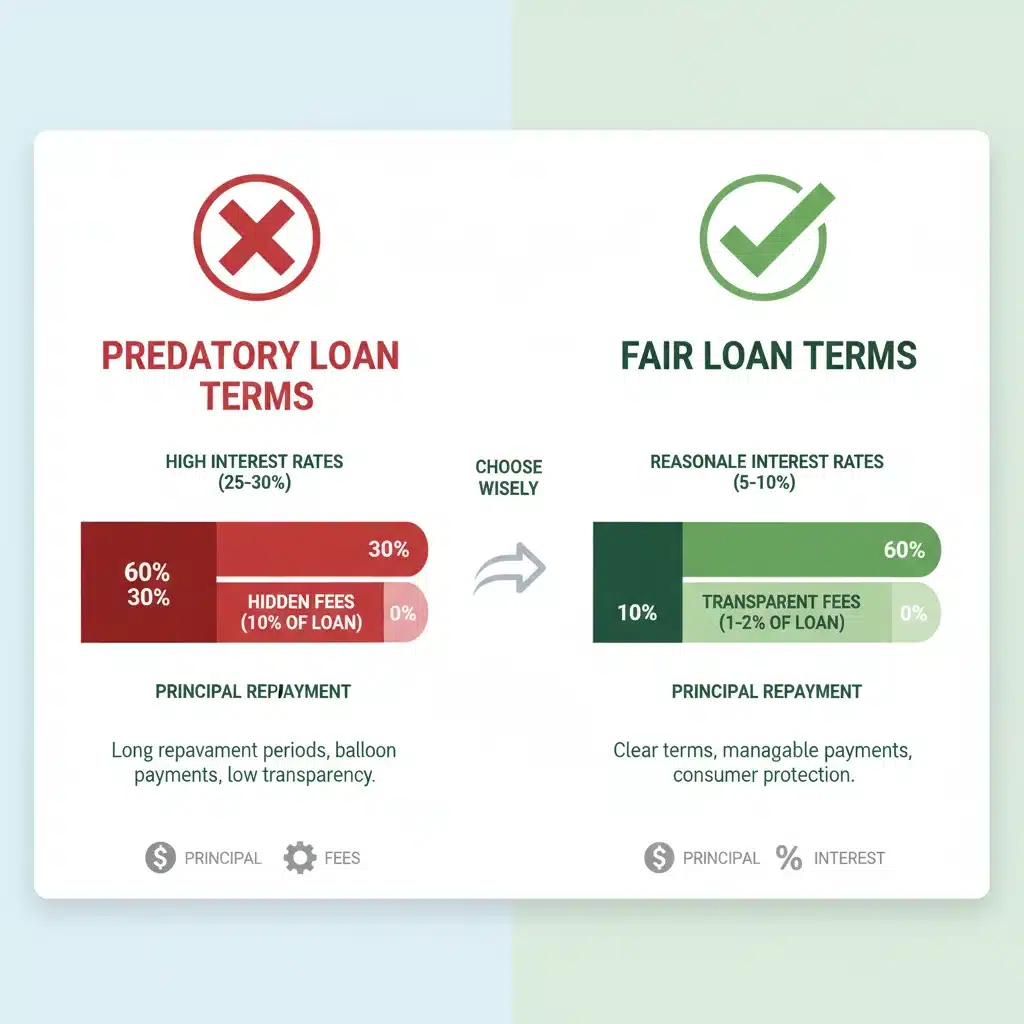
- Excessively High Interest Rates: Annual Percentage Rates (APRs) that far exceed market averages, making repayment nearly impossible.
- Hidden Fees and Charges: Unexplained or undisclosed fees that inflate the total cost of the loan, often buried in complex legal jargon.
- Aggressive Sales Tactics: Pressure to sign loan agreements without sufficient time for review or understanding.
- Loan Flipping: Encouraging borrowers to repeatedly refinance loans, often incurring new fees with each transaction, without providing any real financial benefit.
- Balloon Payments: Small monthly payments followed by a large, unmanageable lump sum payment at the end of the loan term.
- Prepayment Penalties: Fees charged for paying off a loan early, discouraging responsible financial behavior.
- Asset Stripping: Loans designed to strip borrowers of their home equity or other assets, often through deceptive practices.
- Lack of Transparency: Failure to clearly explain loan terms, conditions, and the true cost of borrowing.
- No Consideration of Ability to Repay: Granting loans without properly assessing the borrower’s capacity to repay, leading to default.
The impact of predatory lending extends far beyond individual financial distress. It destabilizes communities, exacerbates wealth inequality, and undermines trust in the financial system. For too long, the lack of comprehensive federal oversight has allowed these practices to persist, making the upcoming predatory lending protections a much-needed intervention.
The Genesis of New Federal Protections: A Response to Consumer Demand
The journey towards these new federal protections has been long and arduous, driven by countless consumer advocacy groups, financial literacy organizations, and concerned policymakers. Years of lobbying, research, and anecdotal evidence highlighting the devastating effects of predatory lending have culminated in this significant legislative achievement. The primary goal is to create a more equitable and transparent lending landscape, ensuring that all consumers, regardless of their financial background, are treated fairly and have access to responsible credit.
These regulations are not merely a reaction to past abuses but a proactive step towards building a more resilient financial future for American households. They recognize that a robust economy is built on fair practices and consumer confidence, not on the exploitation of vulnerability. The new framework aims to standardize lending practices, increase transparency, and empower consumers with the knowledge and legal recourse necessary to avoid falling victim to predatory schemes. It’s a testament to the power of collective action and the unwavering commitment to consumer well-being.
Key Provisions of the New Federal Predatory Lending Protections
Effective January 2026, the new federal regulations introduce several critical provisions designed to curb predatory lending practices. These measures are multifaceted, addressing various aspects of the loan process from application to repayment. Understanding these specific changes is vital for both consumers and legitimate lenders.
1. Enhanced Ability-to-Repay Standards:
One of the most significant changes is the implementation of stricter ability-to-repay standards. Lenders will be required to conduct a more thorough assessment of a borrower’s financial capacity to repay a loan before extending credit. This includes verifying income, employment, and existing debt obligations. The aim is to prevent lenders from issuing loans that borrowers are unlikely to afford, thereby reducing default rates and preventing individuals from sinking deeper into debt. This moves away from the ‘lend-to-fail’ model often associated with predatory practices.
2. Caps on Interest Rates and Fees:
While a universal federal interest rate cap remains a contentious issue, the new regulations introduce more stringent limits on certain types of high-cost loans and associated fees. These caps are designed to prevent lenders from charging exorbitant rates that make repayment virtually impossible. The specifics of these caps will vary depending on the loan product, but the overarching principle is to ensure that the cost of borrowing is reasonable and proportionate to the principal amount. This provision is expected to directly impact the profitability of predatory lenders and significantly reduce the financial burden on borrowers, potentially leading to the promised savings of up to 20%.
3. Increased Transparency and Disclosure Requirements:
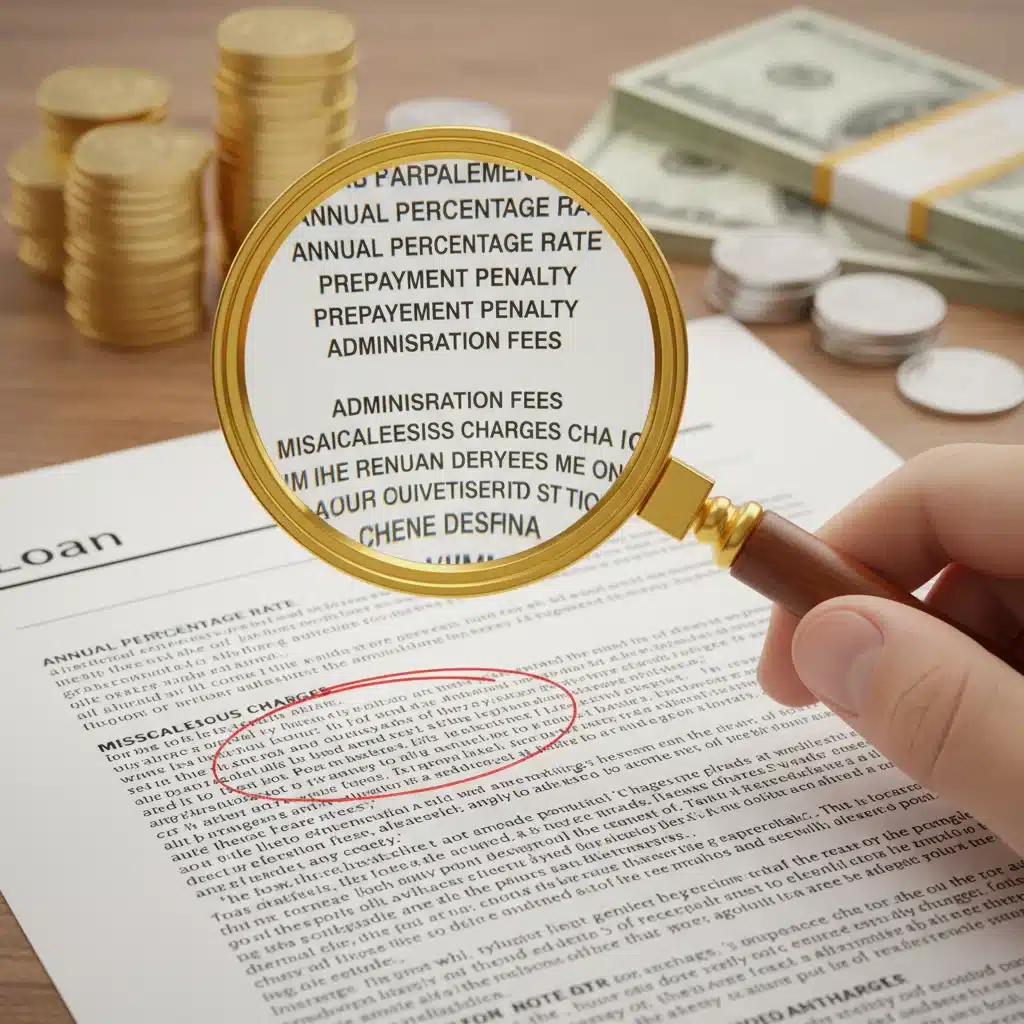
Transparency is a cornerstone of fair lending. The new rules mandate clearer, more concise, and standardized disclosure requirements for all loan products. Lenders will be required to present loan terms, including interest rates, fees, and total cost of credit, in an easily understandable format. This includes plain language explanations of complex financial jargon and prominent display of key information. The goal is to eliminate hidden fees and ensure that borrowers fully comprehend the terms of their agreement before signing. This empowers consumers to make informed decisions and compare loan offers more effectively.
4. Restrictions on Loan Flipping and Refinancing:
To combat the practice of ‘loan flipping,’ where borrowers are encouraged to repeatedly refinance loans to generate new fees, the new regulations introduce stricter rules. Lenders will face limitations on how frequently they can refinance certain loans, especially if the refinancing does not offer a clear financial benefit to the borrower. This measure is designed to protect consumers from being trapped in a cycle of debt where the lender benefits more from repeated transactions than the borrower does from reduced payments or interest.
5. Prohibition of Abusive Collection Practices:
The new protections also extend to the post-lending phase, specifically addressing abusive debt collection practices. While specific details are still being finalized, the intent is to prevent harassment, intimidation, and deceptive tactics often employed by some debt collectors. This ensures that even if a borrower faces difficulties in repayment, they are treated with dignity and respect, and their rights are protected throughout the collection process.
6. Enhanced Enforcement and Penalties:
To ensure compliance, the new framework includes provisions for enhanced enforcement mechanisms and steeper penalties for lenders who violate these regulations. Regulatory bodies will have greater authority to investigate and prosecute predatory practices, imposing significant fines and other sanctions. This serves as a strong deterrent for unscrupulous lenders and provides a more robust avenue for consumer redress.
How These Protections Can Safeguard Your Finances and Save You Money
The implementation of these new predatory lending protections is expected to have a tangible and positive impact on consumers’ financial health. The potential savings of up to 20% mentioned earlier are not an exaggeration but a realistic outcome of a fairer lending environment.
Direct Financial Benefits:
- Lower Interest Costs: With caps on rates and fees, borrowers will pay significantly less in interest over the life of a loan. This directly translates into more disposable income and reduced financial stress.
- Reduced Hidden Fees: Increased transparency will minimize or eliminate the prevalence of undisclosed fees, ensuring that the advertised cost of a loan is the actual cost.
- Avoidance of Debt Traps: Stricter ability-to-repay rules will prevent consumers from taking on loans they cannot afford, thereby avoiding the spiral of debt that predatory lending often creates.
- Empowered Decision-Making: Clearer disclosures will enable consumers to compare loan products more effectively, choosing options that best suit their financial situation and avoiding costly mistakes.
- Protection of Assets: Measures against asset stripping will safeguard homeowners and other asset holders from losing their valuable possessions due to predatory loan terms.
Beyond the direct financial savings, these protections foster a greater sense of security and confidence in the financial marketplace. Consumers can approach borrowing with more assurance, knowing that a strong federal framework is in place to protect their interests.
What Consumers Should Do Now to Prepare
While the full implementation of these predatory lending protections is still a few years away, proactive steps can be taken now to maximize their benefits and further protect yourself:
- Stay Informed: Continue to follow updates on these regulations. Knowledge is your best defense against exploitation.
- Improve Financial Literacy: Educate yourself about different types of loans, interest rates, and financial terms. Resources are available through government agencies, non-profit organizations, and educational institutions.
- Check Your Credit Report Regularly: Regularly review your credit report for errors or suspicious activity. A good credit score can open doors to more favorable loan terms.
- Shop Around for Loans: Never take the first loan offer you receive. Compare offers from multiple legitimate lenders, including banks, credit unions, and reputable online lenders.
- Read the Fine Print: Even with enhanced disclosures, always thoroughly read and understand all loan documents before signing. If something is unclear, ask questions until you fully comprehend the terms.
- Seek Financial Counseling: If you are struggling with debt or considering a significant loan, consult with a certified financial counselor. They can provide unbiased advice and help you navigate complex financial decisions.
- Report Suspicious Practices: If you encounter what you suspect to be predatory lending practices, report them to the appropriate regulatory bodies, such as the Consumer Financial Protection Bureau (CFPB) or your state’s attorney general’s office.
The Role of Regulatory Bodies and Enforcement
The success of these new predatory lending protections hinges on robust enforcement by federal and state regulatory bodies. Agencies such as the Consumer Financial Protection Bureau (CFPB), the Federal Trade Commission (FTC), and state attorneys general will play a pivotal role in monitoring compliance, investigating complaints, and taking action against violators. These agencies are equipped with the authority to impose fines, order restitution to victims, and even revoke licenses of lenders who engage in illegal practices.
Consumers should familiarize themselves with these key regulatory bodies and understand how to file complaints. Reporting instances of suspected predatory lending is not only crucial for personal protection but also contributes to the overall effectiveness of these new laws by providing regulators with critical data and evidence of non-compliance. A vigilant public, combined with proactive regulatory oversight, creates a powerful deterrent against those who seek to exploit financial vulnerability.
Impact on the Lending Industry: A Shift Towards Responsible Practices
The new predatory lending protections will undoubtedly reshape the lending landscape. For legitimate lenders, these regulations will reinforce their commitment to ethical practices and foster a more level playing field. Responsible lenders, who already prioritize fair terms and customer well-being, may see increased consumer trust and potentially a larger market share as predatory competitors are curtailed.
Conversely, institutions that have relied on predatory tactics will be forced to adapt their business models or face severe consequences. This shift will encourage a move towards more sustainable and customer-centric lending practices across the industry. While some initial adjustments and compliance costs are expected, the long-term benefit for both consumers and the integrity of the financial system is immeasurable. It represents a move away from short-term, exploitative gains towards a more stable and ethical financial ecosystem.
Conclusion: A Brighter Financial Future for Consumers
The upcoming federal protections against predatory lending, effective January 2026, mark a significant victory for consumer rights and financial fairness. By implementing stricter ability-to-repay standards, capping excessive rates and fees, enhancing transparency, and bolstering enforcement, these regulations are poised to create a more secure and equitable lending environment. The potential for consumers to safeguard their finances and save up to 20% on loan costs is a testament to the power of these reforms.
As we approach the implementation date, it is imperative for every consumer to remain informed, exercise due diligence, and leverage the new tools and protections at their disposal. These changes represent more than just new rules; they signify a renewed commitment to consumer well-being and a step closer to a financial system where fairness and transparency are not just ideals, but enforceable realities. Be prepared, be aware, and empower yourself with the knowledge to navigate your financial journey with confidence under these new, stronger predatory lending protections.