Debt Management Plans 2026: Reduce Payments by 15% – A Comprehensive Guide

In today’s complex financial landscape, managing debt can feel like an uphill battle. The burden of multiple credit card payments, personal loans, and other unsecured debts can be overwhelming, leading to stress and hindering your financial progress. However, there’s a powerful tool designed to help you regain control: Debt Management Plans (DMPs). For 2026, DMPs continue to be a vital resource for individuals seeking to streamline their payments, reduce interest rates, and ultimately, achieve financial freedom. This comprehensive guide will walk you through everything you need to know about DMPs, with a particular focus on how they can help you reduce your monthly payments by a significant margin, potentially up to 15% or more, in the coming year.
Understanding debt management plans is the first step towards a more stable financial future. A DMP is not a loan; it’s a structured repayment program facilitated by a credit counseling agency. These agencies work on your behalf with your creditors to negotiate lower interest rates, waive late fees, and consolidate your multiple monthly payments into one affordable payment. This single payment is then distributed to your creditors by the counseling agency. The goal is to make your debt repayment manageable, allowing you to pay off your debts faster and with less financial strain.
The allure of DMPs lies in their ability to simplify the debt repayment process. Instead of juggling several due dates and varying interest rates, you make one payment to the credit counseling agency. This not only reduces the administrative burden but also provides a clear, predictable path to becoming debt-free. For many, the most significant benefit is the potential to reduce overall monthly payments. By securing lower interest rates and eliminating fees, DMPs can indeed help you reduce your total monthly outlay, freeing up valuable funds for other necessities or savings. As we look towards 2026, the principles and benefits of DMPs remain steadfast, offering a beacon of hope for those struggling with debt.
What Exactly is a Debt Management Plan (DMP)?
A debt management plan is a formal agreement between you, a credit counseling agency, and your creditors. It’s designed for individuals who can afford to pay back their debts but are struggling with high interest rates and unmanageable monthly payments. Unlike debt consolidation loans, which involve taking out a new loan to pay off old ones, a DMP doesn’t require you to take on new debt. Instead, the credit counseling agency acts as an intermediary. They negotiate with your creditors to create more favorable terms for your existing unsecured debts, such as credit card debt, medical bills, and some personal loans.
The core components of a DMP include:
- Consolidated Payments: You make one monthly payment to the credit counseling agency, which then distributes the funds to your creditors.
- Reduced Interest Rates: Creditors often agree to lower interest rates, making more of your payment go towards the principal.
- Waived Fees: Late fees and over-limit fees can often be waived, further reducing your financial burden.
- Fixed Repayment Period: Most DMPs are designed to help you pay off your debt within three to five years.
- Credit Counseling: You receive guidance and education on budgeting and financial management throughout the plan.
It’s crucial to understand that DMPs typically do not include secured debts like mortgages or car loans, nor do they cover student loans, which have their own specific repayment programs. The focus is primarily on unsecured debts that carry high interest rates and contribute significantly to financial stress. By understanding these fundamental aspects, you can better assess if a debt management plan is the right solution for your financial situation in 2026.
Eligibility for Debt Management Plans in 2026
Determining if you’re eligible for a debt management plan is a critical first step. While specific criteria can vary slightly between credit counseling agencies and creditors, there are general guidelines that apply. Generally, DMPs are suitable for individuals who:
- Have a consistent income: You need to demonstrate a stable source of income to make regular, agreed-upon payments.
- Possess unsecured debt: Your debt primarily consists of credit card debt, medical bills, personal loans, or other unsecured obligations.
- Are struggling with high interest rates: Your current interest rates are making it difficult to pay down your principal balance.
- Are committed to improving their financial health: A DMP requires discipline and adherence to a budget.
- Have not filed for bankruptcy recently: While not an absolute disqualifier, a recent bankruptcy might suggest that other solutions are more appropriate.
It’s important to have an honest assessment of your financial situation with a certified credit counselor. They will review your income, expenses, and debts to determine if a DMP is the most appropriate solution. They can also help you explore other options if a DMP isn’t the best fit. The goal is to find a sustainable path to debt relief, and eligibility is often less about perfect credit and more about a willingness to commit to a structured repayment plan.
The Step-by-Step Process of Enrolling in a DMP
Enrolling in a debt management plan is a structured process designed to be supportive and clear. Here’s a step-by-step guide to what you can expect:
Step 1: Initial Consultation with a Credit Counseling Agency
The journey begins with a confidential consultation with a reputable, non-profit credit counseling agency. During this initial meeting, a certified credit counselor will review your entire financial situation. This includes your income, monthly expenses, and a detailed list of all your debts, including creditors, outstanding balances, and interest rates. This is a crucial step where you’ll get an honest assessment of your financial health and explore all available options, not just DMPs.
Step 2: Budget Analysis and DMP Recommendation
Based on your financial assessment, the counselor will help you create a realistic budget. This budget will identify areas where you can cut expenses to free up funds for debt repayment. If a DMP is deemed the most suitable solution, the counselor will outline a proposed plan, including the projected monthly payment, the estimated repayment period, and the potential interest rate reductions.
Step 3: Agency Negotiates with Creditors
Once you agree to proceed with the DMP, the credit counseling agency will contact your creditors on your behalf. They will negotiate for more favorable terms, such as lower interest rates, reduced or waived fees, and the stopping of collection calls. Creditors are often willing to work with credit counseling agencies because it increases the likelihood of them recovering at least a portion of the debt, rather than you defaulting entirely.
Step 4: Making Consolidated Payments
After the agreements are in place, you will begin making a single, consolidated monthly payment to the credit counseling agency. The agency then distributes these funds to your creditors according to the agreed-upon plan. This simplifies your financial life and ensures that all your creditors are paid on time.
Step 5: Ongoing Support and Education
Throughout the duration of your debt management plan, the credit counseling agency will provide ongoing support and financial education. They can help you stay on track with your budget, address any challenges that arise, and provide guidance on maintaining good financial habits even after your debts are paid off. This holistic approach is what makes DMPs a truly empowering tool for financial recovery.
The Benefits of a Debt Management Plan for 2026
The advantages of enrolling in a debt management plan are numerous and can significantly impact your financial well-being. As we move into 2026, these benefits remain highly relevant for individuals seeking effective debt relief:
1. Significant Reduction in Monthly Payments
One of the most compelling benefits of a DMP is the potential to reduce your overall monthly payments. By negotiating lower interest rates and eliminating fees, credit counseling agencies can often restructure your debt repayments to be more affordable. It’s not uncommon for individuals to see their total monthly payments decrease by 10-15%, sometimes even more, making it easier to manage your budget and avoid falling further into debt. This reduction can free up much-needed cash flow, allowing you to cover essential expenses and even start building an emergency fund.
2. Lower Interest Rates and Faster Debt Repayment
With a DMP, a larger portion of your monthly payment goes towards the principal balance of your debt, rather than being eaten up by high interest charges. This accelerates the debt repayment process, allowing you to become debt-free much sooner than if you were attempting to pay off debts with their original high interest rates. Imagine the relief of knowing you’ll be debt-free in three to five years, rather than facing an indefinite cycle of minimum payments.
3. Simplified Debt Management
Juggling multiple creditors, due dates, and minimum payments can be incredibly stressful and lead to missed payments. A DMP streamlines this process by consolidating all your eligible unsecured debts into one manageable monthly payment. You make one payment to the credit counseling agency, and they handle the distribution to your creditors. This simplification reduces stress and helps you stay organized.
4. Protection from Collection Calls
Once you enroll in a DMP and your creditors are notified, collection calls from those creditors typically cease. This can provide immense relief from the constant pressure and anxiety associated with being hounded by collectors, allowing you to focus on your repayment plan without interruption.
5. Improved Credit Score Over Time
While a DMP itself doesn’t immediately boost your credit score, successfully completing the plan can have a very positive impact in the long run. By making consistent, on-time payments, you demonstrate financial responsibility. As your debt balances decrease and you complete the program, your credit utilization ratio improves, and your payment history strengthens, all of which contribute to a healthier credit score over time. It’s a journey, but a rewarding one.
6. Financial Education and Support
Credit counseling agencies don’t just manage your debt; they also educate you. Throughout the DMP, you’ll receive guidance on budgeting, saving, and responsible credit use. This financial education is invaluable, equipping you with the tools and knowledge to maintain financial stability long after your debts are paid off. It’s about building a better financial future, not just solving a temporary problem.

Potential Downsides and Considerations
While debt management plans offer significant advantages, it’s also important to be aware of potential downsides and considerations before committing. Understanding these aspects will help you make an informed decision for your financial future in 2026.
1. Impact on Credit Score (Initial Phase)
Initially, enrolling in a DMP might have a temporary negative impact on your credit score. This is because some creditors may report that you are paying under a debt management plan, which can be viewed as a less favorable status than paying your debts as originally agreed. Additionally, during a DMP, you will typically be required to close your credit card accounts included in the plan, which can temporarily reduce your available credit and affect your credit utilization ratio. However, as mentioned earlier, consistent on-time payments and eventual debt elimination will lead to credit score improvement in the long run.
2. Restrictions on Credit Use
During a DMP, you will be expected to refrain from taking on new debt. This means you will likely need to close the credit card accounts included in the plan and avoid opening new lines of credit. While this is a crucial step towards becoming debt-free, it can be a significant adjustment for those accustomed to relying on credit. It requires discipline and a commitment to living within your means.
3. Not All Debts are Included
DMPs are primarily designed for unsecured debts. This means secured debts like mortgages and car loans, as well as student loans, taxes, and child support, are typically not included. If a significant portion of your debt falls into these categories, a DMP might not provide the comprehensive relief you need, and you may need to explore other debt relief options in conjunction with or instead of a DMP.
4. Fees for the Service
While non-profit credit counseling agencies aim to keep fees affordable, there is usually a small setup fee and a monthly administrative fee associated with a DMP. These fees are regulated and are generally much lower than the interest and fees you would otherwise be paying. However, it’s important to understand these costs upfront and factor them into your budget. Always choose a reputable, accredited non-profit agency to ensure fair and transparent fee structures.
5. Requires Discipline and Commitment
A DMP is not a quick fix; it requires commitment and discipline. You must consistently make your monthly payments on time and adhere to your budget. If you miss payments, your creditors may withdraw from the plan, and you could be back to square one with high interest rates and collection calls. Success hinges on your dedication to the plan and your willingness to change your financial habits.
Weighing these potential downsides against the significant benefits is crucial. For many, the long-term financial stability and freedom gained through a DMP far outweigh these considerations, especially when guided by a supportive credit counseling agency.
Choosing the Right Credit Counseling Agency for Your DMP
The success of your debt management plan largely depends on the credit counseling agency you choose. It’s imperative to select a reputable, trustworthy, and accredited organization. Here’s what to look for when making your choice in 2026:
1. Non-Profit Status and Accreditation
Prioritize non-profit credit counseling agencies. These organizations are typically focused on helping consumers rather than maximizing profits. Look for agencies accredited by reputable bodies such as the National Foundation for Credit Counseling (NFCC) or the Financial Counseling Association of America (FCAA). Accreditation ensures that the agency adheres to high standards of service and ethics.
2. Certified Credit Counselors
Ensure that the agency employs certified credit counselors. These professionals have undergone rigorous training and certification processes, equipping them with the knowledge and skills to provide sound financial advice and guidance. Don’t hesitate to ask about their counselors’ credentials.
3. Transparent Fee Structure
A reputable agency will be transparent about its fees. They should clearly explain any setup fees and monthly administrative charges upfront. Be wary of agencies that charge exorbitant fees or pressure you into signing up for services without a clear explanation of costs.
4. Comprehensive Services
Beyond DMPs, a good credit counseling agency should offer a range of services, including budgeting assistance, financial education workshops, and advice on other debt relief options. This indicates a holistic approach to financial wellness rather than a singular focus on DMPs.
5. Positive Reputation and Reviews
Check online reviews and testimonials from past clients. Look for an agency with a strong track record of success and positive feedback regarding their professionalism, support, and effectiveness in helping clients achieve debt relief. The Better Business Bureau (BBB) is also a good resource for checking an agency’s rating and complaint history.
6. Excellent Communication
The agency should be responsive and communicate clearly and regularly. You’ll be working closely with them for several years, so good communication is vital for a smooth and successful experience. They should be readily available to answer your questions and provide updates on your plan.
Taking the time to research and select the right credit counseling agency is an investment in your financial future. A trusted partner will guide you through the complexities of a debt management plan and empower you to achieve your debt-free goals.
Debt Management Plans vs. Other Debt Relief Options
It’s important to understand how debt management plans compare to other common debt relief strategies. Each option has its own advantages and disadvantages, and the best choice depends on your specific financial situation in 2026.
Debt Consolidation Loans
A debt consolidation loan involves taking out a new loan, usually with a lower interest rate, to pay off multiple existing debts. This simplifies payments and can reduce interest. However, it requires a good credit score to qualify for favorable terms, and if you continue to accrue new debt, you could end up in a worse financial position. DMPs, conversely, don’t require a new loan and focus on behavioral change.
Debt Settlement
Debt settlement involves negotiating with creditors to pay a lump sum that is less than the total amount owed. While it can reduce the amount you pay, it often severely damages your credit score, can incur significant fees from settlement companies, and may have tax implications on the forgiven debt. DMPs, while having an initial credit impact, are generally less damaging to your credit in the long term.
Bankruptcy
Bankruptcy is a legal process that can discharge some or all of your debts. It offers a fresh start but has severe and long-lasting negative consequences for your credit score (remaining on your report for 7-10 years) and can make it difficult to obtain credit, housing, or even employment. DMPs are a less drastic measure, focusing on repayment rather than discharge.
Do-It-Yourself Debt Repayment (Snowball/Avalanche)
These methods involve paying off debts strategically (smallest balance first for snowball, highest interest rate first for avalanche) on your own. They require significant self-discipline and budgeting skills. While effective for some, they lack the interest rate reductions and creditor negotiation benefits that a DMP provides, which can make repayment much slower for those with high interest rates.
A debt management plan sits as a middle ground, offering a structured, supported approach to debt repayment without the extreme credit damage of settlement or bankruptcy, and with more favorable terms than simply trying to pay off high-interest debt on your own. It’s a powerful tool for those who can afford to pay their debts but need a helping hand to make it manageable.
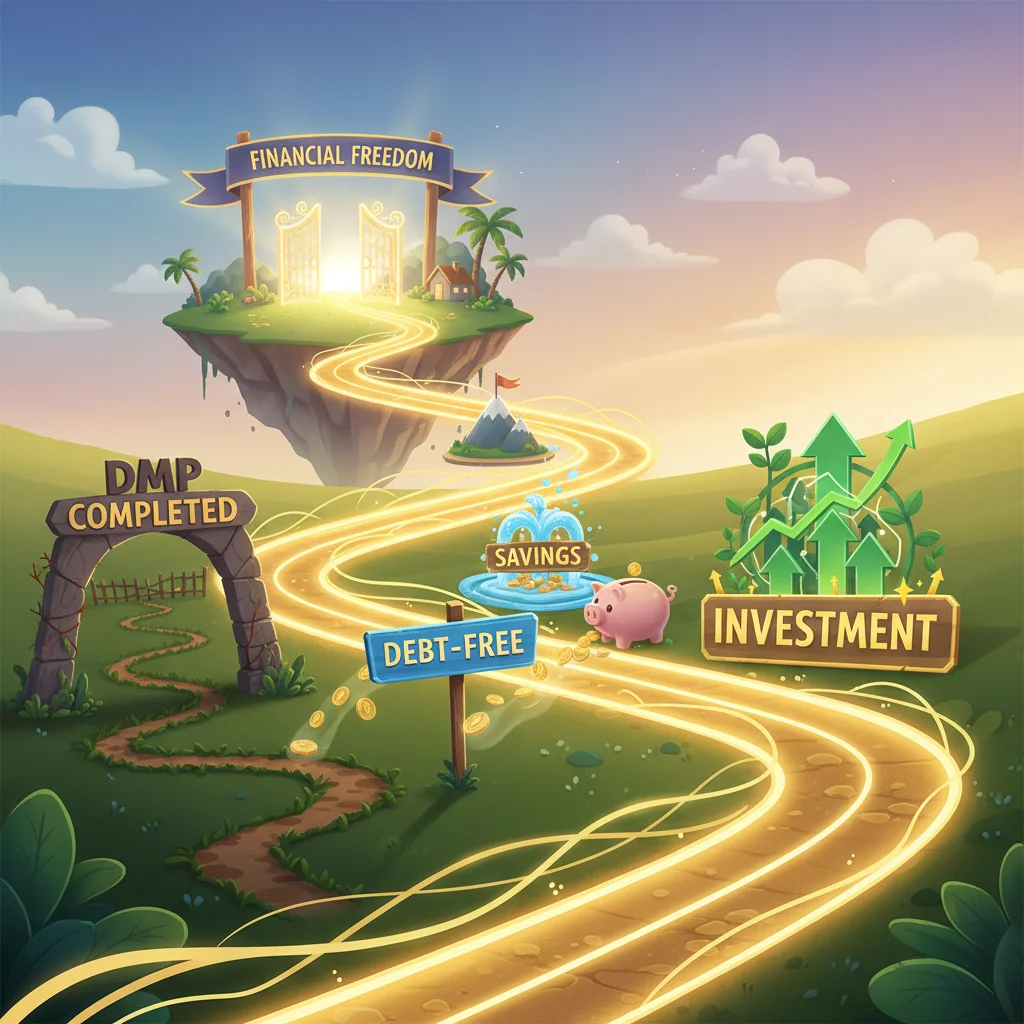
Maintaining Financial Health After a DMP
Completing a debt management plan is a monumental achievement, but the journey to lasting financial health doesn’t end there. The habits and knowledge you gained during the DMP are crucial for maintaining your newfound financial freedom in 2026 and beyond. Here’s how to ensure long-term success:
1. Stick to Your Budget
The budget you developed with your credit counselor was a cornerstone of your DMP. Continue to use it as a guide for your spending and saving. Regularly review and adjust it as your income and expenses change. A consistent budget is your best defense against accumulating new debt.
2. Build an Emergency Fund
One of the most important lessons from a DMP is the vulnerability that comes with unexpected expenses. Prioritize building a robust emergency fund, ideally with three to six months’ worth of living expenses. This fund will act as a buffer against unforeseen circumstances, preventing you from resorting to credit cards when emergencies arise.
3. Use Credit Responsibly (If at All)
After completing a DMP, you might be tempted to reopen credit accounts. If you choose to do so, proceed with extreme caution. Start with one credit card, use it sparingly, and pay the balance in full every month. Avoid carrying balances, and never spend more than you can afford to repay. The goal is to use credit as a convenience, not as an extension of your income.
4. Continue Financial Education
Financial literacy is an ongoing process. Continue to educate yourself on personal finance topics, investment strategies, and long-term financial planning. The more you know, the better equipped you’ll be to make sound financial decisions. Many credit counseling agencies offer post-DMP resources and workshops.
5. Set New Financial Goals
With your debts under control, you can now shift your focus to new financial goals. This could include saving for a down payment on a home, funding your retirement, or investing for the future. Having clear, achievable goals will keep you motivated and disciplined.
6. Monitor Your Credit Report
Regularly check your credit report from all three major credit bureaus (Equifax, Experian, and TransUnion) to ensure accuracy and monitor your progress. You can obtain a free copy of your report annually from AnnualCreditReport.com. This allows you to spot any errors and track your credit score’s improvement.
Successfully navigating a debt management plan is a testament to your resilience and commitment. By applying the lessons learned and maintaining diligent financial habits, you can ensure that your journey to debt freedom is not just a temporary fix, but a permanent transformation towards a secure and prosperous financial future in 2026 and beyond.
Conclusion: Embracing Financial Freedom in 2026 with DMPs
The journey to financial stability can be challenging, but with the right tools and guidance, it is entirely achievable. Debt Management Plans (DMPs) stand out as a powerful and practical solution for individuals overwhelmed by unsecured debt. By offering reduced interest rates, consolidated payments, and invaluable financial education, DMPs provide a clear and structured path to regaining control over your finances.
As we navigate 2026, the principles and benefits of DMPs remain more relevant than ever. The potential to reduce your monthly payments by 15% or more can significantly alleviate financial stress, allowing you to breathe easier and focus on building a more secure future. While there are considerations to keep in mind, such as the initial impact on your credit score and the commitment required, the long-term rewards of becoming debt-free and financially literate far outweigh these temporary challenges.
Remember, you don’t have to face your debt alone. Reputable non-profit credit counseling agencies are equipped with certified professionals ready to guide you through every step of the process. From your initial consultation to the successful completion of your plan and beyond, they will provide the support and education necessary to empower you to make informed financial decisions.
If you’re struggling with debt and seeking a sustainable solution, exploring a debt management plan could be the pivotal step you need to take in 2026. It’s an opportunity to simplify your financial life, accelerate your debt repayment, and build a foundation for lasting financial freedom. Don’t let debt dictate your future; take charge today and embark on the path to a healthier financial tomorrow.