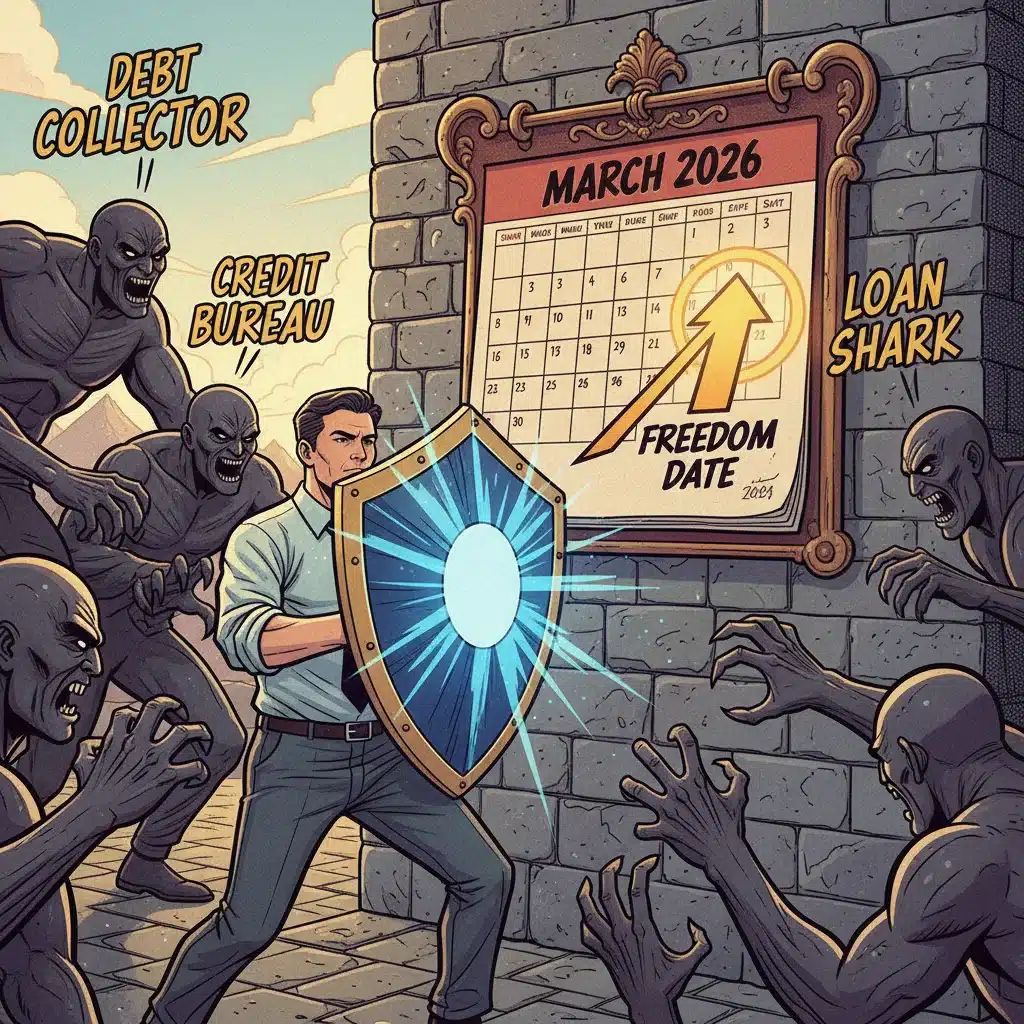
In the complex world of personal finance, few experiences are as stressful and intimidating as dealing with debt collectors. The persistent calls, the threatening letters, and the general sense of unease can significantly impact an individual’s well-being. Fortunately, regulatory bodies like the Consumer Financial Protection Bureau (CFPB) are continuously working to establish and update rules that protect consumers from abusive and unfair debt collection practices. A significant update is on the horizon: new CFPB debt regulations are set to take effect in March 2026. These regulations promise to bring much-needed clarity and enhanced protection for consumers across the United States. Understanding these changes is not just beneficial; it’s essential for safeguarding your financial health and peace of mind.
This comprehensive guide will delve into the intricacies of the upcoming CFPB debt regulations, explaining what they mean for you, your rights, and how you can leverage them to avoid harassment and illegal practices. We’ll explore the historical context of debt collection regulations, the specific provisions of the new rules, and practical steps you can take to assert your rights effectively. By the end of this article, you will be well-equipped to navigate interactions with debt collectors confidently and legally.
The Evolution of Debt Collection Regulations: A Brief History
Before we dive into the specifics of the March 2026 CFPB debt regulations, it’s helpful to understand the regulatory landscape that has shaped debt collection practices over the years. The primary federal law governing debt collection is the Fair Debt Collection Practices Act (FDCPA), enacted in 1977. The FDCPA was a landmark piece of legislation designed to eliminate abusive practices in the collection of consumer debts, promote fair debt collection, and provide consumers with an avenue for disputing debts and obtaining validation information.
While the FDCPA laid a crucial foundation, the financial world has evolved dramatically since its inception. The rise of digital communication, new debt collection technologies, and increasingly complex financial products necessitated further regulatory oversight. This is where the CFPB comes into play. Established in 2010 in the wake of the 2008 financial crisis, the CFPB is tasked with protecting consumers in the financial marketplace. Over the years, the CFPB has issued various rules and guidance to supplement and clarify the FDCPA, adapting it to modern practices.
The upcoming CFPB debt regulations in March 2026 represent a continuation of this effort, aiming to address persistent issues and close loopholes that have allowed some debt collectors to exploit consumers. These regulations are not just minor tweaks; they introduce significant changes that will redefine the boundaries of permissible debt collection activities. For consumers, this means more robust protections and clearer avenues for recourse when those protections are violated.
Key Provisions of the March 2026 CFPB Debt Regulations
The new CFPB debt regulations are comprehensive and cover several critical areas of debt collection. While the full text of the regulations is extensive, we can highlight the most impactful provisions that consumers should be aware of. These changes are designed to empower you and limit the tactics debt collectors can employ.
1. Enhanced Communication Rules
One of the most significant aspects of the new regulations concerns how debt collectors can communicate with consumers. The goal is to reduce harassment and provide consumers with greater control over how and when they are contacted.
- Limited Call Attempts: The new rules will likely impose stricter limits on the number of times a debt collector can call a consumer within a specific period (e.g., seven calls within seven days for a particular debt). This aims to curb the incessant calling that many consumers experience as harassment.
- Digital Communication Guidelines: With the prevalence of email and text messages, the regulations will provide clearer guidelines for digital communication. This includes requirements for obtaining consumer consent before using these channels and mechanisms for consumers to opt out of digital communications easily. Debt collectors must ensure that these digital communications are secure and do not inadvertently disclose private information to third parties.
- Opt-Out Rights: Consumers will have explicit rights to cease communications from debt collectors, regardless of the method. If you tell a debt collector to stop contacting you, they must comply, with very limited exceptions (e.g., to inform you that they are ceasing collection efforts or initiating a lawsuit).
2. Clearer Information Requirements
Often, consumers are contacted about debts they don’t recognize or whose details are unclear. The new regulations aim to rectify this by requiring debt collectors to provide more transparent and actionable information upfront.
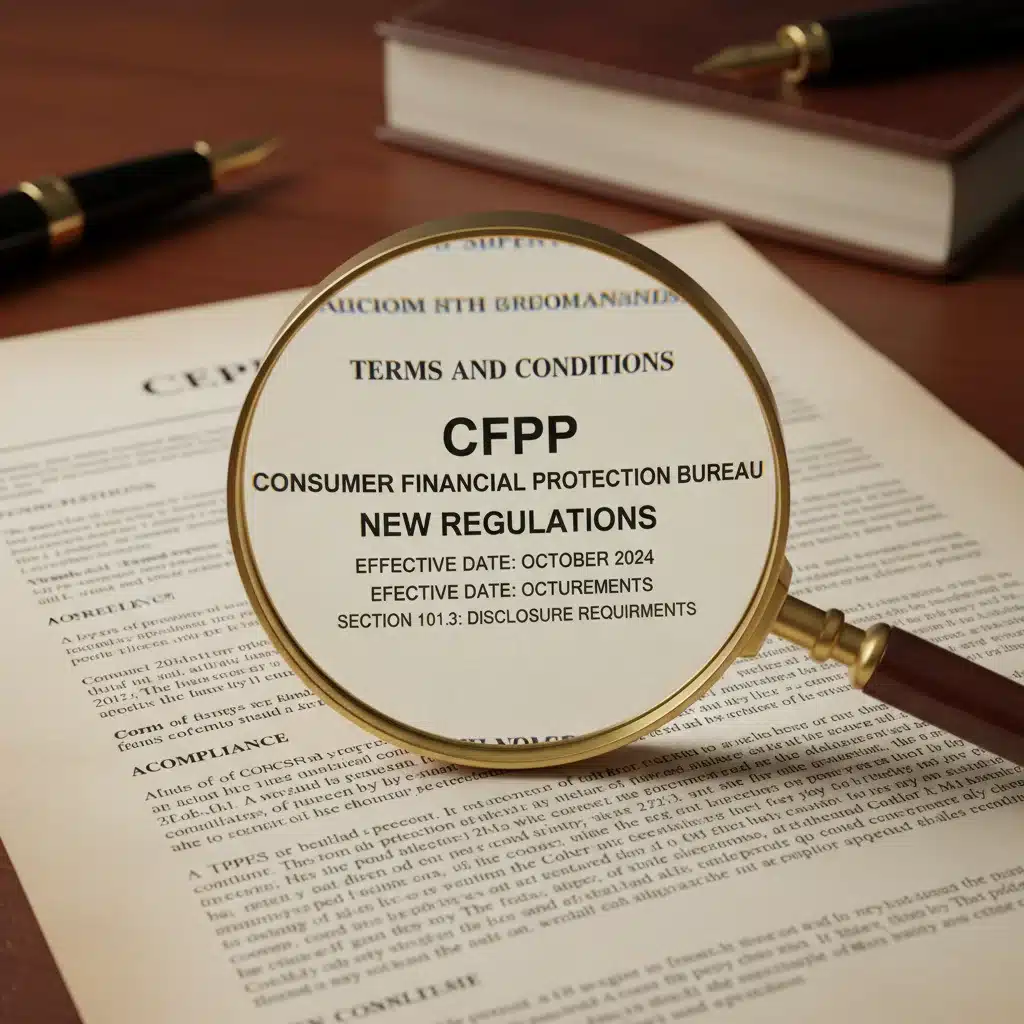
- Validation Notices: Debt collectors will be required to send a clear, concise validation notice that includes essential information about the debt, such as the original creditor, the current creditor, the amount owed, and your rights to dispute the debt. The format and content of these notices will be standardized to ensure readability and comprehension.
- Dispute Resolution Process: The regulations will reinforce and potentially streamline the process for consumers to dispute a debt. If you dispute a debt in writing, the debt collector must cease collection efforts until they provide verification of the debt. The new rules might also specify what constitutes sufficient verification.
- Time-Barred Debts: A critical protection is against the collection of ‘time-barred’ debts – debts for which the statute of limitations has expired, meaning a collector cannot sue you to recover them. The regulations will likely prohibit debt collectors from suing or threatening to sue consumers for such debts and require clear disclosures when attempting to collect on them.
3. Prohibitions Against Deceptive and Abusive Practices
The FDCPA already prohibits many abusive practices, but the new CFPB debt regulations will strengthen these prohibitions and address emerging issues.
- Misrepresentation of Debt: Collectors are prohibited from misrepresenting the amount or legal status of a debt. The new rules might further clarify what constitutes misrepresentation, particularly in digital communications.
- Threats and Harassment: While already illegal, the regulations may provide more specific examples of what constitutes harassment, such as using obscene language, making threats of violence, or publishing lists of consumers who refuse to pay.
- Third-Party Disclosure Limitations: Debt collectors are generally not allowed to discuss your debt with third parties. The new rules may strengthen protections against inadvertent disclosures, especially in digital contexts where privacy settings are crucial.
What These Regulations Mean for You, the Consumer
The implementation of the March 2026 CFPB debt regulations represents a significant win for consumers. Here’s a breakdown of what these changes mean for your interactions with debt collectors:
- Reduced Harassment: The stricter limits on communication attempts, especially phone calls, mean you should experience less frequent and less aggressive contact from debt collectors.
- More Control Over Communication: You will have greater power to dictate how and when debt collectors can reach you, including the ability to opt out of digital communications and cease all contact.
- Better Information: The standardized validation notices will provide clearer, more understandable information about your debt, making it easier to identify legitimate debts and dispute those that are inaccurate or unknown.
- Protection Against Illegal Practices: The strengthened prohibitions against deceptive and abusive tactics, particularly concerning time-barred debts, offer a stronger shield against collectors who might try to exploit your lack of knowledge.
- Easier Dispute Process: With clarified dispute resolution processes, you can more effectively challenge debts you believe are incorrect or not yours.
Ultimately, these regulations aim to shift the power dynamic slightly, giving consumers more agency and protection in what can often feel like a one-sided battle.
Practical Steps to Assert Your Rights Under the New CFPB Regulations
Knowing your rights is only half the battle; effectively asserting them is the other. Here are practical steps you can take to leverage the upcoming CFPB debt regulations and protect yourself:
1. Document Everything
This is perhaps the most crucial piece of advice. Keep meticulous records of all interactions with debt collectors. This includes:
- Dates and Times: Note the exact date and time of every call, email, or letter.
- Collector Information: Record the name of the debt collector, the company they represent, and any reference numbers they provide.
- Content of Communication: Briefly summarize what was discussed during calls, and save all emails and letters.
- Your Responses: Keep copies of any letters or emails you send to the debt collector.
This documentation will be invaluable if you need to dispute a debt, report a violation, or take legal action.
2. Know Your Communication Preferences
Decide how you prefer to be contacted (or not contacted at all). The new regulations will make it easier to specify your preferences. If you want to stop all communication, send a written cease and desist letter. While this doesn’t make the debt disappear, it forces the collector to stop contacting you, except to notify you of specific actions like a lawsuit.
3. Request Debt Validation
If a debt collector contacts you, especially about a debt you don’t recognize, immediately send a written request for debt validation. Do this within 30 days of receiving the initial communication. The new regulations will standardize the validation notice, but your written request is still critical. The collector must then provide proof that you owe the debt before continuing collection efforts.
4. Understand Time-Barred Debts
Familiarize yourself with the statute of limitations for debt in your state. This is the period during which a creditor or collector can sue you to collect a debt. If the debt is time-barred, a collector cannot legally sue you. The new CFPB debt regulations will strengthen protections against collectors attempting to collect on such debts, especially by prohibiting threats of lawsuits.
5. Report Violations
If a debt collector violates your rights under the FDCPA or the new CFPB debt regulations, don’t hesitate to report them. You can file a complaint with:
- The CFPB: The Consumer Financial Protection Bureau has an online complaint portal. They investigate complaints and take action against companies that violate federal consumer financial laws.
- Your State Attorney General: Your state’s Attorney General’s office also has consumer protection divisions that handle complaints about debt collection practices.
- The Federal Trade Commission (FTC): The FTC also collects complaints about debt collection and can take enforcement actions.

6. Seek Legal Counsel
If you are overwhelmed, believe your rights have been severely violated, or are considering legal action, consult with a consumer law attorney specializing in debt collection. Many attorneys offer free initial consultations and can advise you on the best course of action.
The Impact on Debt Collectors and the Industry
The new CFPB debt regulations will also have a significant impact on the debt collection industry itself. While these regulations are designed to protect consumers, they also aim to foster a fairer and more transparent marketplace for legitimate debt collection activities.
- Increased Compliance Burden: Debt collectors will need to invest in training, technology, and compliance systems to ensure they adhere to the new communication rules, information requirements, and prohibitions. This could lead to increased operational costs for some firms.
- Focus on Best Practices: Reputable debt collection agencies already strive to comply with ethical and legal standards. The new regulations will push the entire industry towards adopting best practices, potentially weeding out less scrupulous operators.
- Technological Adaptations: The guidelines for digital communication will require collectors to adapt their technology and processes to ensure consent, opt-out mechanisms, and data security are in place.
- Reduced Litigation Risk for Compliant Firms: For debt collectors who fully embrace and comply with the new rules, the risk of consumer lawsuits and regulatory enforcement actions for illegal practices should decrease.
Ultimately, these regulations are intended to create a level playing field where consumers are protected, and debt collectors operate within clear, enforceable boundaries.
Common Misconceptions About Debt Collection and Your Rights
Despite existing laws, many consumers hold misconceptions about debt collection. The new CFPB debt regulations aim to clarify some of these areas, but it’s important to be aware of them now.
- Myth: Debt collectors can arrest you.
Reality: Debt collectors cannot arrest you or threaten to arrest you for unpaid debt. Debt is a civil matter, not a criminal one. - Myth: Debt collectors can contact anyone about your debt.
Reality: Debt collectors are severely restricted in who they can contact about your debt. They generally cannot discuss your debt with employers, friends, or family, except in limited circumstances (e.g., to locate you, but without revealing the debt). The new regulations further solidify these protections, especially in digital communications. - Myth: You have to pay a debt if a collector calls you about it.
Reality: You have the right to validate the debt and ensure it is legitimate and accurately reported before making any payments. Never feel pressured to pay immediately without verifying the debt. - Myth: Ignoring debt collectors makes the debt go away.
Reality: Ignoring debt collectors can lead to more aggressive collection tactics, potential lawsuits, and damage to your credit score. It’s always better to address the debt directly, assert your rights, and seek solutions.
Understanding these truths and how the new CFPB debt regulations reinforce them is crucial for effective self-advocacy.
Preparing for March 2026 and Beyond
While March 2026 might seem distant, it’s never too early to start preparing for these significant regulatory changes. For consumers, this means becoming proactive about understanding your financial standing and your rights.
- Review Your Credit Report: Regularly check your credit report from all three major bureaus (Equifax, Experian, and TransUnion) for free at AnnualCreditReport.com. This helps you identify any debts that might be subject to collection and ensures accuracy.
- Educate Yourself: Continue to read updates from the CFPB and reputable consumer advocacy groups. The more informed you are, the better you can protect yourself.
- Organize Your Financial Records: Keep records of all your debts, payment histories, and any correspondence with creditors or collectors. This will be invaluable if you need to dispute a debt.
- Seek Professional Advice: If you are struggling with debt or have complex debt collection issues, consider consulting with a non-profit credit counseling agency or a consumer law attorney.
The new CFPB debt regulations are a testament to the ongoing effort to ensure fairness and transparency in the financial marketplace. They are designed to empower you, the consumer, with stronger protections against harassment and illegal practices. By understanding these regulations and actively asserting your rights, you can navigate interactions with debt collectors with confidence and work towards a more secure financial future.
Conclusion: Empowering Consumers with Stronger Protections
The upcoming CFPB debt regulations, set to take effect in March 2026, mark a pivotal moment in consumer protection against unfair debt collection practices. These comprehensive rules are designed to modernize the Fair Debt Collection Practices Act (FDCPA) by addressing the realities of today’s financial landscape and technological advancements. From establishing clearer communication boundaries, including stringent limits on call attempts and detailed guidelines for digital interactions, to mandating more transparent debt validation notices, the CFPB is actively working to curb harassment and provide consumers with actionable information.
These regulations mean that consumers will have enhanced control over how and when they are contacted, clearer pathways to dispute debts, and stronger safeguards against deceptive tactics, particularly concerning time-barred debts. The emphasis on standardized information and explicit opt-out rights empowers individuals to advocate for themselves more effectively. While the rules will undoubtedly require significant adjustments for debt collection agencies, leading to increased compliance burdens and a push towards more ethical practices, the ultimate goal is to foster a financial environment where legitimate debts are handled fairly and consumers are treated with respect.
For you, the consumer, the message is clear: knowledge is your most powerful tool. By understanding these new CFPB debt regulations, meticulously documenting all interactions, and knowing when and how to assert your rights—including requesting debt validation and reporting violations—you can navigate the often-intimidating world of debt collection with greater confidence. As March 2026 approaches, staying informed and proactive will be key to leveraging these new protections to safeguard your financial well-being and ensure that your rights are upheld against harassment and illegal practices.