Scam Proof Your Wallet: Top 3 Financial Scams & How to Save $500
In an increasingly digital world, financial security has become paramount. As technology advances, so do the methods of those seeking to exploit unsuspecting individuals. Early 2026 presents a new landscape of sophisticated threats, and understanding these dangers is the first step in safeguarding your hard-earned money. This comprehensive guide will delve into the top three financial scams currently targeting Americans, providing you with the knowledge and tools to identify, avoid, and ultimately, save an average of $500 by implementing robust financial scam prevention strategies. Protecting your wallet isn’t just about being careful; it’s about being informed and proactive.
The digital age, while offering unparalleled convenience, also opens doors for malicious actors. From phishing emails designed to steal your credentials to elaborate investment schemes promising unrealistic returns, the threats are constant and evolving. The average American is bombarded with countless digital interactions daily, making it challenging to discern legitimate communications from fraudulent attempts. This article aims to cut through the noise, focusing on the most prevalent and damaging scams you need to be aware of right now. By understanding the psychology behind these scams and recognizing their tell-tale signs, you can significantly reduce your risk of becoming a victim. Our goal is to empower you with practical advice that translates directly into real savings and peace of mind.
The financial landscape is dynamic, and so are the tactics of fraudsters. What was a common scam last year might have evolved into something more insidious today. Staying updated on the latest trends in financial fraud is crucial for effective financial scam prevention. We’ll explore the specific characteristics of each top scam, highlight real-world examples, and provide actionable steps you can take immediately to protect yourself and your loved ones. Imagine the relief of knowing you’re prepared for these challenges, and the satisfaction of keeping your money safe where it belongs – in your pocket. Let’s embark on this journey to strengthen your financial defenses and make your wallet scam-proof.
The Rise of AI-Powered Phishing and Impersonation Scams
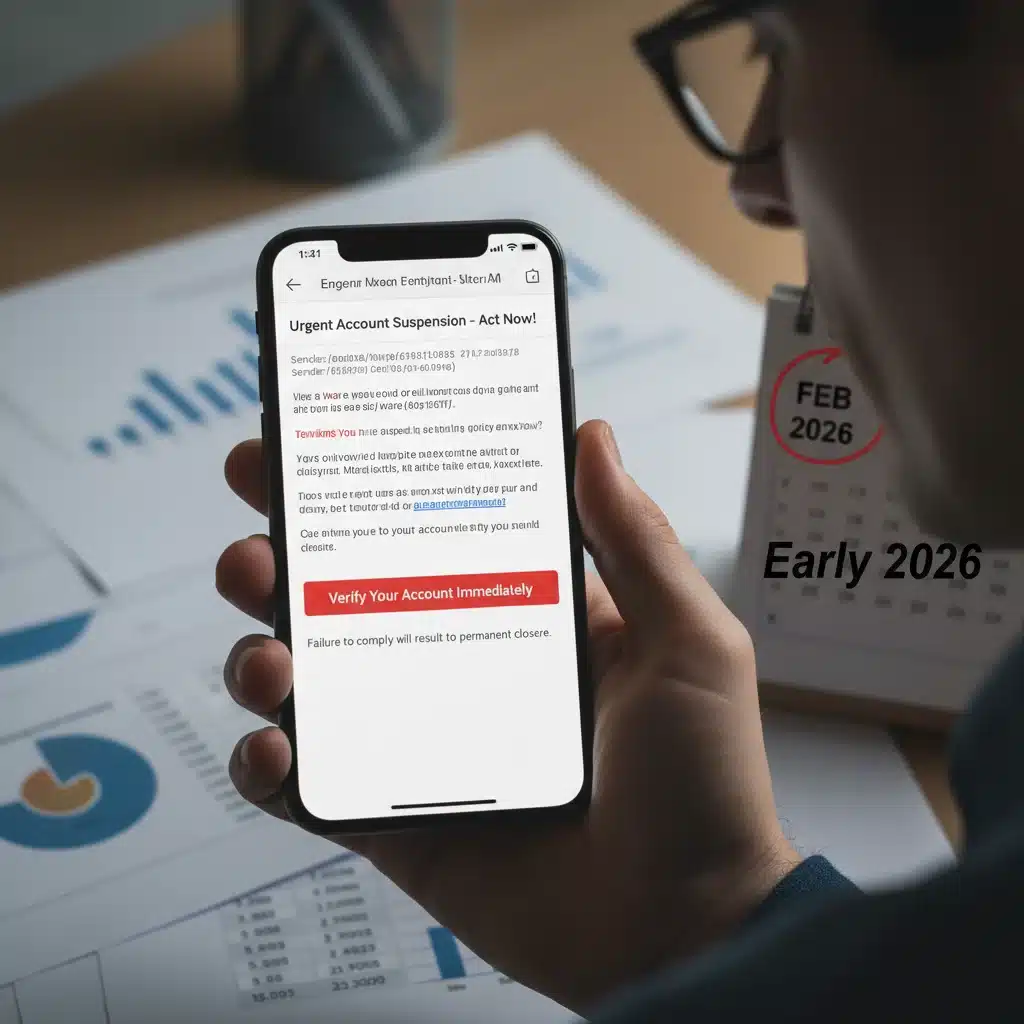
One of the most concerning developments in early 2026 is the rapid advancement and deployment of AI in phishing and impersonation scams. Gone are the days of easily identifiable misspelled emails and generic greetings. Today’s fraudsters leverage artificial intelligence to craft highly personalized, grammatically perfect messages that mimic legitimate organizations or even individuals you know. This sophisticated approach makes these scams incredibly difficult to detect, posing a significant threat to personal and corporate financial security. The goal of these scams remains the same: to trick you into divulging sensitive information such as login credentials, bank account numbers, or even transferring money directly.
AI-powered phishing goes beyond simple email fraud. It extends to voice cloning, where fraudsters use AI to replicate the voices of family members, friends, or even company executives. Imagine receiving a call from what sounds exactly like your child in distress, asking for an urgent money transfer. Or a call from your ‘CEO’ instructing you to make an immediate payment to a new vendor. These deepfake audio scams are incredibly persuasive and exploit our natural inclination to help those we care about or to follow instructions from authority figures. The emotional manipulation involved makes this a particularly dangerous form of financial scam prevention.
How to Identify AI-Powered Phishing and Impersonation Scams:
- Unusual Urgency or Threat: Scammers often create a sense of panic or urgency, demanding immediate action. They might threaten account closure, legal action, or dire consequences if you don’t comply instantly. Legitimate organizations rarely pressure you in this manner.
- Requests for Personal Information: Be extremely wary of any unsolicited communication, whether email, text, or call, asking for personal details like passwords, PINs, social security numbers, or bank account information. Even if the request seems to come from a trusted source, verify it independently.
- Suspicious Links or Attachments: Never click on links or open attachments from unknown or suspicious senders. Hover over links to see the actual URL before clicking. If it doesn’t match the expected domain, it’s likely a scam.
- Voice Verification: If you receive an urgent call from a loved one asking for money, especially if their voice sounds slightly off or the story seems unusual, hang up and call them back on a known, trusted number. Establish a family codeword or passphrase for such emergencies.
- Independent Verification for Business Calls: For calls from ‘executives’ or ‘vendors’ requesting wire transfers, always verify the request through a separate channel, like a known phone number or in-person confirmation, before acting. Do not use contact information provided in the suspicious communication.
The sophistication of these AI-driven attacks means that a multi-layered approach to financial scam prevention is essential. Simply being aware is no longer enough; you need to actively verify and question every suspicious interaction. Implementing strong, unique passwords for all your online accounts, enabling two-factor authentication (2FA) wherever possible, and regularly reviewing your financial statements are crucial steps. Remember, if something feels off, it probably is. Trust your gut instinct and take the time to verify before you act.
Cryptocurrency Investment Scams: The Digital Gold Rush Trap
The allure of quick riches in the volatile cryptocurrency market continues to be a fertile ground for scammers. In early 2026, cryptocurrency investment scams have evolved, becoming more elaborate and convincing, often preying on individuals eager to capitalize on the digital asset boom. These scams typically involve promises of guaranteed high returns with little to no risk, leveraging fake trading platforms, celebrity endorsements, or seemingly legitimate investment opportunities that are nothing more than Ponzi schemes. The unregulated nature of much of the crypto market makes it particularly vulnerable to fraudulent activities, and once your money is gone, it’s often impossible to recover.
Fraudsters often create professional-looking websites and apps that mimic legitimate trading platforms, complete with realistic charts and dashboards. They might use social media to target victims, building rapport and trust over weeks or months before introducing the ‘opportunity.’ Some even go as far as creating fake news articles or endorsements from well-known figures to lend credibility to their schemes. The initial investments might even show small, fabricated returns, encouraging victims to invest more, before the scammers disappear with all the funds. This type of financial scam prevention requires a deep understanding of market realities and a healthy dose of skepticism.
Warning Signs of Cryptocurrency Investment Scams:
- Guaranteed High Returns: Any investment promising guaranteed high returns with little to no risk is a major red flag. All investments carry risk, and legitimate opportunities will always disclose this.
- Pressure to Invest Quickly: Scammers often create a sense of urgency, pressing you to invest immediately to ‘not miss out’ on a limited-time opportunity.
- Unsolicited Investment Advice: Be wary of unsolicited messages, emails, or calls offering investment advice, especially in cryptocurrency. Legitimate financial advisors typically don’t cold-call or message strangers on social media.
- Requests for Funds in Crypto: If you are asked to send money directly to an individual’s crypto wallet or an unknown platform, rather than through established, regulated exchanges, it’s a strong indicator of fraud.
- Lack of Transparency: Legitimate investment platforms are transparent about their operations, fees, and regulatory compliance. If information is vague or difficult to find, proceed with extreme caution.
- Fake Trading Platforms: Always verify the legitimacy of any trading platform. Check reviews, regulatory registrations, and ensure the URL is correct and secure.
Before investing in any cryptocurrency, conduct thorough research. Only use well-known, regulated exchanges, and never invest more than you can afford to lose. Seek independent financial advice from a qualified professional who is not affiliated with the investment opportunity. Remember, if it sounds too good to be true, it almost certainly is. Diligence is your best friend when it comes to financial scam prevention in the crypto space.
Grandparent Scams and Romance Scams: Exploiting Emotional Vulnerabilities
While not entirely new, grandparent scams and romance scams continue to thrive in early 2026, leveraging human emotions to extract money. These scams are particularly insidious because they exploit trust, love, and compassion, making victims less likely to question the legitimacy of the requests. Grandparent scams often involve a fraudster impersonating a grandchild in distress, claiming to be in an emergency situation (e.g., arrested, hospitalized, stranded) and needing immediate funds, often requesting wire transfers or gift cards, which are difficult to trace. Romance scams, on the other hand, involve building a fake romantic relationship online to gain a victim’s trust and then manipulate them into sending money for various fabricated emergencies or investments.
The emotional toll of these scams can be devastating, far beyond the financial losses. Victims often feel embarrassed, betrayed, and isolated. Scammers in romance schemes can spend months or even years cultivating a relationship, using sophisticated psychological tactics to create a deep emotional bond before making their financial demands. They often have an answer for why they can’t meet in person, why their webcam isn’t working, or why they always need money for an urgent, life-altering event. Recognizing the red flags early is critical for effective financial scam prevention.
Key Indicators of Grandparent and Romance Scams:
- Urgent Need for Money: The scammer will always claim an immediate and desperate need for funds, often emphasizing secrecy to prevent the victim from verifying the story.
- Requests for Untraceable Payments: They frequently ask for money via wire transfers, gift cards, cryptocurrency, or peer-to-peer payment apps, as these methods are hard to reverse or trace.
- Emotional Manipulation: Grandparent scammers play on a grandparent’s love and concern for their grandchild. Romance scammers use declarations of love and promises of a future together to create an emotional bond.
- Inability to Meet in Person: Romance scammers will always have an excuse for why they can’t meet, often involving being overseas, in the military, or facing a sudden travel restriction.
- Poor Grammar/Inconsistencies (Romance Scams): While some scammers are sophisticated, many romance scammers use generic scripts that might contain grammatical errors or inconsistencies in their stories.
- Requests for Personal Information: Beyond money, they might probe for personal details that could be used for identity theft.
For grandparent scams, establish a secret family question or codeword that only trusted family members would know. If you receive a call from a ‘grandchild’ in distress, ask the question. If they can’t answer, it’s a scam. Always verify the story by calling the grandchild or another family member on a known number. For romance scams, be skeptical of anyone who declares strong feelings very quickly, avoids meeting in person, and consistently asks for money. A healthy dose of skepticism can be your best defense in financial scam prevention against these emotionally charged frauds.
Saving an Average of $500: Practical Financial Scam Prevention Strategies
Beyond understanding the specific scams, adopting a proactive mindset and implementing robust security practices can significantly reduce your vulnerability and save you money. The average financial loss to scams can be hundreds, if not thousands, of dollars. By following these practical steps, you can realistically expect to save at least $500 by avoiding common pitfalls and protecting your assets. Financial scam prevention is an ongoing process, not a one-time fix.
Top Strategies for Comprehensive Protection:
- Enable Two-Factor Authentication (2FA) Everywhere: This is arguably one of the most effective security measures. 2FA adds an extra layer of security by requiring a second form of verification (like a code sent to your phone) in addition to your password. Even if a scammer gets your password, they can’t access your account without that second factor. Implement it on email, banking, social media, and any other sensitive accounts. This single step can thwart many phishing attempts.
- Use Strong, Unique Passwords and a Password Manager: Reusing passwords across multiple accounts is like using the same key for your house, car, and office. If one account is compromised, all are at risk. Use a reputable password manager to generate and store complex, unique passwords for every online service. This significantly enhances your overall digital security and makes financial scam prevention much more manageable.
- Be Skeptical of Unsolicited Communications: Treat every unexpected email, text, or phone call with a degree of suspicion, especially if it involves money or personal information. Never click links or download attachments from unknown sources. If a message claims to be from your bank or a government agency, verify it by contacting them directly using official contact information (not the contact info provided in the suspicious message).
- Monitor Your Financial Accounts Regularly: Review your bank statements, credit card statements, and credit reports frequently. Look for any unauthorized transactions, even small ones. Early detection can prevent significant losses. Many banks offer alerts for unusual activity, which you should enable.
- Educate Yourself and Your Family: Knowledge is power. Share information about common scams with your elderly family members, children, and anyone else who might be vulnerable. Discuss the warning signs and establish protocols for verifying urgent requests for money. Collective awareness enhances overall financial scam prevention.
- Update Software and Antivirus: Keep your operating system, web browsers, and antivirus software up to date. Software updates often include critical security patches that protect against the latest vulnerabilities exploited by scammers and malware.
- Be Wary of Public Wi-Fi for Sensitive Transactions: Public Wi-Fi networks are often unsecured and can be easily intercepted by malicious actors. Avoid conducting banking, shopping, or other sensitive transactions when connected to public Wi-Fi. If you must, use a Virtual Private Network (VPN).
- Shred Sensitive Documents: Don’t just throw away old bills or bank statements. Shred any documents containing personal or financial information before discarding them to prevent dumpster diving identity theft.
- Check Your Credit Report: You are entitled to a free credit report from each of the three major credit bureaus (Equifax, Experian, and TransUnion) once a year. Regularly check your reports for any accounts opened in your name without your permission, a key sign of identity theft.
- Limit Information Shared Online: Be mindful of the personal information you share on social media and other public platforms. Scammers often use this data to tailor their attacks and make them more convincing.
By diligently applying these strategies, you create a formidable barrier against financial fraud. The estimated saving of $500 is a conservative figure, as many individuals lose far more. The peace of mind that comes from knowing you’ve taken concrete steps to protect your finances is invaluable. Remember, proactive financial scam prevention is your best defense against the ever-evolving tactics of scammers.

The Evolving Landscape of Financial Fraud: What’s Next?
The fight against financial fraud is a continuous one. As we move further into 2026 and beyond, scammers will undoubtedly continue to innovate, leveraging new technologies and societal shifts to their advantage. Understanding the current threats is crucial, but so is anticipating future trends. The increasing sophistication of AI, the expansion of the metaverse, and the growing adoption of new financial technologies like decentralized finance (DeFi) will all present new avenues for exploitation.
One area to watch is the potential for highly personalized, AI-generated scam calls and videos that are indistinguishable from reality. As deepfake technology becomes more accessible, verifying identities will become even more challenging. Furthermore, the metaverse, with its immersive virtual environments, could become a new frontier for digital asset theft and virtual property scams. Staying informed through reputable sources, attending webinars, and engaging with consumer protection agencies will be vital for ongoing financial scam prevention.
Future-Proofing Your Financial Security:
- Stay Informed: Regularly check official government consumer protection websites (e.g., FTC, CFPB) and reputable financial news sources for updates on new scam trends.
- Question New Technologies: Approach emerging financial technologies with caution. Understand the risks before diving into new investment opportunities or platforms.
- Advocate for Stronger Regulations: Support initiatives and regulations aimed at protecting consumers in digital spaces and emerging financial markets.
- Practice Digital Hygiene: Maintain excellent digital hygiene: keep software updated, use strong passwords, and be mindful of your online footprint.
The responsibility for financial security ultimately lies with the individual, but collective efforts in education and awareness can create a more resilient society against fraud. By taking these steps, you not only protect yourself but also contribute to a safer digital ecosystem for everyone. Continuous learning and adaptation are the cornerstones of effective financial scam prevention in an ever-changing world.
What to Do If You’ve Been Scammed: Immediate Actions
Despite all precautions, sometimes even the most vigilant individuals can fall victim to a scam. If you suspect you’ve been scammed, immediate action is crucial to minimize losses and prevent further damage. Time is of the essence when dealing with financial fraud.
Steps to Take Immediately:
- Contact Your Bank/Financial Institution: Report any unauthorized transactions or suspicious activity to your bank or credit card company immediately. They can often freeze accounts, reverse transactions, and provide guidance on next steps.
- Change Passwords: If you’ve provided any login credentials to a scammer, change those passwords immediately across all affected accounts. Use strong, unique passwords.
-
Report to Authorities:
- Federal Trade Commission (FTC): Report the scam to the FTC at reportfraud.ftc.gov. The FTC collects these reports and uses them to investigate fraud and protect consumers.
- FBI’s Internet Crime Complaint Center (IC3): If the scam occurred online, file a complaint with the IC3 at ic3.gov.
- Local Law Enforcement: File a police report with your local law enforcement agency. While they may not be able to recover funds, a police report is often necessary for insurance claims or to dispute charges.
- Place a Fraud Alert/Freeze on Your Credit: Contact one of the three major credit bureaus (Equifax, Experian, or TransUnion) to place a fraud alert on your credit report. This makes it harder for identity thieves to open new accounts in your name. Consider a credit freeze for stronger protection.
- Monitor Your Credit Report: Continue to monitor your credit reports for any signs of identity theft for several months after the incident.
- Warn Others: Inform your friends and family about the scam, especially if it involves impersonation, to prevent them from falling victim to similar schemes.
Remember, there’s no shame in being scammed. Fraudsters are highly skilled manipulators. The important thing is to act quickly and decisively to mitigate the damage. Taking these steps is an integral part of comprehensive financial scam prevention, even after an incident has occurred.
Conclusion: Your Shield Against Financial Deception
In conclusion, the landscape of financial threats in early 2026 is characterized by sophisticated AI-powered phishing, enticing cryptocurrency investment traps, and emotionally manipulative grandparent and romance scams. However, with knowledge and proactive measures, you can effectively protect your wallet and save an average of $500, or even more, from falling into the wrong hands. The power of financial scam prevention lies in constant vigilance, continuous education, and the consistent application of security best practices.
By understanding the psychology behind these scams, recognizing their distinct warning signs, and implementing robust digital hygiene, you transform yourself into a formidable opponent against fraudsters. Empower yourself with strong passwords, two-factor authentication, and a healthy dose of skepticism for unsolicited communications. Share this vital information with your loved ones, especially the most vulnerable, to build a collective defense against financial deception. Your financial well-being is worth the effort of staying informed and protected.
Don’t let the fear of scams paralyze you. Instead, let it motivate you to take control of your financial security. The average American loses significant amounts to fraud each year, but you don’t have to be one of them. By following the advice outlined in this guide, you are not just reacting to threats; you are actively building a resilient financial future. Stay safe, stay informed, and keep your hard-earned money where it belongs – with you.