Identifying and Reporting Data Breaches in 2026: Your 5-Step Consumer Protection Guide
In an increasingly digital world, the threat of data breaches looms larger than ever. As we navigate 2026, the sophistication of cyberattacks continues to evolve, making it imperative for every consumer to understand how to identify and report data breaches. Your personal information, from financial details to health records, is a valuable commodity for cybercriminals. A single breach can lead to identity theft, financial fraud, and a host of other debilitating issues. This comprehensive guide is designed to empower you with the knowledge and tools necessary to protect yourself in the face of these growing threats. We will walk you through a crucial 5-step process for identifying and reporting data breaches, ensuring you are well-equipped to defend your digital life.
The landscape of data security is constantly shifting. What was considered cutting-edge protection a few years ago might now be obsolete. Therefore, staying informed and proactive is not just an option, but a necessity. This article will not only detail how to identify and report data breaches but also provide context on why each step is vital for your consumer protection. By understanding the common signs of a breach, knowing where and how to report data breaches, and taking immediate mitigation steps, you can significantly reduce the potential harm. Let’s delve into the specifics of safeguarding your digital footprint in 2026 and beyond.
Understanding the Evolving Threat Landscape of Data Breaches in 2026
Before we dive into the practical steps of how to identify and report data breaches, it’s crucial to grasp the current threat landscape. In 2026, cybercriminals are employing more advanced tactics, including AI-powered phishing attacks, sophisticated ransomware, and supply chain attacks that can compromise multiple organizations through a single vulnerability. These attacks are not just targeting large corporations; individuals are increasingly becoming direct targets. The sheer volume and complexity of personal data stored online, from social media profiles to e-commerce transactions, create a rich hunting ground for malicious actors.
The rise of interconnected devices, often referred to as the Internet of Things (IoT), also presents new avenues for breaches. Smart home devices, wearables, and even connected vehicles can become entry points if not properly secured. This expanded attack surface means consumers must be more vigilant than ever. Knowing the common methods cybercriminals use to obtain data, such as phishing scams, malware, and credential stuffing, is the first line of defense. Education is power, and understanding these threats is the foundational step in learning how to effectively report data breaches when they occur.
Furthermore, the regulatory environment around data privacy is becoming stricter globally. New laws and amendments are continually being introduced to enhance consumer protection. This means that organizations are under greater pressure to secure your data, but it also places a responsibility on individuals to understand their rights and the proper channels to report data breaches. Being aware of these regulatory frameworks can strengthen your position when seeking redress or protection after a breach.
Step 1: Recognizing the Early Warning Signs of a Data Breach
The first critical step in consumer protection against data breaches is recognizing the signs that your personal information may have been compromised. Often, a data breach isn’t announced with a fanfare; instead, it manifests through subtle clues that, if ignored, can lead to significant harm. Being proactive in identifying these red flags can be the difference between minor inconvenience and severe identity theft.
Unexpected Account Activity
One of the most common indicators is unusual activity on your financial accounts, credit cards, or online services. This could include transactions you don’t recognize, new accounts opened in your name, or login attempts from unfamiliar locations. Regularly reviewing your bank statements, credit card bills, and online account activity is paramount. Many financial institutions offer alerts for unusual activity, which you should enable.
Suspicious Communications
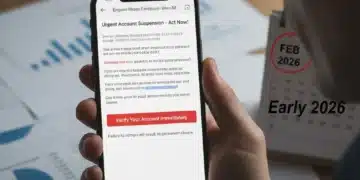
Be wary of phishing emails, texts, or calls that seem to come from legitimate organizations but ask for personal information, login credentials, or direct you to suspicious websites. Cybercriminals often use information gleaned from minor breaches to craft highly personalized and convincing phishing attempts. Even if the communication looks authentic, always verify the sender and never click on suspicious links or download attachments from unsolicited sources. A common tactic is to create a sense of urgency, pressuring you to act without thinking.
Login Difficulties or Account Lockouts
If you suddenly find yourself unable to log into an online account, or if your password no longer works, it could be a sign that a hacker has gained access and changed your credentials. While it might sometimes be a simple technical glitch, it’s always worth investigating immediately. Contact the service provider directly through their official channels, not through links in suspicious emails.
Notifications of Data Exposure
Sometimes, organizations themselves will notify you if your data has been part of a breach. However, these notifications can sometimes be delayed, or you might miss them. Keep an eye on news outlets and reputable cybersecurity blogs for announcements of major data breaches that could affect services you use. Websites like ‘Have I Been Pwned?’ allow you to check if your email address has appeared in known data breaches.
Increased Spam or Targeted Ads
An inexplicable increase in spam emails, particularly those that seem highly targeted to your interests or recent online activity, can suggest that your email address or browsing habits have been exposed. While not a definitive sign of a data breach, it’s a good prompt to review your online privacy settings and consider if any accounts might be compromised.
By staying alert to these warning signs, you significantly improve your ability to identify a potential data breach early. This early detection is the cornerstone of effective consumer protection and allows you to take swift action to mitigate damage and report data breaches appropriately.
Step 2: Confirming a Data Breach and Assessing the Damage
Once you suspect a data breach, the next crucial step is to confirm it and assess the extent of the damage. This involves a bit of detective work and a systematic approach to understand what information might have been compromised. The quicker and more accurately you can confirm the breach, the faster you can take appropriate action to mitigate the risks and prepare to report data breaches.
Contacting the Affected Organization
If you suspect a specific company or service has been breached, contact them directly. Use official contact information found on their website, not numbers or links from suspicious emails. Inquire if they have experienced a data breach and if your account or personal information might be affected. Many companies have dedicated security or privacy teams equipped to handle such inquiries.
Reviewing Account Statements and Credit Reports
Thoroughly review your financial statements, credit card activity, and especially your credit reports from all three major credit bureaus (Equifax, Experian, and TransUnion). Look for any unfamiliar accounts, charges, or inquiries. You are entitled to a free credit report from each bureau annually, which you can obtain through AnnualCreditReport.com. This is a vital step to assess potential financial damage and identify if identity theft has occurred.
Checking Breach Notification Websites
Utilize reputable websites that aggregate information about known data breaches. As mentioned, ‘Have I Been Pwned?’ is an excellent resource to check if your email address or phone number has been included in a reported breach. Other security news sites often publish details about major incidents. These resources can help corroborate your suspicions and provide details about the type of data exposed.
Identifying the Type of Data Compromised
Understanding what kind of data might be exposed is critical. Was it your email address and password? Financial details? Social Security number? Health records? The type of data compromised will dictate the severity of the breach and the immediate steps you need to take. For instance, a compromised Social Security number requires much more urgent action than just an email address.
Documenting Everything
Keep a detailed record of everything you find: dates of suspicious activity, communications with affected organizations, screenshots of unusual transactions, and any other relevant information. This documentation will be invaluable when you proceed to report data breaches to authorities and take further protective measures. It helps create a clear timeline and evidence trail.
Confirming a data breach and assessing the damage can be a stressful process, but it’s a necessary step. This thorough investigation empowers you to make informed decisions about your next actions and ensures you have all the necessary information when you decide to report data breaches to the relevant authorities.
Step 3: Immediate Actions to Mitigate Damage After a Breach
Once you’ve confirmed a data breach, immediate action is paramount to mitigate potential damage. Time is of the essence, as cybercriminals can quickly exploit compromised information. The steps you take in the initial hours and days following a breach can significantly limit the financial and personal impact. This proactive response is a cornerstone of effective consumer protection and crucial before you report data breaches.
Change Passwords Immediately
This is arguably the most critical first step. Change passwords for all affected accounts, and any other accounts that use the same or similar passwords. Use strong, unique passwords for each service, ideally generated by a password manager. Enable two-factor authentication (2FA) or multi-factor authentication (MFA) wherever possible. This adds an extra layer of security, making it much harder for unauthorized users to access your accounts even if they have your password.
Notify Your Bank and Credit Card Companies
If financial information was compromised, contact your bank and credit card issuers immediately. They can cancel compromised cards, monitor for fraudulent activity, and potentially issue new cards. Be prepared to provide them with details of the breach and any suspicious transactions you’ve identified.
Place Fraud Alerts or Credit Freezes
Consider placing a fraud alert on your credit reports with all three major credit bureaus. This makes it harder for identity thieves to open new accounts in your name, as creditors will be required to verify your identity before extending credit. For more robust protection, consider a credit freeze, which completely restricts access to your credit report unless you temporarily lift it. While a credit freeze offers more security, it also requires more management from your end when applying for new credit.
Monitor Your Accounts Diligently
Even after taking immediate action, continue to monitor all your financial accounts, credit reports, and online service activity regularly for several months. Identity theft can manifest in various ways and at different times. Setting up transaction alerts and regularly checking your credit score can help you spot new fraudulent activities quickly.
Be Wary of Further Phishing Attempts
After a data breach, you might become a target for more sophisticated phishing or spear-phishing attacks. Cybercriminals often use the information obtained in a breach to craft highly convincing emails or messages. Remain skeptical of any unsolicited communication, especially those asking for personal information or directing you to login pages. Always verify the source independently.
Consider Identity Theft Protection Services
For individuals whose Social Security number or other highly sensitive data has been compromised, subscribing to an identity theft protection service might be a worthwhile consideration. These services often provide credit monitoring, identity restoration assistance, and insurance against identity theft losses.
Taking these immediate mitigation steps is crucial for limiting the impact of a data breach. They form a critical layer of defense that empowers you to regain control and protect your assets before you proceed to officially report data breaches to relevant authorities.
Step 4: How and Where to Report Data Breaches
Once you’ve identified a data breach, assessed the damage, and taken immediate mitigation steps, the next crucial phase is to officially report data breaches to the appropriate authorities. Reporting is not just about seeking redress; it contributes to a larger effort to combat cybercrime, protect other consumers, and hold organizations accountable for data security. Knowing where and how to report data breaches effectively is a vital part of your consumer protection strategy.
Reporting to the Federal Trade Commission (FTC)
In the United States, the Federal Trade Commission (FTC) is a primary agency for reporting identity theft and data breaches. You can file a report online at IdentityTheft.gov. This website provides a personalized recovery plan, including pre-filled letters and forms to send to businesses, credit bureaus, and debt collectors. Reporting to the FTC helps them track trends, investigate cybercrimes, and provide support to victims. This is a crucial first step for any U.S. consumer needing to report data breaches.
Contacting Law Enforcement
For serious cases of identity theft or significant financial loss resulting from a data breach, it is advisable to file a police report with your local law enforcement agency. While local police may not always have the resources to investigate complex cybercrimes, a police report can be essential for disputing fraudulent charges, dealing with creditors, and providing documentation for insurance claims. When you report data breaches to the police, ensure you have all your documented evidence ready.
Notifying State Attorneys General
Many states also have Attorney General offices that handle consumer protection and data privacy issues. Depending on your state, you might be able to file a complaint directly with your State Attorney General’s office. They often have dedicated units for cybercrime and identity theft, and can offer additional resources and guidance specific to your state’s laws. This is another important avenue to report data breaches.
Informing the Credit Bureaus
While you might have already placed fraud alerts or freezes, officially reporting the breach to the three major credit bureaus (Equifax, Experian, TransUnion) is also important. They can flag your file and provide further assistance in monitoring your credit for suspicious activity. When you report data breaches, ensure they understand the scope of the incident.
Reporting to the Internet Crime Complaint Center (IC3)
The Internet Crime Complaint Center (IC3), a partnership between the FBI and the National White Collar Crime Center (NW3C), is another valuable resource. You can file a complaint with the IC3 online. They collect information on internet-related criminal activity, including data breaches, and refer complaints to the appropriate federal, state, local, or international law enforcement agencies for investigation. This is particularly relevant when you report data breaches that involve sophisticated cybercrime.
Reporting to the Affected Company (Again)
Even if you’ve already contacted the company whose data systems were breached, it’s often beneficial to follow up, especially after you’ve taken mitigation steps and gathered more information. They might have updated advice or resources for affected customers. Providing them with details of your experience can also help them improve their security protocols.
By systematically reporting data breaches to these various entities, you not only protect yourself but also contribute to a broader effort to fight cybercrime. Each report helps authorities build a more comprehensive picture of the threats and develop more effective strategies for consumer protection.
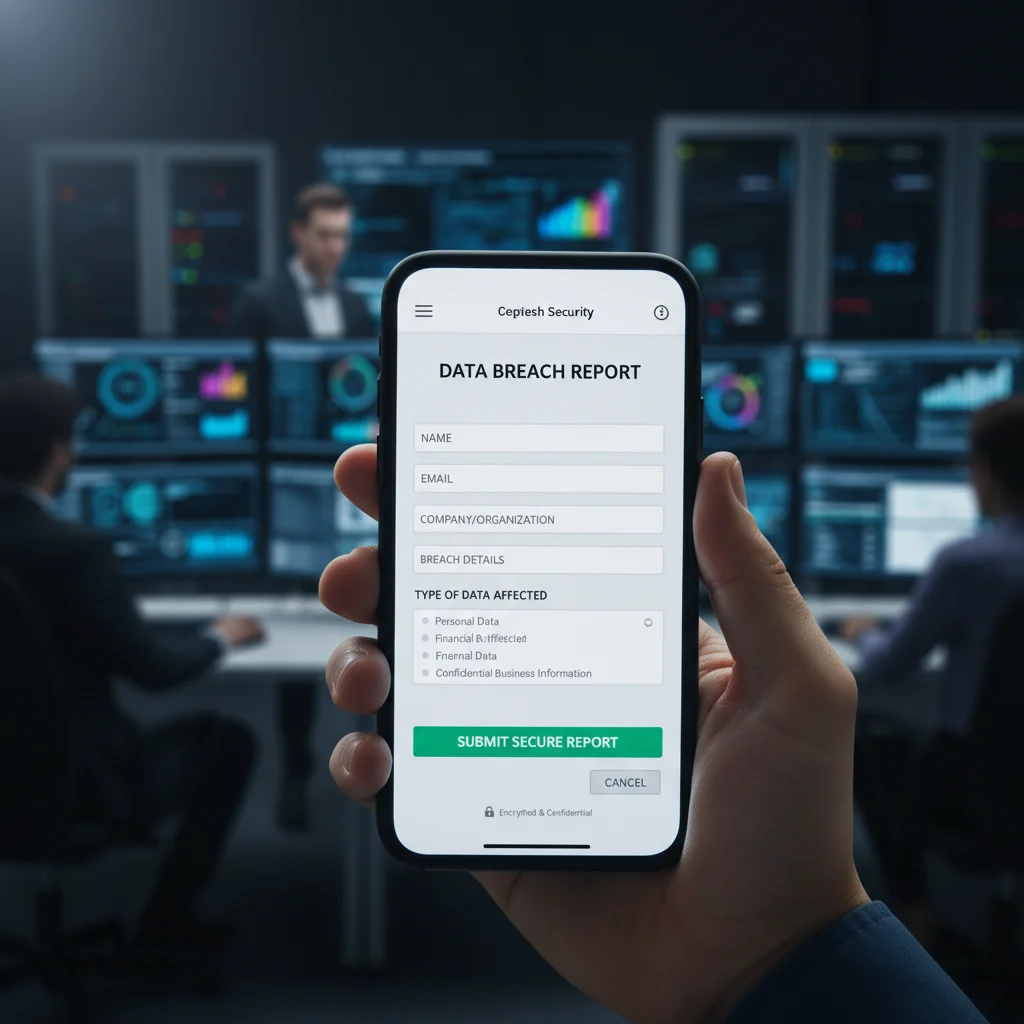
Step 5: Long-Term Strategies for Ongoing Data Protection
Identifying and reporting data breaches is critical, but true consumer protection extends beyond immediate response. Developing long-term strategies for ongoing data protection is essential to safeguard your digital life in 2026 and beyond. This involves adopting habits and tools that strengthen your personal cybersecurity posture and minimize the risk of future breaches.
Regularly Monitor Your Financial and Credit Accounts
Make a habit of checking your bank statements, credit card bills, and credit reports regularly. Many financial institutions offer apps that allow for real-time monitoring and alerts. Consider signing up for a credit monitoring service, especially if you’ve been a victim of a breach. Vigilance is your best defense against identity theft and financial fraud.
Practice Strong Password Hygiene
Never reuse passwords across different accounts. Use strong, unique passwords for every service, combining letters, numbers, and symbols. A reputable password manager can generate and store these complex passwords securely, making it easier for you to maintain good password hygiene without having to memorize dozens of intricate combinations. This significantly reduces the impact if one service you use suffers a breach.
Enable Multi-Factor Authentication (MFA) Everywhere Possible
MFA adds a crucial layer of security by requiring a second form of verification (like a code from your phone) in addition to your password. Even if a cybercriminal obtains your password, they won’t be able to access your account without this second factor. Enable MFA on all critical accounts, including email, banking, social media, and cloud services.
Be Skeptical of Unsolicited Communications
Maintain a healthy skepticism towards emails, texts, and phone calls that ask for personal information, even if they appear to be from legitimate sources. Phishing tactics are constantly evolving. Always verify the sender, look for inconsistencies, and if in doubt, navigate directly to the official website of the organization rather than clicking on links in suspicious messages. Remember, legitimate organizations rarely ask for sensitive information via email.
Keep Software and Operating Systems Updated
Software updates often include critical security patches that fix vulnerabilities exploited by cybercriminals. Ensure your operating systems, web browsers, antivirus software, and all applications are kept up-to-date. Enable automatic updates whenever possible to ensure you’re always running the most secure versions.
Back Up Your Data Regularly
While not directly preventing a breach, regular backups of your important data can be a lifesaver in the event of a ransomware attack or data loss due to a breach. Store backups securely, preferably offline or in encrypted cloud storage.
Understand and Manage Your Privacy Settings
Regularly review the privacy settings on your social media accounts, online services, and mobile devices. Limit the amount of personal information you share publicly and control who can access your data. Be mindful of the permissions you grant to apps and websites.
Educate Yourself Continuously
The world of cybersecurity is dynamic. Stay informed about the latest threats, scams, and best practices. Follow reputable cybersecurity news sources and consumer protection agencies. Continuous education is your most powerful tool in adapting to new challenges and maintaining robust data protection. This ongoing vigilance ensures you can effectively identify and report data breaches for years to come.
By integrating these long-term strategies into your digital routine, you create a robust defense mechanism against the persistent threat of data breaches. This proactive approach, combined with knowing how to identify and report data breaches, forms a comprehensive framework for consumer protection in the digital age.
Conclusion: Empowering Consumers to Combat Data Breaches
The digital landscape of 2026 presents both incredible opportunities and significant challenges, particularly concerning personal data security. Data breaches are an unfortunate reality, but they don’t have to be catastrophic. By understanding how to identify and report data breaches, and by implementing proactive and reactive measures, consumers can significantly mitigate the risks and protect their valuable personal information.
This 5-step guide has provided a roadmap: from recognizing the subtle warning signs and confirming the breach, through taking immediate mitigation steps, to knowing exactly how and where to report data breaches. Crucially, we’ve also emphasized the importance of long-term strategies for ongoing data protection, transforming a one-time reaction into a sustainable habit of digital vigilance.
Your role as a consumer in this evolving environment is not passive. You are an active participant in safeguarding your digital identity. By being informed, proactive, and resilient, you empower yourself to navigate the complexities of online security. Remember, every time you identify and report data breaches, you not only protect yourself but also contribute to a stronger, more secure digital ecosystem for everyone. Stay vigilant, stay informed, and stay secure.