Credit Score Monitoring 2026: Free vs. Paid Services – The Ultimate Guide
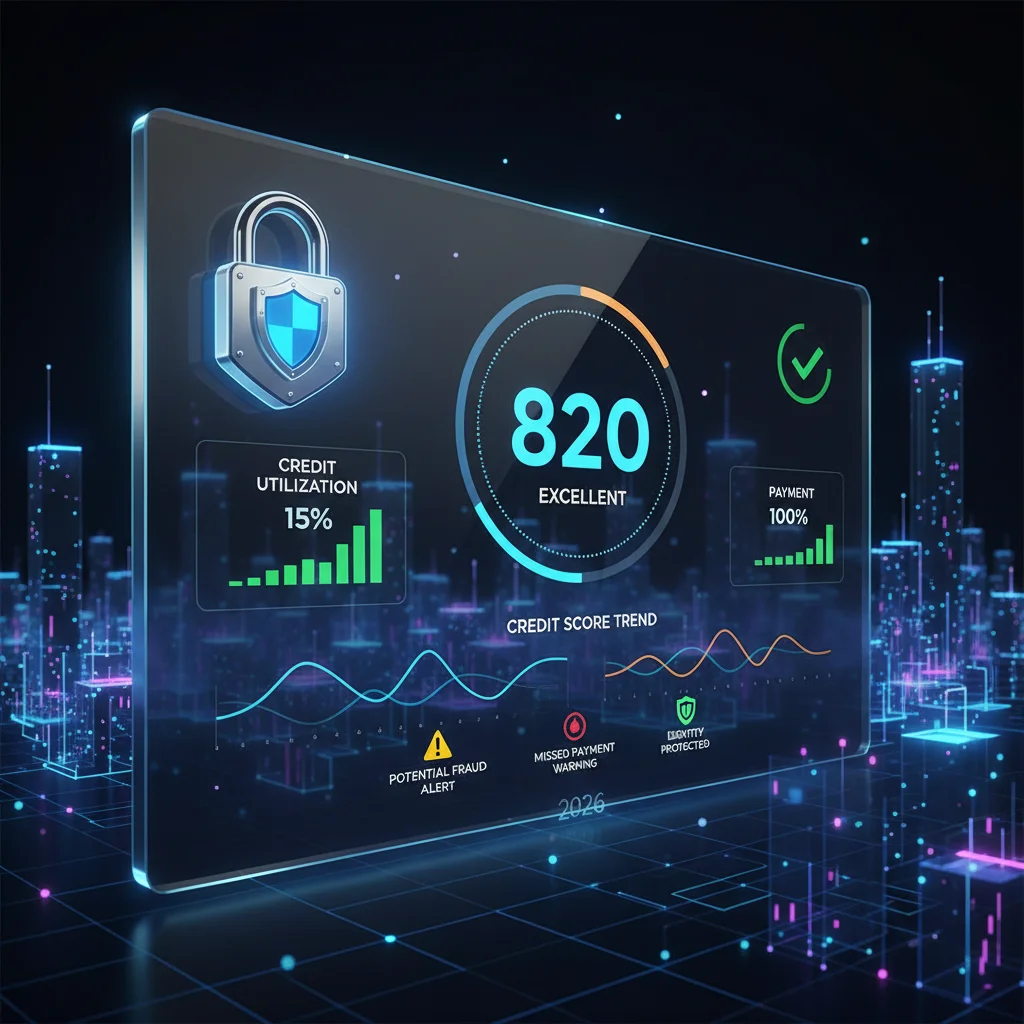
Credit Score Monitoring in 2026: Choosing the Best Free vs. Paid Services
In the rapidly evolving financial landscape of 2026, maintaining a vigilant eye on your Credit Score Monitoring is more crucial than ever. Your credit score is not just a number; it’s a powerful indicator of your financial health, influencing everything from loan approvals and interest rates to housing applications and even insurance premiums. With identity theft and data breaches becoming increasingly sophisticated, proactive credit monitoring is no longer a luxury but a necessity. But with a plethora of options available, how do you choose between free and paid credit monitoring services? This comprehensive guide will delve into the intricacies of Credit Score Monitoring in 2026, helping you understand the benefits, limitations, and key considerations for both free and paid solutions, ensuring you make the most informed decision for your financial well-being.
The Indispensable Role of Credit Score Monitoring in 2026
Before we dissect the various services, let’s firmly establish why Credit Score Monitoring is an indispensable component of your financial strategy in 2026. Your credit score, primarily generated by models like FICO and VantageScore, is a three-digit number representing your creditworthiness. Lenders, landlords, and even some employers use this score to assess your reliability. A healthy credit score opens doors to better financial opportunities, while a poor one can severely limit them.
The digital age, while offering unprecedented convenience, also brings heightened risks. Personal data is constantly in circulation, making individuals vulnerable to identity theft and fraudulent activities. A compromised identity can lead to new accounts being opened in your name, existing accounts being drained, and ultimately, a severely damaged credit score that can take years to repair. This is where robust Credit Score Monitoring steps in. It acts as an early warning system, alerting you to suspicious activities, potential errors, and significant changes in your credit report, allowing you to take swift action and mitigate damage.
Beyond fraud detection, proactive monitoring helps you understand and improve your credit health. By regularly reviewing your credit report, you can identify areas for improvement, such as high credit utilization or late payments, and work towards building a stronger financial foundation. In 2026, with the increasing reliance on automated financial assessments, a well-managed credit profile is paramount.
Understanding Your Credit Score and Report
To effectively engage in Credit Score Monitoring, it’s vital to understand the difference between your credit score and your credit report. Your credit report is a detailed history of your borrowing and repayment activities. It includes personal information, credit accounts (credit cards, loans, mortgages), public records (bankruptcies, tax liens), and credit inquiries. This report is compiled by the three major credit bureaus: Experian, Equifax, and TransUnion.
Your credit score, on the other hand, is a numerical representation derived from the information in your credit report. Different scoring models exist, with FICO and VantageScore being the most common. While the exact algorithms vary, they generally consider factors such as payment history, amounts owed, length of credit history, new credit, and credit mix. It’s important to note that you have multiple credit scores, as each bureau may have slightly different information, and different scoring models may be used.
Effective Credit Score Monitoring involves regularly reviewing both your credit scores and your detailed credit reports from all three bureaus. This comprehensive approach ensures you catch any discrepancies or fraudulent activity that might appear on one report but not another.
Free Credit Score Monitoring Services: What You Get and What You Miss
For many, the appeal of free Credit Score Monitoring services is undeniable. In 2026, there are numerous reputable platforms offering free access to your credit scores and reports. These services are an excellent starting point for anyone looking to keep a basic eye on their financial standing without incurring additional costs.
Benefits of Free Credit Monitoring:
- Accessibility: Free services are widely available through credit card companies, banks, and dedicated platforms like Credit Karma, Credit Sesame, and WalletHub.
- Regular Updates: Many free services provide weekly or monthly updates to one or more of your credit scores (often VantageScore, but sometimes FICO).
- Credit Report Access: You are legally entitled to one free credit report from each of the three major credit bureaus annually via AnnualCreditReport.com. Some free monitoring services also offer access to reports more frequently.
- Basic Alerts: Most free platforms offer basic alerts for significant changes, such as new accounts opened, hard inquiries, or changes in your address.
- Educational Resources: Many free services provide valuable educational content, tips for improving your credit score, and personalized recommendations for financial products.
Limitations of Free Credit Monitoring:
- Limited Scope: Free services often provide scores from only one or two bureaus, and usually a VantageScore, which may differ from the FICO score most lenders use.
- Delayed Alerts: While alerts are provided, they might not be real-time. Delays can be critical in cases of rapid identity fraud.
- Fewer Details: The depth of information and analysis provided in free reports is generally less comprehensive than what paid services offer.
- No Identity Theft Protection: Most free services do not include robust identity theft protection features like dark web monitoring, identity restoration, or identity theft insurance.
- Advertising: Free platforms often rely on advertising and product recommendations to generate revenue, which can sometimes feel intrusive.
Free Credit Score Monitoring is an excellent tool for general awareness and for individuals who are actively working on improving their credit and want to track their progress. It allows you to spot major red flags and understand the general trajectory of your credit health.
Paid Credit Score Monitoring Services: The Premium Protection
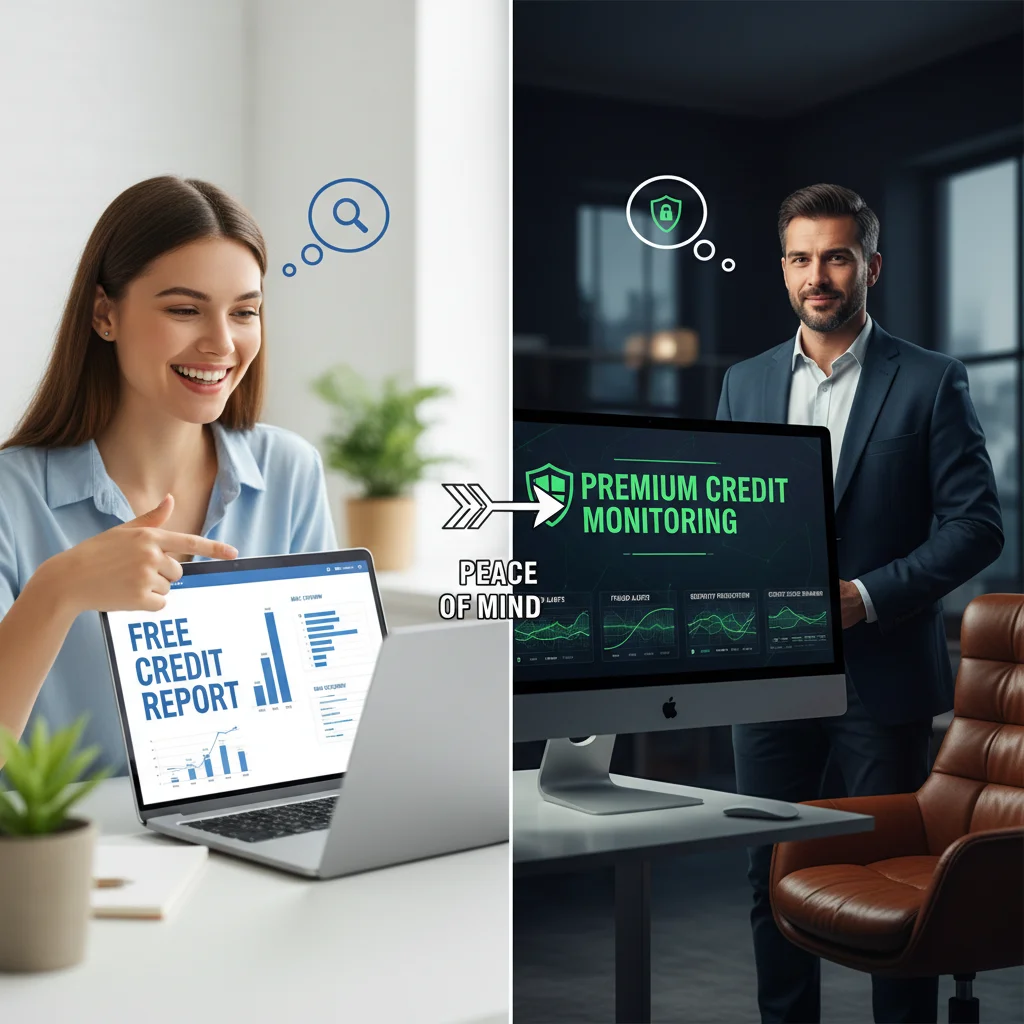
For those seeking a more robust and comprehensive approach to Credit Score Monitoring, paid services offer a significantly enhanced level of protection and insight. These services typically come with a monthly or annual fee but provide a suite of features that go far beyond basic credit score tracking.
Key Features and Benefits of Paid Credit Monitoring:
- Three-Bureau Monitoring: Paid services almost universally offer monitoring of your credit reports and scores from all three major bureaus (Experian, Equifax, and TransUnion). This provides a complete picture and ensures no fraudulent activity slips through the cracks.
- Daily Updates: Many premium services offer daily credit score and report updates, giving you the most current information available.
- Real-time Alerts: Critical alerts for new accounts, inquiries, address changes, and other suspicious activities are often delivered in real-time via email, SMS, or app notifications, enabling immediate action.
- FICO Score Access: Paid services frequently provide access to various FICO score versions, which are the most widely used scores by lenders, offering a more accurate reflection of what lenders see.
- Identity Theft Protection: This is a major differentiator. Paid services typically include:
- Dark Web Monitoring: Scans the dark web for your personal information (Social Security number, bank accounts, email addresses, etc.).
- Identity Restoration Services: If your identity is stolen, dedicated specialists will work on your behalf to restore your identity and repair any damage.
- Identity Theft Insurance: Provides financial coverage for expenses related to identity theft recovery, such as legal fees, lost wages, and administrative costs (up to a certain limit).
- Public Records Monitoring: Monitors for your name appearing in criminal records, address changes, and other public data.
- Credit Lock/Freeze Assistance: Helps you place and manage credit freezes or locks with the credit bureaus, an effective measure against new account fraud.
- Financial Account Monitoring: Some advanced plans monitor bank accounts, investment accounts, and credit card accounts for unusual activity.
- Lost Wallet Protection: Assistance with canceling and reissuing credit cards, driver’s licenses, and other important documents if your wallet is lost or stolen.
- Personalized Financial Tools: Budgeting tools, debt analysis, and what-if scenarios to help you understand the impact of financial decisions on your credit.
Considerations for Paid Credit Monitoring:
- Cost: The most significant consideration is the monthly or annual fee, which can range from $10 to $30 or more, depending on the breadth of services.
- Feature Overlap: Some features, like basic credit score access, might already be available for free elsewhere. It’s crucial to evaluate if the added benefits justify the cost.
- Complexity: The sheer number of features can sometimes be overwhelming, and it’s important to choose a service that aligns with your specific needs.
Paid Credit Score Monitoring is ideal for individuals who want maximum protection against identity theft, require comprehensive insight into their credit profiles from all three bureaus, and value the peace of mind that comes with dedicated support in case of a breach.
Key Players in Credit Score Monitoring in 2026
The market for Credit Score Monitoring services is competitive. Here’s a look at some prominent players in 2026, categorized by their primary offerings:
Popular Free Services:
- Credit Karma: Offers VantageScore 3.0 from TransUnion and Equifax, along with various financial tools and educational resources. Known for its user-friendly interface and personalized recommendations.
- Credit Sesame: Provides a free TransUnion VantageScore 3.0 and monitors your TransUnion report. Also offers identity theft protection and personalized financial product offers.
- WalletHub: Free TransUnion VantageScore 3.0 and daily updates, along with a full TransUnion credit report. Features include credit analysis and debt payoff calculators.
- Experian Boost/Free Experian Account: Experian offers free access to your Experian FICO Score 8 and Experian credit report. Experian Boost also allows you to potentially increase your score by including utility and telecom payments.
Leading Paid Services:
- IdentityForce: A highly-rated service known for its comprehensive identity theft protection, including dark web monitoring, social media monitoring, and robust identity restoration services. Offers three-bureau credit monitoring.
- LifeLock (Norton LifeLock): One of the most recognized names in identity theft protection, offering a range of plans that include three-bureau credit monitoring, dark web monitoring, identity theft insurance, and restoration services.
- Experian IdentityWorks Premium: Experian’s premium offering provides three-bureau credit reports and scores, daily monitoring, dark web surveillance, and identity theft insurance.
- MyFICO: Directly from the creators of the FICO score, MyFICO offers access to various FICO scores used by different lenders, along with three-bureau monitoring and identity theft protection. Ideal for those who want to see exactly what lenders see.
- PrivacyGuard: Offers comprehensive credit and identity protection services, including three-bureau credit reports and scores, daily monitoring, dark web monitoring, and identity theft insurance.
When evaluating paid services for Credit Score Monitoring, compare their features, pricing, and customer reviews to find the best fit for your specific needs and budget.
Making Your Choice: Free vs. Paid Credit Score Monitoring in 2026
The decision between free and paid Credit Score Monitoring ultimately depends on your individual risk tolerance, financial situation, and desired level of protection. Here’s a framework to help you decide:
Choose Free Credit Monitoring if:
- You’re on a tight budget: Free services provide valuable insights without any cost.
- You’re primarily interested in tracking your credit score: If your main goal is to see your score and get basic alerts, free options are sufficient.
- You have a low-risk profile: If you’re not overly concerned about identity theft (though vigilance is always advised), basic monitoring might suffice.
- You’re comfortable with annual credit report checks: You can supplement free monitoring with your annual free reports from AnnualCreditReport.com.
Choose Paid Credit Monitoring if:
- You’ve been a victim of identity theft before: The enhanced protection and restoration services are invaluable.
- You have a high net worth or complex financial profile: More assets mean more potential targets for fraudsters.
- You want the highest level of identity theft protection: Features like dark web monitoring, public records monitoring, and identity theft insurance provide peace of mind.
- You need three-bureau monitoring and FICO scores: If you’re applying for major loans (mortgage, car), having access to all three FICO scores is crucial.
- You prefer real-time alerts and dedicated support: Immediate notification and expert assistance can make a significant difference in mitigating damage.
It’s also worth noting that some individuals opt for a hybrid approach: using free services for regular checks and supplementing with a paid identity theft protection service that may or may not include full credit monitoring. This allows for a balance of cost and coverage.
Beyond Monitoring: Proactive Steps for Credit Health
While Credit Score Monitoring is a critical defensive strategy, it’s equally important to engage in proactive measures to maintain and improve your credit health. In 2026, these actions remain fundamental:
- Pay Your Bills On Time: Payment history is the most significant factor in your credit score. Set up automatic payments or reminders to ensure you never miss a due date.
- Keep Credit Utilization Low: Aim to use no more than 30% of your available credit on credit cards. Lower utilization signals responsible credit management.
- Maintain a Long Credit History: The longer your credit accounts have been open and in good standing, the better. Avoid closing old, unused credit cards if they have no annual fee.
- Diversify Your Credit Mix: A healthy mix of revolving credit (credit cards) and installment loans (mortgages, car loans) can positively impact your score.
- Limit New Credit Applications: Each hard inquiry can temporarily ding your score. Only apply for credit when genuinely needed.
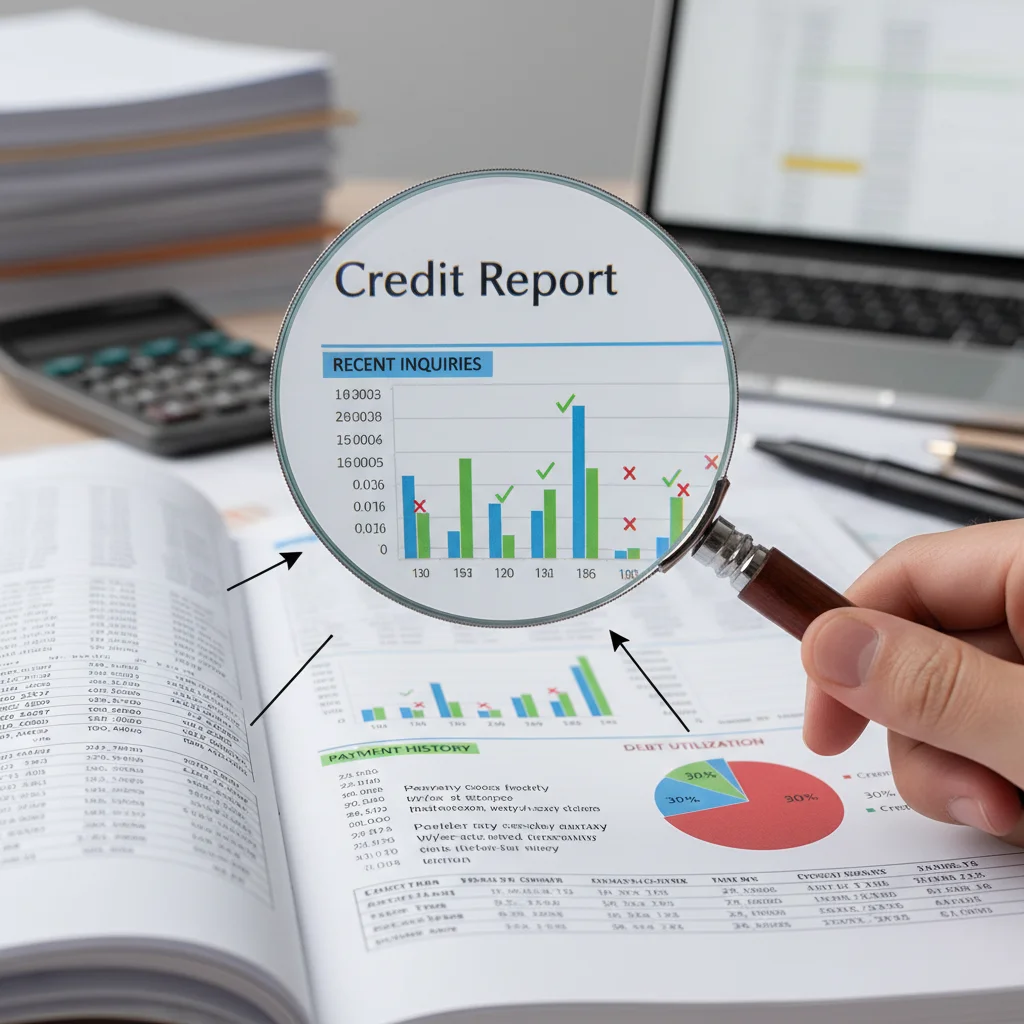
- Regularly Review Your Credit Reports: Even with monitoring, a manual review of your full reports from all three bureaus annually via AnnualCreditReport.com is crucial to catch any inaccuracies that automated systems might miss. Dispute any errors immediately.
- Secure Your Personal Information: Use strong, unique passwords, enable two-factor authentication, and be wary of phishing scams.
The Future of Credit Score Monitoring in 2026 and Beyond
As we navigate 2026, the landscape of Credit Score Monitoring continues to evolve. Expect to see greater integration of artificial intelligence and machine learning to detect anomalies more rapidly and accurately. Behavioral biometrics and advanced encryption will likely become standard features in premium services, offering even stronger protection against sophisticated cyber threats.
Furthermore, there’s a growing trend towards more inclusive credit scoring models that incorporate alternative data points, such as rent payments, utility bills, and even banking transaction history, to provide a more holistic view of an individual’s financial responsibility. This could mean that future monitoring services will need to track an even broader range of personal financial data.
The emphasis will remain on real-time, proactive protection. As fraudsters become more adept, so too must our defenses. Choosing the right Credit Score Monitoring service in 2026 means staying ahead of these trends and ensuring your financial identity is safeguarded against present and future threats.
Conclusion: Empowering Your Financial Future with Smart Credit Score Monitoring
In conclusion, whether you opt for a free or paid service, engaging in diligent Credit Score Monitoring is non-negotiable in 2026. Your credit score is a vital asset that requires continuous attention and protection. Free services offer an accessible entry point for basic awareness and tracking, while paid services provide comprehensive identity theft protection, real-time alerts, and deeper insights into your credit profile from all three bureaus.
Take the time to assess your personal financial situation, your risk tolerance, and your budget. Understand the features and limitations of each option. By making an informed decision about your Credit Score Monitoring strategy, you empower yourself to detect fraud early, correct errors promptly, and continuously improve your credit health. This proactive approach will not only protect your financial present but also secure your financial future, opening doors to better opportunities and greater peace of mind in the years to come.