2026 Guide: Legally Remove Negative Credit Items for a Better Score

The 2026 Guide to Legally Remove Negative Items from Your Credit Report
In today’s financial landscape, your credit score is more than just a number; it’s a gateway to opportunities. From securing a mortgage to getting the best rates on loans, a healthy credit score is paramount. However, negative items on your credit report can significantly hinder your progress, making it challenging to achieve your financial goals. The good news is that you don’t have to live with these blemishes forever. This comprehensive 2026 guide will walk you through the legal and effective strategies to remove negative credit items from your report, empowering you to take control of your financial future.
Understanding your credit report and the impact of negative items is the first step towards rectifying them. Many consumers are unaware of their rights or the processes involved in challenging inaccuracies. This article aims to demystify the process, offering practical advice and up-to-date information for 2026. Whether you’re dealing with late payments, collections, charge-offs, or bankruptcies, there are avenues you can explore to improve your credit standing.
Why Your Credit Score Matters More Than Ever in 2026
The year 2026 brings with it evolving financial regulations and an increased reliance on credit scores for various aspects of life. Lenders, landlords, and even some employers use credit reports to assess financial responsibility. A low credit score due to negative items can lead to:
- Higher interest rates on loans and credit cards.
- Difficulty in qualifying for mortgages or auto loans.
- Increased insurance premiums.
- Challenges in renting an apartment.
- Potential impact on employment opportunities in certain sectors.
Therefore, actively working to remove negative credit entries is not just about getting approved for credit; it’s about unlocking better financial terms and expanding your life choices. This guide will help you navigate the complexities of credit repair, ensuring you understand each step to legally challenge and remove detrimental entries.
Understanding Your Credit Report: The Foundation of Credit Repair
Before you can effectively remove negative credit items, you need to know exactly what’s on your report. The three major credit bureaus – Experian, Equifax, and TransUnion – compile and maintain your credit information. It’s crucial to obtain a copy from each, as they may not contain identical information.
How to Obtain Your Credit Reports
You are entitled to a free copy of your credit report from each of the three major credit bureaus once every 12 months through AnnualCreditReport.com. This is the only federally authorized website for free credit reports. Be wary of other sites claiming to offer free reports, as they may be scams or attempt to enroll you in paid services.
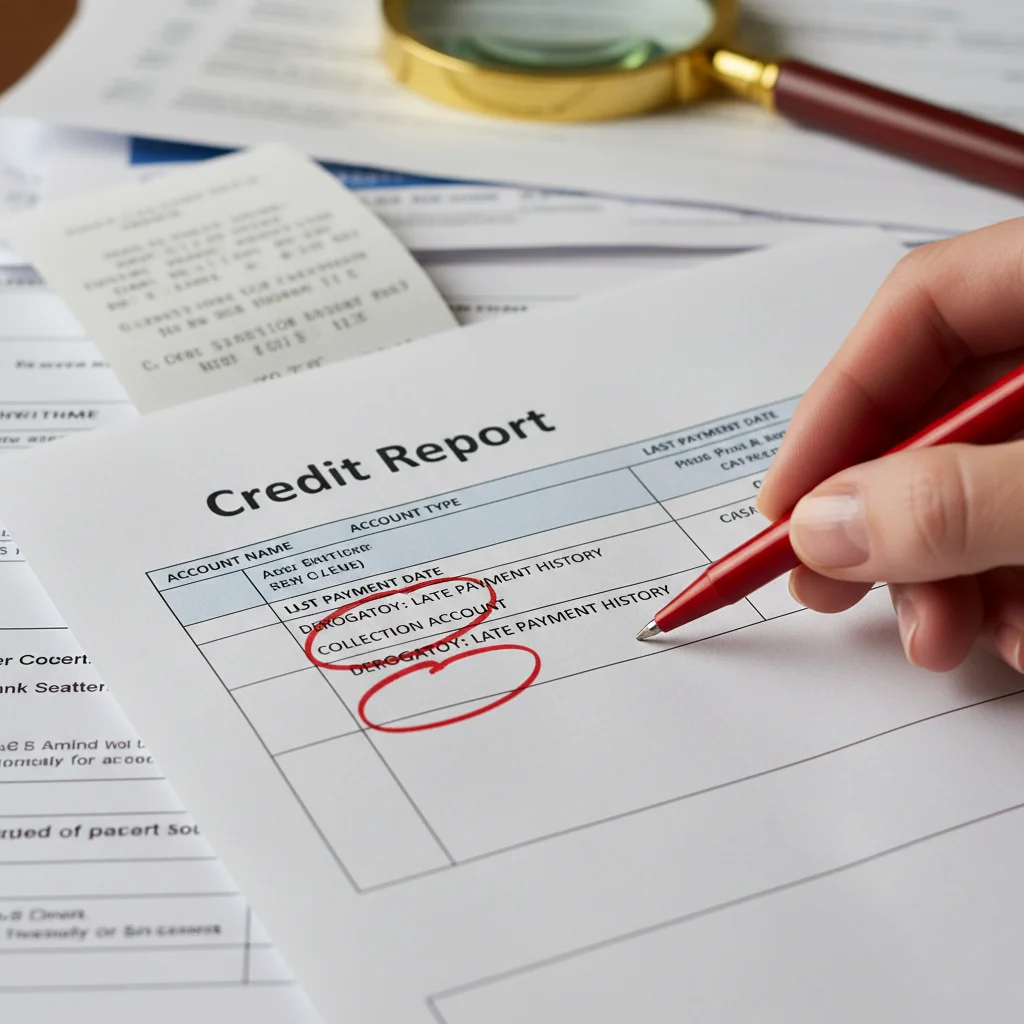
Upon receiving your reports, scrutinize every detail. Look for:
- Inaccurate personal information: Incorrect names, addresses, or social security numbers.
- Accounts you don’t recognize: These could be signs of identity theft.
- Incorrect account statuses: An account listed as open when it’s closed, or a late payment reported incorrectly.
- Duplicate accounts: The same debt listed multiple times.
- Outdated information: Negative items that should have fallen off your report due to age.
Identifying these discrepancies is the critical first step in your journey to remove negative credit entries.
Legal Strategies to Remove Negative Credit Items
Once you’ve identified the negative items, it’s time to act. There are several legal and ethical strategies you can employ to challenge and potentially remove negative credit entries. Remember, patience and persistence are key.
1. Dispute Inaccurate Information with Credit Bureaus
The Fair Credit Reporting Act (FCRA) grants you the right to dispute any information on your credit report that you believe is inaccurate, incomplete, or unverifiable. This is often the most effective way to remove negative credit items that are erroneous.
The Dispute Process: A Step-by-Step Guide for 2026
- Gather Documentation: Collect any evidence that supports your claim, such as payment records, bank statements, or correspondence with creditors.
- Write a Dispute Letter: Clearly state the inaccurate item, why you believe it’s incorrect, and request its removal or correction. Be specific and include copies (not originals) of your supporting documents.
- Send Letters to All Three Bureaus: Even if an item only appears on one report, send a dispute to all three. Use certified mail with a return receipt requested to prove they received your dispute.
- Credit Bureau Investigation: By law, the credit bureau must investigate your dispute within 30 days (45 days if you provide additional information after the initial dispute). They will contact the furnisher of the information (the creditor or collection agency) to verify the item.
- Outcome of the Dispute:
- If the information is found to be inaccurate or unverifiable, it must be removed from your report.
- If the information is verified, it will remain on your report. You will receive a notification of the outcome.
It’s important to be meticulous during this process. A well-documented dispute has a higher chance of success when you aim to remove negative credit entries.
2. Negotiate with Creditors and Collection Agencies
Even if an item is accurate, you might still be able to negotiate its removal, especially for collection accounts or charge-offs. This often involves a ‘pay-for-delete’ agreement.
Pay-for-Delete Agreements
A pay-for-delete agreement is when you offer to pay a collection agency or original creditor a portion or the full amount of a debt in exchange for them agreeing to remove the negative entry from your credit report. Here’s how to approach it:
- Contact the Creditor/Collector: Reach out and explain your situation. Be polite but firm.
- Make an Offer: Offer to pay a specific amount (e.g., 50-70% of the debt for collections) in exchange for removal.
- Get it in Writing: This is CRUCIAL. Never pay anything without a written agreement stating that they will remove the negative entry from all three credit bureaus upon receipt of payment. Verbal agreements are not legally binding and can lead to disappointment.
- Make the Payment: Once you have the written agreement, make the payment as agreed.
- Monitor Your Report: After payment, monitor your credit reports to ensure the item is removed as promised. If not, follow up with the creditor/collector and, if necessary, dispute with the credit bureaus, providing your written agreement as evidence.
While not all creditors or collection agencies will agree to a pay-for-delete, it’s a powerful tool to remove negative credit items if successful.
3. Goodwill Letters for Late Payments
A goodwill letter is an appeal to a creditor to remove a late payment from your credit report, even if the payment was legitimately late. This strategy is most effective for isolated late payments on otherwise good accounts.
Crafting an Effective Goodwill Letter
- Be Polite and Apologetic: Acknowledge your mistake and take responsibility for the late payment.
- Explain the Circumstances: Briefly explain why the payment was late (e.g., medical emergency, job loss, honest oversight). Avoid making excuses.
- Highlight Your Good Payment History: Emphasize your otherwise stellar payment history with them.
- Request Goodwill Removal: Politely ask them to remove the late payment entry as a gesture of goodwill.
- Send to the Original Creditor: This is generally more effective with the original creditor than a collection agency.
While there’s no guarantee of success, a well-written goodwill letter can sometimes persuade a creditor to help you remove negative credit marks. It’s a low-risk strategy with potential high reward.
4. Dealing with Bankruptcies, Foreclosures, and Other Major Negative Events
Major negative events like bankruptcies, foreclosures, and repossessions have a significant impact and remain on your report for 7 to 10 years. While these are harder to remove if accurate, you can still ensure accuracy and dispute any incorrect details.
- Bankruptcy: Chapter 7 bankruptcies stay for 10 years, Chapter 13 for 7 years. Ensure the reporting dates are correct.
- Foreclosures/Repossessions: These typically remain for 7 years from the date of the first delinquency. Verify the dates and accuracy of the reporting.
Even if the main event cannot be removed, ensuring all associated details are accurate can prevent further damage and help you rebuild faster. Focus on adding positive credit history to outweigh these entries as they age.
Advanced Strategies and Considerations for 2026
Beyond the basic disputes and negotiations, there are other aspects to consider when trying to remove negative credit items.
Statute of Limitations on Debts
Each state has a statute of limitations (SOL) on how long a creditor or collection agency can sue you to collect a debt. While the debt itself doesn’t disappear from your credit report until it ages off (usually 7 years), understanding the SOL is important. If a debt is past the SOL, a collector cannot legally sue you for it. However, paying even a small amount on an old debt can sometimes ‘re-age’ it, restarting the SOL clock. Be cautious when dealing with very old debts.
Cease and Desist Letters for Harassing Collectors
If collection agencies are harassing you, you have rights under the Fair Debt Collection Practices Act (FDCPA). Sending a cease and desist letter can legally stop them from contacting you. While this doesn’t remove negative credit entries, it can provide peace of mind and allow you to deal with the debt on your terms.
Dealing with Identity Theft
If you find accounts on your report that are not yours, it could be a sign of identity theft. Act immediately:
- File a Police Report: This is essential for proving identity theft.
- Report to the FTC: Use IdentityTheft.gov to create a recovery plan and get an official Identity Theft Report.
- Dispute with Credit Bureaus: Send copies of your police report and FTC report with your dispute letters.
- Contact Creditors: Inform them of the identity theft and request fraudulent accounts be closed and removed.
The FCRA offers strong protections for victims of identity theft, making it possible to swiftly remove negative credit items that are a result of fraud.

When to Consider Professional Credit Repair Services
While many consumers successfully navigate credit repair on their own, some situations may warrant professional help. Credit repair companies can assist with:
- Complex Cases: If you have numerous negative items or a history of identity theft.
- Time Constraints: If you don’t have the time or patience to manage the dispute process yourself.
- Expertise: Professionals are familiar with credit laws and effective dispute tactics.
If you choose to hire a credit repair company, do your due diligence. Look for reputable companies with transparent pricing and a track record of success. Be wary of anyone promising instant results or asking for upfront payment for services not yet rendered, as these practices are often illegal under the Credit Repair Organizations Act (CROA).
Rebuilding Your Credit After Removing Negative Items
Successfully removing negative items is a significant achievement, but it’s only half the battle. The next crucial step is to rebuild your credit and establish a positive payment history. This proactive approach ensures that your efforts to remove negative credit entries lead to lasting financial improvement.
Strategies for Credit Rebuilding:
- Make All Payments On Time: This is the single most important factor in your credit score. Set up reminders or automatic payments.
- Reduce Credit Utilization: Keep your credit card balances low, ideally below 30% of your available credit. Lower is always better.
- Diversify Your Credit Mix: A healthy mix of credit (e.g., credit cards, installment loans) can be beneficial, but only if managed responsibly.
- Become an Authorized User: If a trusted family member with excellent credit adds you as an authorized user on their credit card, their positive payment history can reflect on your report.
- Consider a Secured Credit Card or Credit Builder Loan: These are excellent tools for those with poor or limited credit to establish a positive payment history.
- Monitor Your Credit Regularly: Continue to check your credit reports from all three bureaus annually to catch any new inaccuracies or potential identity theft.
Consistent positive financial behavior will gradually improve your credit score and solidify your financial foundation. The journey to remove negative credit items is intertwined with building a strong financial future.
Common Misconceptions About Credit Repair in 2026
The credit repair industry is ripe with myths and misinformation. It’s important to separate fact from fiction as you work to remove negative credit entries.
- Myth: You can instantly remove negative items. Fact: Credit repair takes time. The dispute process alone can take 30-45 days per item, and some items are legitimately accurate and cannot be removed prematurely.
- Myth: You can pay someone to ‘erase’ your credit history. Fact: No one can legally or ethically ‘erase’ your entire credit history. Legitimate credit repair focuses on removing inaccurate or unverifiable information.
- Myth: Closing old accounts is always good for your score. Fact: Closing old, established accounts can negatively impact your credit utilization and the length of your credit history, both of which are important factors.
- Myth: Checking your credit report frequently hurts your score. Fact: Checking your own credit report (a ‘soft inquiry’) does not affect your score. Only ‘hard inquiries’ (when you apply for new credit) can have a minor, temporary impact.
- Myth: All negative items disappear after 7 years. Fact: Most negative items like late payments, collections, and charge-offs remain for 7 years from the date of the first delinquency. Bankruptcies can stay for 10 years.
Understanding these truths will help you make informed decisions and avoid scams as you work to remove negative credit items.
The Future of Credit Reporting: What to Expect in 2026 and Beyond
The credit reporting landscape is continuously evolving. In 2026, we can expect continued emphasis on data accuracy and consumer protection. Initiatives like the National Consumer Assistance Plan (NCAP) have already led to stricter reporting standards for public records and medical debt. While these changes often benefit consumers, staying informed is key.
New technologies, such as AI-driven fraud detection and alternative data sources (like rent and utility payments), are also shaping how creditworthiness is assessed. While these might not directly help you remove negative credit from existing reports, they can offer new avenues for building positive credit profiles in the future.
Conclusion: Empowering Yourself to Remove Negative Credit
Removing negative items from your credit report in 2026 is an achievable goal that requires diligence, knowledge, and perseverance. By understanding your rights, meticulously reviewing your credit reports, and employing the legal strategies outlined in this guide – from disputing inaccuracies to negotiating with creditors – you can significantly improve your financial standing.
Remember that credit repair is a marathon, not a sprint. Each successful dispute, negotiation, or goodwill gesture brings you closer to a healthier credit score and greater financial freedom. Take the first step today: obtain your credit reports, identify those negative entries, and begin your journey to legally remove negative credit and unlock a brighter financial future.
Your credit score is a reflection of your financial history, but it doesn’t have to define your financial future. With the right approach and consistent effort, you can transform your credit report and open doors to new opportunities. Start today, and make 2026 the year you take definitive control of your credit health.