Medical Debt Reporting Changes: Your 2026 Credit Score Impact Explained

In the complex landscape of personal finance, few things can cast a shadow as quickly and profoundly as unexpected medical debt. For years, medical bills, especially those that went to collections, have been a significant drag on individuals’ credit scores, often through no fault of their own. However, the financial tides are shifting, with major changes in how medical debt is reported to credit bureaus set to fully impact your financial standing by 2026. Understanding these medical debt reporting changes is not just important; it’s crucial for safeguarding your financial health and ensuring your credit score accurately reflects your creditworthiness.
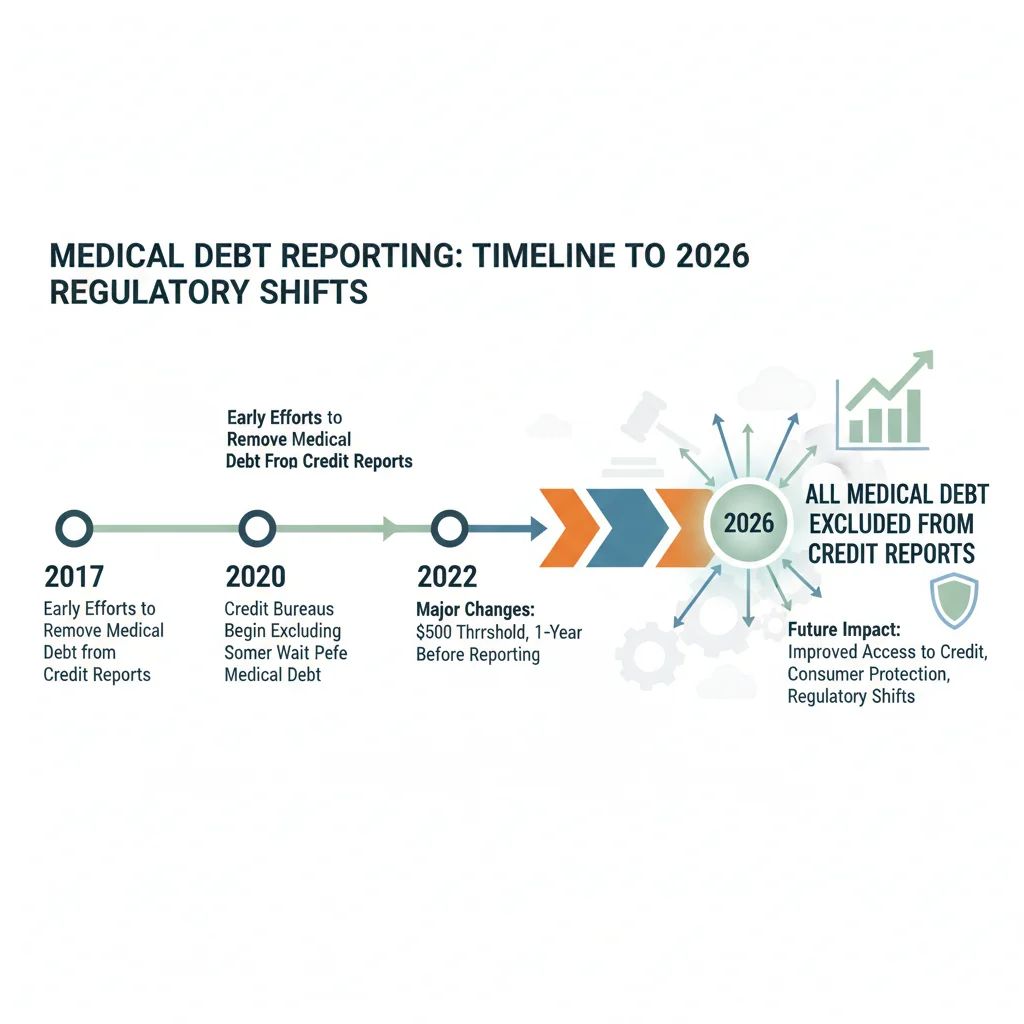
The journey to these changes has been gradual, with incremental adjustments made over the past few years. Initially, paid medical collection debt was removed from credit reports. Then, unpaid medical collection debt under a certain threshold was also excluded. Now, as we look towards 2026, even more substantial shifts are on the horizon, promising a clearer, fairer picture for consumers. These changes are designed to alleviate the burden of medical debt on credit scores, recognizing that such debt often arises from unforeseen circumstances rather than financial irresponsibility.
This comprehensive guide will delve into the specifics of these upcoming changes, exploring their implications for your credit score, what you can expect, and, most importantly, how you can proactively manage your financial health in light of these developments. We’ll break down the regulations, discuss the timeline, and offer actionable advice to help you navigate this evolving financial environment. By the end of this article, you’ll have a clear understanding of how the new rules regarding medical debt credit reporting will affect you and what steps you need to take to optimize your credit score for 2026 and beyond.
The Evolution of Medical Debt Reporting: A Timeline to 2026
To truly grasp the significance of the 2026 changes, it’s essential to understand the journey that led us here. For decades, medical debt, once sent to collections, could remain on a credit report for up to seven years, regardless of whether it was paid. This often led to a disproportionate negative impact on credit scores, making it harder for individuals to secure loans, housing, and even employment.
Initial Reforms: 2022 and Beyond
The first wave of significant reforms began in July 2022, when the three major credit reporting agencies – Equifax, Experian, and TransUnion – announced that paid medical collection debt would no longer appear on consumer credit reports. This was a monumental step, as it meant that once a medical bill in collections was settled, its negative impact on a credit score would be completely erased, offering a fresh start to many.
Following this, in the first half of 2023, another crucial change was implemented: unpaid medical collection debt under $500 was also removed from credit reports. This move aimed to address smaller, often overlooked medical bills that could still unfairly ding a credit score. The rationale behind this was that smaller medical debts are often the result of billing errors or insurance disputes, rather than an inability to pay, and should not penalize consumers.
The Road to 2026: The Latest and Most Impactful Changes
The most far-reaching changes are slated to take full effect by 2026. The Consumer Financial Protection Bureau (CFPB) has been a primary driver behind these reforms, advocating for policies that prevent medical debt from unfairly damaging credit scores. The core of these upcoming changes involves a significant shift in how medical collection debt is treated, particularly regarding its inclusion in credit reporting models.
Specifically, the CFPB has proposed rules that would prohibit credit reporting companies from including medical debt on credit reports altogether. This means that, eventually, no medical debt – regardless of its amount or whether it’s paid or unpaid – would be factored into your credit score calculations. This is a game-changer, as it fundamentally alters the landscape of how medical debt impacts your medical debt credit standing.
The intent behind these regulations is clear: to ensure that consumers are not penalized for medical emergencies or complex healthcare billing systems. Medical debt is distinct from other forms of debt, like credit card debt or mortgage debt, as it is often involuntary and unpredictable. By removing it from credit reports, the aim is to provide a more accurate and equitable assessment of an individual’s financial reliability.
Understanding the Impact on Your 2026 Credit Score
With these changes, the landscape of credit scoring will look significantly different by 2026. For millions of Americans, this could translate into a healthier credit score, opening up new financial opportunities. Let’s explore the direct impacts.
Potential for Credit Score Increases
The most immediate and positive impact for many will be an increase in their credit scores. If you currently have medical debt in collections on your credit report, its removal could lead to a noticeable bump. Studies have shown that even small medical collections can depress credit scores by several points, and larger ones by even more. With their complete exclusion, these negative marks will vanish, potentially improving your eligibility for loans, better interest rates, and other financial products.
It’s important to note that the exact increase will vary depending on your individual credit profile, the amount and age of the medical debt, and other factors. However, the general trend will be upward for those affected. This is particularly beneficial for individuals who have struggled with medical debt for extended periods, providing them with a much-needed boost to their financial standing.
Reduced Impact on Lending Decisions
Beyond the numerical score, the absence of medical debt on credit reports will likely influence how lenders view your creditworthiness. Lenders often look beyond just the score, examining the types of debts and their payment history. When medical debt is no longer visible, it removes a common red flag that some lenders might have used to deny credit or offer less favorable terms. This could lead to:
- Easier loan approvals: For mortgages, auto loans, and personal loans, the absence of medical collections can make you a more attractive borrower.
- Lower interest rates: A higher credit score and a cleaner credit report generally translate to lower interest rates, saving you significant money over the life of a loan.
- Improved access to housing: Landlords often check credit reports, and the removal of medical debt could make it easier to secure rental properties.

A More Accurate Reflection of Financial Responsibility
Perhaps one of the most significant philosophical shifts is that credit reports will become a more accurate reflection of an individual’s financial responsibility. Critics of including medical debt on credit reports have long argued that it doesn’t accurately predict future payment behavior. Unlike voluntary debts, medical bills often arise unexpectedly and can be overwhelming, even for financially responsible individuals.
By removing medical debt, credit scores will primarily reflect how well you manage voluntary debts, such as credit cards, mortgages, and auto loans. This provides a clearer and fairer picture for both consumers and lenders, fostering a more equitable financial system. It acknowledges the unique nature of healthcare costs and their often-unpredictable impact on personal finances.
What to Expect and What to Do: A 3-Month Update Towards 2026
While the full impact of these changes will be felt by 2026, it’s crucial to stay informed and proactive in the months leading up to it. Here’s a 3-month update perspective on what you should expect and what actions you can take now.
Monitoring Your Credit Reports
Even with the impending changes, regularly monitoring your credit reports remains paramount. You are entitled to a free copy of your credit report from each of the three major credit bureaus once every 12 months through AnnualCreditReport.com. As we approach 2026, make it a point to:
- Review for accuracy: Check for any medical collection accounts that may still be listed, especially if they are under the current $500 threshold or have been paid.
- Dispute errors: If you find any inaccuracies, dispute them immediately with the credit bureau. Even with the upcoming changes, it’s good practice to ensure your report is clean.
- Track changes: Observe how your credit report evolves as the new rules are implemented. You might see certain medical collections disappear over time.
Understanding the Role of Collection Agencies
Even if medical debt won’t appear on your credit report, collection agencies can still pursue payment. The new rules don’t eliminate the debt itself; they only change how it’s reported. Therefore, it’s essential to understand your rights and options when dealing with collection agencies:
- Validate the debt: Always ask the collection agency to validate the debt, requesting proof that you owe it and that they have the right to collect it.
- Negotiate payments: If the debt is legitimate, try to negotiate a payment plan or a settlement for a lower amount.
- Know your rights: Familiarize yourself with the Fair Debt Collection Practices Act (FDCPA), which protects consumers from abusive debt collection practices.
Proactive Steps for Financial Wellness
While the changes offer relief, they also present an opportunity to build stronger financial habits. Here are some proactive steps:
- Build an emergency fund: Having savings to cover unexpected medical expenses can prevent future bills from going to collections in the first place.
- Understand your insurance: Thoroughly review your health insurance policy to understand your coverage, deductibles, co-pays, and out-of-pocket maximums.
- Negotiate medical bills: Don’t hesitate to negotiate with healthcare providers for lower costs or payment plans, even before a bill goes to collections. Many hospitals offer financial assistance programs.
- Seek financial counseling: If you’re struggling with medical debt or other financial challenges, consider consulting with a non-profit credit counseling agency.
The Broader Implications of Medical Debt Reporting Changes
The impact of these changes extends beyond individual credit scores, resonating throughout the healthcare and financial industries. These shifts reflect a growing recognition of the unique challenges posed by medical debt and a broader movement towards more consumer-friendly financial regulations.
Changes for Healthcare Providers and Insurers
Healthcare providers and insurers may need to adapt their billing and collection practices. With medical debt no longer acting as a significant leverage point on credit scores, providers might face increased pressure to:
- Improve billing transparency: Clearer, more understandable bills can reduce disputes and prevent bills from going to collections.
- Offer more flexible payment options: Hospitals and clinics may need to provide more accessible payment plans and financial assistance programs.
- Focus on early intervention: Engaging with patients about payment options earlier in the process could become more critical.
Insurers may also face renewed scrutiny regarding claim processing and communication, as delays or denials can often contribute to unexpected medical debt for patients.
Impact on Credit Bureaus and Lenders
Credit bureaus will need to adjust their reporting methodologies and scoring models to exclude medical debt effectively. This requires significant technological and procedural changes. Lenders, in turn, will need to refine their risk assessment models. While medical debt will no longer be a factor, they may place greater emphasis on other aspects of a credit report, such as payment history on voluntary debts and overall debt-to-income ratios.
This could lead to a more nuanced approach to lending, where the focus shifts entirely to an individual’s ability and willingness to manage traditional financial obligations. The aim is to create a lending environment that is both fair to consumers and sustainable for financial institutions, ensuring that the assessment of creditworthiness is based on relevant and predictive factors.
A Step Towards Financial Equity
Ultimately, these medical debt reporting changes represent a significant step towards financial equity. Medical debt disproportionately affects vulnerable populations, including low-income individuals, minorities, and the elderly. By removing this barrier, the new regulations aim to level the playing field, giving more people the opportunity to achieve financial stability and access essential services without the undue burden of medical collections on their credit reports.
This is part of a broader societal conversation about the role of healthcare costs in personal finance and the need for systems that protect consumers from financial ruin due to illness or injury. The changes acknowledge that health is a fundamental right, and individuals should not be financially penalized for seeking necessary medical care.
Preparing for Your 2026 Financial Outlook
As 2026 approaches, the proactive steps you take now will define your financial outlook. The removal of medical debt from credit reports offers a unique opportunity for a fresh start for many. It’s a chance to re-evaluate your financial habits, understand your credit, and build a more resilient financial future.
Reviewing Your Financial Goals
With the potential for improved credit scores, now is an excellent time to revisit your financial goals. Are you planning to buy a home, purchase a new car, or refinance existing debt? A better credit score can significantly impact your ability to achieve these aspirations, offering lower interest rates and more favorable terms. Consider how these changes might accelerate your plans or make previously unattainable goals within reach.
Establishing Healthy Credit Habits
While medical debt will be less of a concern, maintaining healthy credit habits for other types of debt remains crucial. This includes:
- Paying bills on time: Payment history is the most significant factor in your credit score.
- Keeping credit utilization low: Aim to use less than 30% of your available credit on revolving accounts.
- Diversifying credit responsibly: A mix of credit types (e.g., installment loans and revolving credit) can be beneficial, but only if managed well.
- Limiting new credit applications: Only apply for credit when genuinely needed to avoid too many hard inquiries.
Advocacy and Awareness
Staying informed about ongoing financial regulations and consumer protections is also vital. The landscape of financial regulation is constantly evolving, and being aware of your rights and available resources can empower you to make informed decisions. Support organizations that advocate for consumer protection and fair financial practices, as their work directly impacts the policies that affect your financial well-being.
Conclusion: A Brighter Credit Future for Many
The impending medical debt reporting changes by 2026 mark a pivotal moment in consumer finance. By removing medical collection debt from credit reports, these reforms aim to create a fairer, more accurate system for assessing creditworthiness, providing relief and new opportunities for millions of Americans. It acknowledges the unique and often involuntary nature of medical debt, ensuring that unexpected health crises do not unfairly derail an individual’s financial future.
As we move closer to 2026, it’s imperative to remain vigilant. Monitor your credit reports, understand your rights regarding debt collection, and continue to build strong financial habits. These changes offer a significant opportunity to improve your credit score and overall financial health. By taking proactive steps today, you can position yourself to fully benefit from these reforms and secure a brighter financial future, free from the shadow of medical debt on your credit report.
Embrace these changes as a chance to reset and strengthen your financial foundation. The journey to 2026 is an opportunity for greater financial peace of mind and a more equitable credit system for everyone.