Elderly Financial Exploitation: 2026 Prevention Guide

In an increasingly digital and interconnected world, the financial well-being of our elderly relatives faces unprecedented threats. As technology advances, so do the sophistication and prevalence of scams targeting vulnerable populations. Elderly financial exploitation is a growing concern, impacting millions of seniors globally and resulting in billions of dollars in losses annually. This comprehensive guide for 2026 aims to equip families, caregivers, and seniors themselves with the knowledge and tools necessary to identify, prevent, and respond to financial exploitation. Understanding the evolving landscape of these predatory practices is the first step towards safeguarding the hard-earned savings and peace of mind of our beloved elders.
The Alarming Reality of Elderly Financial Exploitation in 2026
The statistics surrounding elderly financial exploitation are stark. Reports indicate that one in ten Americans aged 60 or older has experienced some form of abuse, with financial exploitation being one of the most common. The true numbers are likely much higher, as many cases go unreported due to shame, fear, or cognitive impairment. In 2026, scammers continue to leverage advanced technologies, including AI-powered voice cloning, deepfakes, and sophisticated phishing techniques, making it harder than ever for individuals to discern legitimate communications from fraudulent ones.
Financial exploitation isn’t just about losing money; it can have devastating psychological and emotional consequences, leading to increased stress, anxiety, depression, and a loss of independence. For many seniors, their retirement savings represent a lifetime of hard work, and losing it can mean a significant decline in their quality of life, access to healthcare, and overall well-being. Therefore, proactive prevention and a robust support system are paramount.
Understanding the Tactics: Common Scams Targeting Seniors
Scammers are masters of manipulation, preying on trust, loneliness, and fear. They constantly adapt their methods, but certain categories of scams remain prevalent. Recognizing these common tactics is crucial for preventing elderly financial exploitation.
1. Grandparent Scams and Emergency Scams
This classic scam involves a fraudster posing as a grandchild or other close family member in distress, urgently needing money for an emergency (e.g., bail, medical bills, travel). The scammer often pressures the senior to act quickly and keep the situation a secret. With AI voice cloning, these scams are becoming frighteningly realistic, mimicking the voice of a loved one.
2. Tech Support Scams
Fraudsters pretend to be from well-known tech companies (e.g., Microsoft, Apple) or internet service providers, claiming to have detected a virus or security issue on the senior’s computer. They then demand remote access to the computer and payment for unnecessary ‘repairs’ or ‘software,’ often installing malicious programs or stealing personal information.
3. Government Impersonation Scams
Scammers pose as representatives from government agencies like the IRS, Social Security Administration, or Medicare. They threaten arrest, legal action, or loss of benefits if immediate payment or personal information is not provided. They often demand payment in unconventional forms, such as gift cards, wire transfers, or cryptocurrency.
4. Lottery and Sweepstakes Scams
Seniors are informed they’ve won a large sum of money or a prize but must pay ‘taxes’ or ‘fees’ upfront to claim it. The promised winnings never materialize, and the senior loses the ‘fee’ money.
5. Romance Scams
These scams involve fraudsters creating fake online profiles to build romantic relationships with seniors, often over months. Once trust is established, they concoct elaborate stories about financial hardship, medical emergencies, or travel needs, asking for money. The emotional manipulation makes these scams particularly devastating.
6. Investment Scams and Cryptocurrency Fraud
With the rise of digital assets, scammers are increasingly targeting seniors with promises of high returns on fake cryptocurrency investments or other fraudulent schemes. They often use complex jargon and high-pressure sales tactics to convince seniors to invest their life savings.
7. Home Repair Scams
Unscrupulous contractors go door-to-door, often targeting seniors, offering unsolicited home repair services at inflated prices for shoddy or unnecessary work. They may demand cash upfront and disappear without completing the job.
8. Caregiver and Family Exploitation
Sadly, a significant portion of elderly financial exploitation is perpetrated by individuals known to the senior, including family members, caregivers, or trusted friends. This can involve unauthorized use of credit cards, theft of money, coercion into changing wills or power of attorney, or outright theft of assets.
Recognizing the Red Flags: Warning Signs of Exploitation
Vigilance is key. Family members and caregivers should be aware of the following red flags that could indicate elderly financial exploitation:
- Sudden Changes in Financial Behavior: Unexplained withdrawals, new credit cards, unusual spending patterns, or transfers of assets.
- Isolation: A senior suddenly becoming withdrawn, avoiding family and friends, or exhibiting fear or anxiety when discussing finances.
- Unusual New ‘Friends’ or Acquaintances: A senior developing a sudden, intense relationship with a new individual who seems overly interested in their finances.
- Unpaid Bills or Utilities: Despite having adequate income, essential bills are left unpaid.
- Missing Possessions: Valuables, cash, or important documents disappearing from the home.
- Reluctance to Discuss Finances: The senior becomes secretive or defensive when asked about money matters.
- Changes in Legal Documents: Unexplained changes to wills, trusts, or power of attorney documents, especially if a new person is designated.
- Signs of Neglect or Poor Living Conditions: While not directly financial, this can sometimes accompany exploitation, as resources are diverted.
- Fear or Anxiety Around a Specific Person: The senior seems unusually nervous or afraid of a particular individual.
- Pressure to Make Financial Decisions: A senior feels pressured or rushed to make financial decisions they don’t understand or agree with.
Proactive Prevention Strategies: A 2026 Guide to Safeguarding Seniors
Preventing elderly financial exploitation requires a multi-faceted approach involving education, communication, and practical safeguards. Here are essential strategies for 2026:
1. Foster Open Communication and Stay Connected
One of the most effective deterrents is regular, open communication with elderly relatives. Discuss finances openly and regularly. Encourage them to talk about any unusual calls, emails, or requests for money. Loneliness can make seniors more susceptible to scams, so consistent social interaction is vital. Family visits, phone calls, and community engagement can significantly reduce vulnerability.
2. Educate Seniors on Common Scams
Knowledge is power. Regularly share information about current scam trends. Resources from organizations like the AARP, FTC, and local law enforcement often provide updated warnings. Emphasize key rules:
- Never give out personal information (Social Security number, bank account details) to unsolicited callers or emails.
- Never wire money, send gift cards, or use cryptocurrency for payments to someone you don’t know well or trust implicitly.
- Be skeptical of urgent requests for money, especially those demanding secrecy.
- Verify any ’emergency’ by contacting the family member directly using a known phone number.
- Do not click on suspicious links or download attachments from unknown senders.
- Tech support will never call you unprompted to fix your computer.
- Government agencies will never demand immediate payment via gift cards or wire transfers.
3. Implement Financial Safeguards
Consider practical measures to protect assets:
- Direct Deposit: Arrange for Social Security and pension payments to be directly deposited into a bank account.
- Joint Accounts with Trusted Individuals: If appropriate and with careful consideration, a joint account with a trusted family member can provide oversight. However, this also carries risks if the trusted individual is not truly trustworthy.
- Power of Attorney: Establish a durable power of attorney for finances with a trusted individual, ensuring their financial affairs can be managed if they become incapacitated. Choose this person very carefully.
- Financial Monitoring: With permission, help monitor bank and credit card statements for unusual activity. Many banks offer alerts for large transactions.
- Credit Freezes: Consider placing a credit freeze with the major credit bureaus (Equifax, Experian, TransUnion) to prevent new accounts from being opened in their name without consent.
- Limit Access to Cash: Encourage the use of debit or credit cards for purchases, which offer more fraud protection than cash.
- Professional Financial Advice: Consult with a reputable financial advisor or elder law attorney to establish trusts, wills, and other estate planning documents.

4. Leverage Technology for Protection
While technology can be a tool for scammers, it can also be a shield:
- Call Blockers: Install call-blocking services or devices on landlines and mobile phones to reduce unsolicited calls.
- Spam Filters: Ensure email accounts have robust spam filters activated.
- Antivirus Software: Keep computers and devices protected with up-to-date antivirus and anti-malware software.
- Two-Factor Authentication (2FA): Enable 2FA on all online accounts (banking, email, social media) to add an extra layer of security.
- Privacy Settings: Review and adjust privacy settings on social media to limit public information that scammers can exploit.
5. Be Wary of Unsolicited Offers and High-Pressure Tactics
Teach seniors to be suspicious of any unsolicited offers, especially those that promise quick riches or require immediate action. No legitimate organization will pressure you into an immediate financial decision. Always encourage them to ‘sleep on it’ and discuss it with a trusted family member or advisor.
6. Vet Caregivers and Service Providers Carefully
If hiring in-home caregivers or other service providers, conduct thorough background checks, check references, and use reputable agencies. Never give sole access to finances or personal information to new caregivers without significant trust and oversight.
What to Do If You Suspect Elderly Financial Exploitation
If you suspect that an elderly relative is being exploited, act quickly and decisively. Time is often of the essence in recovering funds and stopping further abuse.
1. Document Everything
Gather all available evidence: phone records, emails, bank statements, transaction details, names, and contact information of suspicious individuals.
2. Contact the Bank or Financial Institution
Immediately notify the senior’s bank, credit card companies, or other financial institutions involved. They may be able to freeze accounts, reverse transactions, or provide fraud protection services. Explain the situation clearly and provide all documentation.
3. Report to Authorities
Report the exploitation to the appropriate agencies:
- Local Law Enforcement: Contact your local police department or sheriff’s office. Financial exploitation is a crime.
- Adult Protective Services (APS): This state-specific agency investigates reports of elder abuse, neglect, and exploitation. They can provide support and resources.
- Federal Trade Commission (FTC): Report scams to the FTC at reportfraud.ftc.gov.
- FBI Internet Crime Complaint Center (IC3): For online scams, report to ic3.gov.
- State Attorney General’s Office: Your state’s Attorney General may have a consumer protection division that handles elder fraud.
4. Seek Legal Counsel
An elder law attorney can provide guidance on legal options, such as obtaining a power of attorney, guardianship, or pursuing civil action to recover lost assets.
5. Provide Emotional Support
Victims of financial exploitation often experience shame, guilt, and emotional distress. Offer understanding, reassurance, and support. Help them connect with counseling services if needed.
The Role of Community and Government in 2026
Combating elderly financial exploitation is not solely an individual or family responsibility. Communities and governments play a crucial role in creating a safer environment for seniors.
- Public Awareness Campaigns: Ongoing campaigns are needed to educate the public about the dangers of elder fraud and how to report it.
- Training for Financial Institutions: Banks and other financial entities should continue to train their employees to recognize and report suspicious activity involving senior clients.
- Legislation and Enforcement: Stronger laws and more aggressive prosecution of elder fraud perpetrators are essential deterrents.
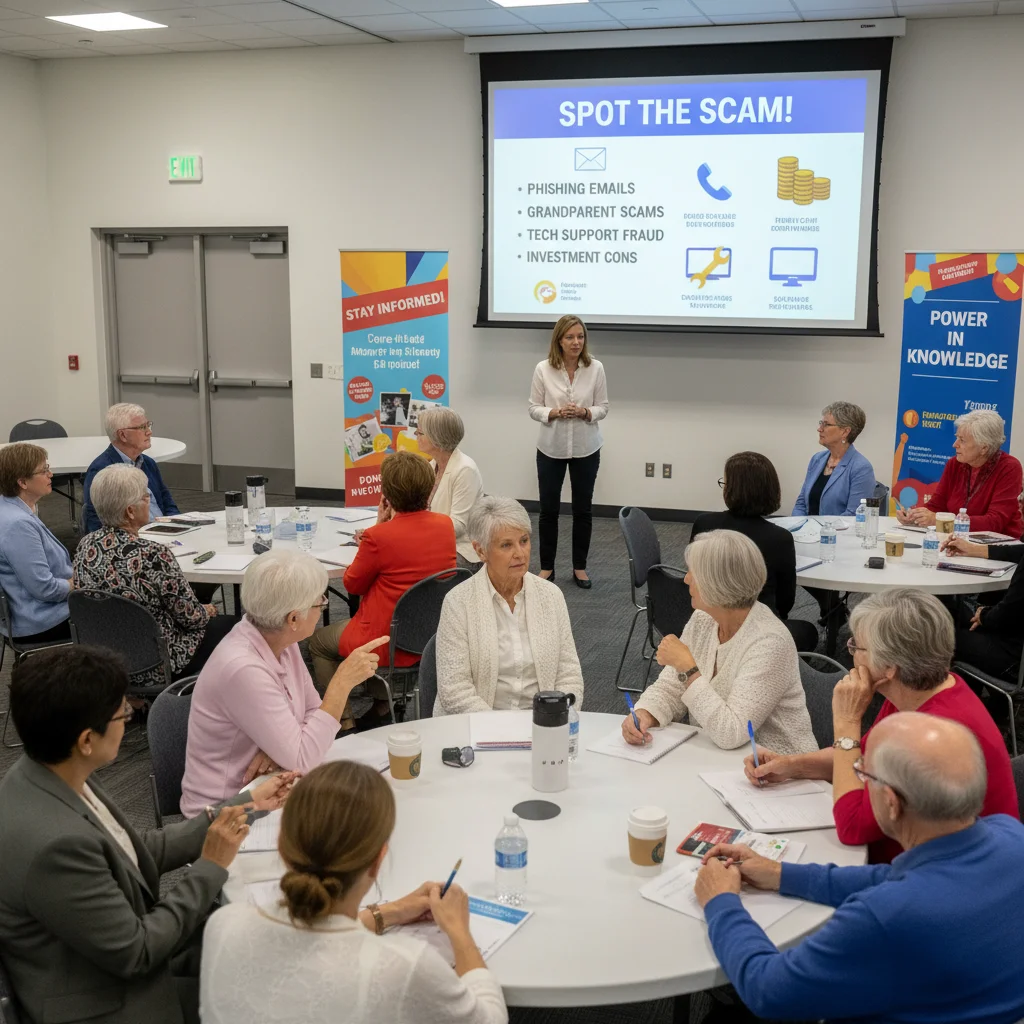
- Community Programs: Local senior centers, libraries, and community organizations can host workshops and provide resources on scam prevention.
- Technological Solutions: Collaboration between tech companies, law enforcement, and consumer protection agencies to develop and implement advanced tools to detect and block fraudulent activities.
The Future of Elderly Financial Protection
As we look towards the future, the fight against elderly financial exploitation will continue to evolve. Artificial intelligence and machine learning, while posing new threats, also offer promising solutions for fraud detection and prevention. Personalized risk assessments, real-time transaction monitoring with AI-driven anomaly detection, and advanced biometric authentication methods could become standard protections.
However, technology alone is not enough. The human element of vigilance, education, and compassionate care remains the bedrock of effective protection. Strengthening intergenerational bonds, fostering environments where seniors feel comfortable discussing financial concerns, and building robust community support networks will be crucial in ensuring that our elderly relatives can enjoy their golden years with financial security and peace of mind.
Conclusion: A Collective Effort for Senior Safety
Protecting our elderly relatives from financial exploitation in 2026 and beyond is a shared responsibility. It requires ongoing education, proactive measures, open communication, and a willingness to act when something seems amiss. By understanding the common tactics employed by scammers, recognizing the warning signs, and implementing robust prevention strategies, we can collectively create a safer financial landscape for our seniors.
Remember, if you suspect elderly financial exploitation, do not hesitate to reach out to financial institutions, law enforcement, and Adult Protective Services. Your swift action can prevent further harm and help your loved ones recover from these devastating crimes. Let us all commit to safeguarding the financial well-being and dignity of our senior population.