Experian Boost vs. UltraFICO: 2026 Data-Driven Credit Score Comparison
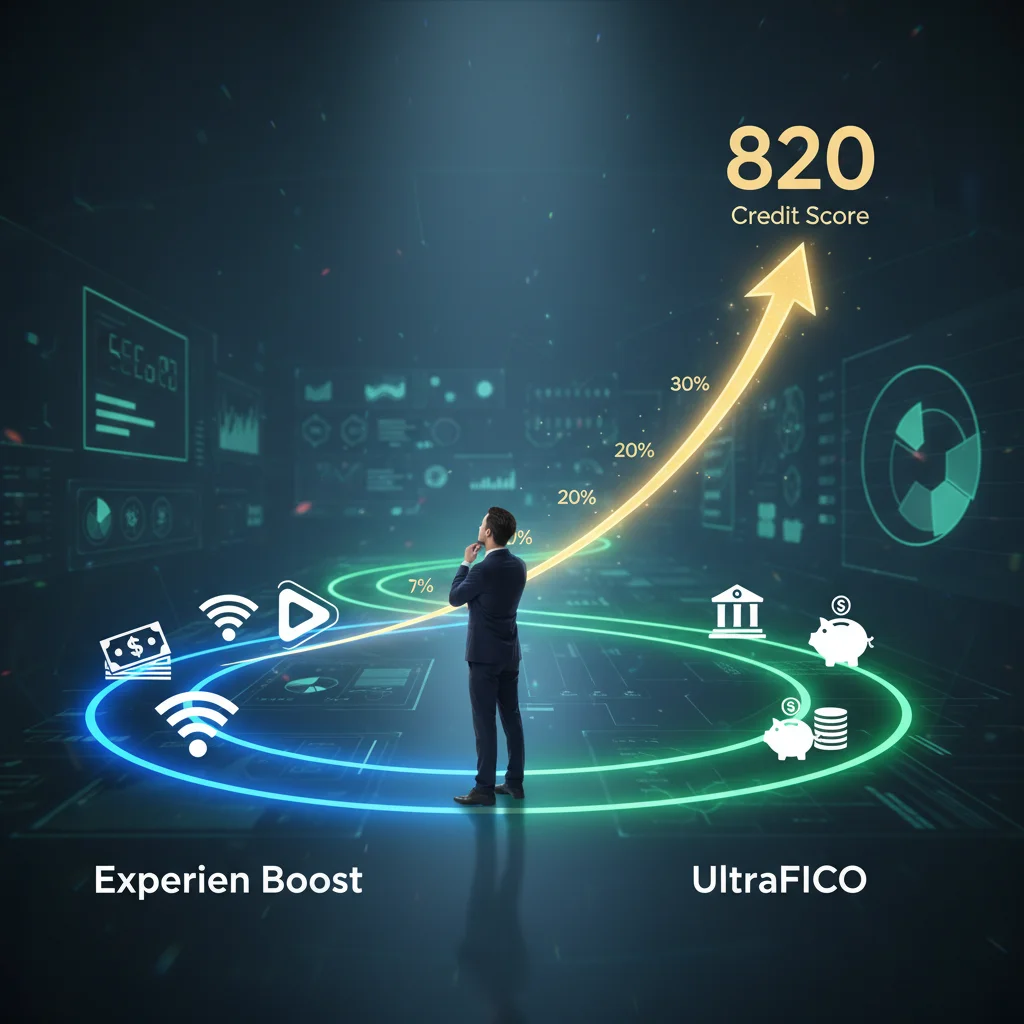
In the dynamic landscape of personal finance, a robust credit score remains a cornerstone of economic opportunity. Whether you’re aiming to secure a mortgage, finance a vehicle, or simply qualify for better interest rates, your creditworthiness plays a pivotal role. As we navigate 2026, two innovative tools have continued to gain traction for their ability to potentially enhance credit scores: Experian Boost and UltraFICO. Both offer unique approaches to leveraging non-traditional data, but understanding their mechanics, benefits, and limitations is crucial for making an informed decision.
This comprehensive, data-driven comparison will delve into the intricacies of Experian Boost UltraFICO, examining their methodologies, target audiences, and the real-world impact they’ve had on consumers’ credit profiles. We’ll explore the latest statistics, user experiences, and expert opinions to provide you with a clear roadmap for choosing the right credit-building strategy in 2026.
The Evolving Credit Landscape: Why Non-Traditional Data Matters in 2026
For decades, the credit scoring model has primarily relied on traditional financial data: loan payments, credit card history, and public records like bankruptcies. While these metrics remain foundational, the financial world has recognized the need for a more inclusive and comprehensive assessment of creditworthiness. Millions of Americans, particularly younger generations and those new to credit, often possess limited traditional credit history, making it challenging to access mainstream financial products.
This is where non-traditional data comes into play. By incorporating information beyond typical loan accounts, credit bureaus and scoring models can paint a more complete picture of an individual’s financial responsibility. The year 2026 has seen an acceleration in the adoption and refinement of these alternative data sources, driven by technological advancements and a growing demand for financial inclusion.
The core idea behind both Experian Boost UltraFICO is to empower consumers by allowing them to contribute positive payment histories that were previously invisible to traditional credit scoring. This shift not only benefits individuals with thin credit files but also those looking to optimize their existing scores through responsible financial habits.
Experian Boost: Supercharging Your Credit with Everyday Payments
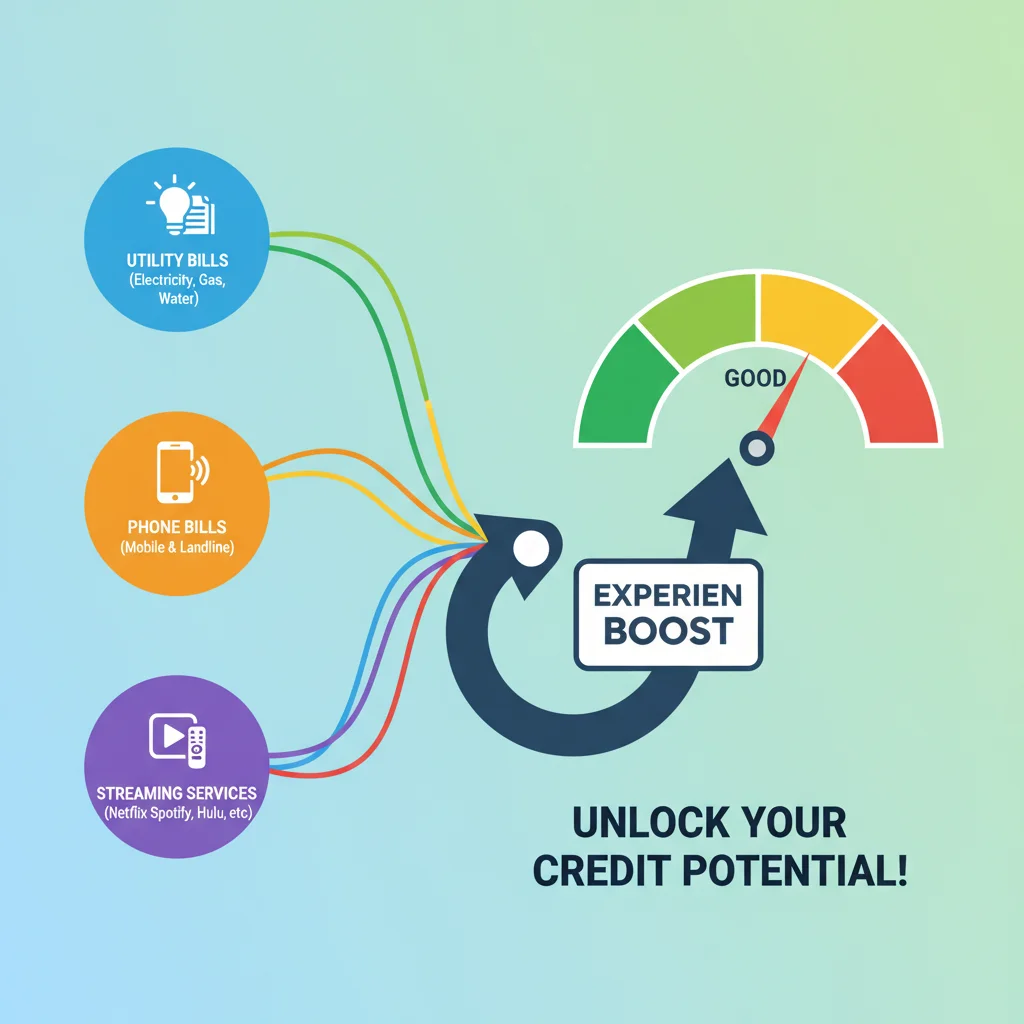
Launched by Experian, one of the three major credit bureaus, Experian Boost is a free service designed to help consumers potentially increase their FICO Score instantly. Its primary mechanism involves allowing users to connect their bank accounts to Experian, which then scans for qualifying utility and telecommunication payments.
How Experian Boost Works: A Step-by-Step Guide
- Connect Your Bank: Users securely link their primary checking or savings account to Experian Boost. This connection is read-only, meaning Experian cannot access or move funds.
- Identify Payments: Experian Boost analyzes the linked bank account for qualifying payments, such as utility bills (electricity, gas, water), internet, cable, and streaming service subscriptions (e.g., Netflix, Hulu, Disney+).
- Verify and Add: Users review the identified payments and confirm which ones they wish to add to their Experian credit report. Only positive payment histories are considered.
- Instant Boost: Once confirmed, these positive payments are added to the Experian credit file, and a refreshed FICO Score is generated. Many users report seeing an immediate increase in their score.
Key Features and Benefits of Experian Boost in 2026
- Leverages Everyday Expenses: The genius of Experian Boost lies in its ability to turn routine expenses into credit-building assets. Payments for services you already use and pay on time can now contribute positively to your credit score.
- Instant Impact: Unlike traditional credit-building methods that can take months or years, Experian Boost often provides an immediate lift to your FICO Score. This can be particularly beneficial for those needing a quick score improvement for an upcoming application.
- Free Service: Experian Boost is completely free to use, making it an accessible option for anyone looking to improve their credit.
- Target Audience: It’s especially effective for individuals with thin credit files, limited credit history, or those with average scores looking for a modest boost.
- Focus on Experian FICO Scores: It specifically impacts FICO Scores generated using Experian data. While other credit bureaus and scoring models may eventually incorporate similar data, the direct impact is on Experian.
Limitations and Considerations for Experian Boost
- Not a Universal Solution: While beneficial, Experian Boost is not a magic bullet. It primarily helps those with positive payment histories for qualifying accounts. If you have a history of missed payments or significant derogatory marks, the impact may be minimal.
- Limited Data Types: It focuses on a specific set of recurring payments. Other positive financial behaviors, like consistent savings or responsible checking account management, are not considered.
- Only Affects Experian: The boost is applied to your Experian credit report and FICO Score. Lenders who pull credit reports from TransUnion or Equifax may not see the benefits of Experian Boost directly.
- Modest Score Increases: While some users report significant jumps, the average increase is often in the range of 10-20 points. For those with very low scores or extensive negative history, larger improvements may require more comprehensive credit repair strategies.
UltraFICO: Unlocking Your Financial Behavior for Creditworthiness
UltraFICO, a collaboration between FICO, Experian, and Finicity, takes a different, yet complementary, approach to incorporating non-traditional data. Instead of focusing solely on recurring bills, UltraFICO delves into an individual’s banking behavior to assess financial responsibility.
How UltraFICO Works: A Deeper Dive into Banking Data
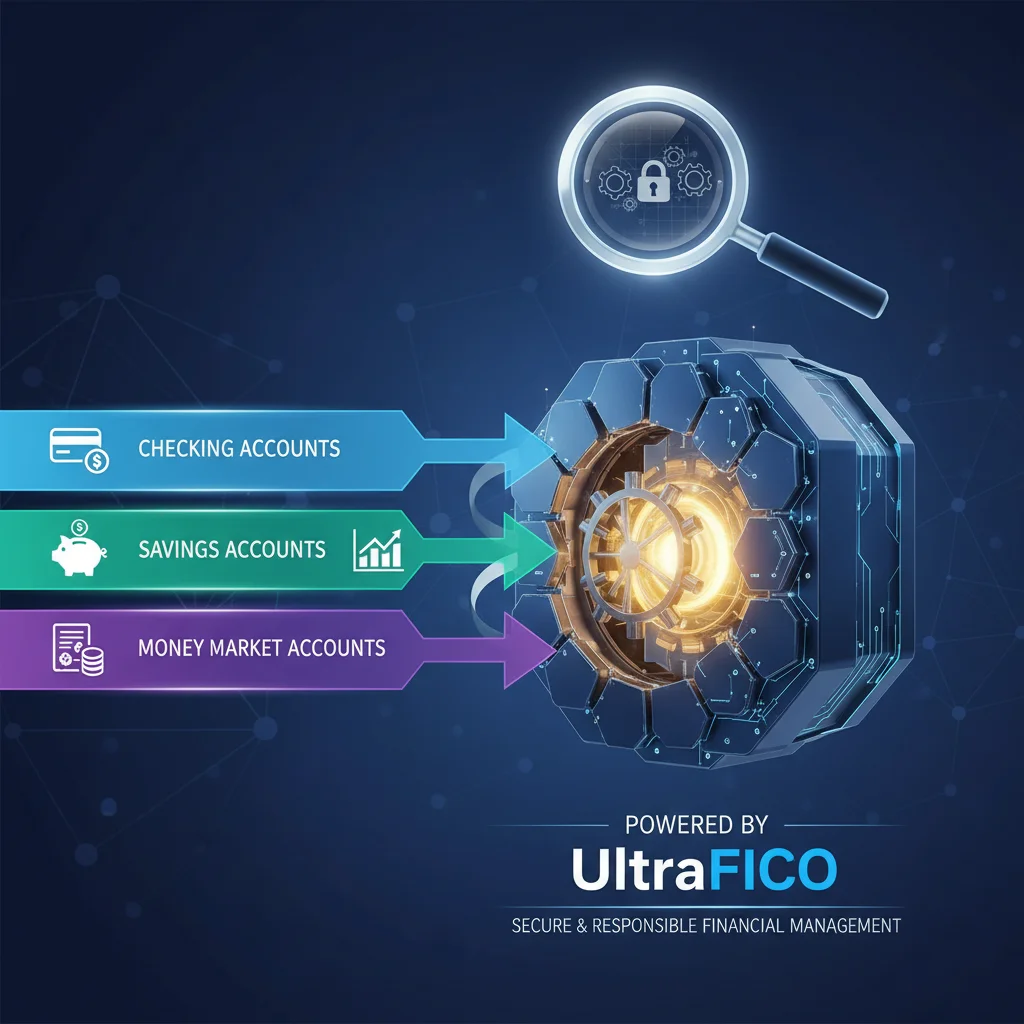
- Opt-In and Connect: Similar to Experian Boost, users opt-in and securely link their checking, savings, and money market accounts to UltraFICO.
- Analyze Banking Behavior: UltraFICO analyzes various aspects of banking activity, including:
- Average Balance: Maintaining a healthy average balance over time.
- Transaction History: Avoiding negative balances or overdrafts.
- Savings Activity: Evidence of consistent saving patterns.
- Length of Account History: The duration you’ve maintained your bank accounts.
- Generate UltraFICO Score: Based on this analysis, a new UltraFICO Score is generated. This score is designed to be used alongside traditional FICO Scores, offering lenders a more nuanced view of credit risk.
Key Features and Benefits of UltraFICO in 2026
- Holistic View of Financial Health: UltraFICO provides a more comprehensive picture of financial responsibility by examining how you manage your money day-to-day, not just how you pay specific bills.
- Empowers Responsible Banking: It rewards individuals who consistently maintain positive bank balances, avoid overdrafts, and demonstrate good savings habits.
- Potential for Significant Impact: For those with limited or no traditional credit history but strong banking habits, UltraFICO can open doors to credit products that might otherwise be inaccessible.
- Lender-Driven Adoption: UltraFICO is presented to lenders as an additional scoring model, giving them more data points to make lending decisions. This can be particularly useful for credit unions and community banks.
- Focus on FICO Scores: Like Experian Boost, UltraFICO integrates with the FICO scoring system, making it recognizable and actionable for lenders familiar with FICO models.
Limitations and Considerations for UltraFICO
- Requires Healthy Banking Habits: If you frequently overdraft, maintain very low balances, or have inconsistent banking behavior, UltraFICO may not be beneficial, and could even potentially highlight negative patterns.
- Lender Adoption Varies: While gaining traction, not all lenders currently use UltraFICO as part of their underwriting process. It’s an additional tool that lenders can choose to utilize.
- Not a Standalone Score: UltraFICO is designed to be used in conjunction with traditional FICO Scores, not as a replacement. It provides additional context, especially for those with thin files.
- Privacy Concerns: Some individuals may be hesitant to share their full banking transaction history, even with secure, read-only access.
Experian Boost vs. UltraFICO: A Side-by-Side Data-Driven Comparison (2026)
To help you better understand the distinctions and decide which tool aligns with your financial goals, let’s conduct a direct comparison of Experian Boost UltraFICO based on their core functionalities and impact in 2026.
Data Sources and Methodology
- Experian Boost: Primarily focuses on recurring utility, telecom, and streaming service payments. It identifies these specific transactions and adds their positive payment history to your Experian credit report. The methodology is straightforward: on-time payments for these services equal positive credit history.
- UltraFICO: Employs a broader analysis of banking behavior. It looks at average account balances, consistency of deposits, avoidance of overdrafts, and the longevity of bank accounts. Its methodology is more behavioral, assessing overall financial management rather than just specific bill payments.
Target Audience and Ideal Use Cases
- Experian Boost:
- Ideal for individuals with limited traditional credit history but a consistent record of paying utility and subscription bills on time.
- Those looking for a quick, modest boost to their FICO Score (Experian version) for an immediate need.
- People who want to leverage expenses they already have into credit-building assets without major lifestyle changes.
- UltraFICO:
- Best suited for consumers with a history of responsible banking, including maintaining healthy balances and avoiding overdrafts, but who may lack extensive traditional credit.
- Individuals seeking to demonstrate a more holistic picture of their financial responsibility to lenders.
- Those who might be denied credit based solely on traditional scores but have strong underlying financial habits.
Impact on Credit Scores and Lender Perception
- Experian Boost:
- Typically results in a modest score increase (e.g., 10-20 points) for eligible users.
- The impact is primarily on FICO Scores derived from Experian data.
- Lenders using Experian FICO models will see the boosted score directly.
- UltraFICO:
- Can provide a more significant advantage for those with thin files and excellent banking habits, potentially opening access to credit previously unavailable.
- It’s an additional score that lenders can pull. Its impact depends on the lender’s adoption and their specific underwriting criteria.
- It offers lenders a deeper insight into financial stability beyond just payment history.
Accessibility and Cost
- Experian Boost: Free to use and easily accessible through the Experian website or app.
- UltraFICO: Also free for consumers to opt-in. Its availability is through participating lenders who choose to use the UltraFICO score.
Real-World Data and Success Stories (2026 Insights)
As of 2026, both Experian Boost UltraFICO have demonstrated measurable success in helping consumers. Experian reports that millions of FICO Scores have been boosted, with an average increase of 13 points for users with an existing credit file and an even greater impact for those with thin files.
UltraFICO, while having a more targeted adoption among lenders, has shown promising results in helping consumers with limited credit history qualify for loans they otherwise wouldn’t. A recent study in early 2026 by a financial analytics firm indicated that consumers with an UltraFICO score could see approval rates for certain credit products increase by up to 15% compared to relying solely on traditional FICO scores, particularly in the subprime and near-prime lending segments.
Consumer testimonials frequently highlight the ease of use for Experian Boost and the immediate gratification of seeing a score increase. For UltraFICO, the stories often revolve around gaining access to their first credit card or a better loan rate, directly attributable to their strong banking history being recognized.
Choosing Your Path: Which Tool is Right for You?
Deciding between Experian Boost UltraFICO isn’t necessarily an either/or proposition; in many cases, they can be complementary. However, understanding your current financial situation and goals will help you prioritize.
Consider Experian Boost If:
- You pay your utility, internet, phone, and streaming bills on time consistently.
- You have a limited credit history or a fair-to-good credit score that you want to improve quickly.
- You need a modest, immediate boost to your Experian FICO Score.
- You prefer a simple, hands-off approach to leveraging existing payments.
Consider UltraFICO If:
- You maintain healthy checking and savings account balances, avoid overdrafts, and have a consistent history of responsible banking.
- You have a thin credit file or no traditional credit history but strong financial discipline.
- You are applying for a loan with a lender known to use UltraFICO (it’s worth asking prospective lenders if they consider it).
- You want to present a more comprehensive view of your financial stability to lenders.
Can You Use Both Experian Boost and UltraFICO?
Absolutely! Since they leverage different types of non-traditional data, using both can potentially provide a more robust credit profile. Experian Boost focuses on specific recurring payments, while UltraFICO examines broader banking behavior. If you have both consistent bill payments and responsible banking habits, utilizing both tools could maximize your credit-building efforts.
Beyond Boost and UltraFICO: Holistic Credit Building in 2026
While Experian Boost UltraFICO are powerful tools, they are part of a larger ecosystem of credit building. For sustained financial health and significant credit score improvement, consider these additional strategies:
1. Pay Bills On Time, Every Time
This remains the single most important factor in traditional credit scoring. Prioritize paying all your credit card bills, loan installments, and other debts by their due dates. Late payments can severely damage your credit score.
2. Keep Credit Utilization Low
Credit utilization refers to the amount of credit you’re using compared to your total available credit. Aim to keep this ratio below 30%, ideally even lower (e.g., 10-20%). High utilization can signal financial distress to lenders.
3. Diversify Your Credit Mix
Having a mix of different types of credit (e.g., credit cards, installment loans, mortgages) can positively impact your score, demonstrating your ability to manage various forms of debt responsibly. However, only open new accounts when genuinely needed.
4. Avoid Opening Too Many New Accounts at Once
Each time you apply for new credit, a hard inquiry is placed on your credit report, which can temporarily ding your score. Space out your applications and only apply for credit you truly need.
5. Regularly Monitor Your Credit Report
Check your credit reports from all three bureaus (Experian, TransUnion, Equifax) regularly for errors or fraudulent activity. You can get free copies of your reports annually from AnnualCreditReport.com.
6. Consider Secured Credit Cards or Credit Builder Loans
If you’re starting from scratch or rebuilding credit, secured credit cards (which require a security deposit) or credit builder loans (where you make payments into a savings account before receiving the loan amount) can be excellent tools for establishing a positive payment history.
The Future of Credit Scoring: What to Expect Beyond 2026
The innovation seen in Experian Boost UltraFICO is just the beginning. As technology advances and financial inclusion remains a priority, we can anticipate further evolution in credit scoring models. Expect to see:
- Broader Adoption of Alternative Data: More types of non-traditional data, potentially including rent payments (which some services already report) and even employment history, might become standard.
- AI and Machine Learning: Artificial intelligence and machine learning algorithms will continue to refine how creditworthiness is assessed, identifying patterns and predicting risk with greater accuracy.
- Personalized Credit Building: Tools may become even more tailored to individual financial situations, offering personalized recommendations for credit improvement.
- Increased Transparency: As consumers become more aware of how their data is used, there will be continued pressure for greater transparency in credit scoring methodologies.
Conclusion: Empowering Your Financial Journey with Experian Boost and UltraFICO
In 2026, navigating the path to a healthier credit score is more accessible than ever, thanks to innovations like Experian Boost UltraFICO. These tools represent a significant step forward in recognizing and rewarding responsible financial behavior that traditional models often overlooked.
Whether you’re leveraging your on-time utility payments with Experian Boost or showcasing your stellar banking habits with UltraFICO, both services offer tangible pathways to credit improvement. The key is to understand how each works, assess your own financial profile, and integrate them into a broader strategy of consistent, responsible financial management.
By taking advantage of these modern credit-building solutions and maintaining sound financial practices, you are not just improving a number; you are unlocking greater financial opportunities and securing a more stable economic future. Your journey to optimal credit health is a continuous one, and with the right tools and knowledge, you are well-equipped to succeed.