Budgeting for Inflation: US Households Adjust Spending for Emergency Funds by Mid-2026

In an economic landscape continually reshaped by fluctuating prices and evolving market dynamics, the concept of financial preparedness has never been more critical for US households. As we approach mid-2026, the specter of inflation continues to cast a long shadow over personal finances, prompting a widespread re-evaluation of spending habits and savings strategies. The primary goal for many is not just to survive, but to thrive – or at the very least, to maintain a foundational level of financial security, epitomized by the sacred 3-month emergency fund. This article delves deep into how US households are making crucial inflation budget adjustments to safeguard these vital reserves, providing actionable insights and a comprehensive understanding of the current financial climate.
The past few years have been a masterclass in economic volatility. From supply chain disruptions to geopolitical tensions, numerous factors have coalesced to drive up the cost of living. For the average American family, this translates into higher prices at the grocery store, increased utility bills, more expensive gasoline, and escalating housing costs. These pressures erode purchasing power and make it increasingly challenging to stick to a traditional budget, let alone build or maintain an emergency fund. However, necessity is the mother of invention, and households across the nation are demonstrating remarkable resilience and adaptability in the face of these challenges, implementing strategic inflation budget adjustments to ensure their financial stability.
The importance of an emergency fund cannot be overstated. It acts as a financial safety net, providing a buffer against unforeseen expenses such as medical emergencies, job loss, or significant home repairs. Without adequate savings, these unexpected events can quickly spiral into financial crises, leading to debt and long-term instability. Experts generally recommend having at least three to six months’ worth of living expenses stashed away in an easily accessible, liquid account. For many, maintaining a 3-month emergency fund is the baseline, the non-negotiable minimum that provides a semblance of peace of mind. The challenge now is how to preserve this fund when every dollar seems to buy less than it did yesterday. This is where strategic inflation budget adjustments come into play.
Understanding the Current Inflationary Environment in Mid-2026
To effectively make inflation budget adjustments, it’s crucial to first understand the nature of the beast. Mid-2026 finds the US economy in a peculiar state. While some sectors show signs of cooling, core inflation, particularly in services, remains stubbornly high. Wage growth, while present, often lags behind the pace of price increases, meaning real wages are stagnant or even declining for many. This persistent inflationary pressure necessitates a proactive and adaptive approach to personal finance, moving beyond traditional budgeting methods to a more dynamic system that accounts for continuous price shifts.
Several key areas continue to drive inflation. Housing costs, both rental and ownership, have seen significant appreciation. Food prices, affected by supply chain issues, climate events, and geopolitical factors, remain elevated. Energy costs, while volatile, can surge unexpectedly, impacting transportation and utility bills. Healthcare expenses continue their upward trajectory, and even discretionary spending categories, from entertainment to dining out, reflect the higher cost of doing business. Recognizing these specific pressure points is the first step in formulating effective inflation budget adjustments.
The psychological impact of inflation is also profound. Constant price hikes can lead to financial anxiety and stress, making it difficult for individuals and families to make sound financial decisions. The feeling of falling behind, despite working hard, can be demoralizing. Therefore, the strategies discussed herein are not just about numbers; they are about regaining a sense of control and building financial resilience in a challenging environment. The goal of these inflation budget adjustments is not merely to cut costs, but to optimize spending in a way that protects long-term financial health, starting with that all-important emergency fund.
The Core Strategy: Re-evaluating and Prioritizing Spending
The cornerstone of effective inflation budget adjustments is a thorough re-evaluation of all household spending. This isn’t about simply cutting out luxuries; it’s about scrutinizing every line item and determining its true value and necessity in the current economic climate. Many households are adopting a ‘needs vs. wants’ framework with renewed rigor, pushing previously ‘important’ wants into the ‘luxury’ category.
-
Deep Dive into Discretionary Spending:
This is often the first area where significant inflation budget adjustments can be made. Subscriptions to streaming services, gym memberships, dining out, entertainment, and non-essential shopping are all under the microscope. Many families are opting for fewer subscriptions, cooking more at home, seeking free or low-cost entertainment options, and being more mindful of impulse purchases. The goal is not necessarily to eliminate these entirely, but to reduce their frequency and cost, reallocating those saved dollars to essential categories or the emergency fund.
-
Optimizing Essential Expenses:
Even seemingly fixed essential expenses can be optimized. This includes utilities, groceries, transportation, and insurance. For utilities, households are investing in energy-saving measures, being more conscious of thermostat settings, and unplugging unused electronics. For groceries, meal planning, buying in bulk (when cost-effective), utilizing coupons and loyalty programs, and reducing food waste are becoming standard practices. Transportation costs are being managed by carpooling, using public transport, or combining errands to save on fuel. Insurance policies are being reviewed to ensure competitive rates and appropriate coverage without overpaying. These careful inflation budget adjustments in essential areas can free up substantial funds.
-
Negotiating and Shopping Around:
Loyalty is expensive in an inflationary environment. Households are increasingly willing to shop around for better deals on everything from internet providers to cell phone plans, and even banking services. Negotiating with current providers for better rates or switching to more affordable alternatives is a common tactic. This extends to larger purchases as well, where careful comparison shopping can yield significant savings, directly contributing to the ability to make necessary inflation budget adjustments.
Strategic Approaches to Protect the Emergency Fund
The ultimate goal of these inflation budget adjustments is to protect or rebuild the emergency fund. This requires not just cutting expenses but also strategically managing income and savings.
-
Automating Savings:
One of the most effective ways to ensure the emergency fund grows, or at least remains stable, is to automate contributions. Setting up automatic transfers from checking to savings on payday ensures that a portion of income is allocated to the fund before it can be spent. Even if the amount is smaller than desired, consistency is key. This ‘pay yourself first’ mentality is critical, especially when making inflation budget adjustments.
-
Boosting Income Streams:
Many households are exploring additional income sources to counteract the effects of inflation. This could involve taking on a side hustle, freelancing, selling unused items, or even negotiating a raise or seeking a higher-paying job. Any extra income generated can be directly channeled into the emergency fund, providing a much-needed boost and alleviating the pressure on existing budgets. These income-boosting efforts are powerful inflation budget adjustments that directly impact financial resilience.
-
Mindful Use of Credit:
While credit cards can be useful tools, relying on them to cover everyday expenses during inflation can be a dangerous trap, leading to accumulating high-interest debt. Households are becoming more disciplined in their use of credit, prioritizing paying off existing high-interest debt and using credit cards sparingly, only for purchases they can immediately pay off. This helps prevent the erosion of savings that would otherwise go towards interest payments, thereby supporting their inflation budget adjustments.
-
Re-evaluating Investment Strategies:
For those with existing investments, the inflationary environment might prompt a review of their portfolio. While emergency funds should remain in highly liquid, low-risk accounts (like high-yield savings accounts), some might consider how their broader investment strategy can help preserve purchasing power over the long term. This is a more advanced form of inflation budget adjustments, often requiring professional financial advice.
Case Studies: Real-World Inflation Budget Adjustments
To illustrate the practical application of these strategies, let’s look at how different US households are implementing inflation budget adjustments in mid-2026.
The Miller Family (Suburban, Two Children): The Millers found their monthly expenses creeping up, particularly in groceries and extracurricular activities for their children. Their 3-month emergency fund was stagnant. Their inflation budget adjustments included:
- Groceries: Switched to store-brand items for many staples, committed to weekly meal planning, and started buying produce from a local farmer’s market, saving an estimated $150 per month.
- Entertainment: Reduced dining out from twice a week to once every two weeks, opting for home movie nights instead of cinema trips, saving $100 per month.
- Energy: Installed a smart thermostat and became diligent about turning off lights and electronics, cutting utility bills by $40 per month.
- Side Hustle: Mrs. Miller started pet-sitting on weekends, bringing in an extra $200-$300 per month, which goes directly to their emergency fund.
These changes allowed the Millers to not only maintain their emergency fund but also slowly increase it, despite rising costs elsewhere. Their proactive inflation budget adjustments have given them greater financial peace of mind.
Sarah, Single Professional (Urban): Sarah noticed her rent and transportation costs were consuming a larger portion of her income, threatening her emergency savings. Her inflation budget adjustments involved:
- Transportation: Switched from ride-sharing services to public transport and cycling for most commutes, saving $120 per month.
- Food: Packed lunches daily instead of buying them, brewed coffee at home, and limited impulse snack purchases, saving $80 per month.
- Subscriptions: Canceled two unused streaming services and downgraded her gym membership to a more basic plan, saving $50 per month.
- Income Boost: Took on a few freelance graphic design projects in the evenings, adding $300-$500 to her monthly income, directly bolstering her emergency fund.
Sarah’s diligent inflation budget adjustments have enabled her to keep her emergency fund intact and even start contributing a little more each month, despite living in a high-cost-of-living area.
Long-Term Financial Planning Amidst Inflation
While immediate inflation budget adjustments are crucial for protecting emergency funds, it’s also important to consider long-term financial planning. Inflation doesn’t just impact current spending; it also erodes the future value of savings and investments. Therefore, a holistic approach is necessary.
-
Reviewing Financial Goals:
Inflation can significantly alter the cost of future goals, such as retirement, a down payment on a home, or a child’s education. Households are re-evaluating these goals and adjusting their savings targets accordingly. What seemed like an adequate savings amount a few years ago might now fall short due to increased costs. This re-evaluation is a critical component of comprehensive inflation budget adjustments.
-
Considering Inflation-Adjusted Investments:
While emergency funds should remain liquid, long-term savings might benefit from investments that offer some protection against inflation, such as Treasury Inflation-Protected Securities (TIPS) or certain real estate investments. Consulting a financial advisor can help tailor an investment strategy that aligns with individual risk tolerance and long-term objectives, ensuring that future financial security is not undermined by persistent inflation.
-
Continuous Education and Adaptation:
The economic environment is constantly changing. Staying informed about economic trends, inflation forecasts, and new financial tools is essential. Households that are most successful in navigating inflationary periods are those that are agile and willing to adapt their strategies as circumstances evolve. Regular reviews of the budget and financial plan are paramount, making inflation budget adjustments an ongoing process rather than a one-time fix.

Challenges and Pitfalls to Avoid in Inflation Budget Adjustments
While making inflation budget adjustments is vital, there are common pitfalls that households should be aware of and actively avoid:
- Excessive Austerity Leading to Burnout: Cutting too many enjoyable expenses too drastically can lead to financial fatigue and make the budget unsustainable in the long run. It’s important to find a balance that allows for some discretionary spending, even if reduced, to maintain morale and avoid feeling deprived. Sustainable inflation budget adjustments are key.
- Neglecting Long-Term Goals: While the emergency fund is paramount, completely neglecting retirement savings or other long-term goals can be detrimental. It’s a delicate balance; sometimes, a slight reduction in long-term contributions might be necessary to shore up the emergency fund, but these should be restored as soon as possible.
- Ignoring Small Leaks: It’s easy to focus on big expenses, but many small, recurring costs can add up. Unused subscriptions, daily coffees, or frequent small impulse buys can collectively drain funds. A detailed review of bank statements can uncover these ‘small leaks’ that require careful inflation budget adjustments.
- Falling for ‘Shrinkflation’ and ‘Skimpflation’: Inflation isn’t just about higher prices; it’s also about getting less for the same price (shrinkflation) or lower quality (skimpflation). Households must be vigilant, checking unit prices and product reviews to ensure they are still getting value for money. This requires a keen eye when making inflation budget adjustments.
- Delaying Action: The longer a household waits to make inflation budget adjustments, the harder it becomes to catch up. Proactive planning and immediate action are far more effective than reactive measures when inflation has already taken a significant toll.
The Role of Technology in Modern Budgeting
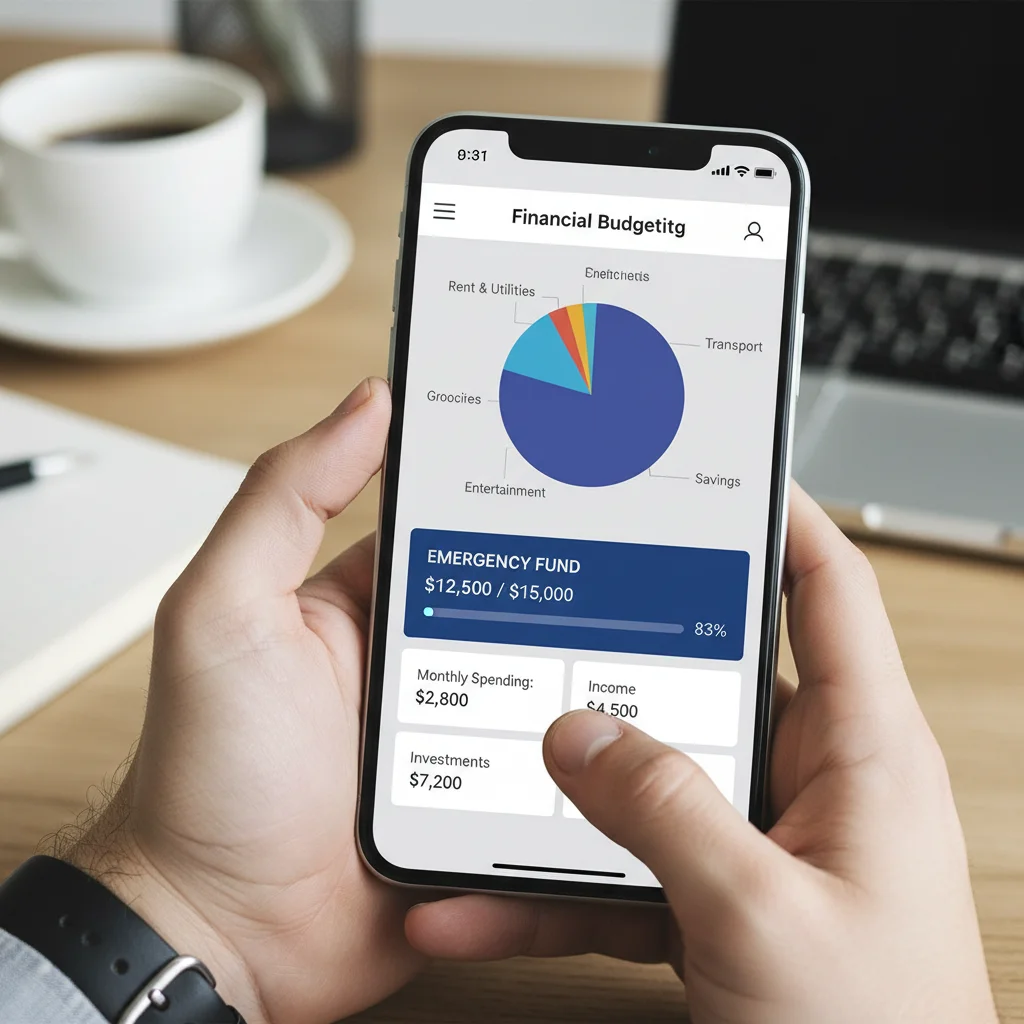
In mid-2026, technology plays an indispensable role in helping households manage their finances and implement effective inflation budget adjustments. Budgeting apps, financial tracking software, and online banking tools have become sophisticated allies in the fight against rising costs.
- Budgeting Apps: Tools like Mint, YNAB (You Need A Budget), Personal Capital, or specific bank apps allow users to categorize spending, track expenses in real-time, set budgets for different categories, and receive alerts when nearing spending limits. Many also offer features to track net worth and investment performance, providing a holistic view of financial health. These apps are crucial for monitoring the impact of inflation budget adjustments.
- Price Comparison Websites and Apps: Before making any purchase, especially for larger items or groceries, households are leveraging price comparison tools to find the best deals. This ensures that every dollar spent is maximized, directly supporting their inflation budget adjustments.
- Automated Savings Tools: Beyond simple automated transfers, some apps round up purchases to the nearest dollar and deposit the difference into a savings account, or analyze spending patterns to identify small amounts that can be safely moved to savings without impacting daily life. These ‘set it and forget it’ features are invaluable for consistently contributing to the emergency fund.
- Financial News and Analysis: Staying informed about economic forecasts, interest rate changes, and inflation trends through reputable financial news apps and websites helps households anticipate future challenges and make timely inflation budget adjustments.
Embracing these technological aids can significantly streamline the budgeting process, making it less daunting and more effective. They provide the data and insights necessary to make informed decisions about where to cut, where to save, and how to optimize spending in an inflationary environment.
Conclusion: Resilience Through Adaptation
As US households navigate the persistent inflationary pressures of mid-2026, the emphasis on robust financial planning, particularly the maintenance of a 3-month emergency fund, has never been stronger. The strategies being employed – from rigorous re-evaluation of discretionary spending and optimization of essentials to boosting income and leveraging technology – all point to a collective effort to build financial resilience.
The journey of making inflation budget adjustments is not without its challenges, requiring discipline, continuous monitoring, and a willingness to adapt. However, by proactively scrutinizing spending, prioritizing savings, and exploring all available resources, American families are demonstrating their capacity to protect their financial futures. The goal is not just to weather the current economic storm but to emerge from it with stronger financial habits and a more secure foundation, ensuring that their emergency funds remain a steadfast pillar of their economic well-being.
The lessons learned during this period of economic adjustment will undoubtedly shape personal finance for years to come, fostering a generation of more financially savvy and resilient households. By understanding and implementing effective inflation budget adjustments, individuals and families can confidently face the future, knowing they have taken concrete steps to safeguard their financial security.