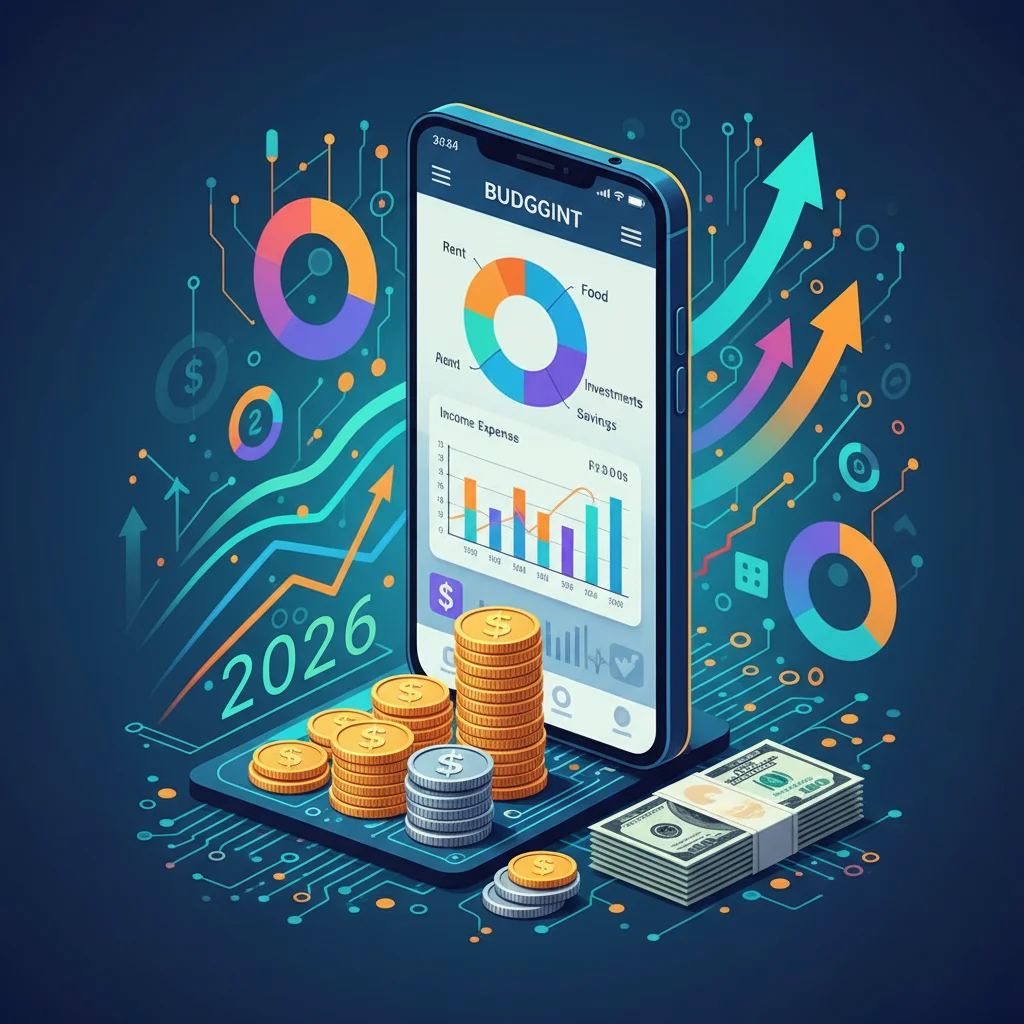
The Role of Budgeting Apps in 2026: Comparing 3 Top US Tools for Tracking and Optimizing Spending by 15%
In an increasingly digital world, managing personal finances has evolved from ledger books to sophisticated software. As we look towards 2026, the landscape of personal finance is more dynamic than ever, with budgeting apps 2026 playing a pivotal role in helping individuals and families achieve financial stability and growth. These digital tools are no longer just about tracking expenses; they are comprehensive financial ecosystems designed to offer insights, automate savings, and even provide investment guidance. The goal for many is to optimize spending by at least 15%, a target that becomes remarkably achievable with the right digital companion.
The sheer volume of available budgeting apps can be overwhelming. Each promises to be the ultimate solution, but which ones truly stand out in the competitive US market as we approach 2026? This comprehensive guide will delve into the critical features, benefits, and potential drawbacks of three leading budgeting apps, helping you make an informed decision that aligns with your financial aspirations. We’ll explore how these tools are adapting to new financial trends, incorporating artificial intelligence, and enhancing user experience to deliver unparalleled value. Understanding the nuances of each app is crucial, as the ‘best’ app is ultimately the one that best fits your unique financial habits and goals.
From seamless integration with banking institutions to advanced analytical capabilities, the top budgeting apps 2026 are designed to empower users, transforming daunting financial tasks into manageable, even enjoyable, routines. Whether you’re a seasoned investor, a meticulous saver, or someone just starting their financial journey, leveraging these tools can be the catalyst for significant financial improvement. Let’s embark on this journey to discover how these apps can revolutionize your financial life, helping you not just track, but truly optimize your spending.
The Evolving Landscape of Personal Finance: Why Budgeting Apps are Indispensable in 2026
The financial world is in a constant state of flux. Economic shifts, technological advancements, and changing consumer behaviors continually reshape how we interact with our money. In 2026, the demand for efficient and intuitive personal finance management is higher than ever. Budgeting apps have emerged as indispensable tools, bridging the gap between complex financial data and actionable insights. They offer a level of convenience and detail that traditional methods simply cannot match, making them a cornerstone of modern financial planning.
One of the primary reasons for their growing importance is the increasing complexity of financial lives. Many individuals juggle multiple income streams, various savings accounts, credit cards, investments, and debts. Manually tracking all these elements can be time-consuming and prone to error. Budgeting apps automate much of this process, providing a consolidated view of your financial health at a glance. This holistic perspective is crucial for identifying spending patterns, recognizing areas for potential savings, and making informed financial decisions.
Furthermore, the integration of artificial intelligence (AI) and machine learning (ML) into these apps is transforming their capabilities. In 2026, these technologies allow apps to do more than just categorize transactions; they can predict future spending, offer personalized financial advice, and even identify subtle trends that might otherwise go unnoticed. For instance, an AI-powered budgeting app might notice a consistent overspending pattern in a particular category and suggest actionable strategies to curb it, or highlight opportunities for saving based on your income and expenditure habits.
The psychological impact of using budgeting apps 2026 cannot be overstated. They foster a greater sense of financial awareness and accountability. By visualizing your money flow, you become more conscious of where every dollar goes, leading to more intentional spending and saving behaviors. This proactive approach to money management is essential for achieving long-term financial goals, whether it’s saving for a down payment, planning for retirement, or simply building an emergency fund. The ability to see your progress in real-time provides motivation and reinforces positive financial habits.
Beyond individual benefits, budgeting apps also play a role in broader financial literacy. They demystify financial concepts, making them accessible to a wider audience. Features like goal setting, debt repayment trackers, and investment portfolio overviews educate users on fundamental financial principles in an engaging and practical manner. As we move further into the digital age, these apps are not just tools for managing money; they are platforms for financial empowerment, helping users navigate the complexities of personal finance with confidence and control. The ultimate goal remains to optimize spending by a significant margin, often aiming for a 15% reduction, which can have a profound impact on one’s financial future.
Key Features to Look for in Budgeting Apps in 2026
When evaluating the best budgeting apps 2026, it’s essential to consider a range of features that go beyond basic expense tracking. The market has matured significantly, and the leading apps now offer sophisticated functionalities designed to cater to diverse financial needs. Here’s what to prioritize:
Automated Transaction Categorization and Syncing
A non-negotiable feature for any top-tier budgeting app is its ability to automatically sync with your bank accounts, credit cards, and investment accounts. This eliminates manual data entry, saving considerable time and reducing errors. Furthermore, intelligent categorization of transactions is crucial. The best apps use AI to learn your spending habits and accurately categorize expenses, allowing for a clear overview of where your money is going without constant manual adjustments.
Customizable Budgeting Tools
Every individual’s financial situation is unique. Therefore, a robust budgeting app must offer highly customizable budgeting options. This includes the ability to set budgets for various categories, create multiple budgets (e.g., monthly, yearly, project-specific), and adjust budget limits easily. Look for apps that support different budgeting methodologies, such as the 50/30/20 rule, zero-based budgeting, or envelope budgeting, allowing you to choose what works best for you.
Goal Setting and Tracking
Financial goals, whether short-term or long-term, are a powerful motivator. The best budgeting apps in 2026 provide intuitive tools for setting financial goals, such as saving for a down payment, paying off debt, or building an emergency fund. They should also offer clear progress tracking, visual dashboards, and motivational nudges to keep you on track. The ability to break down large goals into smaller, manageable steps is also a significant advantage.
Net Worth Tracking
Beyond just income and expenses, a comprehensive view of your financial health includes your net worth. Top budgeting apps integrate all your assets (bank accounts, investments, real estate) and liabilities (loans, mortgages, credit card debt) to provide an accurate, real-time calculation of your net worth. This feature is invaluable for long-term financial planning and understanding your overall financial trajectory.
Robust Reporting and Analytics
Data without insights is just noise. The leading budgeting apps 2026 excel at transforming raw financial data into understandable and actionable reports. Look for features like spending trends over time, income vs. expense summaries, cash flow analysis, and customizable reports that can be exported. Visualizations like charts and graphs are essential for quickly grasping complex financial information and identifying areas for optimization.
Security and Privacy
Given the sensitive nature of financial data, robust security measures are paramount. Ensure the app uses bank-level encryption, multi-factor authentication, and adheres to strict privacy policies. Transparency about how your data is used and protected is a key indicator of a trustworthy app. Always verify their security protocols before linking your financial accounts.
User Experience and Interface
An app can have all the best features, but if it’s not intuitive and easy to use, you won’t stick with it. A clean, user-friendly interface, seamless navigation, and a responsive design are crucial. The learning curve should be minimal, allowing you to quickly set up your accounts and start budgeting without frustration.
Alerts and Notifications
Timely alerts can prevent overspending and help you stay within your budget. Look for apps that offer customizable notifications for low balances, upcoming bill payments, budget category overages, and unusual spending activity. These proactive alerts can be game-changers in maintaining financial discipline.
Investment Tracking and Management
For those with investments, an app that integrates investment accounts and provides tools for tracking performance, analyzing portfolios, and even offering basic investment advice can be incredibly valuable. This consolidates your entire financial picture in one place, simplifying wealth management.
By focusing on these key features, you can narrow down your choices and select a budgeting app that not only meets your current needs but also supports your financial growth and optimization goals in 2026 and beyond.
Top 3 US Budgeting Apps for 2026: A Detailed Comparison
As we navigate towards 2026, the demand for sophisticated yet user-friendly budgeting tools continues to grow. Here, we compare three prominent budgeting apps in the US market that are poised to dominate the personal finance space, each with its unique strengths and target audience. Our focus is on how these tools help users achieve the goal of optimizing spending by at least 15%.
1. Mint: The Established All-Rounder
Overview: Mint, an Intuit product, has long been a household name in personal finance. As we head into 2026, Mint continues to evolve, offering a comprehensive suite of tools for budgeting, expense tracking, bill management, and net worth analysis. Its strength lies in its ability to consolidate virtually all financial accounts into one intuitive dashboard.
Key Features for 2026:
- Automated Syncing and Categorization: Mint excels at connecting to thousands of financial institutions, automatically importing and categorizing transactions. Its AI-driven categorization has become even more precise, learning from user habits over time.
- Customizable Budgeting: Users can create unlimited budgets for various categories, with visual trackers showing real-time progress. Mint’s ‘Trends’ feature provides deep insights into spending patterns, making it easier to identify areas for a 15% spending optimization.
- Bill Tracking and Reminders: It helps users stay on top of upcoming bills, preventing late fees and improving credit scores.
- Net Worth Tracker: Aggregates assets and liabilities for a clear picture of your financial standing, including investments and property.
- Credit Score Monitoring: Offers free credit score updates and tips for improvement, an added value for overall financial health.
- Investment Tracking: While not a full-fledged investment platform, it tracks investment balances and performance, providing a holistic view.
Pros: Free to use, robust features, excellent for beginners and experienced budgeters, strong data aggregation, intuitive interface, widely adopted.
Cons: Ad-supported (though generally non-intrusive), occasional syncing issues with certain banks, customer support can be limited.
Ideal User: Individuals looking for a free, comprehensive, and automated solution to manage all aspects of their finances, from daily spending to long-term goals, aiming for significant spending optimization.
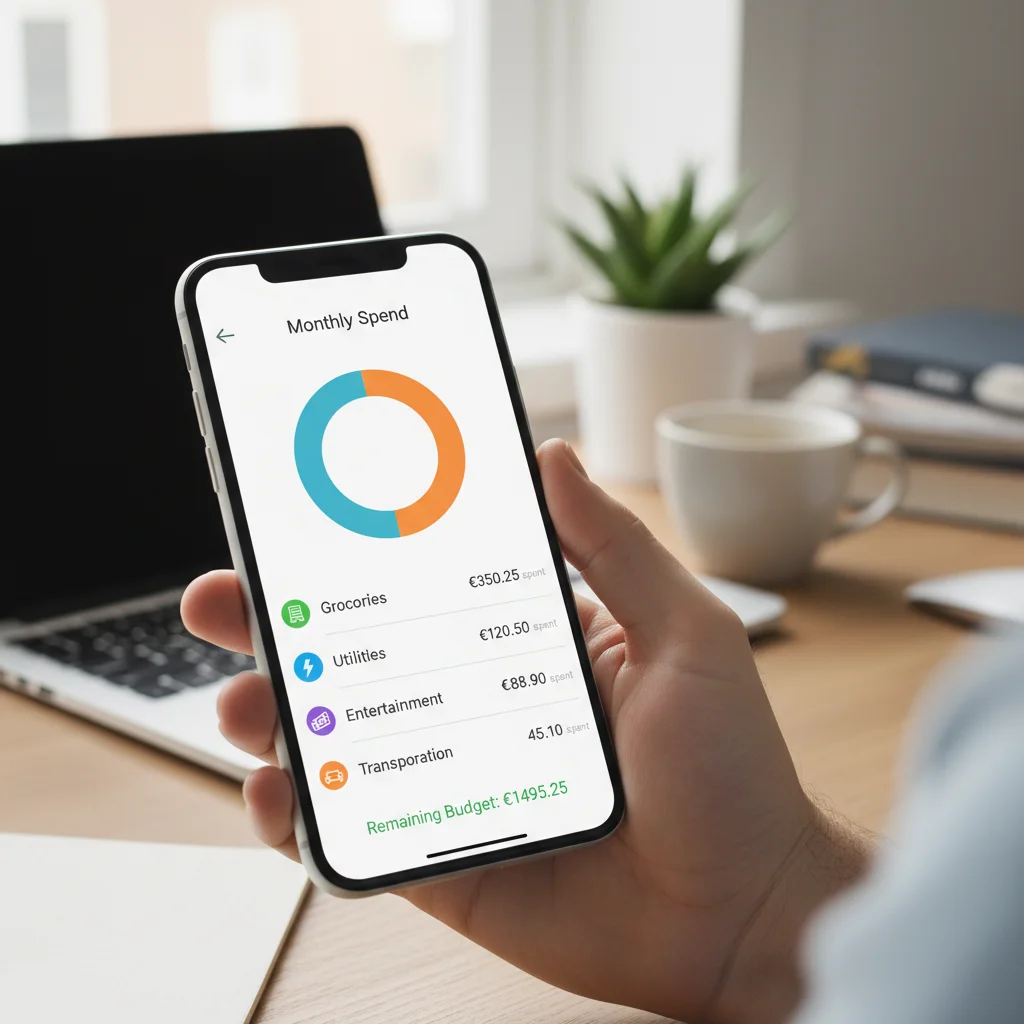
2. YNAB (You Need A Budget): The Zero-Based Budgeting Champion
Overview: YNAB stands out with its unique approach to budgeting: zero-based budgeting. This philosophy dictates that every dollar should have a job, ensuring that your income is allocated to expenses, savings, or debt repayment. For 2026, YNAB continues to refine its powerful methodology, making it easier for users to gain complete control over their money.
Key Features for 2026:
- Zero-Based Budgeting Framework: YNAB’s core strength. It forces users to be intentional with every dollar, which is incredibly effective for achieving a 15% (or even greater) spending reduction.
- Real-Time Tracking: Connects to bank accounts for automatic transaction imports, and allows for manual entry for cash transactions. Transactions are quickly categorized and allocated to budget categories.
- Goal Setting: Robust goal-setting features that integrate directly with your budget, allowing you to see how your current spending impacts your ability to reach financial milestones.
- Detailed Reporting: Offers powerful reports on spending, net worth, and income vs. expense, providing deep insights into your financial behavior and helping identify areas for optimization.
- Educational Resources: YNAB provides extensive educational materials, including workshops, articles, and a supportive community, to help users master its budgeting philosophy.
- Cross-Platform Accessibility: Seamless experience across web, iOS, and Android devices, ensuring you can manage your budget anytime, anywhere.
Pros: Highly effective for financial control, excellent for debt repayment and saving, strong community support, no ads, superior customer service.
Cons: Subscription fee, steep learning curve for some users due to its unique methodology, requires commitment to the zero-based budgeting philosophy.
Ideal User: Individuals who are serious about gaining granular control over their finances, willing to invest time in learning a new budgeting method, and committed to significant spending optimization and debt reduction.
3. Personal Capital (Empower): The Wealth Management Integrator
Overview: While not exclusively a budgeting app, Personal Capital (now Empower) offers robust budgeting and financial planning tools alongside its core wealth management services. For 2026, it continues to be an excellent choice for individuals looking for a comprehensive view of their finances, especially those with significant investments.
Key Features for 2026:
- Financial Dashboard: Provides a holistic view of all your financial accounts – bank accounts, credit cards, mortgages, and especially investments – in one place.
- Budgeting and Cash Flow: Offers tools to track income and expenses, categorize transactions, and analyze cash flow. While its budgeting features are less granular than YNAB’s, they are effective for general spending oversight and identifying large areas for a 15% optimization.
- Net Worth Tracker: One of its strongest features, offering a real-time, comprehensive view of your net worth, including detailed breakdowns of your investment portfolio.
- Investment Analysis: Provides sophisticated tools to analyze your investment portfolio, including fee analyzer, asset allocation insights, and retirement planning calculators. This is particularly valuable for optimizing returns and minimizing costs.
- Retirement Planner: Advanced tools to project your retirement readiness, factoring in various scenarios and providing actionable advice.
- Financial Advisors: For users with higher asset levels, Personal Capital offers access to human financial advisors, blending digital tools with personalized expert guidance.
Pros: Excellent for investment tracking and wealth management, free comprehensive financial dashboard, robust retirement planning tools, access to financial advisors.
Cons: Budgeting features are less detailed than dedicated budgeting apps, aggressive sales pitch for their advisory services, less emphasis on day-to-day spending optimization compared to Mint or YNAB.
Ideal User: High-net-worth individuals, investors, or anyone seeking a comprehensive financial overview that heavily emphasizes investment tracking, retirement planning, and wealth management, alongside basic budgeting capabilities.
Each of these budgeting apps 2026 offers a distinct approach to financial management. Your choice will depend on your specific needs, financial habits, and willingness to engage with the app’s methodology. The common thread among them is their potential to significantly enhance your financial awareness and empower you to optimize your spending and achieve your financial goals.
Strategies for Optimizing Spending by 15% Using Budgeting Apps
Achieving a 15% reduction in spending might seem ambitious, but with the consistent use of the right budgeting app and strategic financial habits, it’s an entirely attainable goal. Here are actionable strategies to leverage your chosen budgeting app for significant spending optimization:
1. Categorize Everything and Review Regularly
The foundation of effective budgeting is understanding where your money goes. Utilize your app’s automated categorization features but don’t shy away from manual adjustments. Regularly review your categorized transactions to ensure accuracy and to identify any ‘leakage’ where money is spent unnecessarily. Many apps offer weekly or monthly spending reports; make it a habit to review these to spot trends and areas for improvement. For instance, if you notice a significant portion of your income going towards ‘Dining Out,’ that’s a clear area to target for a 15% reduction.
2. Set Realistic, Yet Challenging, Budgets
Once you understand your spending patterns, set specific budget limits for each category. Don’t be afraid to challenge yourself. If you’re aiming for a 15% overall spending cut, translate that into smaller, manageable reductions across various categories. For example, if you spend $400 on groceries, try to reduce it to $340. Use your app’s budget tracking features to monitor your progress in real-time. The visual cues and alerts will help you stay accountable.
3. Identify and Eliminate ‘Money Leaks’
Budgeting apps are excellent at highlighting recurring subscriptions or small, frequent purchases that add up over time. These are often referred to as ‘money leaks.’ Review your subscriptions for services you no longer use or can get cheaper elsewhere. Analyze your daily coffee or snack habits. Even small cuts in these areas, when compounded, can contribute significantly to your 15% optimization goal. Your app’s spending reports will make these leaks glaringly obvious.
4. Implement the ‘Wait 24 Hours’ Rule
For non-essential purchases, especially larger ones, use your budgeting app to track the potential impact before you buy. Then, apply the ‘wait 24 hours’ rule. Often, the urge to purchase subsides, or you realize the item isn’t truly necessary. This simple psychological trick, supported by your app’s financial overview, can prevent impulse buys that derail your budget.
5. Plan Ahead for Irregular Expenses
Many budgets fail because they don’t account for irregular expenses like annual car maintenance, holiday gifts, or semi-annual insurance premiums. Use your budgeting app’s goal-setting or ‘sinking funds’ features to set aside small amounts each month for these larger, less frequent costs. This prevents these expenses from blowing up your monthly budget and ensures you stay on track for your 15% spending reduction.
6. Leverage Alerts and Notifications
Customize your app’s alerts to notify you when you’re approaching a budget limit, when a large transaction occurs, or when a bill is due. These proactive notifications act as a financial safety net, helping you make timely adjustments and avoid overspending before it becomes a problem. The best budgeting apps 2026 offer highly customizable alert systems.
7. Track Your Net Worth and Financial Goals
Seeing your net worth grow and your financial goals being met is a powerful motivator. Use your app’s net worth tracker and goal progress dashboards to stay inspired. When you see the tangible results of your spending optimization – whether it’s a growing savings account or shrinking debt – it reinforces positive financial behaviors and encourages continued discipline.
8. Utilize Debt Management Features
If you have debt, especially high-interest credit card debt, prioritize paying it down. Many budgeting apps offer debt repayment calculators and trackers. By strategically allocating more funds to debt repayment, you not only reduce your liabilities but also free up future income that was previously going towards interest payments, effectively optimizing your long-term spending.
9. Review and Adjust Your Budget Quarterly
Life changes, and so should your budget. Your financial situation, income, and expenses are not static. Make it a point to review and adjust your budget within the app quarterly. This ensures your budget remains relevant and effective, helping you continuously adapt and improve your spending optimization strategies. This iterative process is key to sustaining a 15% or more reduction over time.
By diligently applying these strategies with your chosen budgeting app, you can transform your financial habits, gain greater control over your money, and confidently achieve your goal of optimizing spending by 15% or more in 2026.

The Future of Budgeting: What to Expect Beyond 2026
The evolution of budgeting apps 2026 is just a stepping stone in the broader journey of personal finance technology. As we look beyond 2026, several exciting trends are poised to further revolutionize how we manage our money, making financial optimization even more intelligent, seamless, and integrated into our daily lives. These advancements will continue to push the boundaries of what’s possible, moving beyond simple tracking to predictive and proactive financial management.
Hyper-Personalization Driven by AI and Machine Learning
While current apps use AI for categorization, future apps will leverage it for hyper-personalization. Expect budgeting apps to offer highly customized financial advice, not just based on your spending, but also factoring in your life goals, risk tolerance, and even psychological biases. They will predict financial challenges before they arise and proactively suggest solutions, almost acting as a personal financial coach in your pocket. This could include dynamic budget adjustments based on real-time income fluctuations or personalized investment recommendations tailored to market conditions and your specific profile.
Integration with Wearable Technology and IoT
Imagine your budgeting app seamlessly integrating with your smartwatch or smart home devices. Future apps could track spending habits through wearable payment devices and provide instant feedback. Your smart refrigerator might even suggest grocery lists based on your budget for the week, or your car’s navigation system could recommend cheaper gas stations based on your fuel budget. The Internet of Things (IoT) will create a more interconnected financial ecosystem, making budgeting an ambient, almost subconscious part of your daily routine.
Enhanced Predictive Analytics for Financial Forecasting
Beyond simply tracking past spending, next-generation budgeting apps will offer sophisticated predictive analytics. They will forecast your financial future with greater accuracy, projecting your cash flow, net worth, and debt repayment timelines years in advance. This will empower users to make more informed long-term decisions, such as when to buy a house, retire, or make a significant investment, with a clearer understanding of the financial implications.
Gamification and Behavioral Economics
To make financial management more engaging, future apps will increasingly incorporate gamification elements and principles from behavioral economics. This could include challenges, rewards for hitting financial milestones, or interactive scenarios that help users understand the impact of their choices. The goal is to make budgeting less of a chore and more of an interactive, rewarding experience, fostering better financial habits through positive reinforcement.
Open Banking and API Standardization
The global trend towards open banking will mature, leading to even more seamless and secure data sharing between financial institutions and budgeting apps. Standardized APIs will allow for quicker, more reliable connections, richer data exchange, and the development of innovative third-party financial tools that can plug into your primary budgeting platform. This will create a more competitive and user-centric financial landscape.
Focus on Financial Wellness Beyond Money
Future budgeting apps will broaden their scope from purely financial metrics to holistic financial wellness. This might include integrations with mental health apps to address financial stress, tools for setting and achieving personal development goals that require financial backing, or even features that connect users with financial literacy resources tailored to their specific needs. The aim will be to support a more balanced and fulfilling life through sound financial management.
The role of budgeting apps 2026 and beyond will be to act as intelligent co-pilots in our financial lives, anticipating our needs, guiding our decisions, and empowering us to achieve unprecedented levels of financial control and freedom. The journey towards optimizing spending by 15% is just the beginning; the future promises an even more integrated and intelligent approach to personal finance.
Conclusion: Empowering Your Financial Journey with Budgeting Apps in 2026
As we’ve explored, the landscape of personal finance in 2026 is profoundly shaped by the capabilities of advanced budgeting apps. These tools are no longer mere digital ledgers; they are sophisticated financial partners, offering everything from automated transaction categorization and real-time spending insights to comprehensive net worth tracking and personalized financial advice. The goal of optimizing spending by a significant margin, such as 15%, becomes not just attainable but often a natural outcome of consistent engagement with these platforms.
We’ve delved into three leading US budgeting apps – Mint, YNAB, and Personal Capital (Empower) – each catering to different financial philosophies and user needs. Mint stands out as the free, all-encompassing solution ideal for those seeking a broad overview and automated management. YNAB champions the transformative power of zero-based budgeting, perfect for users committed to granular control and intentional spending. Personal Capital (Empower) offers a robust blend of budgeting and wealth management, making it indispensable for investors and individuals focused on long-term financial planning and net worth growth.
The key to maximizing the benefits of these budgeting apps 2026 lies in active engagement and strategic implementation. By consistently categorizing expenses, setting realistic yet challenging budgets, identifying and eliminating ‘money leaks,’ and leveraging the apps’ alert systems, users can gain unparalleled clarity and control over their finances. The motivation derived from seeing your net worth grow and your financial goals materialize serves as a powerful reinforcement for positive financial habits.
Looking beyond 2026, the future of budgeting promises even greater innovation, with hyper-personalization driven by AI, seamless integration with the Internet of Things, advanced predictive analytics, and gamified experiences. These advancements will continue to make financial management more intuitive, engaging, and deeply integrated into our daily lives, ultimately fostering a greater sense of financial wellness and empowerment.
In conclusion, choosing the right budgeting app for 2026 is a crucial step towards taking charge of your financial future. Whether you aim to reduce debt, increase savings, grow investments, or simply gain a clearer understanding of your money, these digital tools provide the framework and insights necessary to achieve your aspirations. Embrace the power of these apps, commit to consistent financial discipline, and unlock the potential for significant spending optimization and lasting financial freedom.