Pay Yourself First: 2026 Guide for US Workers to Boost Savings
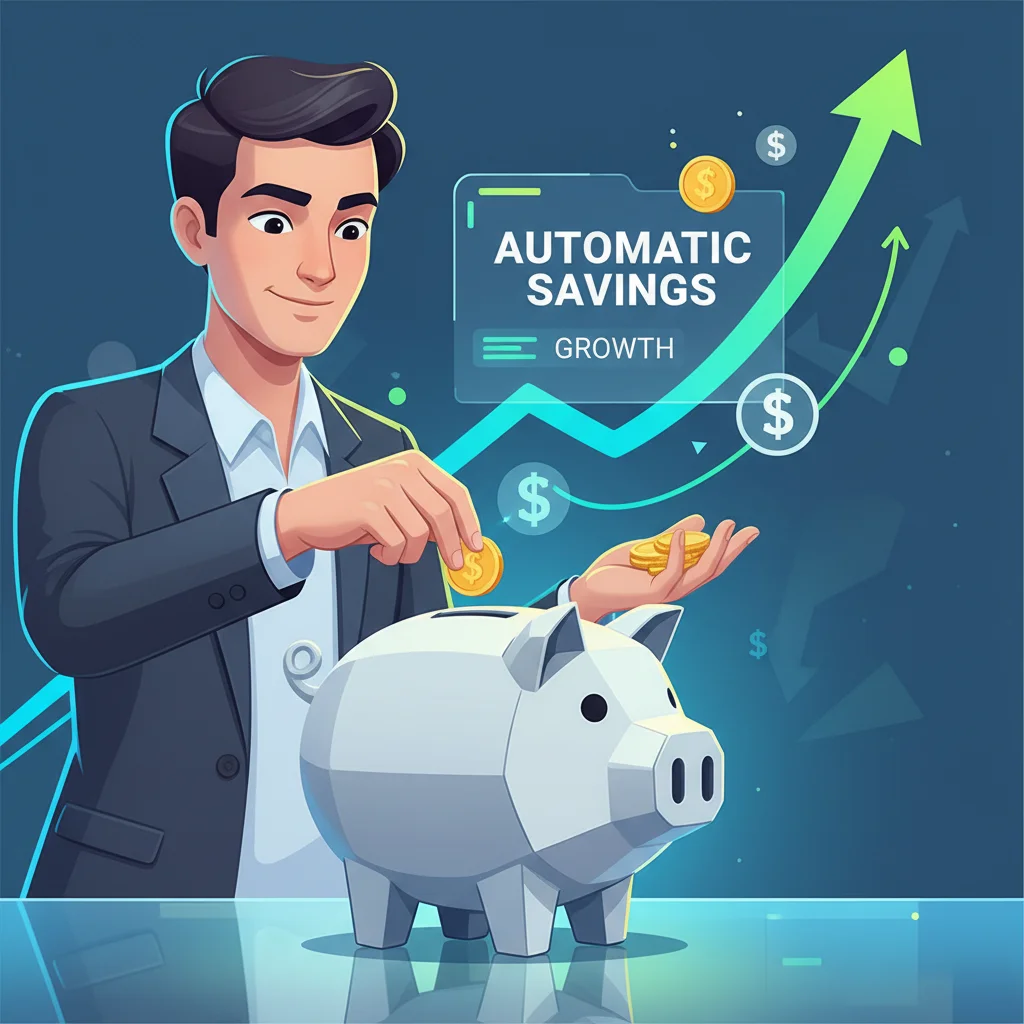
The ‘Pay Yourself First’ Method: A 2026 Guide for US Workers to Increase Savings by 10% Automatically
In the dynamic economic landscape of 2026, financial security remains a paramount concern for US workers. While countless budgeting strategies exist, one stands out for its simplicity, effectiveness, and transformative power: the ‘Pay Yourself First’ method. This approach isn’t just a financial tip; it’s a fundamental shift in how you manage your money, ensuring your financial goals are prioritized. This comprehensive guide will delve into the ‘Pay Yourself First’ method, explaining its core principles, practical implementation for US workers in 2026, and how it can automatically boost your savings by at least 10%.
Understanding the Core Principle of ‘Pay Yourself First’
At its heart, the ‘Pay Yourself First’ method is deceptively simple: prioritize saving and investing before you allocate money to any other expenses. Instead of saving what’s left after all your bills are paid and discretionary spending is done, you treat your savings as a non-negotiable expense, just like rent or utility bills. This crucial mental and practical shift ensures that your financial future is not an afterthought but a primary consideration.
The Traditional vs. ‘Pay Yourself First’ Approach
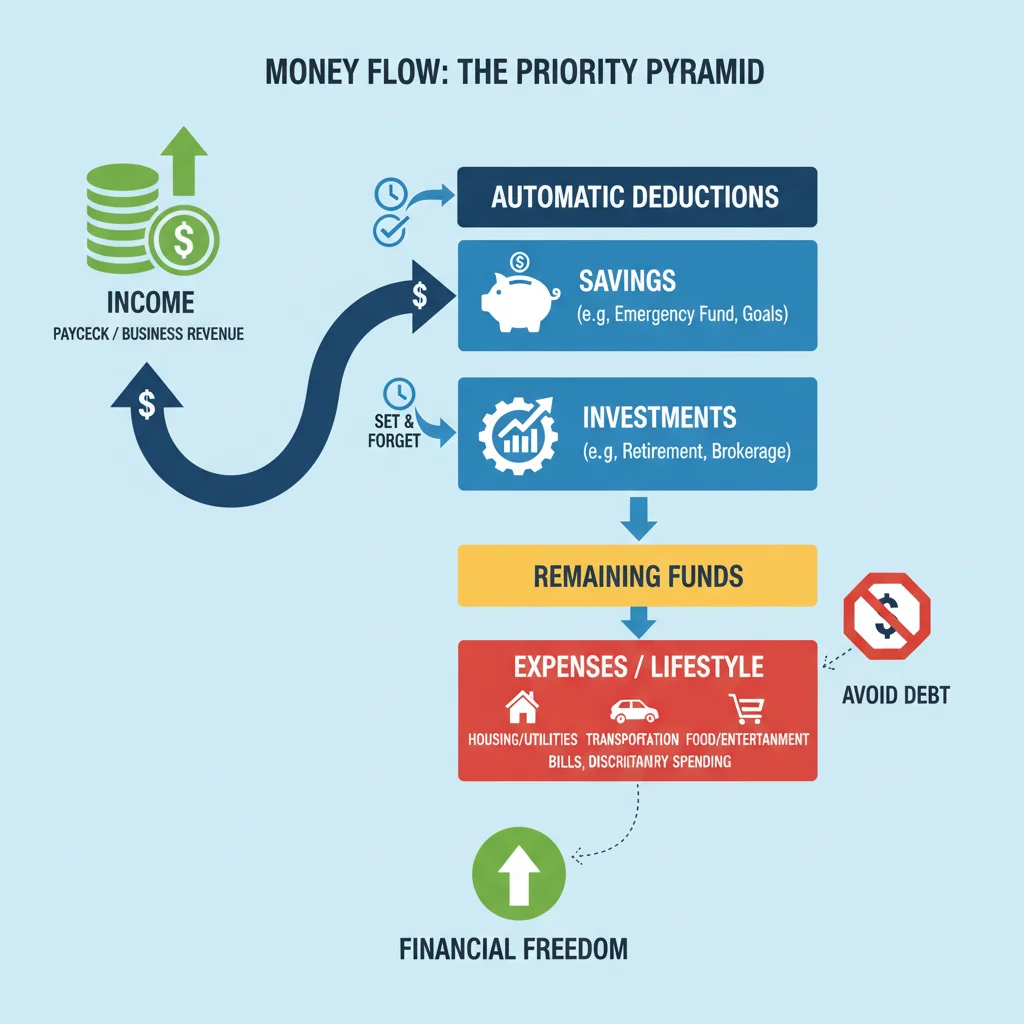
Traditionally, many people follow a spending pattern that looks something like this: Income → Bills → Discretionary Spending → Maybe Savings. The problem with this model is that savings often get squeezed out, leaving little or nothing to put aside. Life happens, unexpected expenses arise, and before you know it, your savings account remains stagnant.
The ‘Pay Yourself First’ method flips this script: Income → Savings/Investments → Bills → Discretionary Spending. By automating your savings at the very beginning of your pay cycle, you guarantee that a portion of your income is always dedicated to your financial goals. This strategy leverages human psychology; by removing the money from your checking account before you even see it, you’re less likely to miss it or spend it.
Why ‘Pay Yourself First’ is More Relevant Than Ever for US Workers in 2026
The year 2026 presents unique financial challenges and opportunities for US workers. Inflationary pressures, evolving job markets, and the persistent need for retirement planning make robust savings strategies indispensable. The ‘Pay Yourself First’ method addresses several key concerns:
- Combating Lifestyle Creep: As incomes rise, so too often do expenses. By automating savings, you protect a portion of your increased earnings from being absorbed by lifestyle inflation.
- Building Emergency Funds: Economic uncertainties underscore the importance of a solid emergency fund. ‘Pay Yourself First’ provides a consistent way to build this crucial safety net.
- Achieving Long-Term Goals: Whether it’s a down payment on a home, funding higher education, or securing a comfortable retirement, consistent, automatic savings are the bedrock of long-term financial success.
- Reducing Financial Stress: Knowing that your savings are consistently growing provides immense peace of mind, reducing financial anxiety.
- Leveraging Compounding: The earlier and more consistently you save, the more time your money has to grow through the power of compound interest.
Setting Your ‘Pay Yourself First’ Target: Aiming for 10% (or More!)
While any amount saved is better than none, a common and highly effective starting point for the ‘Pay Yourself First’ method is 10% of your gross income. For many US workers, this is an achievable goal that can significantly impact their financial future. However, if your financial situation allows, consider aiming for 15% or even 20%. The higher your savings rate, the faster you’ll reach your financial milestones.
Calculating Your 10% Target
Let’s say your gross monthly income is $4,000. A 10% savings target would mean setting aside $400 each month. If you’re paid bi-weekly, that’s $200 per paycheck. This might seem like a significant amount initially, but by making it automatic, you’ll be surprised how quickly you adapt.
It’s important to differentiate between gross and net income. While some financial advisors suggest saving from gross income for a more aggressive approach, starting with 10% of your net (take-home) income is a more realistic and manageable goal for many, especially when first implementing the strategy. The key is consistency, regardless of whether you start with gross or net.
Practical Steps for Implementing ‘Pay Yourself First’ in 2026
Successfully adopting the ‘Pay Yourself First’ method requires a few practical steps. Thanks to modern banking and financial technology, automating this process is easier than ever.
Step 1: Assess Your Current Financial Situation
Before you can effectively save, you need a clear picture of where your money is going. Create a budget, if you don’t already have one. Track your income and expenses for at least a month. Identify areas where you can potentially cut back to free up funds for your savings goal. Be honest with yourself about your spending habits.
Step 2: Determine Your Savings Destinations
Where will your automatically saved money go? Consider different financial goals:
- Emergency Fund: Aim for 3-6 months of living expenses in an easily accessible, high-yield savings account.
- Retirement Accounts: 401(k), 403(b), IRA (Traditional or Roth). These offer significant tax advantages and are crucial for long-term wealth building. Many employers offer matching contributions to 401(k)s – always contribute enough to get the full match; it’s free money!
- Investment Accounts: Brokerage accounts for long-term growth beyond retirement.
- Specific Goals: Down payment for a house, car, education, vacation, etc.
You might allocate your 10% across several of these destinations. For example, 5% to your 401(k), 3% to your emergency fund, and 2% to a specific savings goal.
Step 3: Automate Your Transfers
This is the cornerstone of the ‘Pay Yourself First’ method. Set up automatic transfers from your checking account to your savings and investment accounts immediately after your paycheck hits. Most banks and financial institutions offer this feature. You can typically set the frequency (weekly, bi-weekly, monthly) and the amount.
Employer-Sponsored Plans (401(k), 403(b))
For retirement accounts like 401(k)s, contributions are typically deducted directly from your paycheck before it even reaches your bank account. This is the ultimate form of ‘Pay Yourself First’ because you never even see the money, making it effortless to save. If your employer offers a retirement plan, maximize your contributions, especially if there’s an employer match.
Bank-to-Bank Transfers
For emergency funds, down payments, or other personal savings goals, set up recurring transfers from your primary checking account to a separate savings account. Ideally, this savings account should be at a different bank or at least not easily accessible via your primary debit card, reducing the temptation to dip into it.
Step 4: Adjust and Review Regularly
Your financial situation isn’t static. As your income increases, or as you pay off debt, consider increasing your automatic savings percentage. Review your budget and savings goals periodically (e.g., quarterly or annually) to ensure they still align with your financial aspirations. The goal is continuous improvement and growth.
Overcoming Common Challenges with ‘Pay Yourself First’
While the ‘Pay Yourself First’ method is powerful, some US workers might encounter challenges. Here’s how to address them:
Challenge 1: "I Don’t Have Enough Money to Save 10%"
This is a common sentiment. If 10% feels impossible, start smaller. Even 1% or 2% is a significant step. The goal is to build the habit first. Once you’re consistently saving a small amount, you can gradually increase it over time as your income grows or as you find areas to cut expenses. Remember, consistency beats intensity when it comes to savings.
Challenge 2: Unexpected Expenses
Life throws curveballs. That’s precisely why an emergency fund is so critical. By consistently building your emergency fund through the ‘Pay Yourself First’ method, you’ll be better prepared to handle unexpected expenses without derailing your long-term savings goals.
Challenge 3: "I Need That Money for Bills"
If saving 10% genuinely leaves you unable to cover essential bills, it’s a sign that your spending might be exceeding your income, or you need to re-evaluate your budget. This isn’t a failure of the ‘Pay Yourself First’ method but a wake-up call to adjust your overall financial picture. This might involve:
- Cutting non-essential expenses (e.g., dining out, subscriptions).
- Finding ways to increase your income (e.g., side hustle, negotiating a raise).
- Refinancing high-interest debt to lower monthly payments.
The Psychological Benefits of ‘Pay Yourself First’
Beyond the tangible financial gains, the ‘Pay Yourself First’ method offers significant psychological advantages:
- Reduced Guilt: Once your savings are secured, you can spend your remaining discretionary income without guilt, knowing your future is taken care of.
- Increased Financial Confidence: Watching your savings grow automatically builds confidence and a sense of control over your finances.
- Habit Formation: Automation turns saving into a habit, removing the need for willpower each month.
- Future Focus: It shifts your mindset from immediate gratification to long-term financial well-being.
Advanced Strategies for US Workers in 2026 Using ‘Pay Yourself First’
Once you’ve mastered the basic 10% automatic savings, consider these advanced strategies to accelerate your financial growth:
Strategy 1: Automate "Found Money"
Did you get a raise, a bonus, a tax refund, or an unexpected gift? Instead of letting that money disappear into your everyday spending, automatically direct a significant portion (or all) of it straight to savings or investments. This is an excellent way to boost your savings without feeling the pinch.
Strategy 2: "Set It and Forget It" with Investment Accounts
Beyond simple savings accounts, automate transfers into investment vehicles. This could be a Roth IRA, a traditional IRA, or a taxable brokerage account. Even small, consistent contributions can grow substantially over decades, thanks to compounding. Consider target-date funds or low-cost index funds for a diversified, hands-off approach.
Strategy 3: Laddering Your Savings Goals
If you have multiple savings goals (e.g., emergency fund, down payment, retirement), create a "savings ladder." Prioritize your emergency fund first. Once that’s fully funded, direct those automatic contributions to your next goal. This systematic approach ensures all your financial objectives are addressed.
Strategy 4: Utilize Micro-Savings Apps
For those who find it hard to save larger chunks, micro-savings apps can complement the ‘Pay Yourself First’ method. Apps that round up your purchases to the nearest dollar and save the difference, or those that automatically save small amounts based on your spending habits, can add up over time and contribute to your overall savings goals.
The Role of Technology in ‘Pay Yourself First’ for 2026
The financial technology (FinTech) landscape in 2026 offers unparalleled tools to facilitate the ‘Pay Yourself First’ method. Leverage these resources:
- Online Banking Portals: Most banks have robust online platforms for setting up recurring transfers.
- Budgeting Apps: Apps like Mint, YNAB (You Need A Budget), or Personal Capital can help you track spending, identify savings opportunities, and visualize your financial progress.
- Investment Platforms: Robo-advisors (e.g., Betterment, Wealthfront) can automate investments based on your risk tolerance and goals, making investing accessible and hands-off.
- Payroll Direct Deposit: Many employers allow you to split your direct deposit across multiple accounts. You can direct a percentage or a fixed amount directly to a savings or investment account before it even hits your primary checking account. This is a highly effective way to implement ‘Pay Yourself First’.

Real-Life Impact: What 10% Savings Can Do Over Time
Let’s consider the long-term impact of consistently saving 10% of your income. Imagine a US worker earning a median salary of $60,000 per year in 2026. Saving 10% means $6,000 per year, or $500 per month.
- After 5 years: $30,000 saved (excluding interest).
- After 10 years: $60,000 saved (excluding interest).
- After 30 years (with a modest 7% annual return): Approximately $600,000.
These figures demonstrate the incredible power of consistent, automated savings combined with compound interest. Starting early and being consistent are the two most crucial factors. The ‘Pay Yourself First’ method makes consistency almost effortless.
Integrating ‘Pay Yourself First’ with Other Financial Strategies
The beauty of the ‘Pay Yourself First’ method is that it complements almost every other sound financial strategy:
- Budgeting: A budget helps you understand where your money goes, making it easier to identify the 10% (or more) you can save. Once savings are automated, your budget focuses on managing the remaining funds.
- Debt Repayment: While saving, it’s also crucial to tackle high-interest debt. Some experts suggest a "debt snowball" or "debt avalanche" method. You can allocate a portion of your ‘Pay Yourself First’ funds to debt repayment, or once your emergency fund is solid, temporarily reduce savings to aggressively pay down debt, then revert to higher savings.
- Financial Planning: ‘Pay Yourself First’ is the practical engine that drives your broader financial plan. It ensures you’re actively working towards your goals, not just dreaming about them.
Conclusion: Secure Your 2026 Financial Future with ‘Pay Yourself First’
For US workers navigating the complexities of 2026, the ‘Pay Yourself First’ method offers a clear, actionable, and highly effective path to increased financial security and wealth accumulation. By prioritizing your savings and automating the process, you remove the guesswork and the temptation to spend money that should be dedicated to your future.
Start small if you must, but start today. Set up those automatic transfers, commit to consistently putting aside at least 10% of your income, and watch your financial future transform. The peace of mind, the growth of your assets, and the achievement of your financial goals are well within reach when you make the conscious decision to ‘Pay Yourself First’. It’s not just a savings strategy; it’s a commitment to your financial well-being that pays dividends for a lifetime.