Airline Passenger Protections 2026: Navigating New Rights for Delayed Flights
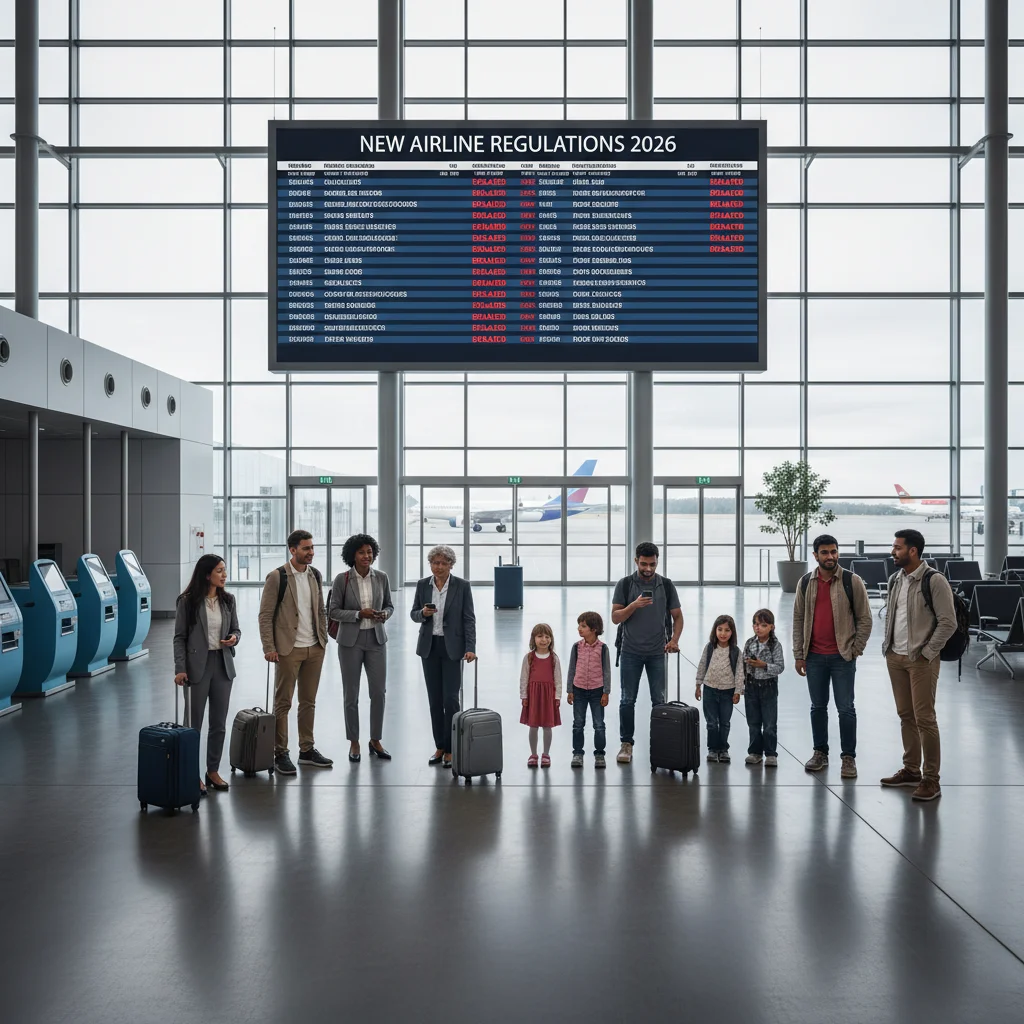
Understanding New Airline Passenger Protections in 2026
Air travel, while offering incredible opportunities for exploration and connection, often comes with its fair share of anxieties. Among the most common and frustrating issues faced by travelers are delayed flights, cancellations, and mishandled baggage. For years, consumer advocates have pushed for stronger regulations to ensure that passengers are treated fairly and compensated appropriately when things go awry. The good news for travelers is that 2026 is set to usher in a new era of airline passenger protections, promising more robust rights and clearer recourse for those affected by travel disruptions.
This comprehensive guide will delve into what these new protections entail, focusing specifically on how they will impact you, the passenger, in the event of delayed flights. We’ll explore the changes, the rationale behind them, and what you can expect when navigating the complexities of air travel in the coming years. Understanding these new regulations is crucial for every traveler, enabling you to assert your rights and ensure a smoother, less stressful journey.
The Evolution of Airline Consumer Rights: A Look Back and Forward
Before we dive into the specifics of the 2026 regulations, it’s important to understand the landscape of airline consumer rights. Historically, passenger protections have varied significantly by region and even by airline. While some jurisdictions, like the European Union with its EC 261 regulation, have long offered strong protections, others have lagged behind. The United States, for instance, has seen incremental changes over the years, often in response to high-profile incidents or persistent advocacy.
The impetus for the 2026 airline passenger protections stems from a recognition that existing frameworks are often insufficient. The COVID-19 pandemic, in particular, exposed vulnerabilities in the system, with many passengers struggling to obtain refunds for canceled flights or adequate support during widespread disruptions. This led to a renewed push by governments and consumer groups to standardize and strengthen passenger rights, ensuring a more consistent and equitable experience for all.
The upcoming changes aim to address these gaps by:
- Standardizing Compensation: Moving towards more consistent compensation rules for delayed flights and cancellations.
- Enhancing Transparency: Requiring airlines to be more upfront about their policies and the reasons for disruptions.
- Improving Communication: Mandating better and timelier communication with passengers during disruptions.
- Strengthening Enforcement: Providing clearer mechanisms for passengers to seek recourse and for regulators to enforce compliance.
These overarching goals form the bedrock of the new regulations and are designed to shift the balance of power slightly more in favor of the consumer. As we move closer to 2026, airlines will be working to adapt their systems and policies to comply with these new mandates, and travelers will need to educate themselves on their updated entitlements.
Key Changes for Delayed Flights in 2026
One of the most significant areas of focus for the 2026 airline passenger protections is delayed flights. Delays can range from minor inconveniences to significant disruptions, leading to missed connections, lost vacation time, and unexpected expenses. The new rules aim to mitigate these impacts by providing clearer guidelines for what airlines must offer passengers.
Defining ‘Significant Delay’ and Automatic Compensation Triggers
A major improvement is the effort to define what constitutes a ‘significant delay’ more uniformly across the industry. While the exact thresholds may vary slightly depending on the specific regulation (e.g., domestic vs. international flights), the general trend is towards lower thresholds for triggering compensation and assistance. For example, some proposals suggest that delays exceeding three hours could automatically trigger certain benefits, regardless of the reason for the delay (with some exceptions for extraordinary circumstances).
This means that:
- Clearer Timelines: Passengers will have a better understanding of when their rights kick in.
- Reduced Discretion: Airlines will have less room to deny compensation based on ambiguous definitions of delay.
- Automatic Processes: There’s a push for more automated compensation processes, reducing the burden on passengers to actively claim their rights.
The goal is to remove ambiguity and ensure that passengers are not left guessing about their eligibility for support when their flight is significantly delayed.
Mandatory Meals, Accommodation, and Communication
Beyond financial compensation, the 2026 regulations will likely strengthen requirements for in-kind assistance during delayed flights. Expect clearer mandates regarding:
- Meals and Refreshments: Airlines will be required to provide meals and refreshments after a certain delay threshold, often tied to the length of the delay. This will likely be more explicitly defined than current, sometimes vague, guidelines.
- Accommodation: For overnight delays, airlines will be obligated to provide hotel accommodation and transportation to and from the hotel. The standards for this accommodation may also be improved, ensuring a reasonable level of comfort.
- Communication: Airlines will face stricter requirements for timely and accurate communication about the status of delayed flights, the reasons for delays, and the assistance being provided. This includes regular updates through various channels (e.g., app notifications, airport announcements, direct messages).
These provisions are designed to ensure that passengers are not left stranded or without basic necessities when their travel plans are disrupted. The emphasis is on proactive assistance rather than reactive complaints.
Right to Re-routing or Refund
For significantly delayed flights, especially those that lead to a cancellation or make the original purpose of the trip unfeasible, passengers will have enhanced rights to either:
- Re-routing: Be re-routed to their final destination at the earliest opportunity, even if it means using another airline or different modes of transport.
- Full Refund: Receive a full refund for the unused portion of their ticket if they choose not to travel. This refund must be processed promptly, within a specified number of days.
This reinforces the passenger’s choice and prevents airlines from forcing travelers into undesirable alternatives without compensation. The promptness of refunds is a particularly welcome change, as many passengers experienced significant delays in receiving refunds during the pandemic.
Beyond Delays: Other Key Protections in 2026
While delayed flights are a primary focus, the 2026 airline passenger protections encompass a broader range of issues. Understanding these additional rights will provide a complete picture of your enhanced consumer power.
Cancellations: Stronger Refund and Re-routing Obligations
Cancellations can be even more disruptive than delays. The new rules will solidify airlines’ obligations when a flight is canceled, particularly regarding:
- Mandatory Refunds: Requiring airlines to issue prompt and full refunds for canceled flights, regardless of the reason (unless the passenger accepts an alternative).
- Alternative Transportation: Ensuring passengers are offered alternative transportation to their destination, which could include flights on other airlines, trains, or buses, at no additional cost.
- Duty of Care: Extending the duty of care (meals, accommodation) to canceled flights, similar to delayed flights, until alternative travel is arranged.
The key here is to remove the ambiguity and loopholes that airlines sometimes used to avoid immediate refunds or suitable re-routing options, especially for non-controllable cancellations.
Lost, Damaged, or Delayed Baggage
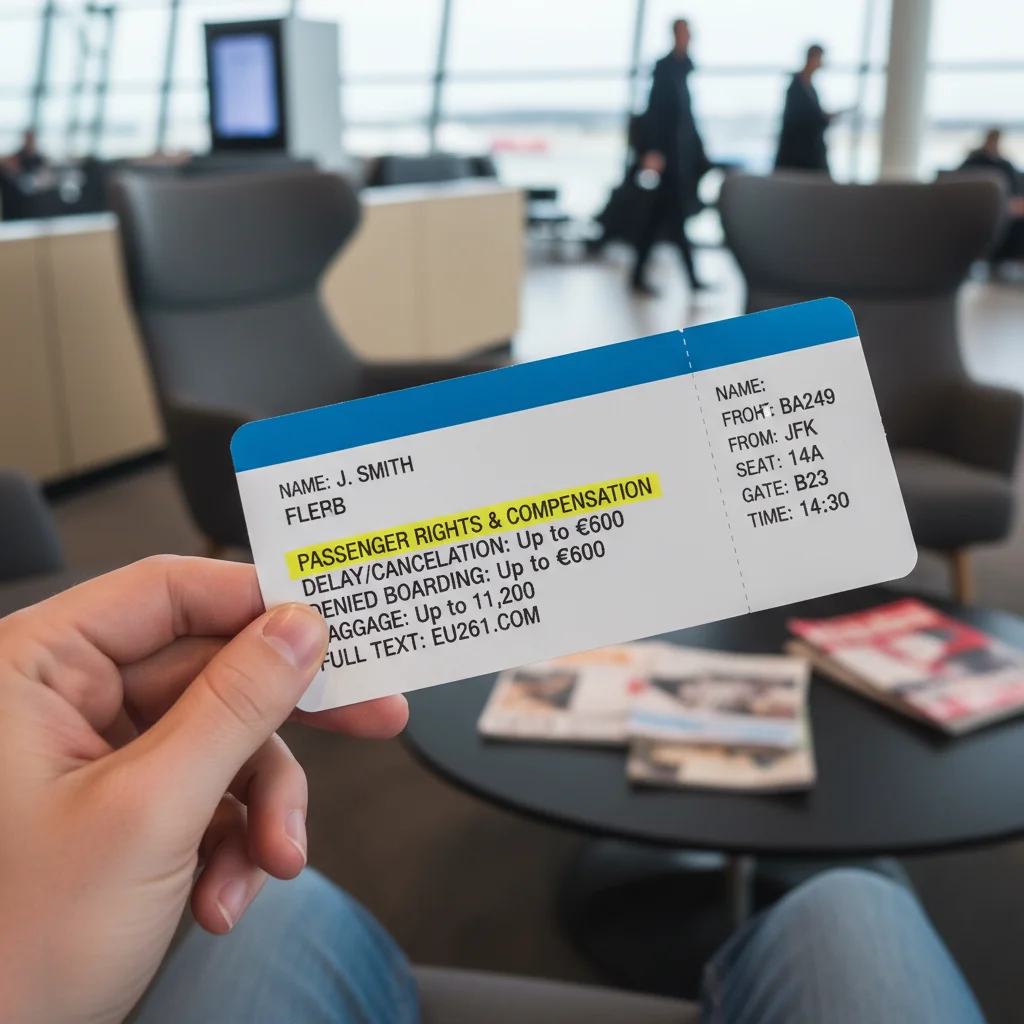
Mishandled baggage is another common source of frustration. The 2026 protections are expected to:
- Increase Compensation Limits: Potentially raise the maximum liability limits for lost or damaged baggage, reflecting the true value of travelers’ belongings.
- Expedite Claims: Streamline the process for filing and resolving baggage claims, ensuring quicker resolution and compensation.
- Temporary Essentials: Clarify airline obligations to provide funds for essential items when baggage is significantly delayed at the destination.
While the Montreal Convention already sets international standards for baggage, the new regulations may supplement these with more specific or higher local requirements, offering greater peace of mind for travelers checking their bags.
Transparency in Pricing and Fees
Hidden fees have long been a point of contention for air travelers. The 2026 airline passenger protections are expected to mandate greater transparency in pricing, requiring airlines to:
- Display All-in Fares: Show the full, final price of a ticket upfront, including all mandatory taxes and fees, at the first point of sale.
- Clear Ancillary Fee Disclosure: Clearly disclose all optional fees (e.g., for seat selection, checked bags, priority boarding) before purchase, allowing passengers to make informed decisions.
- Refundability of Ancillary Fees: Ensure that if a flight is canceled or significantly delayed, any ancillary fees paid for services not rendered are also refunded.
This aims to combat bait-and-switch tactics and empower consumers to compare prices more accurately, fostering a fairer marketplace.
How to Prepare for the New Protections
As 2026 approaches, both airlines and passengers will need to adapt to the new regulatory environment. For travelers, preparation is key to effectively utilizing these enhanced airline passenger protections.
Stay Informed and Know Your Rights
The most important step is to stay informed. Government agencies and consumer advocacy groups will likely publish detailed guides on the new regulations. Make it a habit to:
- Review Official Sources: Check the websites of relevant aviation authorities (e.g., DOT in the US, EASA in Europe) for the most up-to-date and accurate information.
- Read Airline Policies: While regulations set the minimum, airlines may offer more generous policies. Familiarize yourself with your chosen airline’s specific contract of carriage.
- Understand the Triggers: Know the specific delay durations or circumstances that trigger your right to assistance or compensation.
Knowledge is power, and understanding your rights before you travel will enable you to act confidently if a disruption occurs.
Document Everything
In the event of a delayed flight or other disruption, meticulous documentation can be your best friend. Keep records of:
- Flight Details: Original booking confirmation, flight numbers, and scheduled departure/arrival times.
- Delay Information: Screenshots of airport screens showing delays, official announcements, and any communication from the airline regarding the delay’s cause and expected duration.
- Expenses: Receipts for any unexpected costs incurred due to the delay (meals, accommodation, transport) if the airline does not provide them directly.
- Communication: Names of airline staff you speak with, dates, times, and summaries of conversations.
This documentation will be invaluable if you need to file a claim or dispute an airline’s decision.
Utilize Available Resources
Should you face a disruption, remember the resources available to you:
- Airline Customer Service: Start by engaging directly with the airline’s customer service at the airport or through their communication channels.
- Online Claim Forms: Many airlines will have dedicated online forms for compensation claims related to delayed flights or cancellations.
- Regulatory Bodies: If you feel your rights have been violated and the airline is unresponsive, you can escalate your complaint to the relevant aviation regulatory body in your country or region.
- Consumer Advocacy Groups: These organizations can offer advice and support in navigating complex claims.
The new regulations aim to make these processes smoother, but being prepared to follow through is still important.
The Broader Impact: A Win for Travelers and the Industry?
The implementation of these enhanced airline passenger protections in 2026 is poised to have a significant impact not only on travelers but also on the airline industry itself.
For Passengers: Increased Confidence and Fairer Treatment
For travelers, the most immediate benefit will be increased confidence. Knowing that there are clear rules and recourse mechanisms in place can alleviate some of the stress associated with potential disruptions. It means less uncertainty about what to do when a flight is delayed and a greater assurance of fair treatment. This could lead to:
- Reduced Travel Anxiety: A clearer understanding of rights reduces the fear of being stranded or financially burdened.
- Empowered Consumers: Travelers will be better equipped to advocate for themselves.
- Improved Travel Experience: Even when disruptions occur, the process of resolving them should be less adversarial.
For Airlines: Challenges and Opportunities
For airlines, these new regulations present both challenges and opportunities. Compliance will require significant investment in:
- Operational Adjustments: Airlines will need to refine their operational procedures to minimize delays and cancellations, as the financial penalties for disruptions will be higher.
- Technology Upgrades: Investment in systems for automated compensation, improved communication, and efficient re-routing will be necessary.
- Staff Training: Customer service staff will require comprehensive training on the new regulations to effectively assist passengers.
However, there are also opportunities:
- Enhanced Customer Loyalty: Airlines that proactively embrace and exceed these new standards can build stronger trust and loyalty with their passengers.
- Improved Reputation: A reputation for fair treatment and reliable service can be a significant competitive advantage.
- Industry Standardization: A more standardized approach across the industry could simplify operations for airlines that operate internationally.
Ultimately, while the initial adaptation phase may be challenging, the long-term benefit for the industry could be a more stable, trusted, and consumer-friendly air travel ecosystem.
Potential Hurdles and What to Watch For
While the prospect of stronger airline passenger protections is exciting, it’s also important to be aware of potential hurdles and nuances as these regulations roll out.
Definition of ‘Extraordinary Circumstances’
One area that often leads to disputes is the definition of ‘extraordinary circumstances’ – situations beyond an airline’s control (e.g., severe weather, air traffic control strikes) that may exempt them from certain compensation obligations. While the new rules aim for clarity, this will remain a key point of interpretation. Passengers should be vigilant and question broad claims of extraordinary circumstances, especially if the airline could have taken preventative measures.
Enforcement and Compliance
The effectiveness of any regulation hinges on its enforcement. While the new rules will provide clearer guidelines, the willingness and capacity of regulatory bodies to penalize non-compliant airlines will be crucial. Passengers may still need to be persistent in pursuing their claims, especially in the early stages of implementation.
International Consistency
While there’s a global trend towards stronger passenger rights, complete international consistency is unlikely. Travelers flying across different jurisdictions will still need to be aware of the specific rules that apply to their flights, which can depend on the departure country, arrival country, and the airline’s operating base. The 2026 changes represent a significant step forward, but they are not a universal panacea.
Conclusion: A Brighter Future for Air Travelers
The upcoming 2026 airline passenger protections mark a pivotal moment for air travel. With enhanced rights for delayed flights, clearer compensation rules, and greater transparency, passengers are set to experience a more equitable and less stressful journey. While no regulation can eliminate all disruptions, these new rules aim to significantly mitigate their impact and ensure that travelers are not left to bear the full burden of unforeseen circumstances.
By staying informed, documenting your travel, and knowing how to assert your rights, you can navigate the skies of 2026 and beyond with greater confidence. The future of air travel is not just about faster planes or more destinations; it’s also about a commitment to treating passengers with the respect and fairness they deserve. Prepare yourself, embrace these new protections, and look forward to a more secure and enjoyable travel experience.