Product Recalls 2026: Stay Informed, Stay Safe
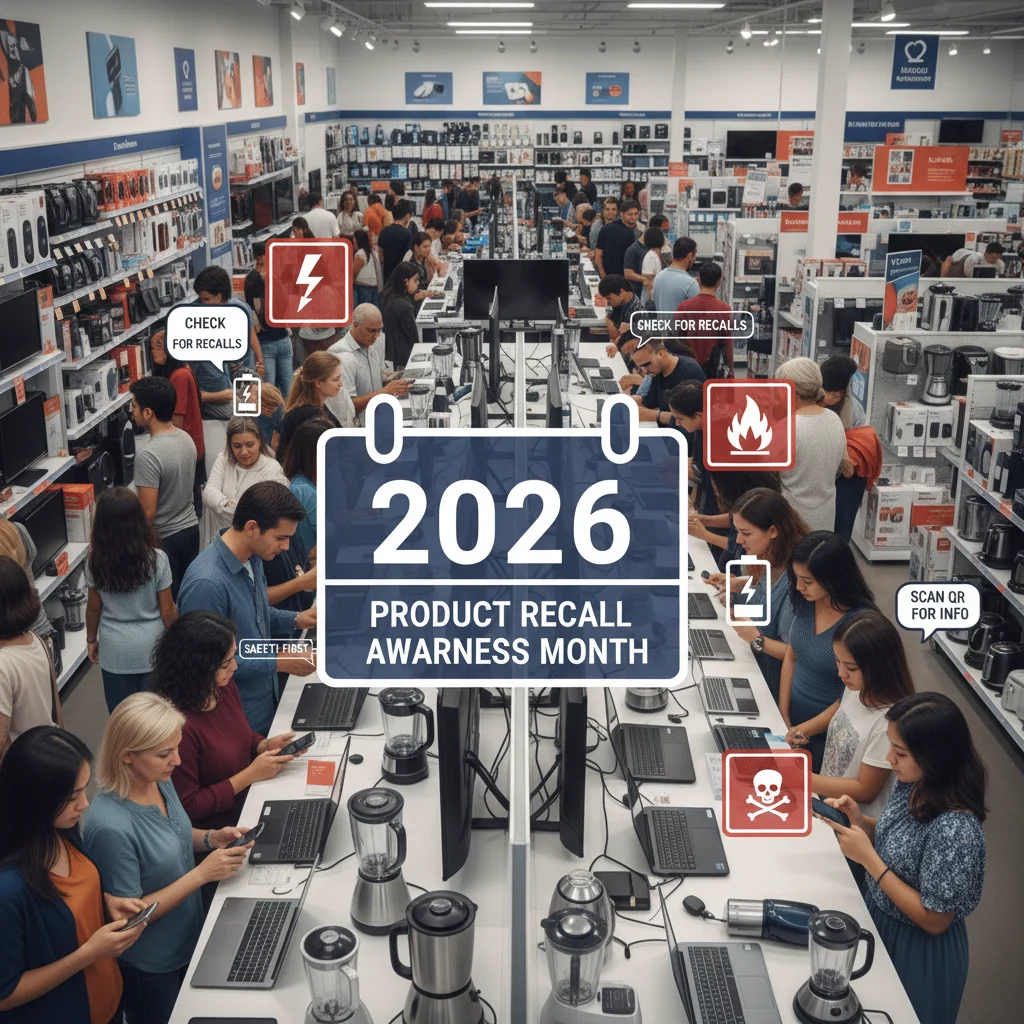
In an increasingly interconnected and rapidly evolving market, the safety of the products we use daily is paramount. From the food we eat to the cars we drive and the toys our children play with, product recalls are an unfortunate but necessary mechanism to protect consumers from potential harm. As we look ahead to 2026, understanding the landscape of product recalls 2026 becomes crucial for every discerning consumer. This comprehensive guide will equip you with the knowledge and tools to stay informed, identify risks, and take appropriate action to safeguard yourself and your loved ones from defective or dangerous products.
The sheer volume and variety of products available today mean that despite rigorous testing and quality control measures, defects can sometimes slip through the cracks. These defects can range from minor inconveniences to serious hazards, leading to injuries, illnesses, or even fatalities. Therefore, being proactive in monitoring product recalls 2026 is not just a recommendation; it’s a vital aspect of modern consumer responsibility.
This article will delve into the various categories of recalls, the regulatory bodies responsible for issuing them, and, most importantly, practical strategies you can employ to remain vigilant. We’ll explore the technological advancements making it easier to track recalls, the legal implications for manufacturers, and the steps consumers should take when they discover they own a recalled product. Our goal is to empower you with the information needed to navigate the complexities of product safety effectively in the coming year.
Understanding the Landscape of Product Recalls in 2026
The year 2026 is expected to continue the trend of increasing vigilance from regulatory bodies and consumer advocacy groups. With advancements in manufacturing processes and supply chain complexities, the potential for unforeseen issues also grows. Therefore, anticipating the types of product recalls 2026 might bring is a key part of preparedness. Historically, recalls have spanned a wide array of product categories, including but not limited to:
- Automotive Recalls: These often involve safety-critical components like airbags, brakes, steering systems, and electrical issues that can pose significant risks on the road.
- Food and Beverage Recalls: Contamination (bacterial, chemical, or foreign object), undeclared allergens, or mislabeling are common reasons for food recalls, which can lead to severe health consequences.
- Consumer Product Recalls: This broad category includes household appliances, electronics, furniture, apparel, and recreational items. Defects might involve fire hazards, choking risks, chemical exposure, or structural failures.
- Pharmaceutical and Medical Device Recalls: Issues with drug potency, sterility, packaging, or device malfunction can have direct and serious impacts on health.
- Children’s Product Recalls: Toys, car seats, strollers, and nursery furniture are frequently recalled due to choking hazards, strangulation risks, lead paint, or structural instability.
The underlying causes of these recalls are diverse. They can stem from design flaws, manufacturing errors, issues with raw materials, inadequate testing, or even post-market surveillance revealing previously unknown risks. In 2026, with greater emphasis on sustainability and new materials, there might be novel challenges that lead to specific types of recalls. Furthermore, the rise of e-commerce and global supply chains means that products can reach consumers from virtually anywhere, making traceability and regulatory oversight more complex.
Staying informed about product recalls 2026 requires an understanding of the agencies responsible for issuing these warnings. In the United States, key agencies include the Consumer Product Safety Commission (CPSC) for most consumer products, the National Highway Traffic Safety Administration (NHTSA) for vehicles and automotive equipment, the Food and Drug Administration (FDA) for food, drugs, cosmetics, and medical devices, and the U.S. Department of Agriculture (USDA) for meat, poultry, and egg products. Similar agencies exist globally, such as the European Commission’s Safety Gate (RAPEX) in Europe, which plays a crucial role in disseminating recall information across member states.
The Digital Age of Recall Notifications: How Technology Helps in 2026
Gone are the days when recall notifications were solely reliant on snail mail or obscure newspaper announcements. The digital age has revolutionized how consumers can stay informed about product recalls 2026. Technology now offers a multitude of channels to receive timely and relevant alerts, making it easier than ever to protect yourself and your family.
Official Government Websites and Databases
The primary source of recall information remains the official government agency websites. For instance, in the U.S., CPSC.gov, NHTSA.gov, and FDA.gov are constantly updated with the latest recall notices. These sites often provide detailed information, including product descriptions, model numbers, hazard descriptions, remedies, and contact information for manufacturers. Many of these sites also offer RSS feeds or email subscription services, allowing you to receive alerts directly.
Mobile Applications and Alerts
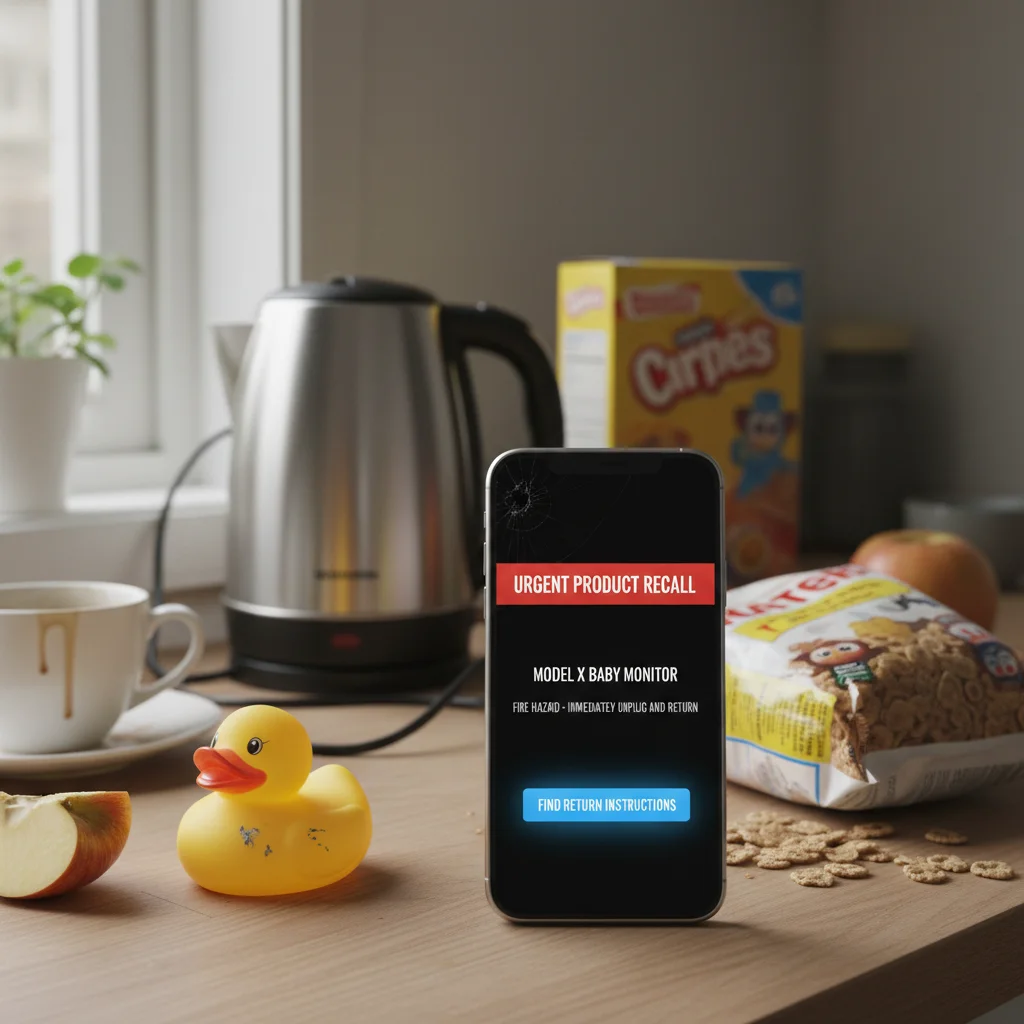
A significant advancement in staying informed about product recalls 2026 is the proliferation of mobile applications. Several apps, both official and third-party, aggregate recall information from various sources and deliver it directly to your smartphone. These apps can often be customized to notify you about specific product categories you own or are interested in, providing a personalized and immediate alert system. Some even allow you to scan barcodes to check if a product has been recalled, offering an on-the-spot verification tool.
Social Media and News Aggregators
Social media platforms have become powerful tools for disseminating recall information rapidly. Official agencies, consumer advocacy groups, and news organizations frequently post recall alerts on platforms like X (formerly Twitter), Facebook, and Instagram. Following these accounts can provide real-time updates. News aggregators and specialized recall alert services also consolidate information from multiple sources, offering a comprehensive overview of current product recalls 2026.
Manufacturer Registrations and Direct Communication
When you purchase a new product, especially electronics or appliances, registering your product with the manufacturer is highly recommended. This allows the manufacturer to contact you directly in the event of a recall. Many companies also maintain dedicated recall pages on their websites and utilize email newsletters to inform registered customers. This direct line of communication is often the fastest way to learn about a recall affecting a specific product you own.
Proactive Steps to Minimize Your Risk from Recalled Products
While staying informed is crucial, taking proactive steps can further minimize your exposure to dangerous products. Being an informed consumer in the era of product recalls 2026 involves more than just reacting to notifications; it requires a strategic approach to purchasing and product management.
Research Before You Buy
Before making a purchase, especially for significant items or products for children, take a few moments to research the product and the manufacturer. Check for any existing recalls for similar products from the same brand. Reading product reviews can also provide insights into potential quality or safety issues that might not yet have led to a recall but could be precursors.
Keep Product Information and Receipts
Retain product packaging, manuals, and receipts whenever possible. These often contain vital information such as model numbers, serial numbers, and manufacturing dates, which are essential for identifying recalled products. In many cases, proof of purchase is required to claim a refund, repair, or replacement. Consider creating a digital archive of this information for easy access.
Register Your Products
As mentioned, registering your products with the manufacturer is one of the most effective ways to receive direct recall notifications. This simple step can save you time and potentially protect you from harm. Many manufacturers have streamlined the registration process, allowing you to do it online within minutes.
Regularly Check Recall Databases
Even with notifications, it’s a good habit to periodically check official recall databases, especially for product categories you frequently purchase or use. Set a reminder to visit relevant government websites or use a dedicated recall app once a month to ensure you haven’t missed any critical alerts regarding product recalls 2026.
Be Wary of Secondhand Purchases and Hand-Me-Downs
While economical, buying secondhand items or accepting hand-me-downs, particularly for children’s products, carries an increased risk. These items may have been manufactured before a recall was issued, and the original owner may not have been aware or taken action. Always check the recall status of any secondhand item before bringing it into your home, especially car seats, cribs, and toys.
What to Do When a Product You Own is Recalled
Discovering that a product you own has been recalled can be unsettling, but knowing the correct steps to take can alleviate stress and ensure your safety. The actions you take are critical for addressing the risk and securing the remedy offered by the manufacturer. This section outlines the essential steps for handling product recalls 2026.
Step 1: Stop Using the Product Immediately
The very first and most crucial step is to cease using the recalled product. Do not assume the risk is minor; recalls are issued because a product poses a potential hazard. Continuing to use it could lead to injury, illness, or further damage.
Step 2: Identify the Specific Product
Carefully read the recall notice to confirm that your specific product is affected. Pay close attention to brand names, model numbers, serial numbers, date codes, and any other identifying characteristics mentioned. These details are vital because often only a specific batch or model run of a product is recalled, not the entire product line.
Step 3: Follow the Manufacturer’s Instructions for Remedy
Recall notices typically outline the specific remedy offered by the manufacturer. This could be a full refund, a repair, or a replacement product. They will also provide clear instructions on how to claim this remedy. This might involve returning the product to the place of purchase, contacting the manufacturer directly for a return kit, or arranging for a service technician to perform a repair.
It’s important to follow these instructions precisely. For instance, if you’re asked to cut a cord and send a photo, do so. If you need to return it, ensure it’s packaged securely. Keep records of all communications with the manufacturer, including dates, names of representatives, and any reference numbers provided.
Step 4: Dispose of the Product Safely (If Instructed)
In some cases, especially for products that pose immediate environmental or health risks, manufacturers might instruct you to dispose of the product in a specific way rather than returning it. Always adhere to these disposal instructions to prevent further harm or environmental contamination. Never simply throw a recalled product into regular trash if specific disposal methods are advised.
Step 5: Report Any Incidents or Injuries
If you or someone you know has experienced an injury or incident related to a recalled product before you were aware of the recall, it is crucial to report it to the relevant regulatory agency (e.g., CPSC, FDA, NHTSA). These reports provide valuable data that can help prevent future incidents and may even contribute to further recalls or stronger regulations for product recalls 2026 and beyond.
The Legal and Economic Impact of Product Recalls
The implications of product recalls 2026 extend far beyond immediate consumer safety. They carry significant legal and economic weight for manufacturers, retailers, and the broader economy. Understanding these impacts provides a fuller picture of why recalls are so critical and why companies strive to avoid them.
Financial Costs for Manufacturers
For manufacturers, a product recall can be an incredibly costly endeavor. These costs include:
- Logistics and Operations: Expenses related to identifying affected products, notifying consumers, arranging for returns, shipping, and storage of recalled items.
- Remedy Implementation: The cost of issuing refunds, manufacturing replacement products, or performing repairs.
- Investigation and Remediation: The expense of investigating the root cause of the defect, redesigning products, and implementing new quality control measures.
- Legal Fees and Settlements: Potential costs arising from lawsuits filed by injured consumers, regulatory fines, and legal defense.
- Lost Sales: Recalled products cannot be sold, leading to direct revenue loss.
Reputational Damage and Brand Erosion
Perhaps even more damaging than the direct financial costs is the blow to a company’s reputation. A recall can erode consumer trust, leading to long-term brand damage and a decline in future sales. Rebuilding trust after a major recall can take years and significant marketing investment. In a competitive market, a company’s handling of product recalls 2026 will be closely scrutinized by consumers and competitors alike.
Regulatory Scrutiny and Fines
Regulatory bodies have the authority to impose substantial fines on companies that fail to report defects promptly, do not cooperate with investigations, or are found to be negligent. These fines can run into millions of dollars, serving as a powerful deterrent against cutting corners on safety. The regulatory landscape for product recalls 2026 is likely to continue its trend of increased enforcement and higher penalties.
Impact on Retailers and Supply Chains
Retailers are also significantly affected by recalls. They must pull products from shelves, manage returns, and often absorb some of the financial burden. The complexity of modern global supply chains means that a recall can have a ripple effect, impacting multiple suppliers and distributors across different countries.
Consumer Rights and Compensation
From a consumer perspective, recalls reinforce the importance of consumer rights. Depending on the jurisdiction and the nature of the recall, consumers are generally entitled to a refund, repair, or replacement. In cases where injuries occur due to a defective product, consumers may have grounds for legal action to seek compensation for medical expenses, lost wages, and pain and suffering. Awareness of these rights is crucial for anyone affected by product recalls 2026.
Forecasting Trends in Product Recalls for 2026
Looking ahead, several trends are likely to shape the landscape of product recalls 2026. Anticipating these shifts can help both consumers and manufacturers better prepare.
Increased Focus on Smart Home Devices and IoT
As smart home devices and the Internet of Things (IoT) become more prevalent, the nature of recalls in this sector may evolve. Beyond traditional hardware defects, recalls could increasingly involve software vulnerabilities, data privacy breaches, or interoperability issues that compromise safety or functionality. Cybersecurity will become an even more critical aspect of product safety.
Sustainability and New Materials
The drive for sustainability is leading to the use of novel materials and manufacturing processes. While beneficial for the environment, these new approaches may introduce unforeseen safety challenges. Rigorous testing of sustainable materials and their long-term durability will be essential to prevent future product recalls 2026 related to environmental initiatives.
Supply Chain Resilience and Transparency
Lessons learned from recent global events have highlighted the fragility of complex supply chains. Manufacturers are likely to invest more in supply chain resilience and transparency, which could lead to better traceability of components and materials. This improved visibility might help identify and isolate defective batches more quickly, potentially reducing the scale and impact of future recalls.
Advanced Analytics and AI in Quality Control
The adoption of advanced analytics and artificial intelligence (AI) in manufacturing and quality control processes is expected to grow. AI-powered systems can analyze vast amounts of data to detect anomalies and predict potential defects before products even reach consumers. This proactive approach could significantly reduce the incidence of product recalls 2026 by catching issues earlier in the production cycle.
Personalized Products and Customization
The trend towards personalized and customized products, while offering unique consumer experiences, can also complicate quality control. Ensuring the safety and consistency of individually tailored items presents a different set of challenges compared to mass-produced goods. Manufacturers will need robust systems to manage the quality of bespoke products.
Enhanced Consumer Reporting Mechanisms
Regulatory agencies are continually improving their consumer reporting mechanisms, making it easier for individuals to report potential product defects or incidents. This increased ease of reporting means that issues might be identified and acted upon more quickly, potentially leading to faster and more targeted product recalls 2026.
Conclusion: Your Role in Product Safety for 2026
As we move into 2026, the responsibility for product safety is a shared one. While manufacturers have the primary duty to produce safe goods and regulatory bodies work to enforce safety standards, consumers play an indispensable role. By staying informed about product recalls 2026, being proactive in your purchasing decisions, and knowing what to do if you encounter a recalled product, you contribute significantly to a safer marketplace for everyone.
The tools and resources available today make it easier than ever to monitor recall information. Utilize government websites, mobile apps, and direct manufacturer communications. Remember that your vigilance not only protects you and your family but also empowers regulatory agencies to act and encourages manufacturers to prioritize safety above all else. Make product safety a priority in 2026, and be an informed, empowered consumer.