Crafting a Flexible Budget for US Households in 2026: Adapting to Economic Shifts and Building a 6-Month Emergency Fund

Crafting a Flexible Budget for US Households in 2026: Adapting to Economic Shifts and Building a 6-Month Emergency Fund
In an ever-evolving economic landscape, the ability to adapt is not just a virtue but a necessity, especially when it comes to personal finance. As we look ahead to 2026, US households face a unique set of challenges and opportunities. From inflation fluctuations and interest rate changes to potential job market shifts, economic uncertainties demand a proactive and agile approach to managing money. This comprehensive guide will walk you through the essential steps to create a Flexible Budget 2026, empowering you to navigate these shifts, build a robust 6-month emergency fund, and ultimately achieve greater financial stability and peace of mind.
The concept of a static budget, once a cornerstone of financial planning, is rapidly becoming obsolete. The modern financial world requires a dynamic framework that can bend without breaking, allowing you to respond effectively to unforeseen circumstances. A flexible budget isn’t just about tracking income and expenses; it’s about understanding your financial flow, identifying areas of adaptability, and strategically allocating resources to meet both immediate needs and long-term goals. For US households, this means not only surviving economic turbulence but thriving despite it.
Building a 6-month emergency fund is a critical component of this financial resilience. Life is unpredictable, and having a safety net that can cover several months of living expenses provides an invaluable buffer against job loss, medical emergencies, or unexpected home repairs. This article will delve into practical strategies for achieving this vital goal, even when economic conditions seem challenging. We’ll explore how to identify your essential expenses, cut unnecessary costs, and implement smart savings techniques to bolster your financial reserves.
By the end of this guide, you will have a clear roadmap for developing a Flexible Budget 2026 that is tailored to your household’s specific needs, resilient against economic shifts, and focused on securing a stable financial future. Let’s embark on this journey to financial empowerment together.
Understanding the Economic Landscape for US Households in 2026
Before we dive into the mechanics of creating a flexible budget, it’s crucial to understand the potential economic environment US households might encounter in 2026. While predicting the future with absolute certainty is impossible, we can analyze current trends and expert forecasts to anticipate potential challenges and opportunities.
Inflationary Pressures and Cost of Living
Inflation has been a significant concern in recent years, impacting the purchasing power of consumers. While it may moderate, it’s unlikely to disappear entirely. This means the cost of everyday goods and services, from groceries and gasoline to housing and healthcare, could continue to rise. A Flexible Budget 2026 must account for these potential increases, allowing you to adjust spending categories as needed without derailing your entire financial plan.
Interest Rate Volatility
Interest rates play a pivotal role in borrowing costs for mortgages, car loans, and credit cards, as well as returns on savings accounts. Central banks may continue to adjust rates in response to economic data. For households, this could mean higher monthly payments on variable-rate debt or better opportunities for savers. Your flexible budget should incorporate scenarios for both rising and falling interest rates, enabling you to make informed decisions about debt management and savings strategies.
Job Market Dynamics
The job market is constantly evolving, influenced by technological advancements, global economic conditions, and shifts in consumer demand. While some sectors may experience robust growth, others might face contraction or restructuring. Job security, income stability, and potential for career changes are all factors that can impact a household’s financial outlook. A flexible budget provides the agility to adapt if there’s a change in income, whether it’s a promotion, a temporary layoff, or a career transition.
Geopolitical and Global Economic Influences
The US economy is interconnected with global events. Geopolitical tensions, international trade policies, and global supply chain disruptions can all ripple through the domestic economy, affecting everything from energy prices to the availability of goods. While these factors are largely beyond individual control, a well-structured flexible budget can help mitigate their impact by ensuring you have adequate savings and diversified financial strategies.
Technological Advancements and Their Impact
Rapid technological advancements, particularly in areas like artificial intelligence and automation, are reshaping industries and consumer behavior. This can lead to new opportunities for income generation (e.g., gig economy) but also require new skill sets and adaptability. Your Flexible Budget 2026 should consider how technology might influence your spending habits (e.g., subscriptions, smart home devices) and potential income streams.
Understanding these potential economic currents is the first step in building a resilient financial plan. By anticipating these shifts, US households can proactively design a budget that is not only robust but also adaptable, ensuring financial security no matter what 2026 brings.
The Core Principles of a Flexible Budget
A flexible budget isn’t just a spreadsheet; it’s a philosophy of financial management that prioritizes adaptability and foresight. Here are the core principles that underpin a successful Flexible Budget 2026 for US households:
1. Prioritize Needs Over Wants
This is the bedrock of any sound financial plan, but it becomes even more critical in a flexible budget. Differentiating between essential expenses (housing, food, utilities, transportation to work, healthcare) and discretionary spending (entertainment, dining out, non-essential subscriptions) allows you to identify areas where you can cut back quickly if income decreases or expenses unexpectedly rise. Regularly reviewing and re-evaluating these categories is key.
2. Embrace Variable Spending Categories
Unlike rigid budgets that assign fixed amounts to every category, a flexible budget acknowledges that some expenses naturally fluctuate. Instead of fighting this reality, embrace it. For example, your grocery bill might vary week to week, or utility costs might change seasonally. The goal is to set realistic ranges for these variable expenses rather than strict limits, giving you breathing room to adjust.
3. Build in a Buffer for the Unexpected
Beyond your dedicated emergency fund, a flexible budget includes smaller buffers within monthly spending categories. This could be a small percentage extra allocated to ‘miscellaneous’ or ‘household repairs’ to absorb minor, unexpected costs without dipping into your main savings or going over budget in other areas. This proactive approach prevents small financial surprises from becoming larger problems.
4. Regular Review and Adjustment
A flexible budget is not a set-it-and-forget-it tool. It requires regular, active engagement. At least once a month, you should review your actual income and expenses against your budgeted plan. Identify where you overspent or underspent, and understand why. Then, adjust your budget for the upcoming month based on these insights and any anticipated changes in your financial situation or the economic environment. This iterative process is what makes the budget truly flexible.
5. Focus on Cash Flow, Not Just Balances
Understanding your cash flow – the money coming in and going out – is more important than just looking at your bank account balance. A flexible budget helps you visualize this flow, allowing you to see when you have surplus cash and when you might be tight. This insight is crucial for planning larger purchases, making extra debt payments, or boosting your emergency fund.
6. Automate Savings and Debt Payments
Even with flexibility, certain financial goals should remain consistent. Automating transfers to your savings accounts (especially your emergency fund) and setting up automatic debt payments ensures you’re consistently working towards these objectives, even when other parts of your budget are shifting. Automation removes the need for constant decision-making and reduces the risk of forgetting.
7. Plan for Future Goals
While adapting to economic shifts is crucial, a flexible budget also keeps your long-term goals in sight. Whether it’s saving for a down payment, retirement, or your children’s education, allocate a portion of your budget to these goals. When economic conditions improve, you can potentially increase these allocations; when they tighten, you might temporarily reduce them, but the commitment to these goals remains.
By internalizing these principles, US households can transform their financial planning from a rigid, stressful exercise into an empowering, dynamic process that builds true financial resilience for 2026 and beyond.
Step-by-Step Guide to Creating Your Flexible Budget 2026
Now that we understand the economic context and the principles of flexibility, let’s get down to the practical steps of building your Flexible Budget 2026. This process is iterative, meaning you’ll refine it over time.
Step 1: Calculate Your Average Monthly Income
Start by getting a clear picture of all income sources for your household. This includes salaries, freelance income, rental income, benefits, and any other regular inflows. If your income is variable, calculate an average over the last 3-6 months. For a flexible budget, it’s often wise to base your budget on your lowest expected income to ensure you can always meet your obligations. Any income above this baseline can be treated as extra for savings or discretionary spending.
Step 2: Track and Categorize Your Expenses
This is perhaps the most crucial step. For at least 1-2 months, meticulously track every dollar you spend. Use a budgeting app, a spreadsheet, or even a notebook. Categorize these expenses into:
- Fixed Expenses: These are usually the same amount every month (e.g., rent/mortgage, loan payments, insurance premiums, subscriptions).
- Variable Expenses: These fluctuate month-to-month (e.g., groceries, utilities, transportation, dining out, entertainment).
- Occasional Expenses: These don’t occur monthly but are predictable (e.g., annual memberships, car maintenance, holiday gifts). Factor these into your monthly budget by dividing the annual cost by 12 and setting aside that amount each month.
Step 3: Distinguish Between Needs and Wants
Go through your categorized expenses and brutally honest with yourself: Is this a ‘need’ or a ‘want’? Needs are essential for survival and maintaining your current lifestyle (housing, basic food, utilities, transportation for work, essential healthcare). Wants are discretionary (dining out, entertainment, designer clothes, premium streaming services). This distinction will be critical when making adjustments.
Step 4: Set Realistic Spending Ranges for Variable Expenses
Instead of rigid limits, establish upper and lower bounds for your variable expenses. For example, instead of budgeting exactly $500 for groceries, budget $450-$550. This acknowledges natural fluctuations and gives you flexibility. If you spend less in one category, you can roll that extra money into another category, savings, or debt repayment.
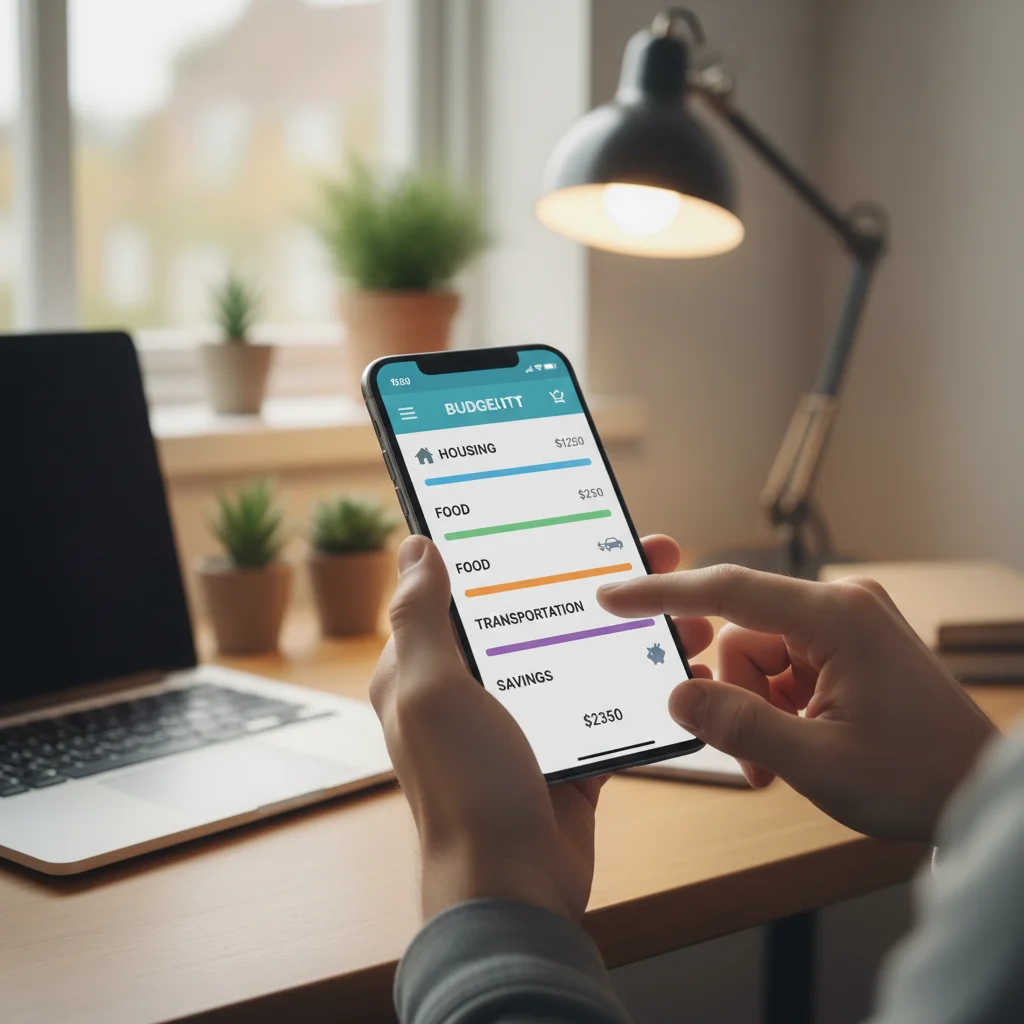
Step 5: Prioritize Savings, Especially the Emergency Fund
Make saving for your 6-month emergency fund a non-negotiable line item in your budget. Treat it like a bill. Determine how much you can realistically contribute each month and automate the transfer. If you’re starting from scratch, even small, consistent contributions will add up. Remember, the goal is to cover 6 months of essential living expenses (your ‘needs’).
Step 6: Allocate Funds for Future Goals and Debt Repayment
Beyond the emergency fund, allocate funds for other financial goals (retirement, down payment, education) and any debt repayment beyond minimums. Even a small, consistent payment towards high-interest debt can make a significant difference over time. Your Flexible Budget 2026 should balance immediate needs with long-term aspirations.
Step 7: Implement a ‘Flex Fund’ or Buffer Category
Create a small, unassigned ‘flex fund’ within your monthly budget, perhaps 5-10% of your discretionary spending. This fund acts as a small buffer for minor unexpected expenses or allows you to splurge occasionally without derailing your entire budget. It’s a small element of fun and freedom within your structured plan.
Step 8: Choose Your Budgeting Tool
Whether it’s a spreadsheet (Google Sheets, Excel), a dedicated budgeting app (You Need A Budget, Mint, Personal Capital), or a pen and paper, choose a tool that works for you and that you’ll consistently use. The best budgeting tool is the one you actually stick with.
Step 9: Review and Adjust Regularly
This is where the ‘flexible’ part truly comes into play. Schedule a weekly or bi-weekly check-in to review your spending against your budget. A more comprehensive review should happen monthly. Ask yourself:
- Did I stay within my ranges?
- Where did I overspend, and why?
- Where did I underspend?
- Are there any upcoming expenses or income changes I need to account for?
- Are my savings goals on track?
Based on these insights, adjust your budget for the next period. This might mean temporarily reducing discretionary spending, finding ways to boost income, or reallocating funds between categories. This continuous feedback loop ensures your Flexible Budget 2026 remains relevant and effective.
By following these steps, US households can construct a robust and adaptable financial framework that prepares them for whatever economic shifts 2026 may bring.
Building Your 6-Month Emergency Fund in 2026
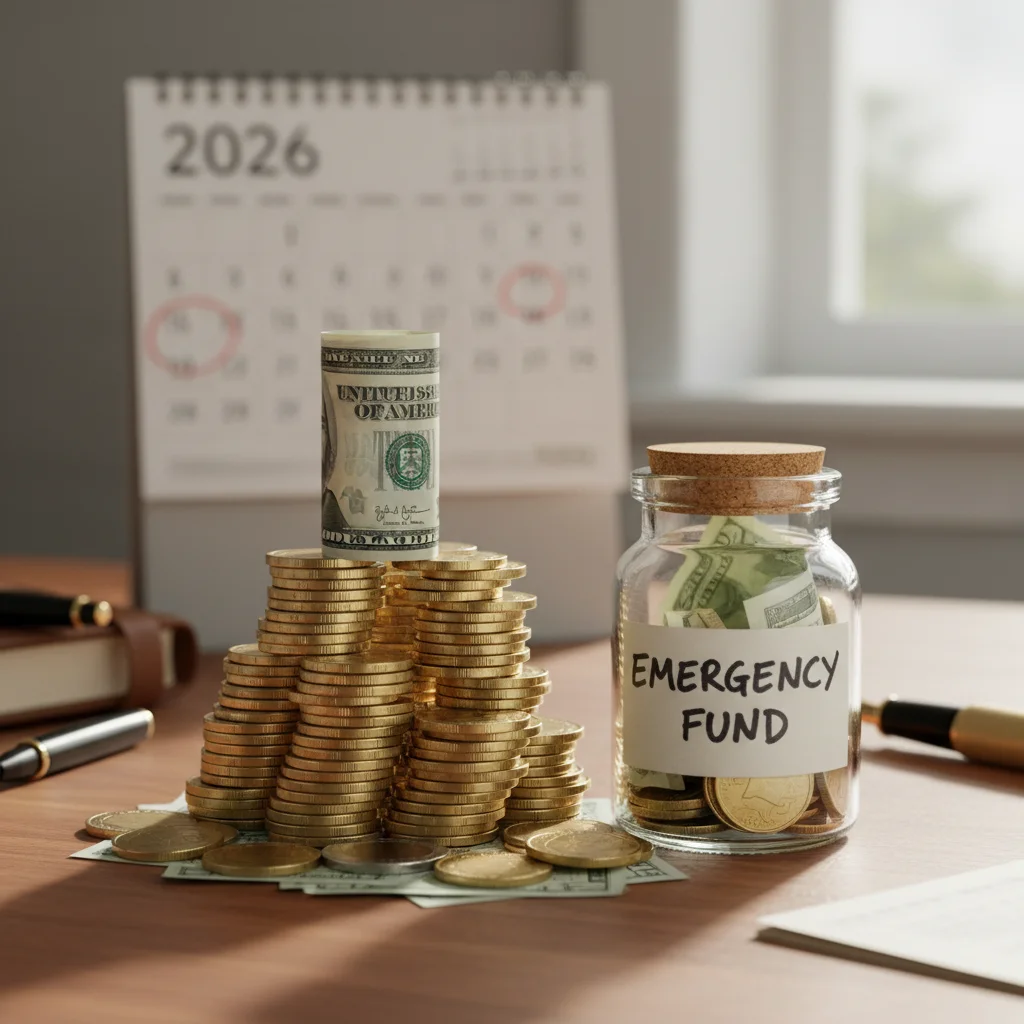
A 6-month emergency fund is not just a financial goal; it’s a fundamental pillar of financial resilience. It provides a crucial safety net, allowing US households to weather unexpected financial storms without resorting to high-interest debt or compromising long-term goals. Here’s how to build and maintain this vital fund as part of your Flexible Budget 2026.
1. Define Your Emergency Fund Goal
First, calculate exactly how much you need. This involves adding up all your essential monthly expenses (needs, not wants) and multiplying that by six. Essential expenses include:
- Housing (rent/mortgage)
- Utilities (electricity, water, gas, internet)
- Groceries (basic food)
- Transportation (gas, public transport, basic car maintenance)
- Insurance (health, auto, home)
- Minimum debt payments (if applicable, though ideally you’d cover more)
- Essential medical costs
Once you have this number, you have your target. Let’s say your essential expenses total $3,000 per month; your emergency fund goal is $18,000.
2. Make It a Non-Negotiable Budget Item
Just like your rent or mortgage, your emergency fund contribution should be a fixed line item in your Flexible Budget 2026. Determine how much you can realistically contribute each month and prioritize it. Even if it’s a small amount to start, consistency is key.
3. Automate Your Savings
The easiest way to build your emergency fund is to automate contributions. Set up an automatic transfer from your checking account to a dedicated savings account each payday. This ‘pay yourself first’ strategy ensures that money goes into savings before you have a chance to spend it.
4. Cut Unnecessary Expenses (Even Temporarily)
To accelerate your emergency fund growth, look for areas in your budget where you can temporarily cut back on ‘wants.’ This might mean:
- Reducing dining out or ordering takeout.
- Pausing non-essential subscriptions.
- Finding cheaper alternatives for entertainment.
- Delaying non-essential purchases.
Every dollar saved from discretionary spending can be redirected to your emergency fund.
5. Boost Your Income
Consider ways to temporarily increase your income. This could involve:
- Taking on extra shifts at work.
- Freelancing or starting a side gig.
- Selling unused items around your home.
- Leveraging skills for small tasks (e.g., dog walking, tutoring).
Direct all extra income straight into your emergency fund until you reach your goal.
6. Keep Your Emergency Fund Separate and Accessible
Your emergency fund should be held in a separate, easily accessible savings account, ideally one that earns a decent interest rate (a high-yield savings account). It should not be in your checking account, where it’s easy to accidentally spend, nor should it be tied up in investments that could lose value or are difficult to liquidate quickly.
7. Resist the Urge to Dip In
The emergency fund is for true emergencies only: job loss, major medical issue, unexpected home repair. It’s not for a spontaneous vacation, a new gadget, or covering overspending in other budget categories. Discipline is paramount once the fund is established.
8. Replenish After Use
If you do have to use your emergency fund, make it a top priority to replenish it as quickly as possible. Adjust your Flexible Budget 2026 to allocate extra funds towards rebuilding your safety net.
By diligently following these steps, US households can build a robust 6-month emergency fund, providing a critical layer of financial security that allows your flexible budget to truly adapt to any economic challenge that 2026 might present.
Adapting Your Flexible Budget to Economic Shifts in 2026
The true power of a Flexible Budget 2026 lies in its ability to adapt. Here’s how US households can make strategic adjustments in response to various economic changes:
Scenario 1: Rising Inflation and Cost of Living
- Action: Re-evaluate your ‘needs’ categories. Can you find cheaper alternatives for groceries (store brands, bulk buying, meal planning)? Can you reduce utility consumption (energy-efficient habits)?
- Adjustment: Increase the budgeted range for essential variable expenses. Reduce spending in discretionary ‘wants’ categories to offset the increased cost of needs.
- Long-term Strategy: Look for opportunities to increase income or diversify income streams to maintain purchasing power.
Scenario 2: Job Loss or Significant Income Reduction
- Action: Immediately activate your emergency fund. This is precisely what it’s for.
- Adjustment: Drastically cut all ‘wants’ and focus solely on essential ‘needs.’ Prioritize debt payments with the highest interest rates if you can, but ensure basic living costs are covered first.
- Long-term Strategy: Actively seek new employment or explore temporary income-generating opportunities. Review your skills and consider retraining if necessary.
Scenario 3: Unexpected Major Expense (e.g., Medical Emergency, Car Repair)
- Action: Utilize your emergency fund. If the expense is smaller than your emergency fund, use a portion of it.
- Adjustment: Prioritize replenishing the emergency fund. Temporarily reduce discretionary spending or seek temporary income boosts until the fund is back to its target level.
- Long-term Strategy: Consider increasing insurance coverage or maintaining a separate sinking fund for specific large, but predictable, expenses (e.g., car replacement fund).
Scenario 4: Interest Rate Hikes (Affecting Debt or Savings)
- Action: Review all variable-rate debt (credit cards, adjustable-rate mortgages).
- Adjustment: If debt payments increase, reallocate funds from discretionary spending or other savings goals (after the emergency fund is secure) to cover the higher payments. If savings rates increase, consider moving emergency funds or surplus cash to higher-yield accounts.
- Long-term Strategy: Prioritize paying down high-interest, variable-rate debt. Consider refinancing fixed-rate loans if rates are favorable.
Scenario 5: Economic Boom and Increased Income
- Action: Resist lifestyle creep! Don’t immediately increase discretionary spending.
- Adjustment: Increase contributions to your emergency fund (if not fully funded), accelerate debt repayment, and boost investments for long-term goals (retirement, education).
- Long-term Strategy: Diversify investments, consider purchasing assets, and continue to live below your means to build substantial wealth.
Key Takeaways for Adaptation:
- Proactivity: Don’t wait for a crisis; review your budget regularly and anticipate potential changes.
- Communication: If you’re part of a household, ensure all members are aware of the budget and any necessary adjustments.
- Discipline: Sticking to your revised budget, especially during challenging times, is crucial.
By understanding these scenarios and having a clear plan of action, US households can leverage their Flexible Budget 2026 as a powerful tool to maintain financial stability and progress, regardless of the economic winds.
Advanced Strategies for Financial Resilience in 2026
Beyond the basics of budgeting and saving, several advanced strategies can further enhance the financial resilience of US households in 2026. Integrating these into your Flexible Budget 2026 framework will provide an even stronger buffer against economic uncertainties.
1. Diversify Income Streams
Relying on a single source of income can be risky. Explore ways to create additional income streams:
- Side Gigs: Leverage skills for freelance work, consulting, or gig economy opportunities.
- Passive Income: Consider investments that generate income (dividends, rental property, high-yield savings accounts) or creating digital products.
- Skill Development: Invest in learning new skills that are in demand, making you more marketable and potentially increasing your earning potential.
Even a small, secondary income stream can provide crucial flexibility and security if your primary income is disrupted.
2. Optimize Debt Management
High-interest debt is a significant drain on financial resources and reduces your flexibility. Strategically manage your debt:
- Prioritize High-Interest Debt: Focus extra payments on credit cards or personal loans with the highest interest rates first (the ‘debt avalanche’ method).
- Refinance: Explore refinancing options for mortgages, student loans, or car loans if interest rates are favorable, potentially lowering your monthly payments or total interest paid.
- Avoid New Debt: During uncertain economic times, be extremely cautious about taking on new debt, especially for depreciating assets.
3. Strategic Investment Planning
While your emergency fund should be in a liquid, low-risk account, your long-term investments require a different approach:
- Diversification: Spread your investments across different asset classes (stocks, bonds, real estate, commodities) and geographies to mitigate risk.
- Long-Term Perspective: Don’t panic during market downturns. Focus on your long-term goals and avoid making rash decisions based on short-term fluctuations.
- Automate Investments: Set up regular, automated contributions to your retirement accounts (401k, IRA) or brokerage accounts.
Align your investment strategy with your Flexible Budget 2026 by allocating a consistent amount, adjusting only if absolutely necessary.
4. Review and Optimize Insurance Coverage
Insurance acts as a financial safety net, protecting you from catastrophic losses. Regularly review your policies:
- Health Insurance: Ensure adequate coverage for your family’s needs.
- Auto and Home Insurance: Shop around for competitive rates and ensure your coverage limits are appropriate.
- Life and Disability Insurance: Consider these, especially if you have dependents, to protect against loss of income due to illness, injury, or death.
Adequate insurance prevents a single event from depleting your emergency fund or derailing your entire financial plan.
5. Estate Planning Fundamentals
While often overlooked, basic estate planning is a crucial aspect of financial resilience, ensuring your wishes are honored and your loved ones are protected:
- Will: Have a basic will in place, especially if you have children or significant assets.
- Beneficiaries: Ensure beneficiaries are up-to-date on all financial accounts (retirement, insurance).
- Power of Attorney: Designate someone to make financial and medical decisions on your behalf if you become incapacitated.
6. Continuous Financial Education
The financial world is constantly changing. Stay informed about economic trends, new financial products, and effective money management strategies. Read reputable financial news, listen to podcasts, and consider taking online courses. The more you know, the better equipped you’ll be to make informed decisions for your Flexible Budget 2026.
By incorporating these advanced strategies, US households can move beyond basic budgeting to create a truly robust and resilient financial framework that is capable of weathering any economic storm and achieving long-term prosperity in 2026 and beyond.
Common Pitfalls to Avoid with Your Flexible Budget
While a Flexible Budget 2026 offers immense benefits, there are common pitfalls that US households should be aware of and actively avoid to ensure its success.
1. Over-Optimistic Income Projections
Pitfall: Assuming your income will always be at its peak, or overestimating potential side hustle earnings. This can lead to overspending and a budget that’s impossible to stick to when income inevitably fluctuates.
Solution: Budget based on your lowest realistic income. Any extra income can then be a bonus for savings or discretionary spending, not a core part of your essential budget.
2. Underestimating Expenses
Pitfall: Forgetting about occasional expenses (annual subscriptions, car registration, holiday gifts) or consistently underestimating variable costs like groceries or utilities. This creates constant budget shortfalls.
Solution: Track expenses meticulously for several months to get an accurate average. Create sinking funds for occasional expenses by setting aside a small amount each month. Be realistic about your spending habits, even the small ones.
3. Lack of Regular Review
Pitfall: Creating a flexible budget but then rarely checking in on it. Without regular review, the budget loses its flexibility and effectiveness, becoming irrelevant to your actual spending.
Solution: Schedule dedicated time each week or month to review your spending and adjust your budget. Treat it as a non-negotiable financial check-up.
4. Confusing Flexibility with Lack of Discipline
Pitfall: Using ‘flexibility’ as an excuse for uncontrolled spending. A flexible budget still requires discipline and adherence to your established ranges and goals.
Solution: Understand that flexibility means adapting to *unforeseen* changes or *planned* shifts, not giving yourself free rein. Stick to your budget ranges and only adjust when there’s a genuine reason.
5. Neglecting the Emergency Fund
Pitfall: Prioritizing discretionary spending or other goals over consistently building and maintaining your 6-month emergency fund. This leaves you vulnerable to unexpected events.
Solution: Make your emergency fund a top priority. Automate contributions and treat it as a critical bill that must be paid first. It’s the foundation of your financial security.
6. Ignoring Small Leaks (Lifestyle Creep)
Pitfall: Gradually increasing discretionary spending as income rises, without explicitly budgeting for it. These small, unnoticed increases can erode your savings and flexibility over time.
Solution: Be vigilant about lifestyle creep. When income increases, intentionally allocate the extra funds to savings, debt repayment, or investments before increasing discretionary spending. Regularly question if new expenses are truly necessary.
7. Over-Complicating the Budget
Pitfall: Creating an overly complex budget with too many categories or intricate rules that are difficult to follow, leading to frustration and abandonment.
Solution: Start simple. Use broad categories and gradually refine as you become more comfortable. The best budget is one you can easily understand and stick to.
8. Lack of Communication in Households
Pitfall: In a multi-person household, one person manages the budget without input or agreement from others, leading to conflict or non-compliance.
Solution: Involve all relevant household members in the budgeting process. Discuss goals, spending habits, and adjustments openly. Shared understanding leads to shared responsibility and better outcomes for your Flexible Budget 2026.
By being mindful of these common pitfalls, US households can maximize the effectiveness of their flexible budget, ensuring it remains a powerful tool for financial stability and growth in 2026 and beyond.
Conclusion: Securing Your Financial Future with a Flexible Budget 2026
As we’ve explored throughout this guide, the economic landscape of 2026 presents both challenges and opportunities for US households. The key to navigating this environment successfully lies not in rigid adherence to outdated financial models, but in embracing the dynamic and adaptable approach of a Flexible Budget 2026. This proactive strategy empowers you to respond effectively to inflation, interest rate shifts, job market changes, and unexpected life events, transforming potential crises into manageable adjustments.
The cornerstone of this financial resilience is a robust 6-month emergency fund. By meticulously calculating your essential expenses, prioritizing savings, and automating contributions, you build an invaluable safety net that provides peace of mind and prevents minor setbacks from becoming major financial disasters. This fund, combined with a flexible spending framework, ensures that your household can maintain stability even when external circumstances are volatile.
Remember that creating a flexible budget is not a one-time event but an ongoing process. It demands regular review, honest assessment of spending habits, and a willingness to adjust. By continuously monitoring your income and expenses, distinguishing between needs and wants, and strategically allocating resources, you can ensure your financial plan remains relevant and effective.
Furthermore, incorporating advanced strategies such as diversifying income streams, optimizing debt, smart investing, and comprehensive insurance and estate planning will elevate your financial preparedness to an even higher level. These layers of protection and growth opportunities solidify your household’s position for long-term prosperity.
In 2026, financial success for US households will be defined by agility, foresight, and discipline. By committing to the principles and practices outlined in this guide, you are not just creating a budget; you are building a foundation of financial resilience that will serve you well for years to come. Take control of your financial destiny, adapt with confidence, and secure a brighter, more stable future for your household.