Avoid Debt Collection Scams: 2026 US Red Flags & Prevention

Avoiding Debt Collection Scams: Identifying Red Flags in Current US Practices for 2026
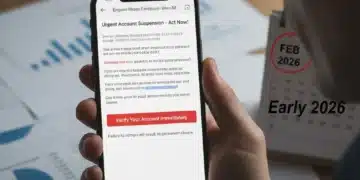
In an increasingly digital and interconnected world, the landscape of financial fraud is constantly evolving. Among the most insidious threats facing consumers are debt collection scams. These schemes, often sophisticated and designed to exploit fear and lack of information, can lead to significant financial loss and emotional distress. As we look towards 2026, it’s more crucial than ever for Americans to be equipped with the knowledge and tools to identify and prevent these fraudulent activities. This comprehensive guide will delve into the red flags, current tactics, and essential prevention strategies to safeguard yourself against Debt Collection Scams.
The Federal Trade Commission (FTC) and the Consumer Financial Protection Bureau (CFPB) consistently report on the rising tide of consumer complaints related to debt collection practices, including a significant portion attributed to fraudulent activities. Scammers are adept at adapting their methods, leveraging new technologies and information to appear legitimate. Understanding their playbook is the first step in protecting yourself.
The Evolving Landscape of Debt Collection Scams in 2026
The year 2026 brings with it new challenges and refinements in how scammers operate. Here’s what consumers need to be aware of:
Sophisticated Spoofing and AI-Generated Voices
Caller ID spoofing is not new, but in 2026, scammers are employing more advanced techniques. They can make calls appear to originate from legitimate government agencies, local law enforcement, or well-known financial institutions. Furthermore, the use of AI-generated voices has become more prevalent, making it harder to distinguish between a real person and a sophisticated bot. These AI voices can mimic human intonation and even emotional responses, making their threats or demands seem more authentic.
Data Breaches and Targeted Scams
With frequent data breaches, scammers often have access to a wealth of personal information, including names, addresses, and even partial Social Security numbers. This allows them to craft highly personalized and convincing narratives. They might reference specific details about your life, making their claims of outstanding debt seem more plausible. This level of detail is a significant red flag, as legitimate debt collectors typically wouldn’t have such granular personal information unless it’s directly related to the debt itself.
Exploiting Digital Payment Methods
Fraudsters are increasingly pushing for immediate payment through non-traceable methods. While wire transfers and gift cards have been common, expect to see more demands for payment via cryptocurrency, peer-to-peer payment apps (like Zelle or Cash App), or even obscure online payment portals. These methods are chosen because they are difficult to reverse and harder to trace, making recovery of funds nearly impossible.
Phantom Debt and Zombie Debt
Phantom debt refers to debt that never existed, while zombie debt is legitimate debt that is too old to be legally collected or has already been paid. Scammers capitalize on consumers’ fear and uncertainty, demanding payment for these non-existent or uncollectible debts. They often rely on the hope that consumers will pay up without verifying the debt’s legitimacy, especially if the amount is relatively small.
Key Red Flags: How to Spot a Debt Collection Scam
Knowing the tell-tale signs is your best defense. If you encounter any of these red flags, proceed with extreme caution:
Demands for Immediate Payment Under Threat
Legitimate debt collectors will not demand immediate payment under threat of arrest, legal action, or deportation. Scammers often use aggressive tactics, threatening to send law enforcement to your home or have your wages garnished without a court order. These are scare tactics designed to panic you into paying without thinking.
Refusal to Provide Written Validation of Debt
Under the Fair Debt Collection Practices Act (FDCPA), you have the right to request written validation of a debt. A legitimate collector must provide this information, including the original creditor, the amount owed, and your rights. If a caller refuses or makes excuses, it’s a major red flag for a Debt Collection Scam.
Requests for Personal Financial Information
Be wary of callers asking for sensitive information like your bank account number, full Social Security number, or credit card details over the phone, especially if they initiated the call and you haven’t verified their identity. While legitimate collectors may eventually need this information for payment, they will typically do so after proper validation and through secure channels.
Demanding Payment via Unusual Methods
As mentioned, requests for payment via wire transfers, gift cards, cryptocurrency, or peer-to-peer apps are almost always indicators of a scam. Legitimate collectors use established, traceable payment methods like checks, money orders, or direct payments to the original creditor.
Pressuring You to Act Quickly
Scammers thrive on urgency. They will pressure you to make a decision immediately, often stating that the offer is time-sensitive or that legal action will be taken if you don’t pay within minutes. This prevents you from doing your due diligence and verifying their claims.
Calling About a Debt You Don’t Recognize
If a collector contacts you about a debt you’ve never heard of, or one you know you’ve already paid, it’s a strong indicator of a potential scam. Always verify the debt’s authenticity.
Your Rights Under the FDCPA: A Shield Against Scams
The Fair Debt Collection Practices Act (FDCPA) is a federal law that protects consumers from abusive, unfair, or deceptive debt collection practices. Understanding your rights is paramount in defending against Debt Collection Scams.
- Right to Debt Validation: Within five days of initial contact, a debt collector must send you a written notice stating the amount of the debt, the name of the creditor, and your right to dispute the debt within 30 days.
- Right to Dispute the Debt: If you dispute the debt in writing within 30 days of receiving the validation notice, the collector must stop collection efforts until they provide verification of the debt.
- Protection Against Harassment: Collectors cannot harass, oppress, or abuse you or any third parties they contact. This includes using threats of violence, publishing lists of debtors, or repeatedly calling to annoy.
- Restrictions on Communication: Collectors cannot call you at unusual or inconvenient times (generally before 8 a.m. or after 9 p.m. in your time zone) or places. They also cannot contact you at work if they know your employer prohibits such calls.
- Prohibition of False Statements: Collectors cannot lie, misrepresent the amount you owe, or falsely claim to be attorneys or government representatives.
If a debt collector violates any of these rights, they are breaking the law, and you can report them to the appropriate authorities.

Proactive Prevention Strategies Against Debt Collection Scams
Prevention is always better than cure. Here are actionable steps you can take to protect yourself:
1. Verify Every Debt
Never assume a debt is legitimate just because someone calls you about it. Always request written validation of the debt. If they refuse or pressure you, it’s likely a scam. You can also check your credit report for any unfamiliar debts.
2. Know Who You’re Dealing With
If you suspect a call is legitimate, do not give out information. Instead, ask for the collector’s name, the company name, address, and phone number. Then, hang up and independently verify this information. Look up the company online, check reviews, and contact the original creditor directly if you know who it is. Be wary of generic company names or companies that are difficult to find online.
3. Monitor Your Credit Report Regularly
Your credit report lists all your outstanding debts. Regularly checking your credit report (you are entitled to a free report from each of the three major bureaus annually at AnnualCreditReport.com) can help you identify legitimate debts and spot any fraudulent accounts opened in your name.
4. Be Skeptical of Threats and Urgency
As discussed, threats of immediate arrest or legal action without proper notice are hallmarks of a scam. Legitimate legal processes take time and involve formal written communication. Do not let fear override your judgment.
5. Protect Your Personal Information
Be extremely cautious about sharing your Social Security number, bank account details, or credit card numbers with unsolicited callers. Only provide this information when you have initiated the contact and are certain of the recipient’s legitimacy.
6. Set Up Strong Digital Security
Use strong, unique passwords for all your online accounts, especially financial ones. Enable two-factor authentication wherever possible. Be careful about clicking on suspicious links in emails or text messages, as these can lead to phishing attempts designed to steal your information, which can then be used to facilitate Debt Collection Scams.
What to Do if You Suspect a Debt Collection Scam
If you believe you’ve been targeted by a debt collection scam, take these immediate steps:
1. Do Not Engage Further
Once you identify the red flags, stop all communication with the suspected scammer. Do not confirm any personal information, and do not make any payments.
2. Document Everything
Keep a record of all interactions, including dates, times, names of callers, phone numbers, and a summary of what was said. Save any emails, voicemails, or letters you receive.
3. Report the Scam
Reporting is crucial to help authorities track and stop these criminals. You should report the scam to:
- The Federal Trade Commission (FTC): Visit reportfraud.ftc.gov or call 1-877-FTC-HELP.
- The Consumer Financial Protection Bureau (CFPB): Submit a complaint at consumerfinance.gov/complaint.
- Your State Attorney General’s Office: Many states have consumer protection divisions that can assist.
- Your Local Law Enforcement: Especially if you have been threatened or if you’ve already lost money.
4. Notify Your Bank and Credit Bureaus (If Applicable)
If you’ve unfortunately provided bank account or credit card information, or if money has been stolen, immediately contact your bank or credit card company to report the fraudulent activity and freeze your accounts if necessary. Also, consider placing a fraud alert or security freeze on your credit reports with Equifax, Experian, and TransUnion.
The Role of Technology in Battling Debt Collection Scams
As scammers leverage technology, so too do consumers and authorities in the fight against them. Here’s how technology is playing a role:
Call-Blocking Apps and Services
Many smartphone carriers and third-party apps offer services to identify and block suspected spam or scam calls. While not foolproof, these tools can reduce the number of fraudulent calls you receive.
AI and Machine Learning for Fraud Detection
Financial institutions and regulatory bodies are increasingly using AI and machine learning algorithms to detect patterns indicative of fraudulent activity. This helps in identifying scam operations more quickly and issuing alerts to consumers.
Secure Communication Channels
Legitimate organizations are enhancing their secure communication channels. This includes encrypted portals for sensitive information and verified digital identities for their representatives. Always use these official channels when communicating about financial matters.
Public Awareness Campaigns
Government agencies and non-profits are using digital platforms to disseminate information and raise awareness about evolving scams. Following reputable consumer protection organizations on social media and subscribing to their newsletters can keep you informed about the latest threats.
Case Studies and Real-World Examples (2025-2026 Projections)
To illustrate the gravity and sophistication of these scams, let’s consider hypothetical scenarios based on current trends and projections for 2025-2026:
The ‘AI Impersonator’ Scam
Imagine receiving a call from a number that appears to be your local courthouse. An AI-generated voice, eerily similar to a human, informs you that a judgment has been rendered against you for an unpaid credit card debt. The voice details your name, address, and even mentions a specific, small purchase you made years ago. It demands immediate payment via a cryptocurrency wallet, threatening a warrant for your arrest if you don’t comply within the hour. This scenario combines advanced spoofing, AI voice mimicry, and targeted personal data to create extreme pressure.
The ‘Digital Payment Portal’ Scam
You receive an email, seemingly from a reputable collection agency, about an old medical bill. The email looks professional, complete with logos and a link to a ‘secure payment portal.’ The portal itself is a convincing replica of a legitimate site. It asks for your full name, birth date, and bank account details. Upon entering the information, your account is drained, and the ‘debt’ was entirely fictitious, created from stolen personal data.
The ‘Social Media Data’ Scam
A scammer trawls public social media profiles, gathering information on recent purchases, travel plans, or life events. They then contact individuals, claiming an unpaid debt related to a recent online purchase or a service used during a trip. The specificity of their claims, derived from public data, makes the scam highly convincing, leading victims to believe the debt is real and pay up to avoid perceived complications.
Conclusion: Stay Vigilant, Stay Informed
The threat of Debt Collection Scams is persistent and ever-evolving. In 2026, scammers are leveraging advanced technology and readily available personal information to create increasingly convincing and coercive schemes. However, by understanding the red flags, knowing your consumer rights under the FDCPA, and implementing proactive prevention strategies, you can effectively protect yourself and your finances.
Remember, legitimate debt collectors operate within legal boundaries. They will verify debts, communicate transparently, and never resort to threats or demand payment through untraceable methods. If something feels off, trust your instincts. Take a moment to pause, verify, and if necessary, report. Your financial security depends on your vigilance and informed action.
Stay informed about the latest scam tactics by regularly checking resources from the FTC, CFPB, and reputable consumer advocacy groups. Share this information with friends and family to help build a stronger, more scam-resilient community. Together, we can make it harder for fraudsters to succeed.